
The Confederate and Neo-confederate Reader
The Great Truth About the Lost Cause
University Press of Mississippi · Print & ebook · July 28, 2010
Most Americans hold basic misconceptions about the Confederacy, the Civil War, and the actions of subsequent neo-Confederates.
We earn from qualifying purchases.
- Who it’s for
- Straightforward history reading for study, with a clear focus on the Lost Cause.
- Genres
- Civil War Era, Race & Ethnic Relations, Slavery Studies
- Published
- University Press of Mississippi, July 28, 2010
Nearest books
Matched by what the books are about, then ordered by what their readers also loved. Most of these share its genre: Civil War Era.
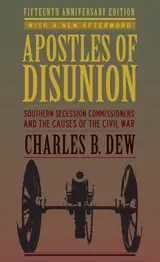 Apostles of DisunionCharles B. Dew69% matchAlso shares Slavery Studies
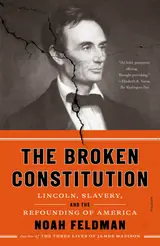 The Broken ConstitutionNoah Feldman57% match
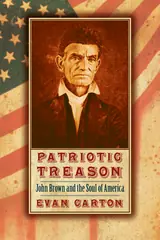 Patriotic TreasonEvan Carton53% match
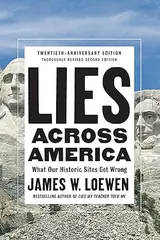 Lies Across AmericaJames W. Loewen58% match
 Reconstruction Updated EditionEric Foner57% match
 The Hidden Roots of White SupremacyRobert P. Jones53% matchAlso shares Race & Ethnic Relations
 The Civil WarGeoffrey C. Ward, Ric Burns55% match
 Dixie's DaughtersKaren L. Cox66% match
For younger readers: The Civil War (a Step Into History), Two Miserable Presidents, The Civil War
Start with three books, and this one can be the first.
Members get a new edition every morning: a route out from their books to essays, research and talks, with the reason for each.
Join the waitlistAbout this book
Most Americans hold basic misconceptions about the Confederacy, the Civil War, and the actions of subsequent neo-Confederates. For example, two thirds of Americans―including most history teachers―think the Confederate States seceded for “states' rights.” This error persists because most have never read the key documents about the Confederacy. These documents have always been there.
Continue reading
When South Carolina seceded, it published “Declaration of the Immediate Causes Which Induce and Justify the Secession of South Carolina from the Federal Union.” The document actually opposes states' rights. Its authors argue that Northern states were ignoring the rights of slave owners as identified by Congress and in the Constitution. Similarly, Mississippi's “Declaration of the Immediate Causes. . .” says, “Our position is thoroughly identified with the institution of slavery―the greatest material interest of the world.” Later documents in this collection show how neo-Confederates obfuscated this truth, starting around 1890. The evidence also points to the centrality of race in neo-Confederate thought even today and to the continuing importance of neo-Confederate ideas in American political life. The 150th anniversary of secession and civil war provides a moment for all Americans to read these documents, properly set in context by award-winning sociologist and historian James W. Loewen and coeditor, Edward H. Sebesta, to put in perspective the mythology of the Old South.
Clear Context
Straightforward history reading for study, with a clear focus on the Lost Cause.
Come here for
- Lost Cause framing, laid out plainly
- Classroom-ready Civil War context
Expect
- Accessible prose
- Works for assignment-driven reading
Where it sits
| Civil War Era | 100% |
|---|---|
| Slavery Studies | 41% |
| Race & Ethnic Relations | 33% |
Percentages are BookFrontier’s reading of the book.
Publisher categories
- History of Education
- 19th-Century America
- Civil War Era
- 20th-Century America
Show all 6 publisher categories
- Politics in Literature
- Slavery Studies
- Authors
- Edward H Sebesta, James W Loewen
- Publisher
- University Press of Mississippi
- Published
- July 28, 2010
- Format
- Print & ebook
- Reading lane
- History of Education