
Confederate Sympathies
Same-sex Romance, Disunion, and Reunion in the Civil War Era
The University of North Carolina Press · Print & ebook · April 15, 2025
The archive of the Civil War era is filled with depictions of men’s same-sex affections and intimacies.
We earn from qualifying purchases.
- Who it’s for
- Andrew Donnelly traces how male same-sex affections shaped Civil War politics and the era’s historical memory.
- Genres
- Civil War Era, LGBTQ+ History, Gay Studies
- Published
- The University of North Carolina Press, April 15, 2025
Nearest books
Matched by what the books are about, then ordered by what their readers also loved. Most of these share its genre: Civil War Era.
 The Confederate and Neo-confederate ReaderEdward H Sebesta, James W Loewen58% match
 Unexpected BraveryA.J. Schenkman56% match
 The Deviant's WarEric Cervini56% matchAlso shares LGBTQ+ History and Gay Studies
 The Divided Family in Civil War AmericaAmy Murrell Taylor56% match
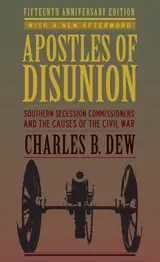 Apostles of DisunionCharles B. Dew55% match
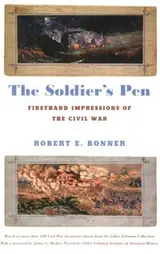 The Soldier's PenRobert E. Bonner, James G. Basker55% match
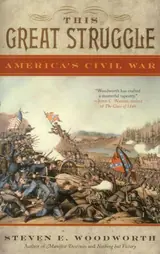 This Great StruggleSteven E. Woodworth55% match
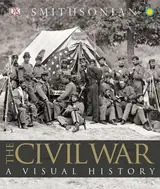 The Civil WarDK, D.K. Publishing55% match
For younger readers: Battles of the American Civil War, What Was America's Deadliest War?, Two Girls of Gettysburg
Start with three books, and this one can be the first.
Members get a new edition every morning: a route out from their books to essays, research and talks, with the reason for each.
Join the waitlistAbout this book
The archive of the Civil War era is filled with depictions of men’s same-sex affections and intimacies. Across antebellum campaign biographies, proslavery fiction, published memoirs of Confederate veterans and Union prisoners of war, Civil War novels, newspaper accounts, and the war’s historiography, homoerotic symbolism and narratives shaped the era’s politics, as well as the meaning and memory of the war.
Continue reading
The Civil War, in turn, shaped the development of homosexuality in the United States. In a book full of surprising insights, Andrew Donnelly uncovers this deeply consequential queer history at the heart of nineteenth-century national culture. Donnelly’s sharp analytical eye particularly focuses on the ways Northern white men imagined their relationship with white Southerners through narratives of same-sex affection. Assessing the cultural work of these narratives, Donnelly argues that male homoeroticism enabled proslavery coalition building among antebellum Democrats, fostered sympathy for the national retreat from Reconstruction, and contributed to the victories of Lost Cause ideology. Linking the era’s political and cultural history to the history of homosexuality, Donnelly reveals that male homoeroticism was not inherently radical but rather cultivated political sympathy for slavery, the Confederacy, and white supremacy.
Civil War Intimacies
Andrew Donnelly traces how male same-sex affections shaped Civil War politics and the era’s historical memory.
Come here for
- Antebellum campaign biographies and proslavery fiction
- Memoirs, novels, newspapers, and Civil War historiography
Expect
- Analysis of Northern white men’s imagined ties to white Southerners
- Links between homoerotic narratives, slavery, Reconstruction, and Lost Cause ideology
Where it sits
| LGBTQ+ History | 50% |
|---|---|
| Civil War Era | 46% |
| Gay Studies | 42% |
Percentages are BookFrontier’s reading of the book.
Publisher categories
- Civil War Era
- Queer Literary Criticism
- Gender Identity in Literature
- Gender Studies
- Authors
- Andrew Donnelly
- Publisher
- The University of North Carolina Press
- Published
- April 15, 2025
- Format
- Print & ebook
- Reading lane
- Civil War Era