
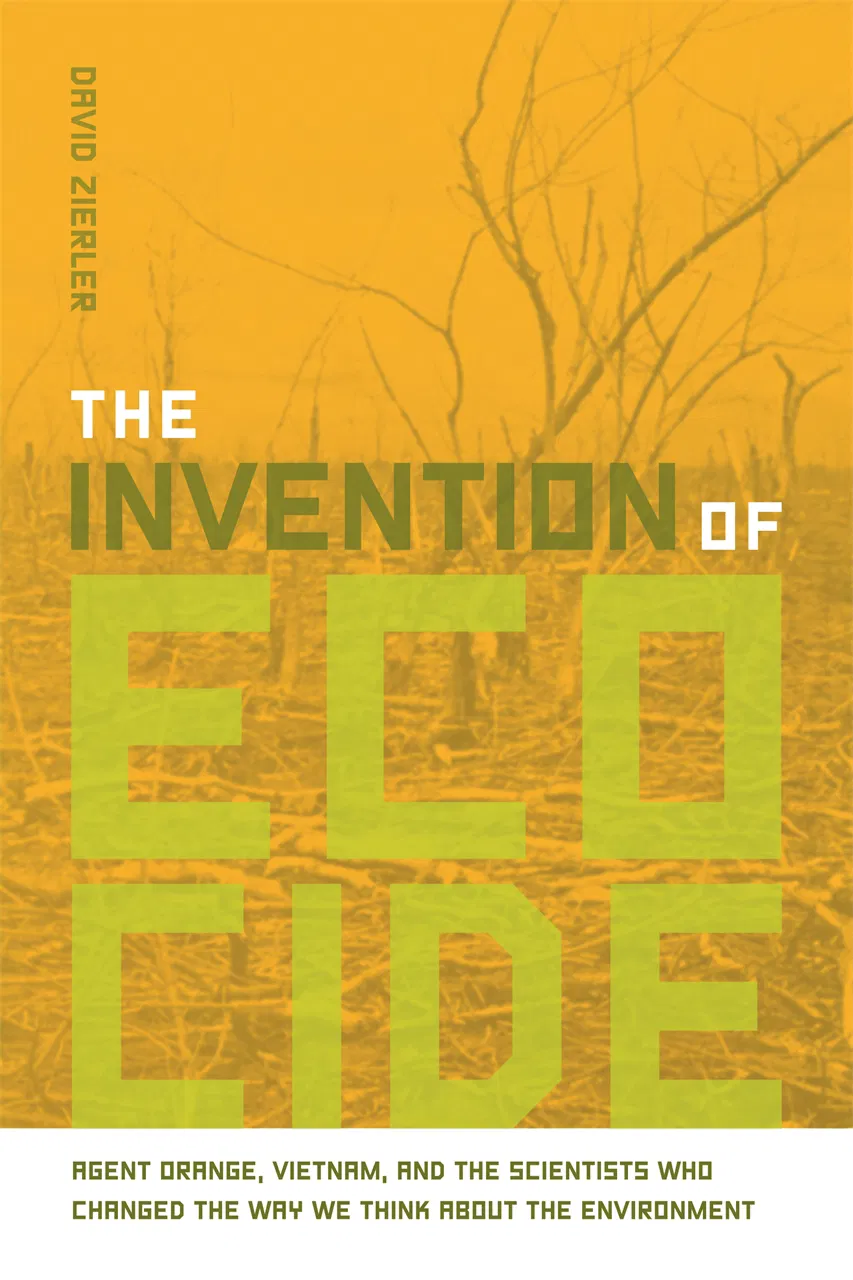
Book
The Invention of Ecocide
Agent Orange, Vietnam, and the Scientists Who Changed the Way We Think About the Environment
David Zierler
Friends Fund · Print & ebook · May 1, 2011
Reading lane: Biological & Chemical Warfare History
As the public increasingly questioned the war in Vietnam, a group of American scientists deeply concerned about the use of Agent Orange and other herbicides started a movement to ban what they called “ecocide.” David Zierler traces this movement, starting in the 1940s, when weed killer was developed in agricultural circles and theories of counterinsurgency were studied by the military.
Disclosure: Some outbound links are affiliate links. If you buy through them, we may earn a commission. It doesn't affect which books we include. Learn more in our disclosure policy.
At a Glance
Who It's For
Book Details
- Authors
- David Zierler
- Publisher
- Friends Fund
- Published
- May 1, 2011
- Format
- Print & ebook
- Theme
- Biological & Chemical Warfare History · Vietnam War History
- Reading lane
- Biological & Chemical Warfare History
Affinity
Publisher Categories
Biological & Chemical Warfare History
20th‑Century America
Conservation & Protection
About This Book
As the public increasingly questioned the war in Vietnam, a group of American scientists deeply concerned about the use of Agent Orange and other herbicides started a movement to ban what they called “ecocide.” David Zierler traces this movement, starting in the 1940s, when weed killer was developed in agricultural circles and theories of counterinsurgency were studied by the military. These two trajectories converged in 1961 with Operation Ranch Hand, the joint U.S.-South V...
Read full description
Similar Books
Waiting for an Army to Die
Fred A. Wilcox · Seven Stories Press
Shared affinity
Affinity match is still building for this title.
SOG
John L. Plaster · Simon & Schuster
Shared affinity
Biological & Chemical Warfare History
The Unlikely War Hero
Marc Leepson · Globe Pequot Publishing
Shared affinity
Biological & Chemical Warfare History
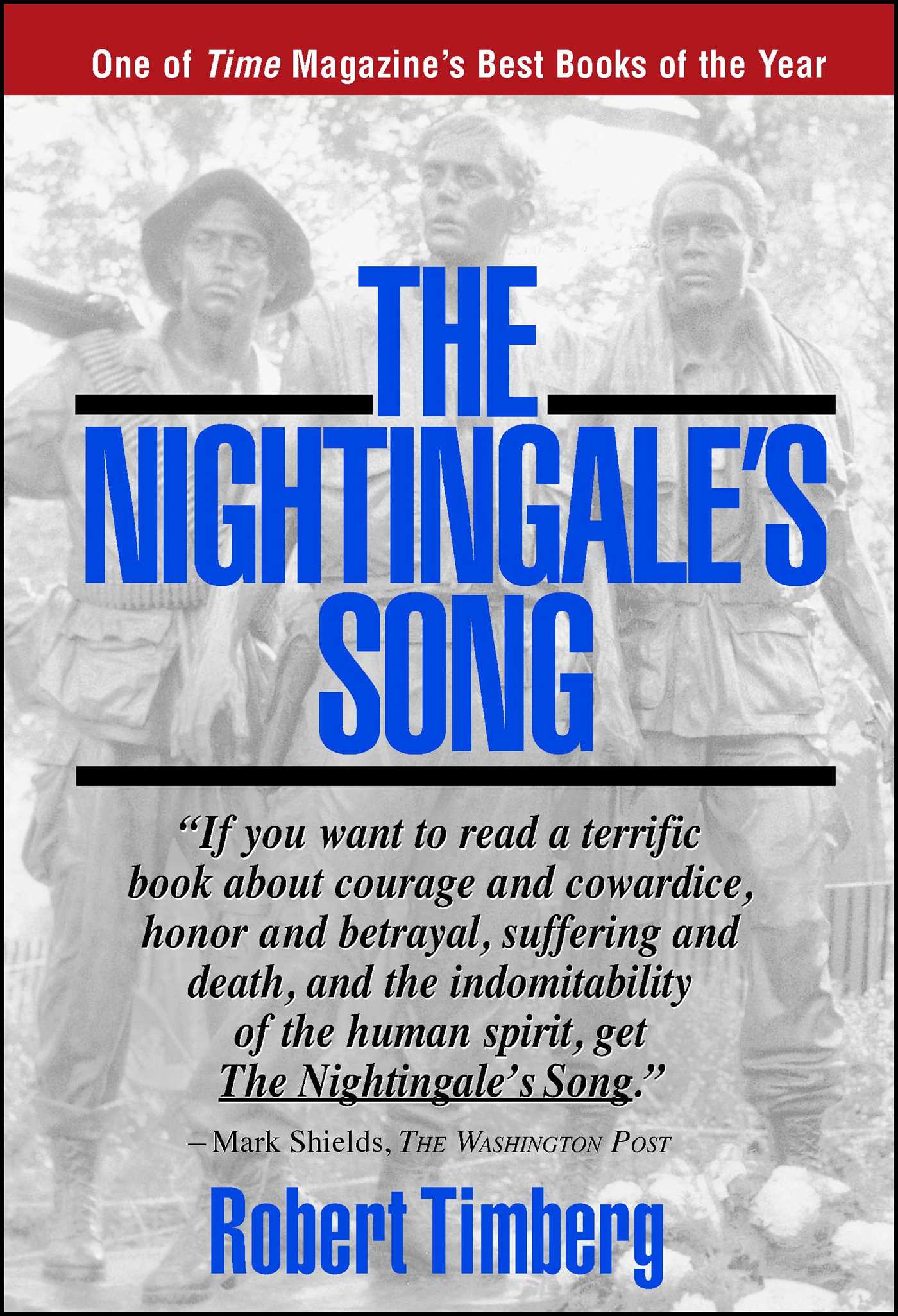
The Nightingale's Song
Robert Timberg · Free Press
Shared affinity
Biological & Chemical Warfare History
Veterans Voices
Robert H. Miller, Andrew Wakeford · National Geographic
Shared affinity
Biological & Chemical Warfare History
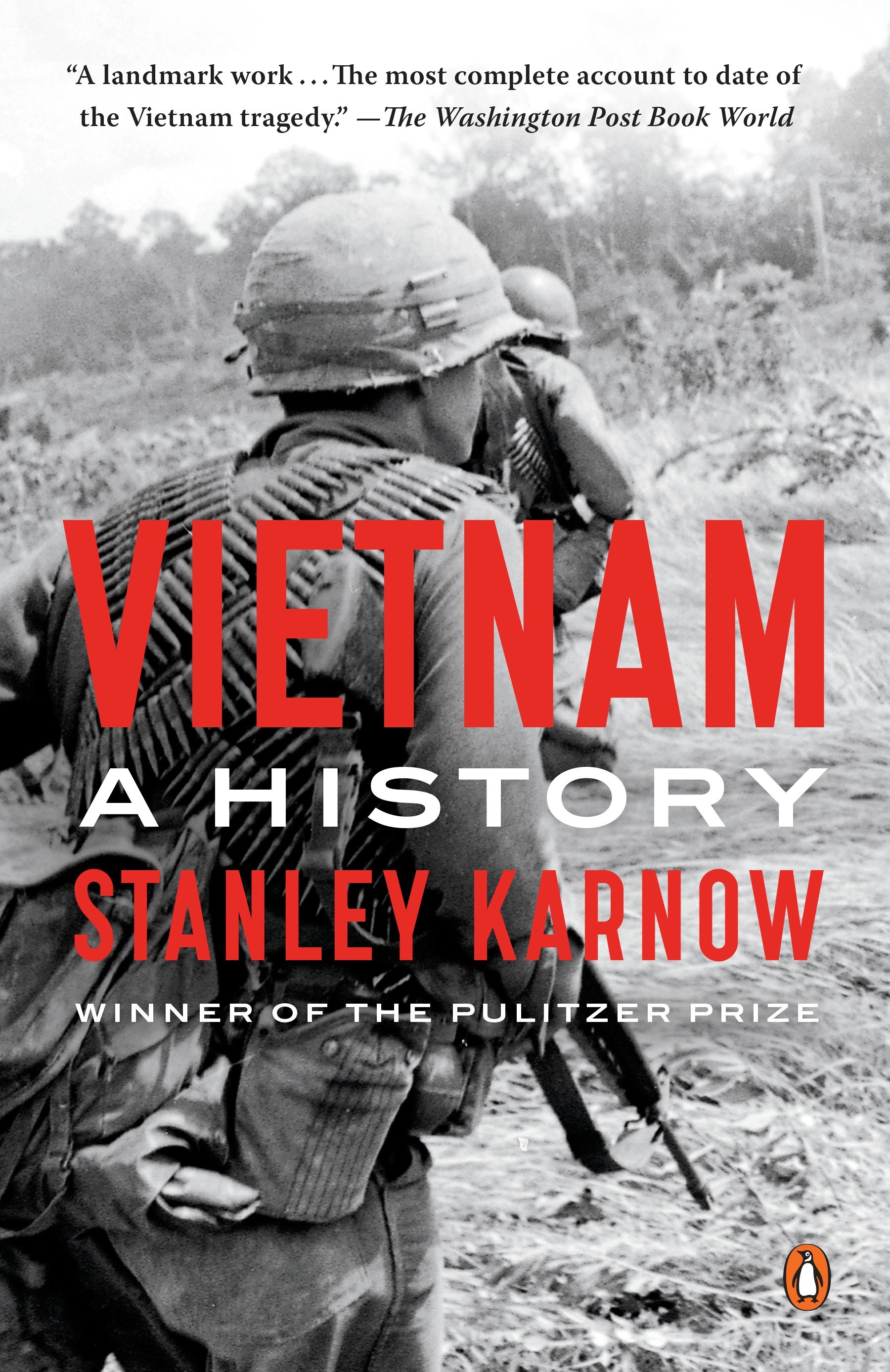
Vietnam
Stanley Karnow · Penguin Publishing Group
Shared affinity
Biological & Chemical Warfare History
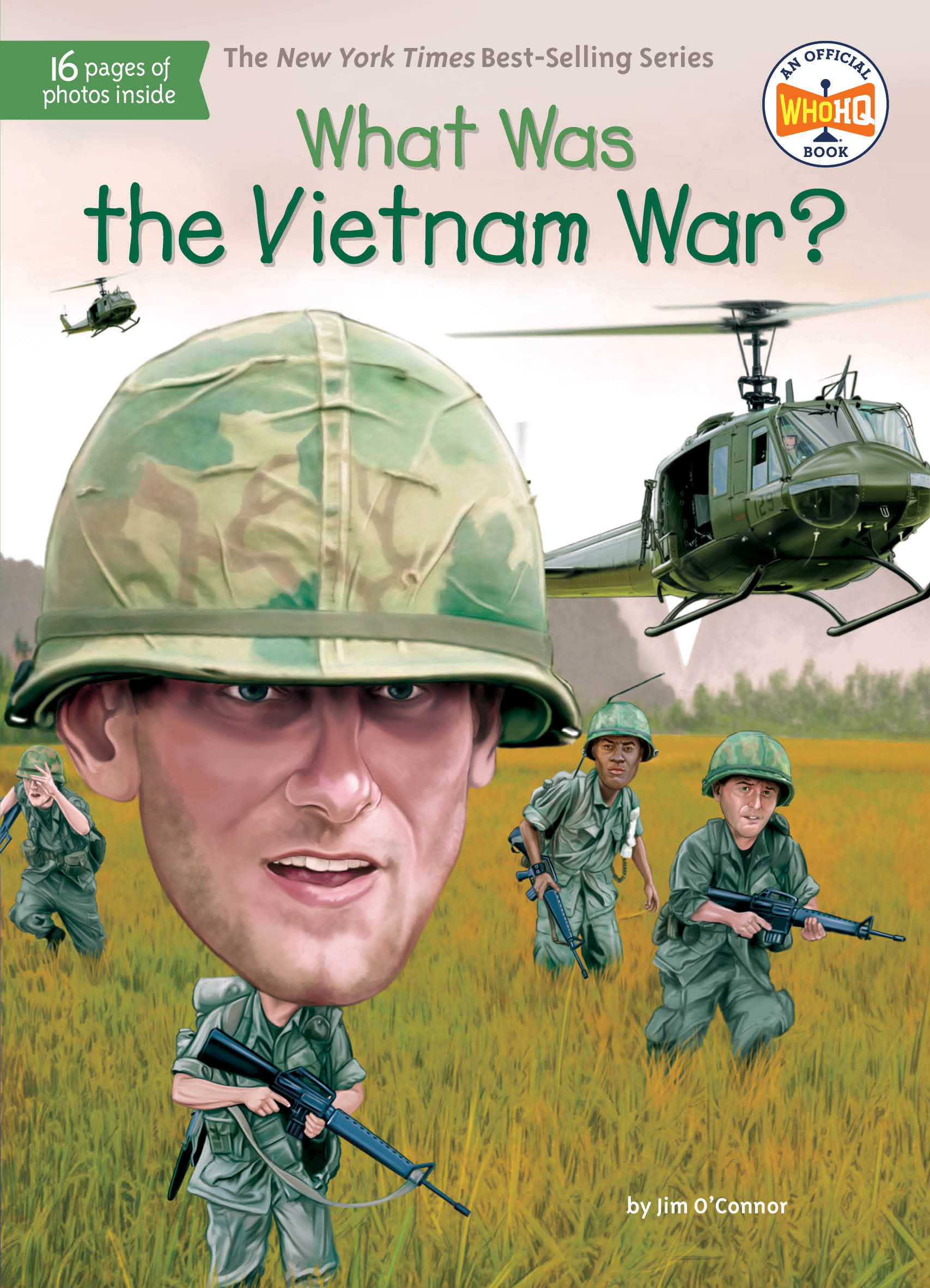
What Was the Vietnam War?
Jim O'Connor, Who HQ · Penguin Young Readers Group
Shared affinity
Biological & Chemical Warfare History
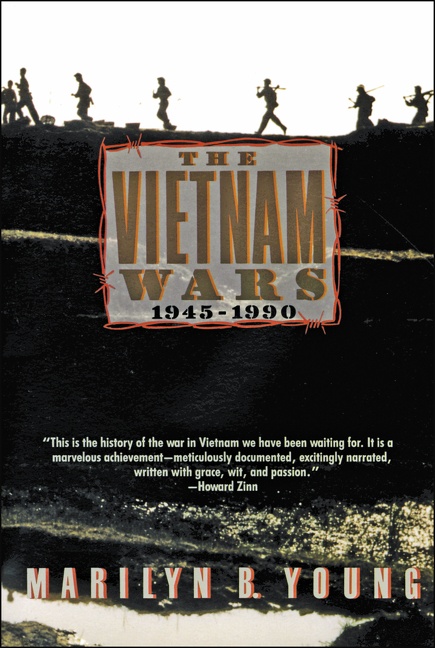
Vietnam Wars 1945-1990
Marilyn Young, Marilyn B. Young · HarperCollins
Shared affinity
Biological & Chemical Warfare History