
The Divided Family in Civil War America
The University of North Carolina Press · Hardcover · August 1, 2009
The Civil War has long been described as a war pitting “brother against brother.” The divided family is an enduring metaphor for the divided nation, but it also accurately reflects the reality of America’s bloodiest war.
We earn from qualifying purchases.
- Who it’s for
- Amy Murrell Taylor connects Civil War family divisions with the conflict’s reach into everyday life.
- Genres
- Civil War Era, Slavery Studies, U.S. Military History
- Published
- The University of North Carolina Press, August 1, 2009
Nearest books
Matched by what the books are about, then ordered by what their readers also loved. Most of these share its genre: Civil War Era.
 Battle Cry of FreedomJames M. McPherson57% match
 Unexpected BraveryA.J. Schenkman66% matchAlso shares U.S. Military History
 Children for the UnionJames A. Marten61% match
 The Civil WarDK, D.K. Publishing61% match
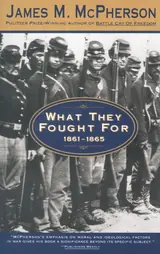 What They Fought for 1861-1865James M. McPherson59% match
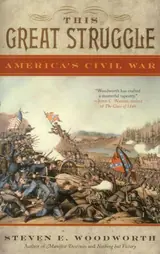 This Great StruggleSteven E. Woodworth58% match
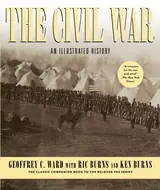 The Civil WarGeoffrey C. Ward, Ric Burns58% matchAlso shares U.S. Military History
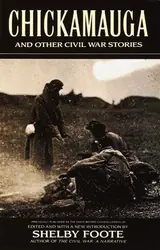 ChickamaugaShelby Foote57% match
For younger readers: If You Were a Kid During the Civil War (if You Were a Kid), Battles of the American Civil War, What Was America's Deadliest War?
Start with three books, and this one can be the first.
Members get a new edition every morning: a route out from their books to essays, research and talks, with the reason for each.
Join the waitlistAbout this book
The Civil War has long been described as a war pitting “brother against brother.” The divided family is an enduring metaphor for the divided nation, but it also accurately reflects the reality of America’s bloodiest war. Connecting the metaphor to the real experiences of families whose households were split by conflicting opinions about the war, Amy Murrell Taylor provides a social and cultural history of the divided family in Civil War America.
Continue reading
In hundreds of border state households, brothers — and sisters — really did fight one another, while fathers and sons argued over secession and husbands and wives struggled with opposing national loyalties. Even enslaved men and women found themselves divided over how to respond to the war. Taylor studies letters, diaries, newspapers, and government documents to understand how families coped with the unprecedented intrusion of war into their private lives. Family divisions inflamed the national crisis while simultaneously embodying it on a small scale — something noticed by writers of popular fiction and political rhetoric, who drew explicit connections between the ordeal of divided families and that of the nation. Weaving together an analysis of this popular imagery with the experiences of real families, Taylor demonstrates how the effects of the Civil War went far beyond the battlefield to penetrate many facets of everyday life.
Divided Households
Amy Murrell Taylor connects Civil War family divisions with the conflict’s reach into everyday life.
Come here for
- Families split over war, secession, and national loyalties
- The role of divided households in the national crisis
Expect
- Experiences of brothers, sisters, parents, spouses, and enslaved people
- Analysis of family imagery in popular fiction and political rhetoric
Where it sits
| Civil War Era | 99% |
|---|---|
| Slavery Studies | 27% |
| U.S. Military History | 21% |
Percentages are BookFrontier’s reading of the book.
Publisher categories
- Civil War Era
- African American Studies
- Authors
- Amy Murrell Taylor
- Publisher
- The University of North Carolina Press
- Published
- August 1, 2009
- Format
- Hardcover
- Reading lane
- Civil War Era