BookFrontier
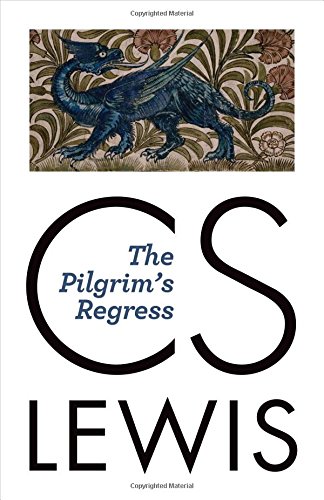
The Pilgrim's Regress by C.S. Lewis
Book

The Pilgrim's Regress

Wm. B. Eerdmans Publishing · 2014-10-22

A Fiction pick for readers exploring The Pilgrim's Regress.

Buy on Amazon

See Lists Featuring This Book

Disclosure: Some outbound links are affiliate links. If you buy through them, we may earn a commission. It doesn't affect which books we include. Learn more in our disclosure policy.

Who It's For

  • Good for readers who enjoy LITERARY CRITICISM / Subjects & Themes / Religion
  • Good for readers interested in spiritual

What You Get

  • Themes: Spiritual.
  • Reading lane: Subjects & Themes and Christian Theology.
  • Publisher: Wm. B. Eerdmans Publishing.

Categories

What we read

  • LITERARY CRITICISM / Subjects & Themes / Religion

    76%
  • Religion / Christian Theology / Apologetics

    76%
  • LITERARY COLLECTIONS / Subjects & Themes / Religious & Inspirational

    74%

About This Book

The first book written by C. S. Lewis after his conversion to Christianity, The Pilgrim's Regress is, in a sense, a record of Lewis's own search for meaning and spiritual satisfaction, a search that eventually led him to Christianity. Here is the story of the pilgrim John and his odyssey to an enchanting island that creates in him an intense longing -- a mysterious, sweet desire. John's pursuit of this desire takes him through adventures with such people as Mr. Enlightenment...
Read full description

The first book written by C. S. Lewis after his conversion to Christianity, The Pilgrim's Regress is, in a sense, a record of Lewis's own search for meaning and spiritual satisfaction, a search that eventually led him to Christianity. Here is the story of the pilgrim John and his odyssey to an enchanting island that creates in him an intense longing -- a mysterious, sweet desire. John's pursuit of this desire takes him through adventures with such people as Mr. Enlightenment, Mr. Mammon, Mother Kirk, and Mr. Sensible and through such cities as Thrill and Eschropolis -- and through the Valley of Humiliation. Though the dragons and giants here are different from those in Bunyan's Pilgrim's Progress , Lewis's allegory performs the same function of enabling the author to say with fantasy and simplicity what would otherwise have demanded a full-length philosophy of religion. In Lewis's skillful hands this fable becomes as effective a Christian apologia as Bunyan's.

Similar Books