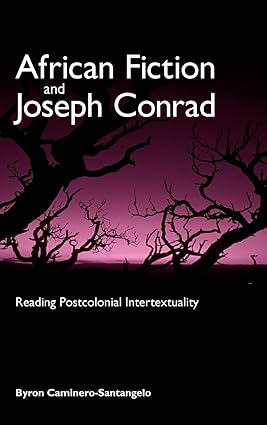
African Fiction and Joseph Conrad
Reading Postcolonial Intertextuality
State University of New York Press · Print & ebook · December 30, 2004
Interrogates the "writing back to the center" approach to intertextuality and explores alternatives to it.
We earn from qualifying purchases.
- Who it’s for
- Byron Caminero-Santangelo examines how African writers use Conrad’s fiction amid distinct postcolonial histories.
- Genres
- African Lit Crit, Comparative Literature, Colonialism & Its Aftermath
- Published
- State University of New York Press, December 30, 2004
Nearest books
Matched by what the books are about, then ordered by what their readers also loved. Most of these share its genre: African Lit Crit.
 Intertextuality in Contemporary African LiteratureOde Ogede71% matchAlso shares Comparative Literature
 Imagining India in Modern ChinaGal Gvili60% matchAlso shares Comparative Literature
 Rereading the Imperial RomanceLaura Chrisman59% matchAlso shares Colonialism & Its Aftermath
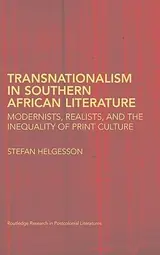 Transnationalism in Southern African LiteratureStefan Helgesson59% matchAlso shares Comparative Literature and Colonialism & Its Aftermath
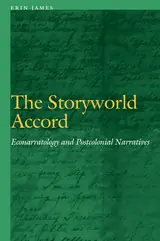 The Storyworld AccordErin James59% match
 Tilting CervantesBruce R. Burningham59% matchAlso shares Comparative Literature
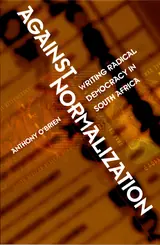 Against NormalizationAnthony O'Brien58% matchAlso shares Colonialism & Its Aftermath
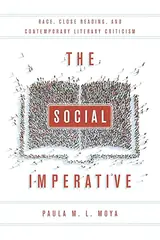 The Social ImperativePaula L. Moya, Paula Moya57% match
Start with three books, and this one can be the first.
Members get a new edition every morning: a route out from their books to essays, research and talks, with the reason for each.
Join the waitlistAbout this book
Interrogates the "writing back to the center" approach to intertextuality and explores alternatives to it. By exploring the relationships between African novels and Joseph Conrad's fiction, this book examines the many discontinuous functions postcolonial revisions of "the canon" can serve.
Continue reading
While contemporary literary studies too often represent such revisions merely as a means for postcolonial writers to challenge a colonial worldview, Caminero-Santangelo explores how African authors engage with a wide range of historically specific ideologies generated by particular histories of national independence and the development of postcolonial nations. The shift in focus away from a single colonial moment enables Caminero-Santangelo to detect a complex interweaving of convergence and divergence between Conrad and African writers such as Chinua Achebe, Ngugi wa Thiong'o, Nadine Gordimer, Tayeb Salih, and Ama Ata Aidoo, who use Conradian intertexts to intervene in repressive situations in late-twentieth-century Africa. By emphasizing the need to contextualize acts of writing and rewriting in precise historical terms, the author points to the limitations-even the dangers-of the standard cultural binary (Western-colonial/African-postcolonial) and the static dialectic of colonial domination and postcolonial resistance embraced by much recent cultural criticism.
Conrad’s African Intertexts
Byron Caminero-Santangelo examines how African writers use Conrad’s fiction amid distinct postcolonial histories.
Come here for
- African novels engaging with Joseph Conrad’s fiction
- How postcolonial revisions respond to specific histories of independence
Expect
- Convergences and divergences between Conrad and five African writers
- A critique of simple colonial and postcolonial binaries
Where it sits
| African Lit Crit | 89% |
|---|---|
| Comparative Literature | 52% |
| Colonialism & Its Aftermath | 38% |
Percentages are BookFrontier’s reading of the book.
Publisher categories
- African Lit Crit
- British & Irish Literary Criticism
- Literary Theory
- Authors
- Byron Caminero-Santangelo
- Publisher
- State University of New York Press
- Published
- December 30, 2004
- Format
- Print & ebook
- Reading lane
- African Lit Crit