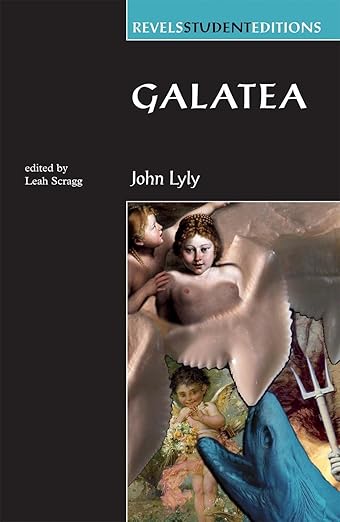
Galatea
Manchester University Press · Print & ebook · October 30, 2012
A Plays pick for readers exploring Galatea.
We earn from qualifying purchases.
- Who it’s for
- For following Lyly into the mechanics of performance and staging.
- Genres
- British & Irish Plays
- Published
- Manchester University Press, October 30, 2012
Nearest books
Matched by what the books are about, then ordered by what their readers also loved. Most of these share its genre: British & Irish Plays.
 The Knight of the Burning PestleSheldon Zitner, Francis Beaumont59% match
 Bartholomew FairSuzanne Gossett62% match
 The MalcontentGeorge Hunter, George K. Hunter54% match
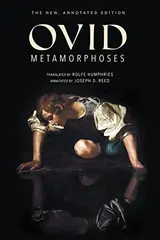 MetamorphosesOvid, Rolfe Humphries46% match
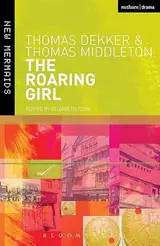 The Roaring GirlPaul Mulholland55% match
 Tamburlaine the GreatJ. S. Cunningham, Eithne Henson55% match
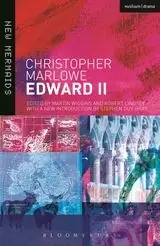 Edward II RevisedChristopher Marlowe, Martin Wiggins65% match
 Doctor Faustus, A- and B- Texts 1604Christopher Marlowe, David Bevington55% match
For younger readers: An Assassin's Guide to Love and Treason, Hamlet, Lit for Little Hands: a Midsummer Night's Dream
Start with three books, and this one can be the first.
Members get a new edition every morning: a route out from their books to essays, research and talks, with the reason for each.
Join the waitlistAbout this book
Devised as an entertainment for a Tudor monarch, Galatea might be seen, paradoxically, as a parable for our time. Inhabiting a world engaged in a process of change, the characters find themselves locked in a series of transgressive situations that speak directly to contemporary experience and twenty-first-century critical concerns.
Continue reading
Same-sex relationships, shifts of authority, and the destabilization of meaning all lend the play a surprising modernity, making it at once the most accessible of Lyly’s plays and the one most frequently performed today. Designed for the student reader, Leah Scragg’s edition offers a range of perspectives on the work. An extensive introduction locates the play in the context of the Elizabethan court, opening a window onto a kind of drama very different from that of more familiar sixteenth-century writers, such as Marlowe and Shakespeare. The latter’s indebtedness to the play is fully documented, while detailed critical and performance histories allow an insight into the work’s susceptibility to reinterpretation.
Stagecraft Focus
For following Lyly into the mechanics of performance and staging.
Come here for
- Lyly’s stagecraft in view
- A Plays pick for Galatea
Expect
- Theater-history angle
- A compact critical lens
Where it sits
| British & Irish Plays | 78% |
|---|
Percentages are BookFrontier’s reading of the book.
Publisher categories
- British & Irish Plays
- 16th-Century Literary Criticism
- Authors
- John Lyly, Leah Scragg
- Publisher
- Manchester University Press
- Published
- October 30, 2012
- Format
- Print & ebook
- Reading lane
- British & Irish Plays