About This Book
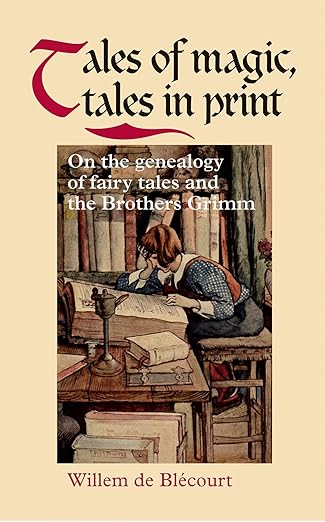
Since the beginning of the nineteenth century folklorists, and the general public in their wake, have assumed the orality of fairy tales. Only lately have more and more specialists been arguing in favour of at least an interdependence between oral and printed distribution of stories. This book takes an extreme position in that debate: as far as Tales of magic is concerned, the initial transmission proceded exclusively through prints. From a historical perspective, this is th...
Read full description
Since the beginning of the nineteenth century folklorists, and the general public in their wake, have assumed the orality of fairy tales. Only lately have more and more specialists been arguing in favour of at least an interdependence between oral and printed distribution of stories. This book takes an extreme position in that debate: as far as Tales of magic is concerned, the initial transmission proceded exclusively through prints. From a historical perspective, this is the only viable approach; the opposite assumption of a vast unrecorded and thus inaccessible reservoir of oral stories, presents a horror vacui. Only in the course of the nineteenth century, when folklorists started collecting in the field and asked their informants for fairy tales, was this particular genre incorporated into a then feeble oral tradition. Even then story tellers regularly reverted to printed texts. Every recorded fairy tale can be shown to be dependent on previous publications, or to be a new composition, constructed on the basis of fragments of stories already in existence. Tales of magic, tales in print traces the textual history of a number of fairy tale clusters, linking the findings of literary historians on the sixteenth to eighteenth centuries to the material collected by nineteenth- and twentieth-century field workers. While it places fairy tales as a genre firmly in a European context, it also follows particular stories in their dispersion over the rest of the world.