

Book
Virtues and Vices of Speech
Giovanni Gioviano Pontano, G. W. Pigman Iii
WW Norton · Print & ebook · September 17, 2019
Reading lane: Italian Literary Criticism
A discovery pick for readers interested in Virtues and Vices of Speech.
At a Glance
Who It's For
Book Details
- Authors
- Giovanni Gioviano Pontano, G. W. Pigman Iii
- Publisher
- WW Norton
- Published
- September 17, 2019
- Format
- Print & ebook
- Theme
- Italian Literary Criticism · Renaissance History
- Reading lane
- Italian Literary Criticism
Affinity
Publisher Categories
Renaissance History
Renaissance Philosophy
Philosophy of Language
About This Book
Giovanni Pontano, who adopted the academic sobriquet “Gioviano,” was prime minister to several kings of Naples and the most important Neapolitan humanist of the quattrocento. Best known today as a Latin poet, he also composed dialogues depicting the intellectual life of the humanist academy of which he was the head, and, late in life, a number of moral essays that became his most popular prose works. The De sermone (On Speech) , translated into English here for the first tim...
Read full description
Similar Books

Virtue Politics
James Hankins · WW Norton
Affinity signal
Renaissance History
Western European History

Hollow Men
Susan Gaylard · Fordham University Press
Affinity signal
Gender Studies
Italian History

Dante
John Freccero, Rachel Jacoff · WW Norton
Affinity signal
Italian Literary Criticism
Renaissance History
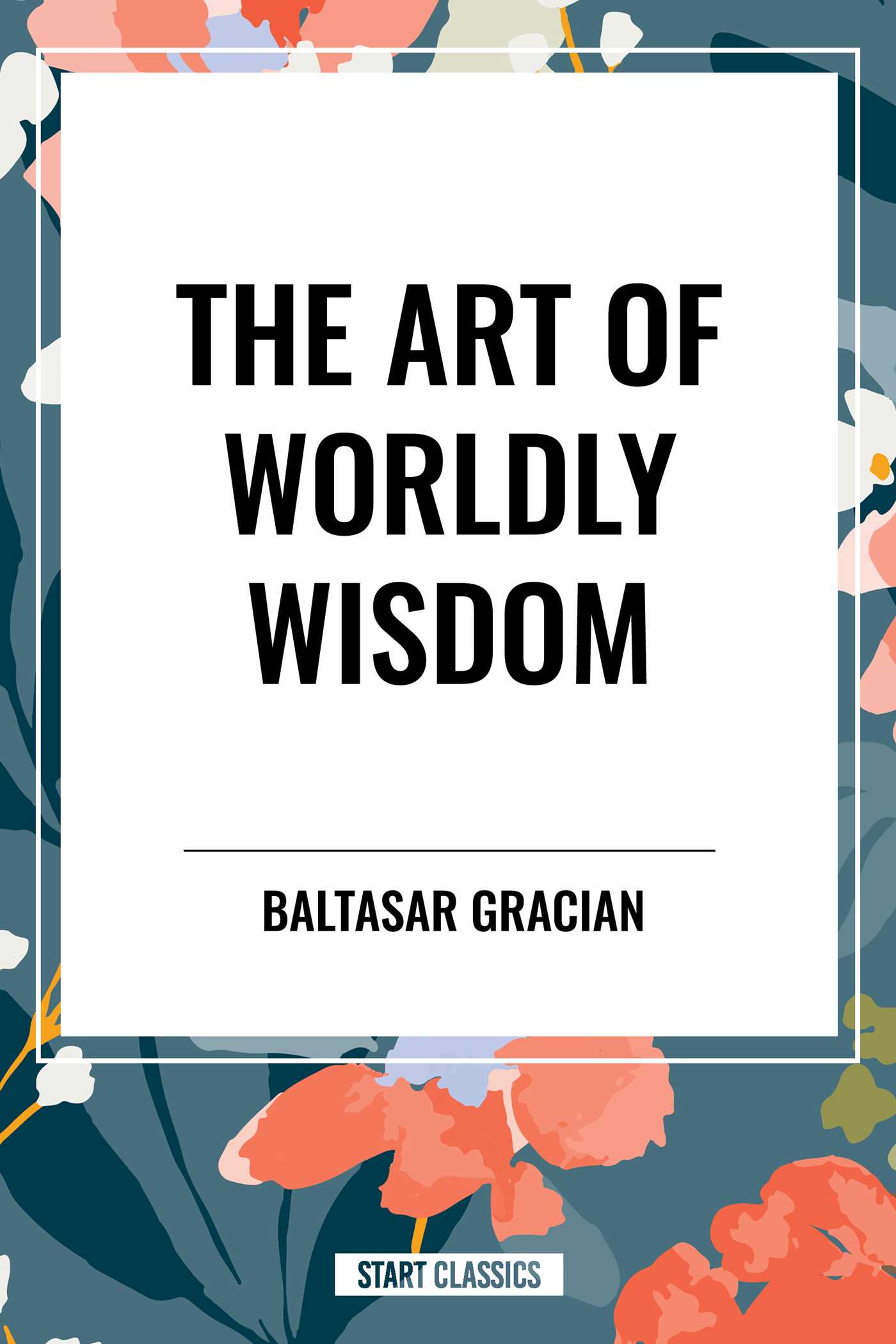
Art of Worldly Wisdom
Baltasar Gracián · Start Publishing PD
Affinity signal
Getting Motivated
Religion & Philosophy

Marvelous Solitude
Lina Bolzoni, Sylvia Greenup · WW Norton
Affinity signal
Italian Literary Criticism
Renaissance History