
More Than Real
A History of the Imagination in South India
WW Norton · Print & ebook · April 10, 2012
From the fifteenth to the eighteenth centuries, the major cultures of southern India underwent a revolution in sensibility reminiscent of what had occurred in Renaissance Italy.
We earn from qualifying purchases.
- Who it’s for
- Explore how South Indian thought made imagination a force that shapes reality.
- Genres
- History of India, Indic Literary Criticism, Hindu Thought
- Published
- WW Norton, April 10, 2012
Nearest books
Matched by what the books are about, then ordered by what their readers also loved.
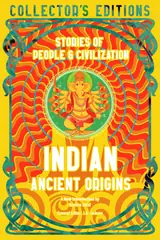 Indian Ancient OriginsJ.K. Jackson, Roshen Dalal61% matchShares History of India
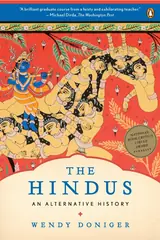 The HindusWendy Doniger, Amy Landon56% matchShares History of India
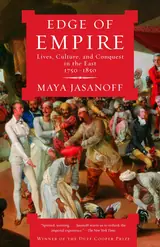 Edge of EmpireMaya Jasanoff53% match
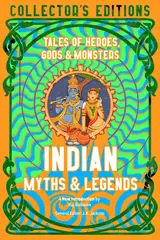 Indian Myths & LegendsJ.K. Jackson, Dr. Raj Balkaran53% match
 Nine LivesWilliam Dalrymple53% match
For younger readers: Ancient India (the Ancient World), Seasons of Splendour, Indio
Start with three books, and this one can be the first.
Members get a new edition every morning: a route out from their books to essays, research and talks, with the reason for each.
Join the waitlistAbout this book
From the fifteenth to the eighteenth centuries, the major cultures of southern India underwent a revolution in sensibility reminiscent of what had occurred in Renaissance Italy. During this time, the imagination came to be recognized as the defining feature of human beings. More than Real draws our attention to a period in Indian history that signified major civilizational change and the emergence of a new, proto-modern vision.
Continue reading
In general, India conceived of the imagination as a causative agent: things we perceive are real because we imagine them. David Shulman illuminates this distinctiveness and shows how it differed radically from Western notions of reality and models of the mind. Shulman's explication offers insightful points of comparison with ancient Greek, medieval Islamic, and early modern European theories of mind, and returns Indology to its rightful position of intellectual relevance in the humanities. At a time when contemporary ideologies and language wars threaten to segregate the study of pre-modern India into linguistic silos, Shulman demonstrates through his virtuoso readings of important literary works—works translated lyrically by the author from Sanskrit, Tamil, Telugu, and Malayalam—that Sanskrit and the classical languages of southern India have been intimately interwoven for centuries.
South India’s Imagination
Explore how South Indian thought made imagination a force that shapes reality.
Come here for
- A history spanning the fifteenth to eighteenth centuries
- Comparisons with Greek, Islamic, and European theories of mind
Expect
- Literary works translated from Sanskrit, Tamil, Telugu, and Malayalam
- An account of classical southern languages interwoven with Sanskrit
Where it sits
| History of India | 53% |
|---|---|
| Hindu Thought | 34% |
| Indic Literary Criticism | 33% |
Percentages are BookFrontier’s reading of the book.
Publisher categories
- Indian & South Asian History
- Modern History
- Indic Literary Criticism
- Authors
- David Shulman, David Dean Shulman
- Publisher
- WW Norton
- Published
- April 10, 2012
- Format
- Print & ebook
- Reading lane
- Indian & South Asian History