
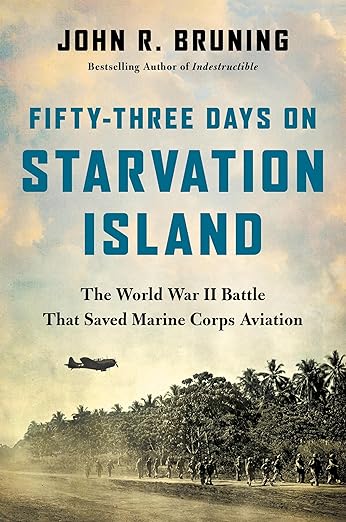
Book
Fifty-three Days on Starvation Island
The World War II Battle That Saved Marine Corps Aviation
John R Bruning
Grand Central Publishing · Print & ebook · May 14, 2024
Reading lane: WWII Pacific Theater
The pivotal true story of the first fifty-three days of the standoff between Imperial Japanese and a handful of Marine aviators defending the Americans dug in at Guadalcanal, from the New York Times bestselling author of Indestructible and Race of Aces .
At a Glance
Why This Clicks
Air War Stakes
A focused World War II account that pairs combat detail with the larger stakes for Marine.
Come here for
- Pacific War aviation, hard-fought and unromantic
- Clear military history with a brisk explanatory spine
Expect
- A sustained narrative pace
- Battlefield context over legend-making
Book Details
- Authors
- John R Bruning
- Publisher
- Grand Central Publishing
- Published
- May 14, 2024
- Format
- Print & ebook
- Theme
- WWII Pacific Theater · Military Aviation
- Reading lane
- WWII Pacific Theater
Affinity
Publisher Categories
Military Lives
World War II History
20th-Century History
About This Book
The pivotal true story of the first fifty-three days of the standoff between Imperial Japanese and a handful of Marine aviators defending the Americans dug in at Guadalcanal, from the New York Times bestselling author of Indestructible and Race of Aces . On August 20, 1942, twelve Marine dive-bombers and nineteen Marine fighters landed at Guadalcanal. Their mission: defeat the Japanese navy and prevent it from sending more men and supplies to "Starvation Island," as Guadalca...
Read full description
Similar Books

Lucky 666
Bob Drury, Tom Clavin · Simon & Schuster
Affinity signal
WWII Pacific Theater
Military Aviation
Fighting Fifteen
Stephen L. Moore · Penguin Publishing Group
Affinity signal
Military Aviation
WWII Pacific Theater
The Battle of Midway
Craig L. Symonds, James Lurie · Oxford University Press
Affinity signal
WWII Pacific Theater
Naval History
Guadalcanal Diary
Richard Tregaskis · Random House Publishing Group
Affinity signal
World War II History
U.S. Military History
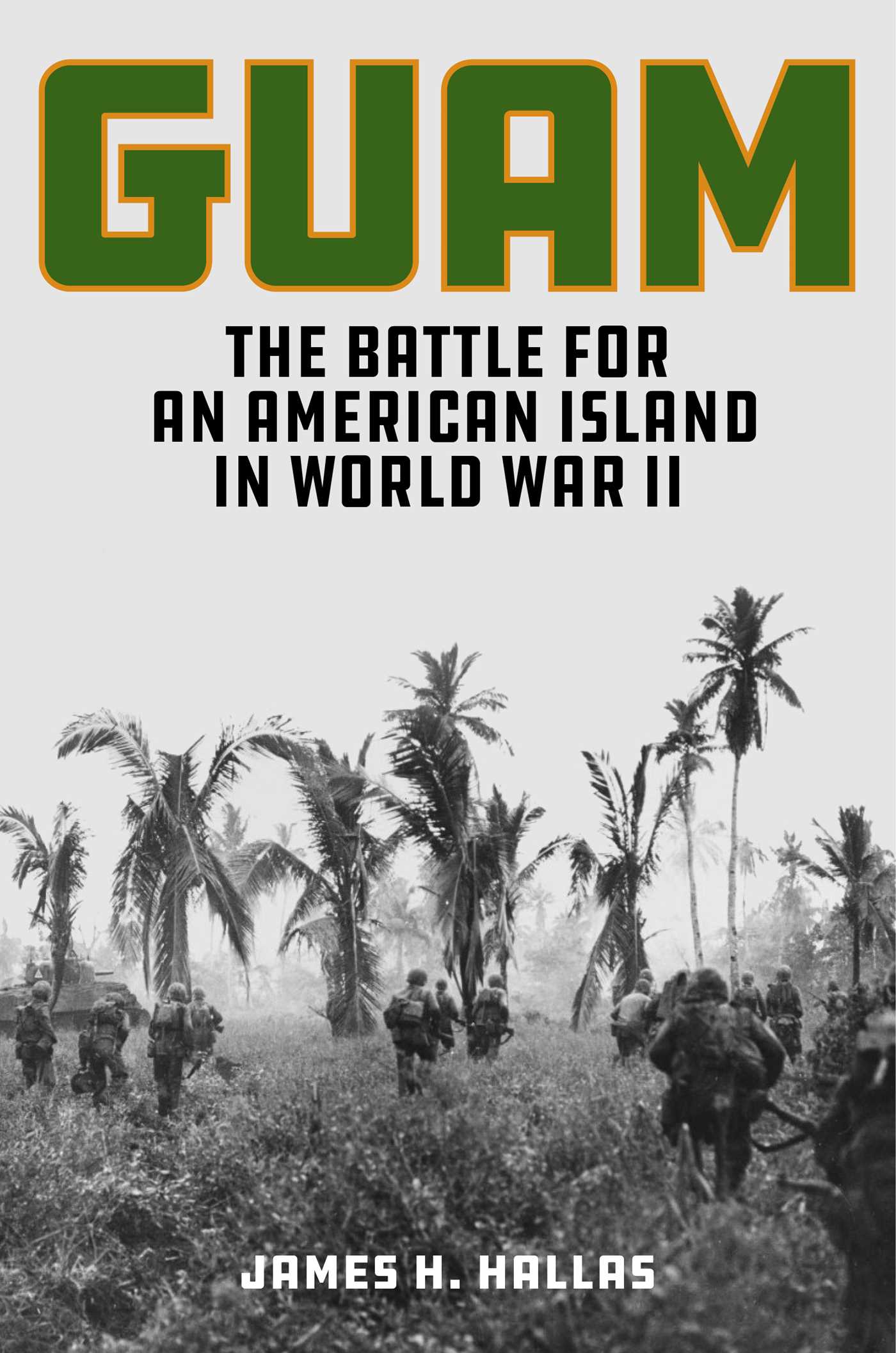
Guam
James H. Hallas · Globe Pequot Publishing
Affinity signal
WWII Pacific Theater
Naval History
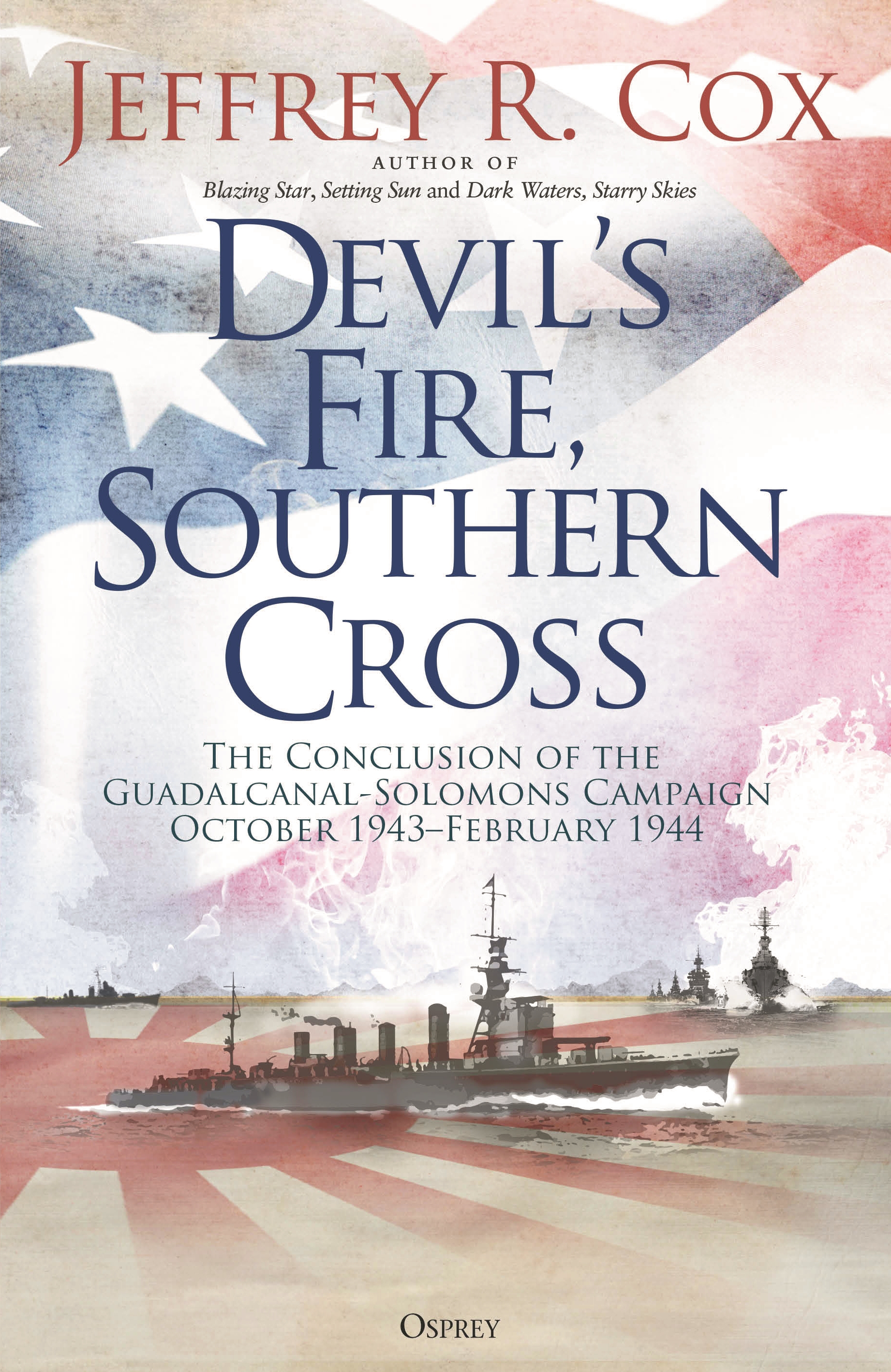
Devil's Fire, Southern Cross
Jeffrey Cox, John Chancer · Osprey
Affinity signal
WWII Pacific Theater
Naval History
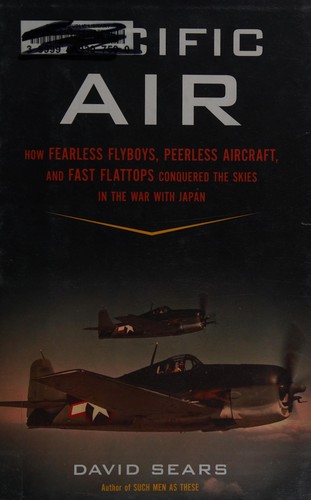
Pacific Air
David Sears · Da Capo Press
Affinity signal
WWII Pacific Theater
Military Aviation
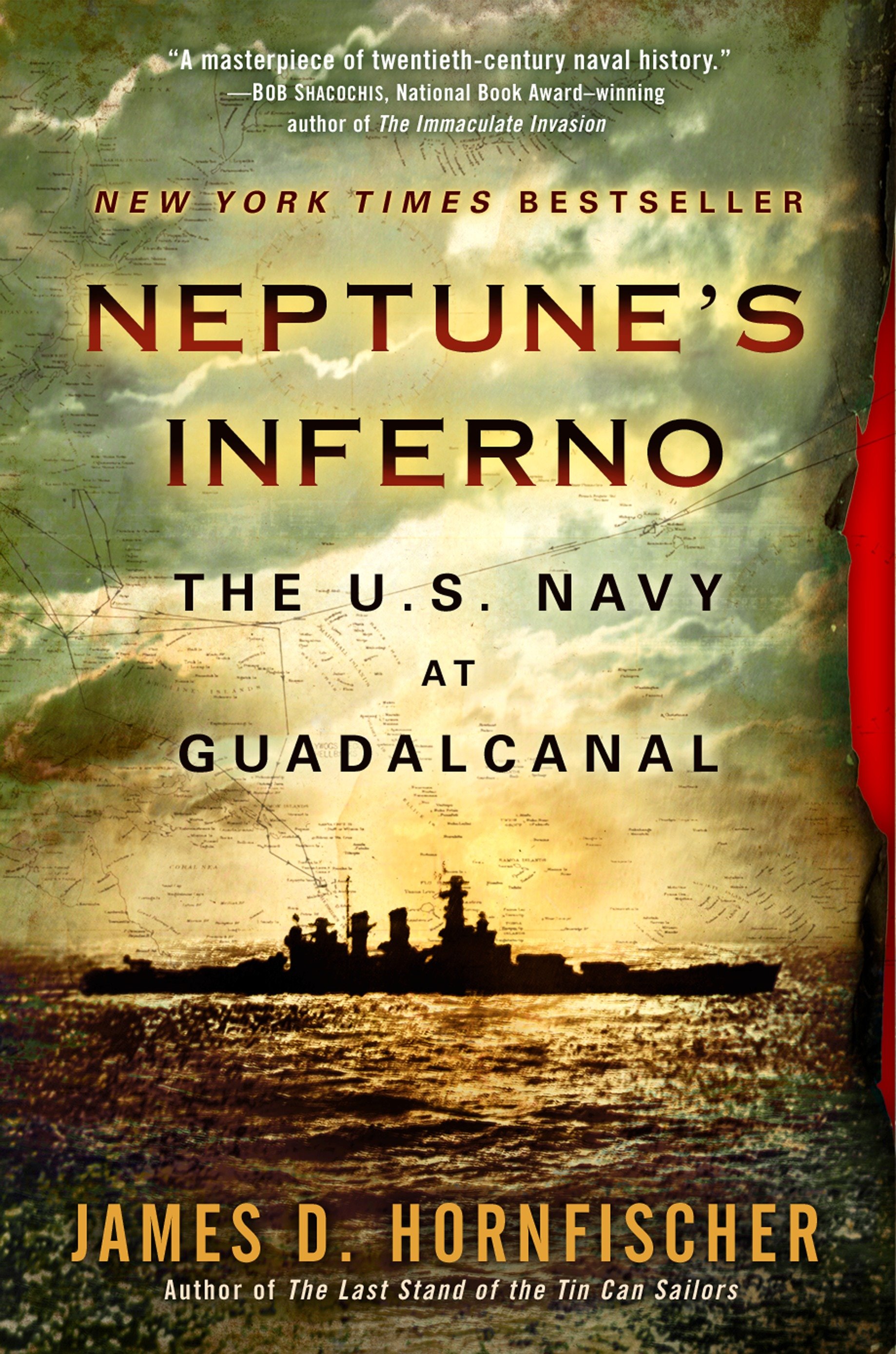
Neptune's Inferno
James D. Hornfischer · Random House Publishing Group
Affinity signal
Naval History
WWII Pacific Theater