
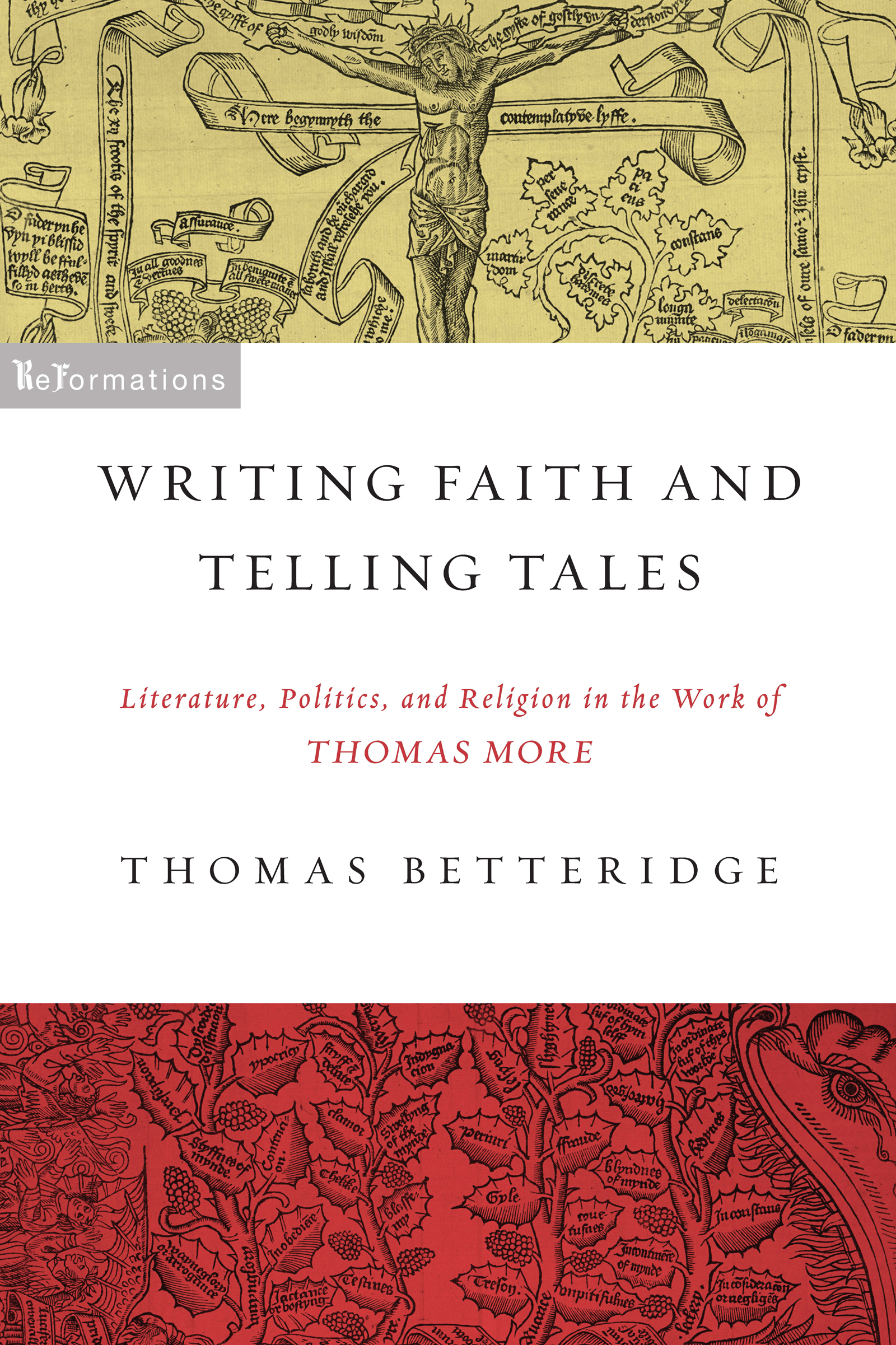
Book
Writing Faith and Telling Tales
Literature, Politics, and Religion in the Work of Thomas More
Thomas Betteridge
University of Notre Dame Press · Print & ebook · December 30, 2013
Reading lane: 16th‑Century History
Thomas More is a complex and controversial figure who has been regarded as both saint and persecutor, leading humanist and a representative of late medieval culture.
Disclosure: Some outbound links are affiliate links. If you buy through them, we may earn a commission. It doesn't affect which books we include. Learn more in our disclosure policy.
At a Glance
Who It's For
Book Details
- Authors
- Thomas Betteridge
- Publisher
- University of Notre Dame Press
- Published
- December 30, 2013
- Format
- Print & ebook
- Theme
- 16th‑Century History · LITERARY CRITICISM / Subjects & Themes / Religion
- Reading lane
- 16th‑Century History
Affinity
Publisher Categories
British History
Medieval History
16th‑Century History
About This Book
Thomas More is a complex and controversial figure who has been regarded as both saint and persecutor, leading humanist and a representative of late medieval culture. His religious writings, with their stark and at times violent attacks on what More regarded as heresy, have been hotly debated. In Writing Faith and Telling Tales , Thomas Betteridge sets More's writings in a broad cultural and chronological context, compares them to important works of late fourteenth- and fifte...
Read full description
Similar Books
The Catholic Revival in English Literature, 1845-1961
Ian Ker · University of Notre Dame Press
Shared affinity
16th‑Century History
LITERARY CRITICISM / Subjects & Themes / Religion
British & Irish Literary Criticism
Imperial Spain
J. H. Elliott · Penguin Publishing Group
Shared affinity
LITERARY CRITICISM / Subjects & Themes / Religion
Dominion
Tom Holland · Basic Books
Shared affinity
Affinity match is still building for this title.
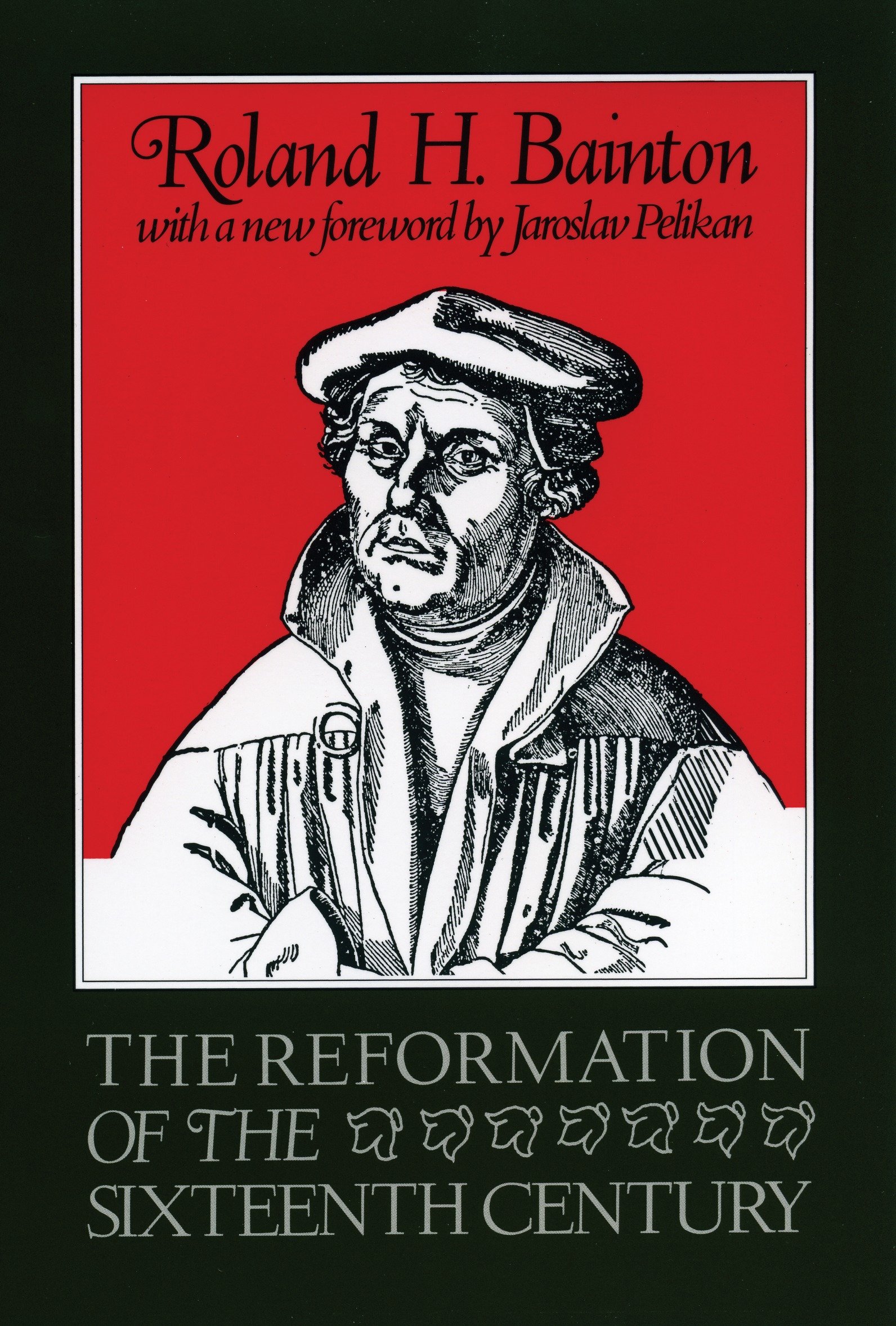
The Reformation of the Sixteenth Century
Roland Bainton, Jaroslav Pelikan · Beacon Press
Shared affinity
Affinity match is still building for this title.