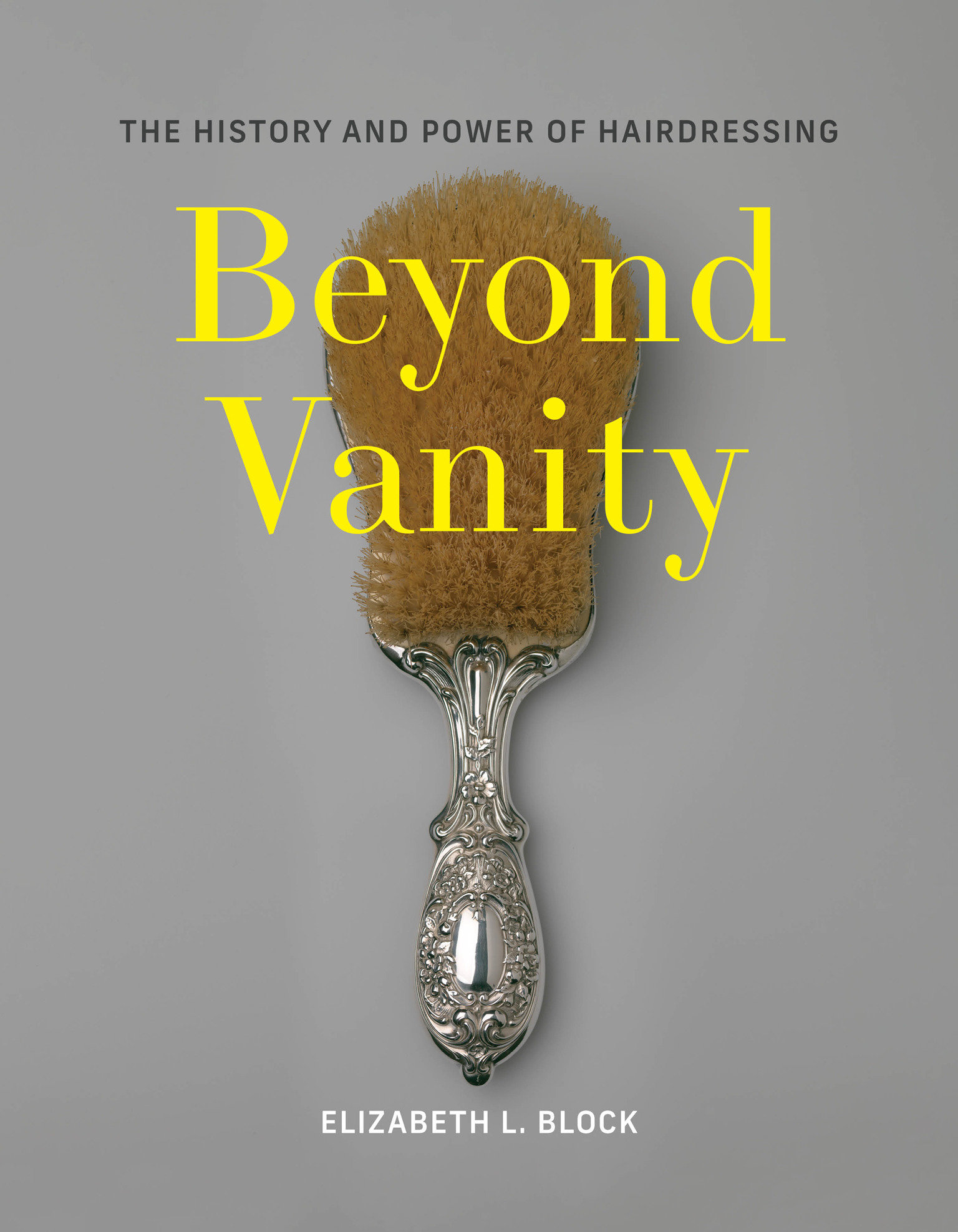
Beyond Vanity
The History and Power of Hairdressing
MIT Press · Print & ebook · September 10, 2024
From the award-winning author of Dressing Up, a riveting and diverse history of women’s hair that reestablishes the cultural power of hairdressing in nineteenth-century America.
We earn from qualifying purchases.
- Genres
- 19th-Century America, Women's History, Women's Studies
- Published
- MIT Press, September 10, 2024
Nearest books
Matched by what the books are about, then ordered by what their readers also loved.
 The Lost Art of DressLinda Przybyszewski63% match
 Dress CodesRichard Thompson Ford61% match
 How to Be a Renaissance WomanJill Burke59% matchShares Women's History
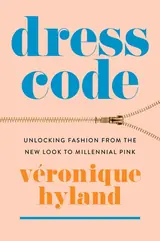 Dress CodeVéronique Hyland59% match
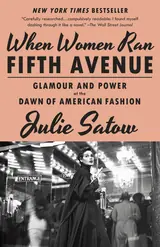 When Women Ran Fifth AvenueJulie Satow59% match
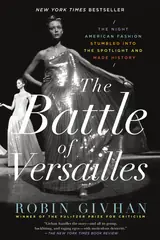 The Battle of VersaillesRobin Givhan56% match
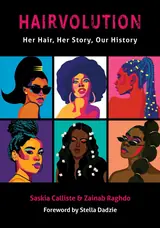 HairvolutionZainab Raghdo, Saskia Calliste56% matchShares Women's Studies
 WornSofi Thanhauser, Rebecca Lowman53% match
For younger readers: Fros, Fades, and Braids, Hairstory, This Hair Belongs
Start with three books, and this one can be the first.
Members get a new edition every morning: a route out from their books to essays, research and talks, with the reason for each.
Join the waitlistAbout this book
From the award-winning author of Dressing Up, a riveting and diverse history of women’s hair that reestablishes the cultural power of hairdressing in nineteenth-century America. In the nineteenth century, the complex cultural meaning of hair was not only significant, but it could also impact one’s place in society. After the Civil War, hairdressing was also a growing profession and the hair industry a mainstay of local, national, and international commerce.
Continue reading
In Beyond Vanity, Elizabeth Block expands the nascent field of hair studies by restoring women’s hair as a cultural site of meaning in the early United States. With a special focus on the places and spaces in which the hair industry operated, Block argues that the importance of hair has been overlooked due to its ephemerality as well as its misguided association with frivolity and triviality. As Block clarifies, hairdressing was anything but frivolous. Using methods of visual and material culture studies informed by concepts of cultural geography, Block identifies multiple substantive categories of place and space within which hair acted. These include the preparatory places of the bedroom, hair salon, and enslaved peoples’ quarters, as well as the presentation places of parties, fairs, stages, and workplaces. Here are also the untold stories of business owners, many of whom were women of color, and the creators of trendsetting styles like the pompadour and Gibson Girl bouffant. Block’s ground-breaking study examines how race and racism affected who participated in the presentation and business of hair, and according to which standards. The result of looking closely at the places and spaces of hair is a reconfiguration that allows a new understanding of the cultural power of hair in the period.
Where it sits
| 19th-Century America | 58% |
|---|---|
| Women's History | 47% |
| Women's Studies | 31% |
Percentages are BookFrontier’s reading of the book.
Publisher categories
- Fashion & Accessories
- 19th-Century America
- Pop Culture Studies
- Authors
- Elizabeth L. Block
- Publisher
- MIT Press
- Published
- September 10, 2024
- Format
- Print & ebook
- Reading lane
- Fashion & Accessories