
Worlds Apart
Genre and the Ethics of Representing Camps, Ghettos, and Besieged Cities
Columbia University Press · Print & ebook · April 29, 2025
A number of European authors who survived concentration camps, ghettos, and besieged cities in the middle of the twentieth century chose not to write straightforward memoirs or testimonials but instead to fictionalize their experiences.
We earn from qualifying purchases.
- Who it’s for
- Paloff examines fictional techniques for representing camps, ghettos, and besieged cities.
- Genres
- Jewish Literary Criticism, Holocaust History, 20th-Century Literary Criticism
- Published
- Columbia University Press, April 29, 2025
Nearest books
Matched by what the books are about, then ordered by what their readers also loved.
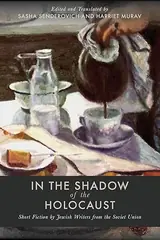 In the Shadow of the HolocaustSasha Senderovich, Harriet Murav61% match
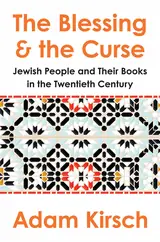 The Blessing and the CurseAdam Kirsch58% matchShares Jewish Literary Criticism and 20th-Century Literary Criticism
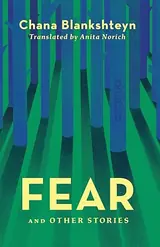 Fear and Other StoriesChana Blankshteyn, Anita Norich56% match
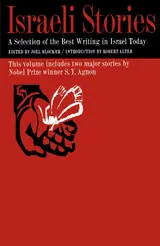 Israeli StoriesJoel Blocker, Robert Alter56% match
For younger readers: Prisoner B-3087, The Big Lie, Emil and Karl
Start with three books, and this one can be the first.
Members get a new edition every morning: a route out from their books to essays, research and talks, with the reason for each.
Join the waitlistAbout this book
A number of European authors who survived concentration camps, ghettos, and besieged cities in the middle of the twentieth century chose not to write straightforward memoirs or testimonials but instead to fictionalize their experiences. By manipulating narrative time and point of view and altering biographical facts, these writers produced literary texts that challenge common notions of what constitutes an appropriate representation of collective trauma.
Continue reading
How might such works provide a deeper understanding of historical truth than the facts alone? What does the literature of the camps reveal about present-day spaces of confinement? Worlds Apart explores the ethics of representation by reading the works of writers who use the techniques of literary fiction to depict survival in these precarious spaces. Benjamin Paloff traces the complex relationship between fact and truth in these texts, disentangling writers’ individual experiences from fictional elements that universalize that experience and, in so doing, show the camp to be an institution of the present. Touring the unusual genre conventions of these works, he weighs crucial questions about what constitutes “truth” in historical representation, literature, and the popular imagination. Reading across Czech, French, German, Polish, Russian, and Yiddish, including lesser-known and untranslated works, Paloff considers portrayals of the Shoah, the Gulag, the Warsaw Ghetto Uprising, and the blockade of Leningrad. Bold, nuanced, and rich in comparative insight, Worlds Apart argues forcefully for the moral urgency of recognizing that the camp is not simply a historical artifact but a basic institution of contemporary society.
Fiction and Camp Testimony
Paloff examines fictional techniques for representing camps, ghettos, and besieged cities.
Come here for
- Comparative readings across Czech, French, German, Polish, Russian, and Yiddish
- Questions about fact, truth, and literary representation
Expect
- Readings of the Shoah
- Attention to lesser-known and untranslated works
Where it sits
| Jewish Literary Criticism | 56% |
|---|---|
| 20th-Century Literary Criticism | 37% |
| Holocaust History | 23% |
Percentages are BookFrontier’s reading of the book.
Publisher categories
- World War II: European Theater
- East European Literary Criticism
- Literature & History
- Authors
- Benjamin Paloff
- Publisher
- Columbia University Press
- Published
- April 29, 2025
- Format
- Print & ebook
- Reading lane
- World War II: European Theater