BookFrontier
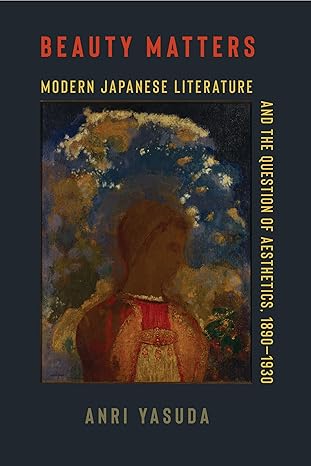
Beauty Matters by Anri Yasuda
Book

Beauty Matters

Modern Japanese Literature and the Question of Aesthetics, 1890–1930

Columbia University Press · 2024-06-04

Beauty Matters: Modern Japanese Literature and the Question of Aesthetics, 1890–1930

Buy on Amazon

Browse Curated Lists

Disclosure: Some outbound links are affiliate links. If you buy through them, we may earn a commission. It doesn't affect which books we include. Learn more in our disclosure policy.

What You Get

  • Reading lane: Asian and European.
  • Publisher: Columbia University Press.

About This Book

Winner, 2026 F. Hilary Conroy First Book Prize, Modern Japan History Association The notion of beauty is inherently elusive: aesthetic judgments are at once subjective and felt to be universally valid. In Beauty Matters, Anri Yasuda demonstrates that by exploring the often conflicting yet powerful pull of aesthetic sentiments, major authors of the late Meiji (1868–1912) and Taishō (1912–1926) periods illuminated themes and perspectives that resonated broadly in modern Japane...

Read full description

Winner, 2026 F. Hilary Conroy First Book Prize, Modern Japan History Association The notion of beauty is inherently elusive: aesthetic judgments are at once subjective and felt to be universally valid. In Beauty Matters, Anri Yasuda demonstrates that by exploring the often conflicting yet powerful pull of aesthetic sentiments, major authors of the late Meiji (1868–1912) and Taishō (1912–1926) periods illuminated themes and perspectives that resonated broadly in modern Japanese society. This approach presents an alternative to conventional accounts in which Japanese literature before the modernist turn of the 1920s has tended to be defined by an insular focus on subjective representation and autobiographical realism. Yasuda investigates how Natsume Sōseki, Mori Ogai, Mushanokōji Saneatsu and his peers at Shirakaba magazine, and Akutagawa Ryūnosuke sought to identify the aesthetic properties of literature through comparisons with the visual arts. They also considered the position of Japanese cultural sensibilities within the Eurocentric imperial world order. Their stories featuring painters and paintings weigh the fundamental challenge of representing anything when the conditions of knowledge are in flux, and their stories about cross-cultural encounters display both hope and ambivalence about the prospect of cosmopolitanism. Yasuda shows how thinking about beauty and art enabled these authors to surpass purely “literary” concerns. By tracing the wide-reaching significance of aesthetic affect in literary thought, Beauty Matters destabilizes received conceptions of literature’s parameters and affirms literature’s continued potential to intervene in cultural discourses in Japan and beyond.

Similar Books