
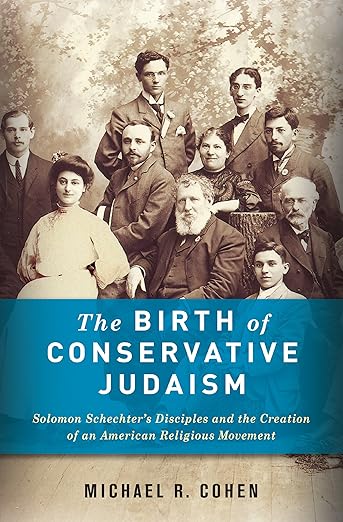
The Birth of Conservative Judaism
Solomon Schechter's Disciples and the Creation of an American Religious Movement
Disclosure: Some outbound links are affiliate links. If you buy through them, we may earn a commission. It doesn't affect which books we include. Learn more in our disclosure policy.
Who It's For
What You Get
Categories
What we read3
Religion / Judaism / Orthodox
79%Religion / Judaism / History
77%Religion / Judaism / Theology
77%
About This Book
Solomon Schechter (1847–1915), the charismatic leader of New York's Jewish Theological Seminary (JTS), came to America in 1902 intent on revitalizing traditional Judaism. While he advocated a return to traditional practices, Schechter articulated no clear position on divisive issues, instead preferring to focus on similarities that could unite American Jewry under a broad message. Michael R. Cohen demonstrates how Schechter, unable to implement his vision on his own, turned...
Read full description
Similar Books

Response to Modernity
Shared categories
Religion / Judaism / Orthodox
Religion / Judaism / History
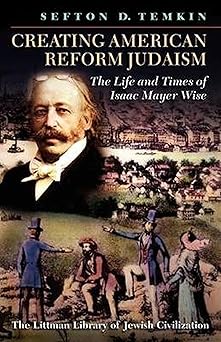
Creating American Reform Judaism
Shared categories
Religion / Judaism / Orthodox
Religion / Judaism / History
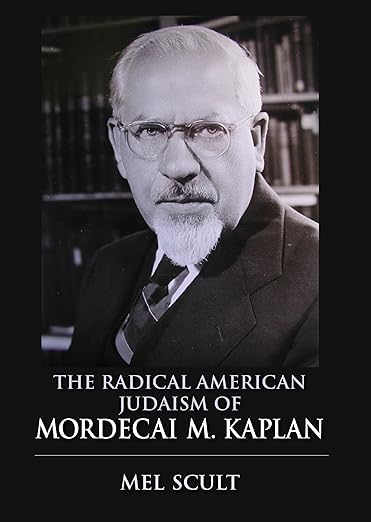
The Radical American Judaism of Mordecai M. Kaplan
Shared categories
Religion / Judaism / Orthodox
Religion / Judaism / History

Reform Judaism and Darwin
Shared categories
Religion / Judaism / Orthodox
Religion / Judaism / History

Judaism for Everyone
Shared categories
Religion / Judaism / Orthodox
Religion / Judaism / History

Basic Judaism
Shared categories
Religion / Judaism / Orthodox
Religion / Judaism / History

The Rise of Reform Judaism
Shared categories
Religion / Judaism / Orthodox
Religion / Judaism / History

Changing the Immutable
Shared categories
Religion / Judaism / Orthodox
Religion / Judaism / History