

Book
Introduction to Relativistic Quantum Chemistry
1st Edition
Kenneth G. Dyall, Knut Faegri Jr.
Oxford University Press · Print & ebook · May 3, 2007
Reading lane: Physical & Theoretical Chemistry
This book provides an introduction to the essentials of relativistic effects in quantum chemistry, and a reference work that collects all the major developments in this field.
Disclosure: Some outbound links are affiliate links. If you buy through them, we may earn a commission. It doesn't affect which books we include. Learn more in our disclosure policy.
At a Glance
Who It's For
Book Details
- Authors
- Kenneth G. Dyall, Knut Faegri Jr.
- Publisher
- Oxford University Press
- Published
- May 3, 2007
- Format
- Print & ebook
- Theme
- Physical & Theoretical Chemistry · Analytical Chemistry
- Reading lane
- Physical & Theoretical Chemistry
Affinity
Publisher Categories
Physical & Theoretical Chemistry
About This Book
This book provides an introduction to the essentials of relativistic effects in quantum chemistry, and a reference work that collects all the major developments in this field. It is designed for the graduate student and the computational chemist with a good background in nonrelativistic theory. In addition to explaining the necessary theory in detail, at a level that the non-expert and the student should readily be able to follow, the book discusses the implementation of the...
Read full description
Similar Books

Handbook of Computational Quantum Chemistry
David B. Cook · Dover Publications
Shared affinity
Physical & Theoretical Chemistry
Analytical Chemistry
Molecular Modeling

Problems and Solutions to Accompany Mcquarrie and Simon's Physical Chemistry
Heather Cox, Donald A. McQuarrie · MIT Press
Shared affinity
Physical & Theoretical Chemistry
Analytical Chemistry
Molecular Modeling
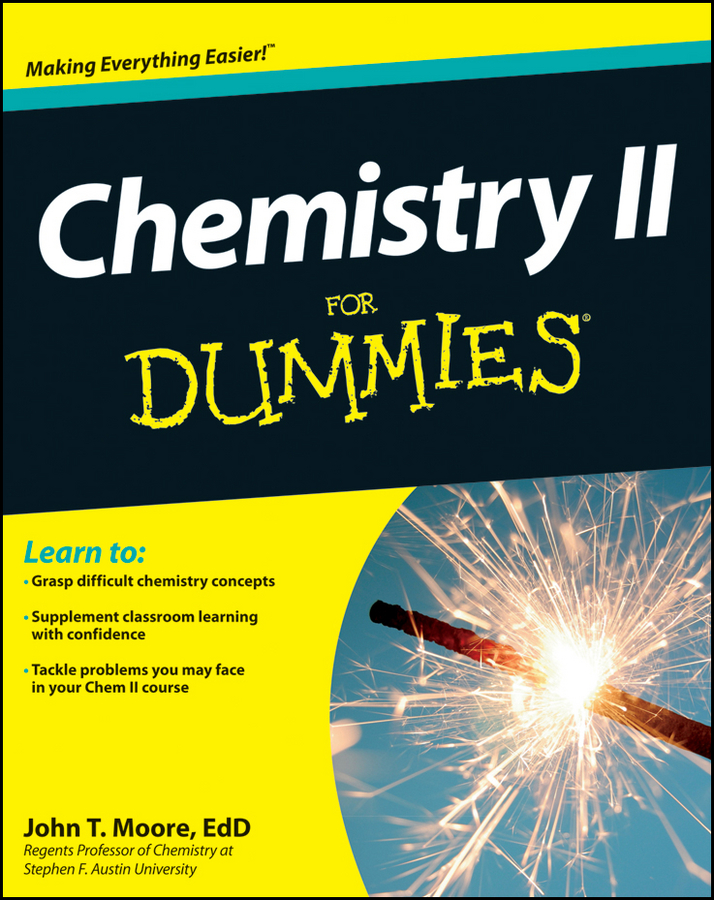
Chemistry II for Dummies
John T. Moore · Wiley
Shared affinity
Physical & Theoretical Chemistry
Analytical Chemistry
Molecular Modeling

Chemistry All-in-one for Dummies (+ Chapter Quizzes Online)
Christopher R. Hren, John T. Moore · Wiley
Shared affinity
Physical & Theoretical Chemistry
Analytical Chemistry
Molecular Modeling

Fundamentals of Computational Chemistry
Daniel Sullivan · NY RESEARCH PRESS
Shared affinity
Physical & Theoretical Chemistry
Analytical Chemistry
Molecular Modeling
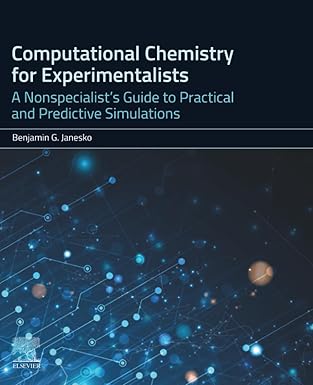
Computational Chemistry for Experimentalists
Benjamin G. Janesko · Elsevier Science
Shared affinity
Physical & Theoretical Chemistry
Analytical Chemistry
Molecular Modeling
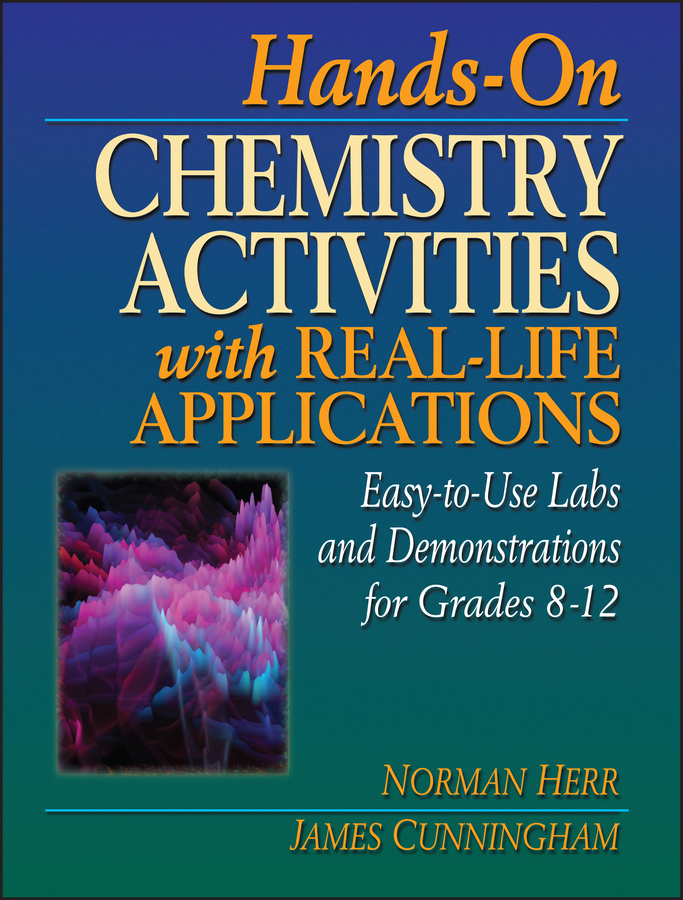
Hands-on Chemistry Activities With Real-life Applications
Norman Herr, James Cunningham · Wiley
Shared affinity
Physical & Theoretical Chemistry
Analytical Chemistry
Molecular Modeling

Applied Principles of Chemometrics
Jina Redlin · NY RESEARCH PRESS
Shared affinity
Physical & Theoretical Chemistry
Analytical Chemistry
Molecular Modeling