

Book
Refactoring
Improving the Design of Existing Code
Martin Fowler
Pearson Education · Print & ebook · November 19, 2018
Reading lane: Software Development
Martin Fowler’s guide to reworking bad code into well-structured code Refactoring improves the design of existing code and enhances software maintainability, as well as making existing code easier to understand.
At a Glance
Why This Clicks
Make Code Clearer
A practical guide to reshaping existing code so it’s easier to understand, maintain, and change.
Come here for
- Spotting code smells and choosing useful refactorings
- Improving tests, data structures, APIs, and conditional logic
Expect
- A catalog of refactorings, with examples written in JavaScript
- Principles you can adapt across programming languages
Book Details
- Authors
- Martin Fowler
- Publisher
- Pearson Education
- Published
- November 19, 2018
- Format
- Print & ebook
- Theme
- Software Development · Testing & QA
- Reading lane
- Software Development
Affinity
Publisher Categories
Object-Oriented Programming
Software Development
About This Book
Martin Fowler’s guide to reworking bad code into well-structured code Refactoring improves the design of existing code and enhances software maintainability, as well as making existing code easier to understand. Original Agile Manifesto signer and software development thought leader, Martin Fowler, provides a catalog of refactorings that explains why you should refactor; how to recognize code that needs refactoring; and how to actually do it successfully, no matter what lang...
Read full description
Similar Books

Clean Code
Robert C. Martin · Pearson Education
Affinity signal
Testing & QA
Software Development
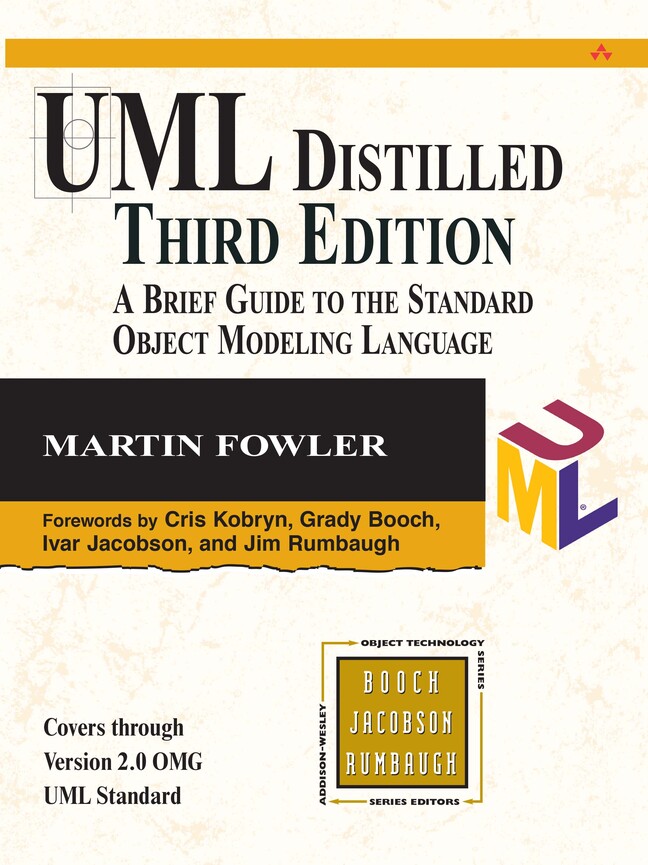
UML Distilled
Martin Fowler · Pearson Education
Affinity signal
Object-Oriented Programming
Software Development

Agile Software Development, Principles, Patterns, and Practices
Robert C. Martin · Pearson Education
Affinity signal
Software Development
Testing & QA

Code Complete
Steve McConnell · Pearson Education
Affinity signal
Software Development
Programming Languages

Tidy First?
Kent Beck · O'Reilly Media
Affinity signal
Software Development
Systems Design

Clean Coder, the
Robert Martin, Robert C. Martin · Pearson Education
Affinity signal
Testing & QA
Software Development

Pragmatic Programmer, the
David Thomas, Andrew Hunt · Pearson Education
Affinity signal
Software Development
Testing & QA

Design Patterns
Erich Gamma, Richard Helm · Pearson Education
Affinity signal
Computer Vision