

Book
Like
A History of the World's Most Hated (and Misunderstood) Word
Megan C. Reynolds
HarperCollins · Print & ebook · July 1, 2025
Reading lane: Sociolinguistics
A comprehensive and thought-provoking investigation into one of the most polarizing words in the English language.
At a Glance
Why This Clicks
A Word in Motion
A breezy, thoughtful look at how “like” works—and what our judgments of it can reveal.
Come here for
- The history and versatility of a much-maligned word
- Language questions entwined with status, culture, and belonging
Expect
- Engaging attention to everyday speech and its social weight
- A fresh case for taking casual language seriously
Book Details
- Authors
- Megan C. Reynolds
- Publisher
- HarperCollins
- Published
- July 1, 2025
- Format
- Print & ebook
- Theme
- Sociolinguistics · Historical Linguistics
- Reading lane
- Sociolinguistics
Affinity
Publisher Categories
21st-Century History
Social History
Communication Studies
Morphology
Show all 8 publisher categories
Sociolinguistics
American Lit Crit
21st Century Literature
Better Communication
About This Book
A comprehensive and thought-provoking investigation into one of the most polarizing words in the English language. Few words in the English language are as misunderstood as “like.” Indeed, excessive use of this word is a surefire way to make those who pride themselves on propriety, both grammatical and otherwise, feel compelled to issue correctives. But what the detractors of this word fail to understand is its true function and versatility—as an exclamation, a filler of spa...
Read full description
Similar Books

Like, Literally, Dude
Valerie Fridland · Penguin Publishing Group
Affinity signal
Sociolinguistics
Historical Linguistics
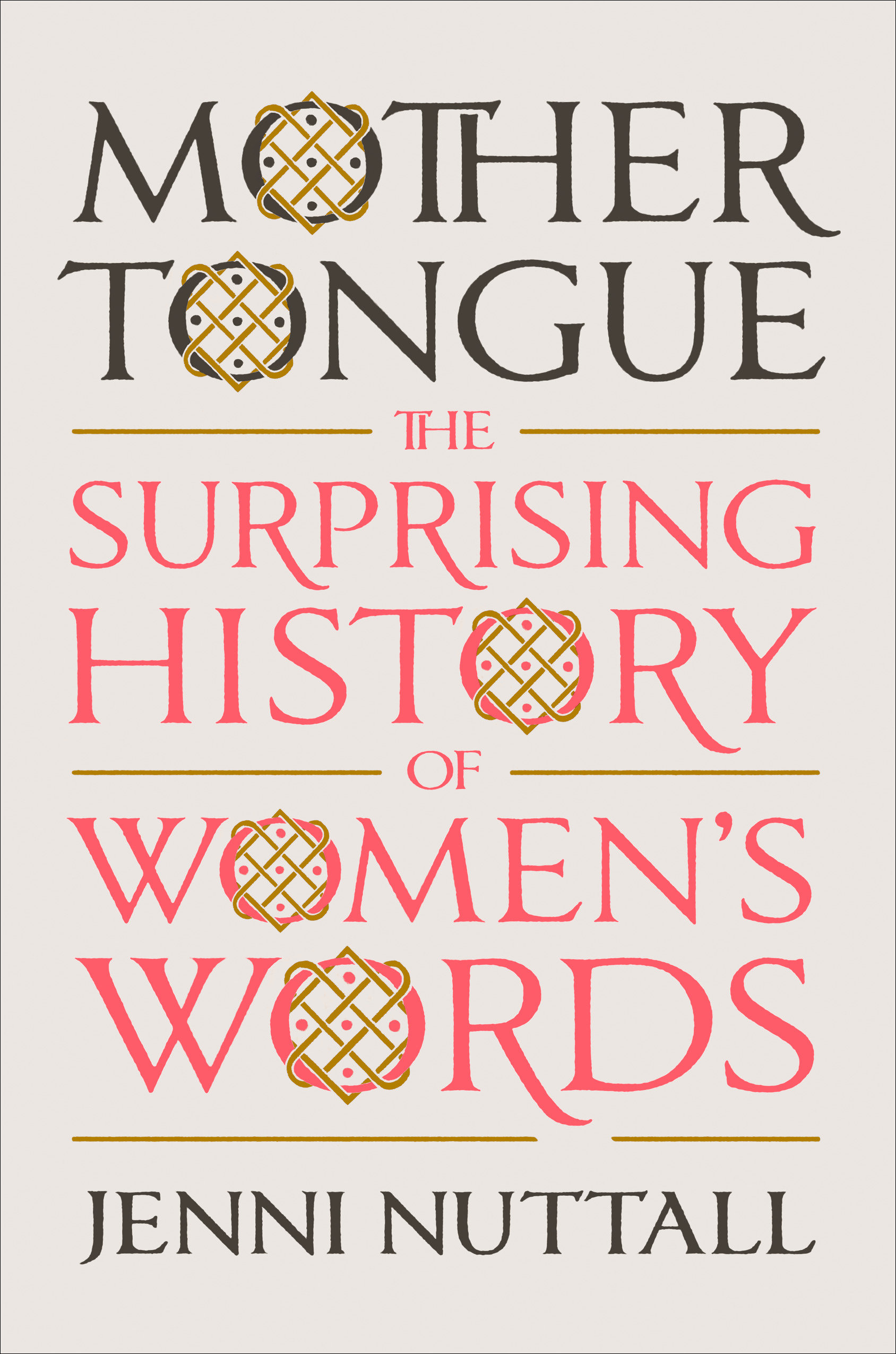
Mother Tongue
Beth Hicks, Jenni Nuttall · Penguin Publishing Group
Affinity signal
Sociolinguistics
Women in Literature

Language
Daniel L. Everett · Knopf Doubleday Publishing Group
Affinity signal
Historical Linguistics
Sociolinguistics

Lady Like
Mackenzi Lee · Random House Publishing Group
Affinity signal
Regency Romance
Lesbian Romance

Linguaphile
Julie Sedivy · Picador
Affinity signal
Sociolinguistics
Psycholinguistics
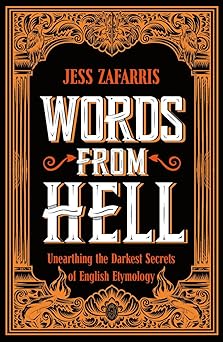
Words From Hell
Jess Zafarris · Hachette Mobius
Affinity signal
Historical Linguistics
Sociolinguistics

Our Magnificent Bastard Tongue
John McWhorter · Penguin Publishing Group
Affinity signal
Historical Linguistics
Sociolinguistics
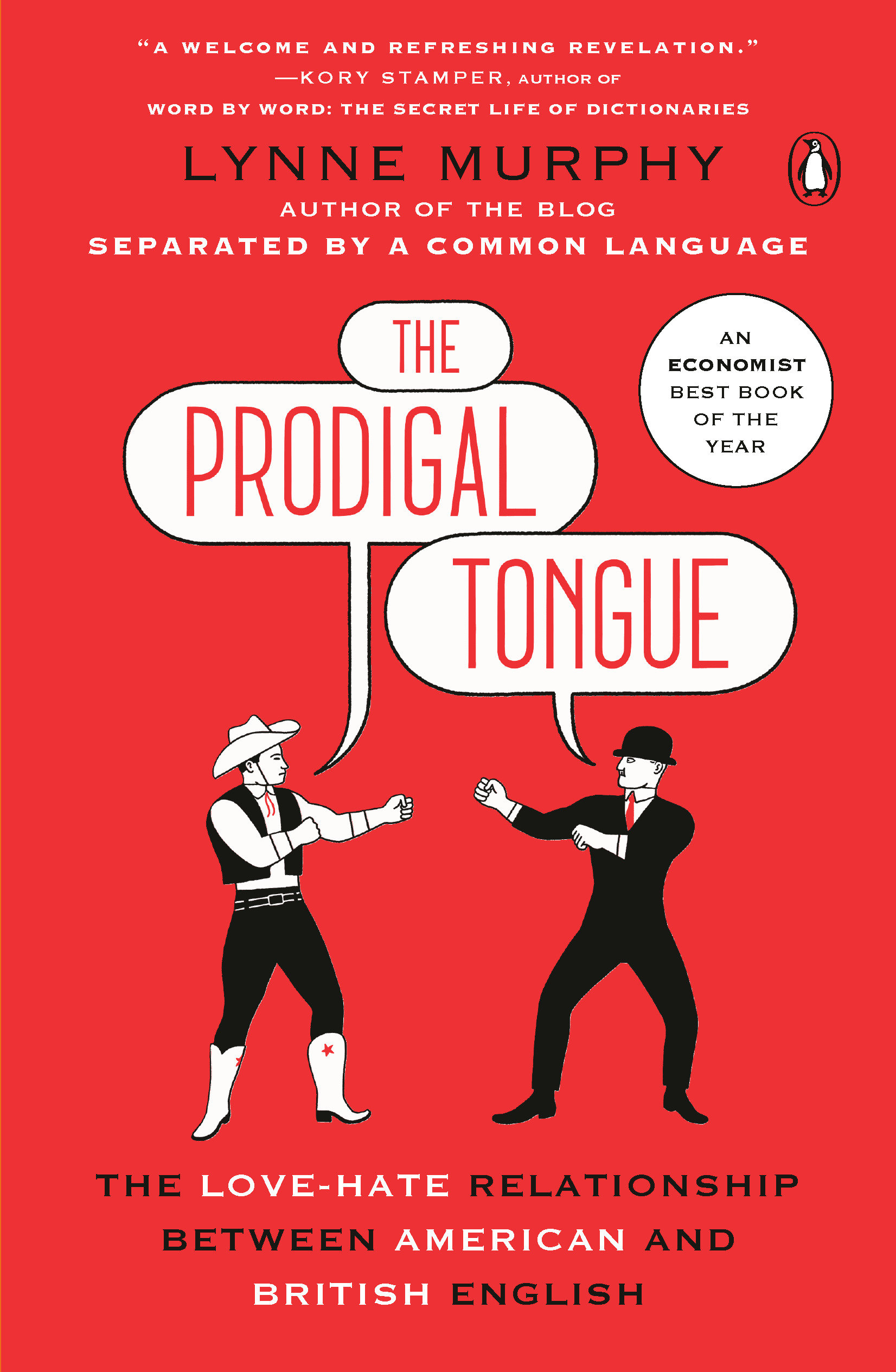
The Prodigal Tongue
Lynne Murphy · Penguin Publishing Group
Affinity signal
Sociolinguistics
Historical Linguistics