
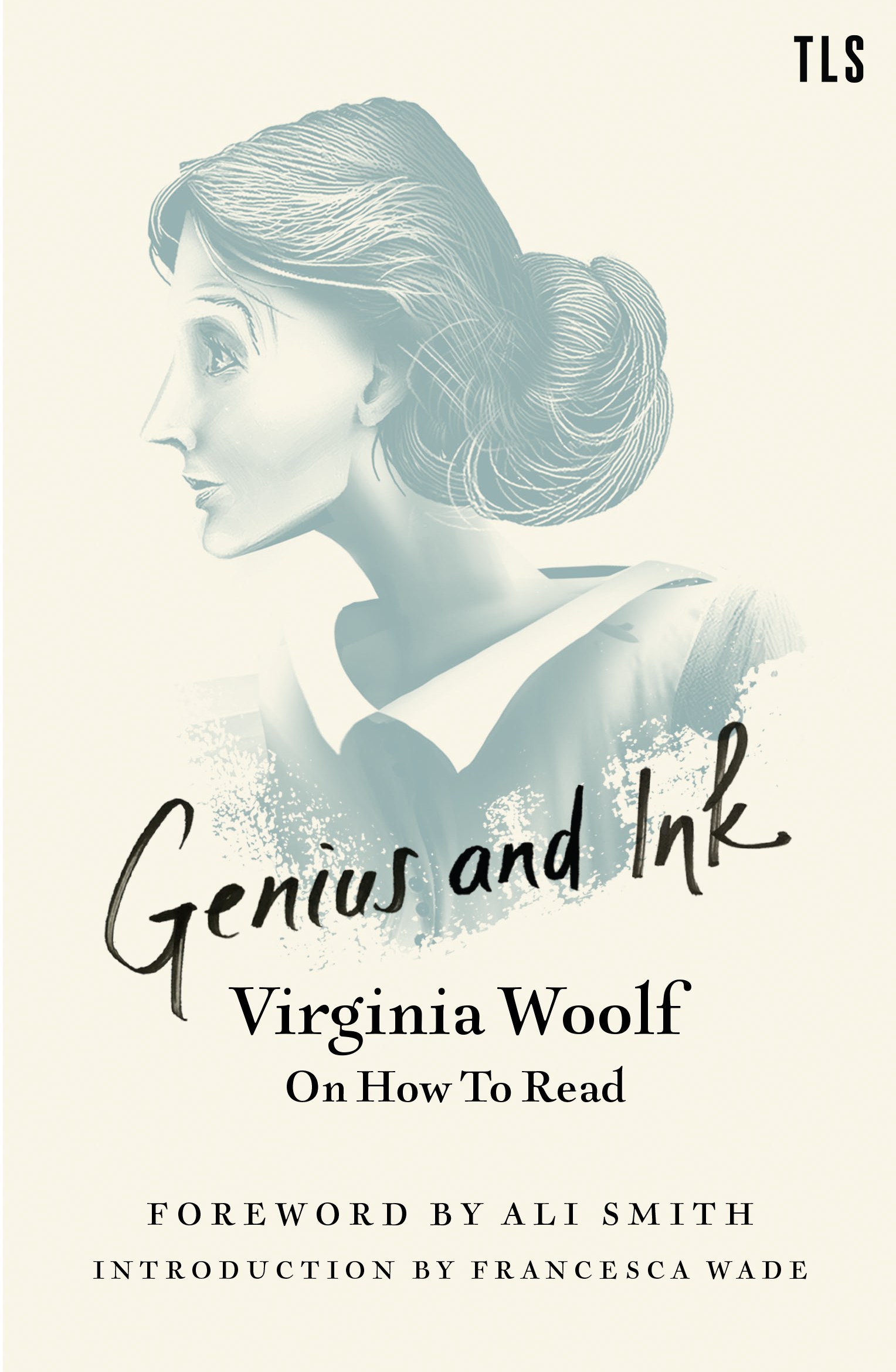
Book
Genius and Ink: Virginia Woolf on How to Read
Virginia Woolf, Francesca Wade, Ali Smith
HarperCollins Publishers · Paperback · November 12, 2020
Reading lane: British & Irish Literary Criticism
FOREWORD BY ALI SMITH WITH AN INTRODUCTION BY FRANCESCA WADE Who better to serve as a guide to great books and their authors than Virginia Woolf?
At a Glance
Why This Clicks
Reading Closely
A compact Woolf companion for reading closely, thinking sharply, and keeping your pencil nearby.
Come here for
- Woolf on reading, with a critic’s steady hand
- A serious, browsable guide to classic novels
Expect
- Nonfiction criticism, not a plot-driven read
- Layered, reference-friendly essays
Book Details
- Authors
- Virginia Woolf, Francesca Wade, Ali Smith
- Publisher
- HarperCollins Publishers
- Published
- November 12, 2020
- Format
- Paperback
- Theme
- British & Irish Literary Criticism · Women Authors Criticism
- Reading lane
- British & Irish Literary Criticism
Affinity
Publisher Categories
Lives in Journalism
Essay Collections
Feminist Lit Crit
British & Irish Literary Criticism
About This Book
FOREWORD BY ALI SMITH WITH AN INTRODUCTION BY FRANCESCA WADE Who better to serve as a guide to great books and their authors than Virginia Woolf? In the early years of its existence, the Times Literary Supplement published some of the finest writers in English: T. S. Eliot, Henry James and E. M. Forster among them. But one of the paper’s defining voices was Virginia Woolf, who produced a string of superb essays between the two World Wars. The weirdness of Elizabethan plays,...
Read full description
Similar Books

Mrs. Dalloway
Virginia Woolf · Start Publishing LLC
Affinity signal
World War I Historical Fiction
Women Authors Criticism
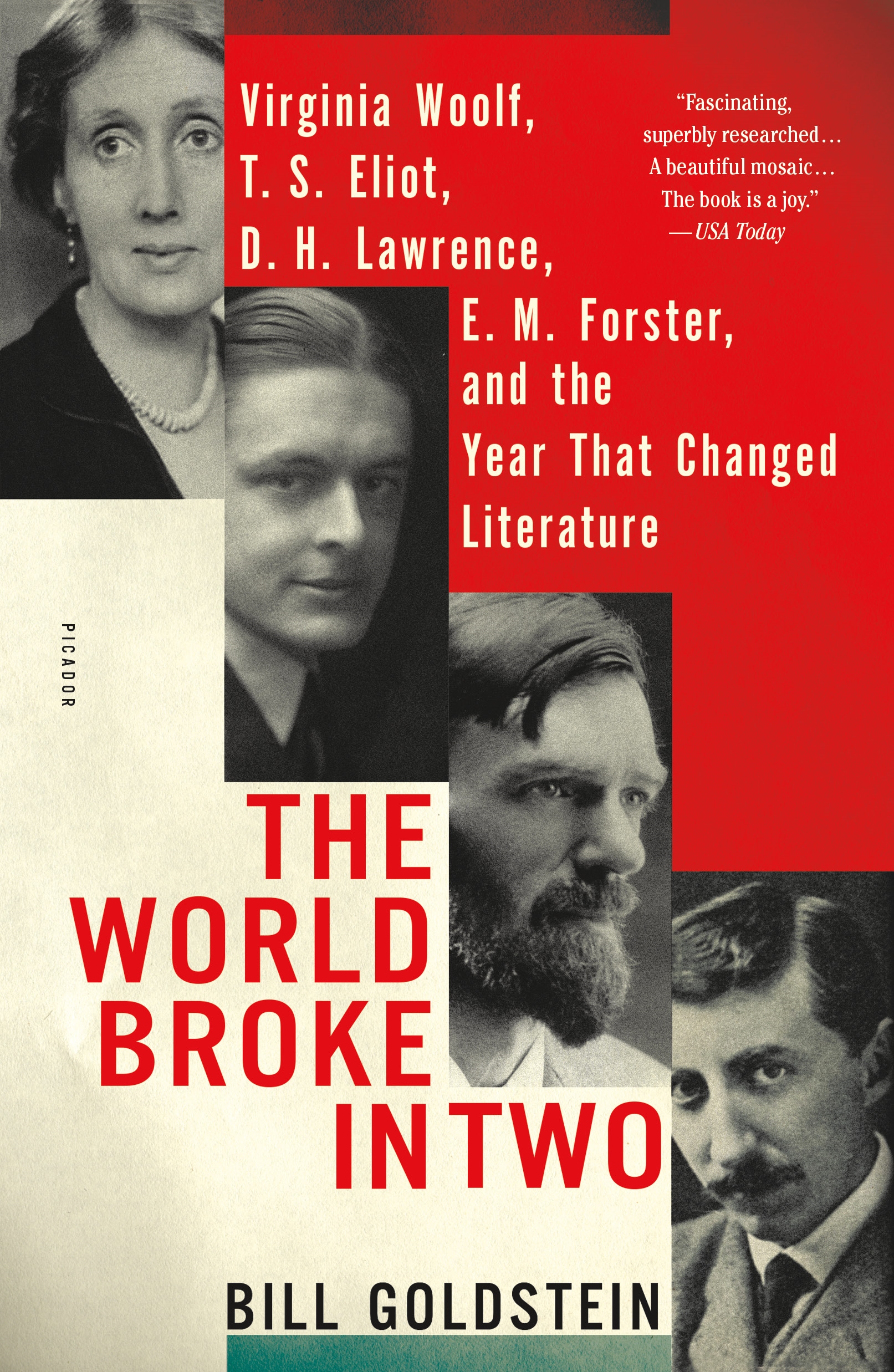
The World Broke in Two
Bill Goldstein · Picador
Affinity signal
British & Irish Literary Criticism
20th-Century Literary Criticism

Reading With Jane Austen
Elaine Bander · Bucknell University Press
Affinity signal
19th-Century English Fiction
18th Century Literature
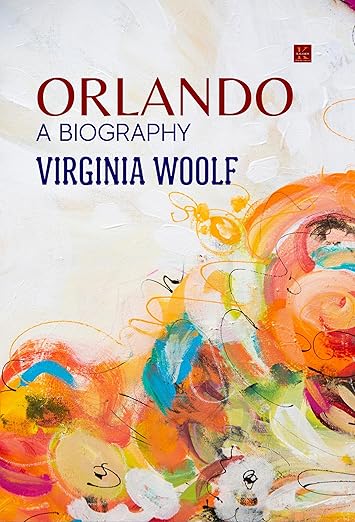
Orlando: a Biography
Virginia Woolf · Start Publishing PD
Affinity signal
Biographical Fiction
Historical Fiction