20th-Century Modern History
From a Europe sure of its golden future in 1900 to a reactor exploding before dawn in 1986, the century's costliest miscalculations.
Optimized for books about modern 20th century.
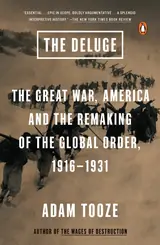
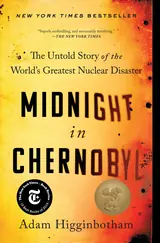
The twentieth century did not drift; it lurched, through decisions made in war ministries, central banks and imperial courts. These six books show how. Start in 1900 with The War That Ended Peace, where a Europe enjoying its most peaceful era since Rome fell talks itself into catastrophe. Follow the money with The Deluge, as the financial heart of the world shifts from London to New York and the old order buckles. Then stand at Chernobyl in the early hours of April 26, 1986, with Midnight in Chernobyl. Between them sit continent-wide and world-spanning surveys and a sharp dissection of fascism, built for anyone who wants to know why it all kept happening.
Our reading of each book:Come here forExpectWhere it sits
The War That Ended Peace
by Margaret MacMillanAdmiral Jacky Fisher, fierce champion of naval reform, helped drive an arms race with Germany that pushed the continent toward confrontation on land and sea. He is one figure in a crowded, vivid cast: the mercurial Kaiser Wilhelm II, Von Moltke the Younger, a dogged Franz Joseph working to hold his empire together, Tsar Nicholas II. MacMillan follows the diplomats, bankers and interrelated crowned heads who held a long peace in their hands and let it slip.
Where it sits:World War I History20th-Century HistoryDiplomacyIn Europe
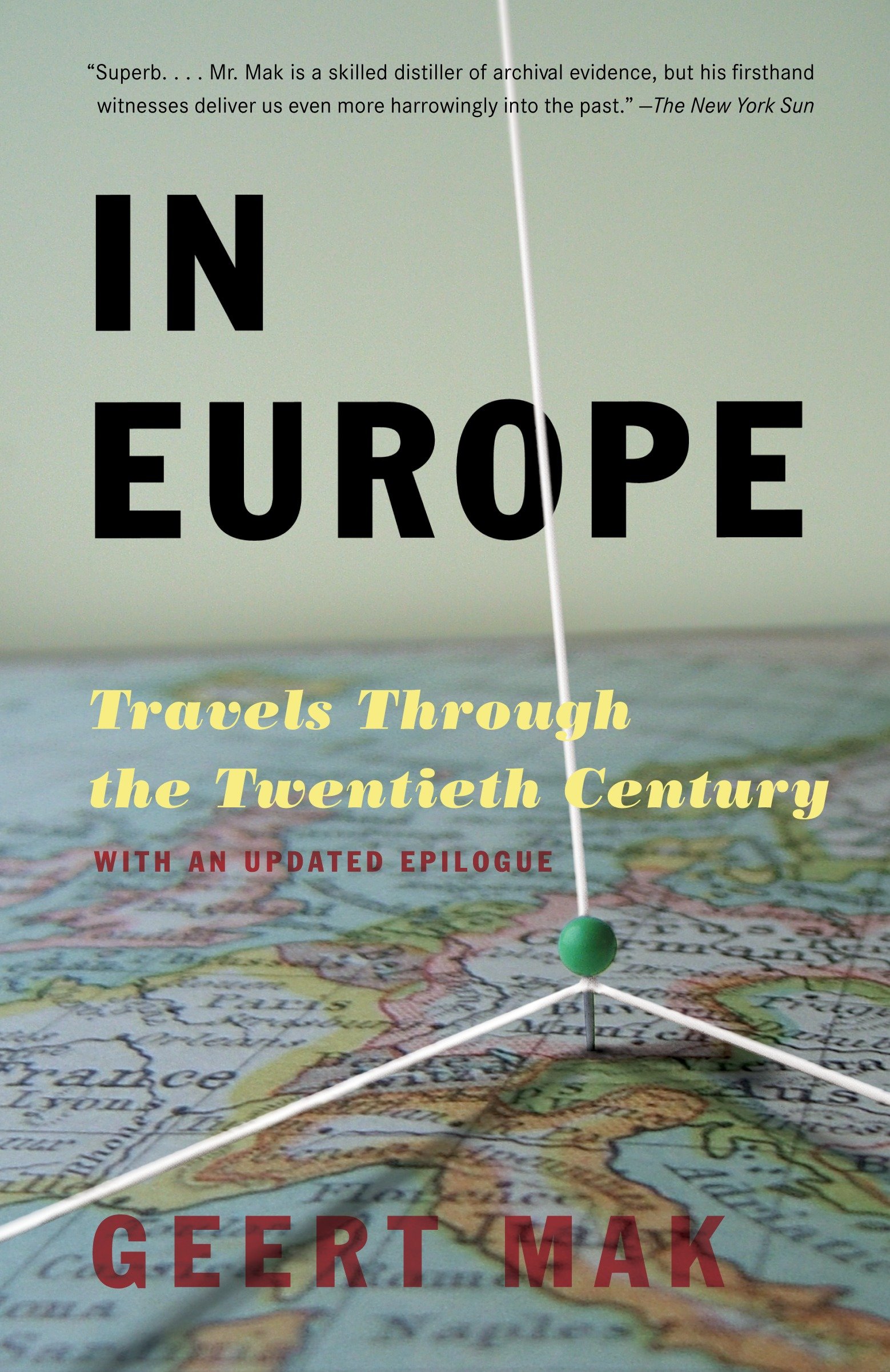
by Geert MakNeat rows of tiny shoes in an abandoned nursery school in the shadow of Chernobyl. A former ticket-taker at the gates of Birkenau. Geert Mak collects moments like these as he crisscrosses the continent from Verdun to Berlin, Saint Petersburg to Srebrenica, pinning the century's epic arc to the people who lived it. His journalist's method turns a half-forgotten past into something witnessed, full of odd peculiarities, sudden insights and touching encounters.
Come here for: Cultural-literacy sweepExpect: Measured explanationWhere it sits:20th-Century HistoryEuropean HistoryEurope TravelModern Times Revised Edition
by Paul JohnsonWhat drove the twentieth century: its events, its ideas or the personalities who seized them? Paul Johnson refuses to choose, weaving all three into a single world history that has long held its place as a classic. Each layer explains the next, so an upheaval arrives alongside the thinking behind it and the figures who acted on it. Keep it close for the connective tissue between headlines already half-known.
Come here for: A broad, stitched-together view of the twentieth centuryExpect: Wide-angle chronologyThe Deluge
by Adam ToozeIn the depths of the Great War, the center of the financial system moved from London to New York. Adam Tooze picks up the thread when the United States enters the war in 1917 and tracks a world struggling to accept American economic and military power, from societies buckling far from the front to the slide into fascism and the edge of global financial ruin. The familiar story of the war and its peace comes out looking very different.
Come here for: Big-system history, tightly arguedExpect: Patient, expansive synthesisWhere it sits:World War I HistoryEconomic History20th-Century HistoryMidnight in Chernobyl
by Adam HigginbothamEarly in the morning of April 26, 1986, Reactor Number Four exploded, and secrecy settled over the truth almost as fast as the fallout. Adam Higginbotham spent more than ten years gathering interviews, letters, unpublished memoirs and declassified documents to cut through it, telling the disaster through the men and women who witnessed it. What emerges is more complex and more human than the nightmare shorthand Chernobyl became.
Come here for: Clear historical sweepExpect: Cultural-literacy contextWhere it sits:Nuclear Physics20th-Century HistoryRussian HistoryThe Anatomy of Fascism
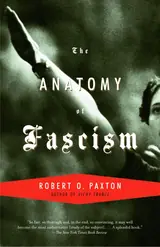
by Robert O. PaxtonFascism, Robert O. Paxton writes, was "the major political innovation of the twentieth century, and the source of much of its pain." Rather than parse its speeches, he watches what fascists did: uniformed bands beating up "enemies of the state," Mussolini's rise to power, Germany's radicalization during World War II. He pins down why fascists took power in some countries and not others, and asks whether the movement could exist outside the Europe that bred it.
Come here for: Accessible political historyExpect: Study-friendly pacing



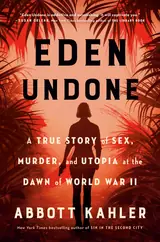
Eden Undone
by Abbott KahlerCome here for: Utopia curdling into murderExpect: World War II-era historical backdropRome 1960
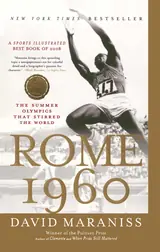
by David MaranissCome here for: Olympic competition tangled with Cold War politics and cultural changeExpect: A sweeping narrative of athletes, competition, and the forces reshaping the OlympicsWhere it sits:OlympicsItalian History20th-Century HistoryThe Dawn Watch
by Maya JasanoffCome here for: Literary history with a global angleExpect: Cultural context over cradle-to-grave detailA Thousand Lives
by Julia ScheeresCome here for: The human stakes behind Jonestown’s historyExpect: A vivid account centered on the people who lived thereBlood and Ruins
by Richard OveryCome here for: Imperial war as a sweeping frameExpect: Prestige-level history writingThe Spanish Civil War
by Hugh ThomasCome here for: A sustained account of a conflict that helped shape twentieth-century EuropeExpect: Moving detail and analysis, without losing sight of the wider stakesAt the Existentialist Café
by Sarah BakewellCome here for: Philosophy with a conversational liltExpect: Instruction without the classroom varnishWhere it sits:ExistentialismPhilosophers' Lives20th-Century HistoryA Short History of World War II
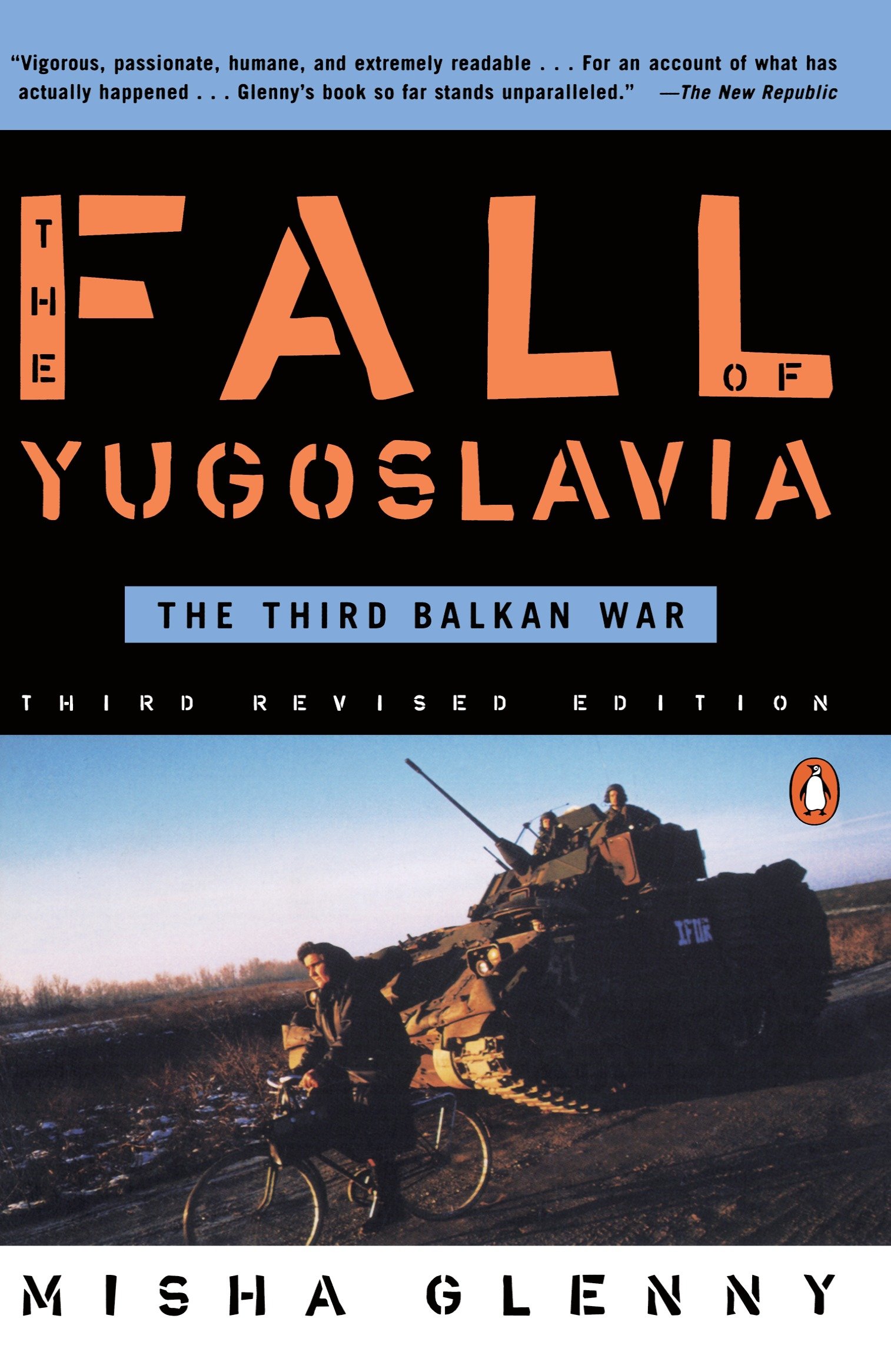
by James L. StokesburyCome here for: Cultural-literacy contextExpect: A focused, explanatory readWhere it sits:World War II HistoryMilitary History20th-Century HistoryThe Fall of Yugoslavia
by Misha GlennyCome here for: A sobering account of the Balkan Crisis and ensuing warExpect: Eyewitness narrative alongside impartial analysisHow to Be a Dictator
by Frank DikötterCome here for: Cult-of-personality politics, stripped to essentialsExpect: Insight over flourishWhere it sits:Fascism & TotalitarianismPropaganda20th-Century HistoryLast Witnesses
by Svetlana AlexievichCome here for: An oral history built from dozens of childhood memoriesExpect: A layered chorus of personal testimonyWhere it sits:World War II HistoryRussian History20th-Century HistoryA Night to Remember
by Walter LordCome here for: Titanic final-hours accountExpect: Layered historical detailThe Great Departure
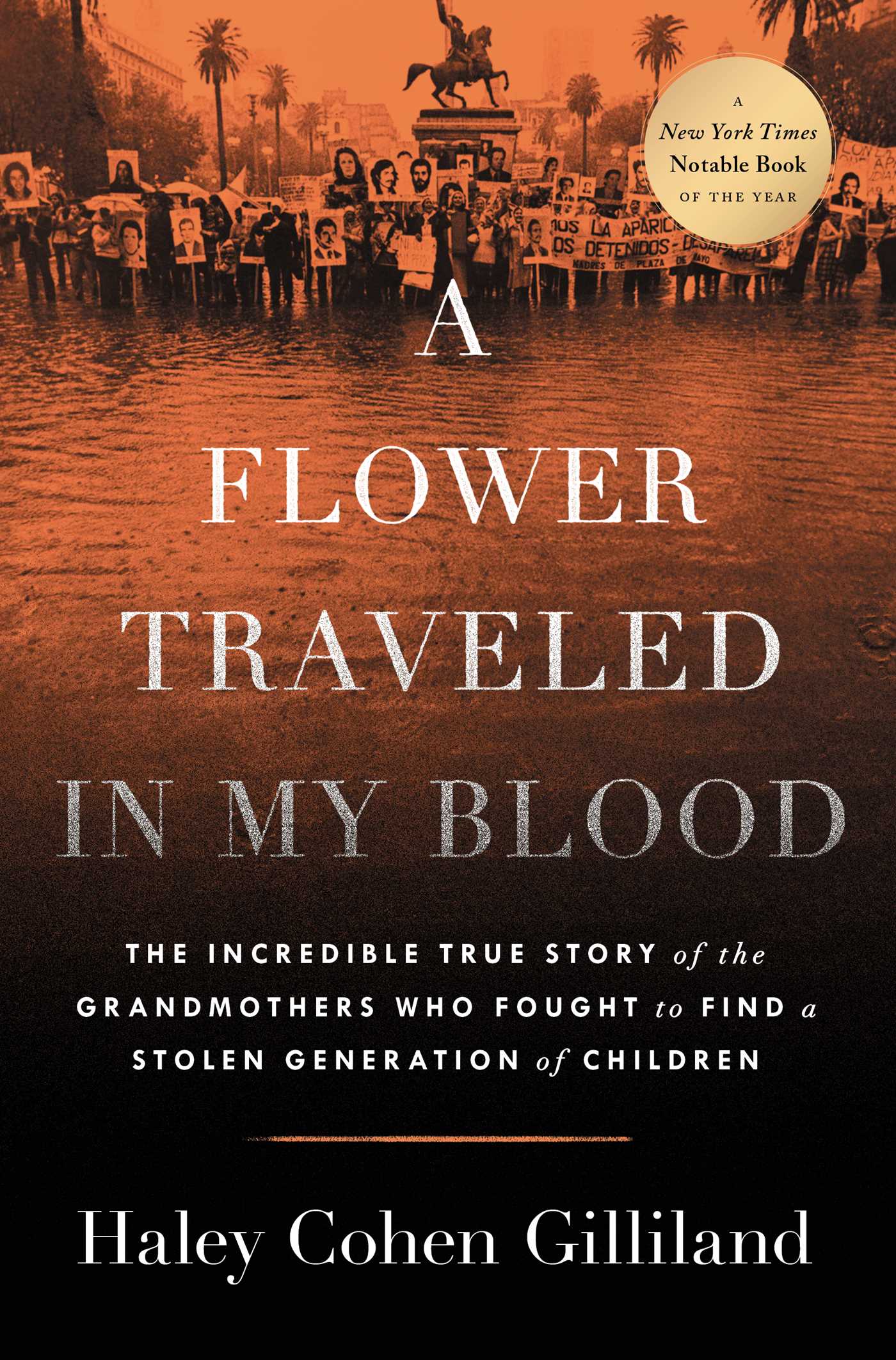
by Tara ZahraCome here for: Migration, freedom, and Europe’s modern shapeExpect: Sustained narrative arcA Flower Traveled in My Blood
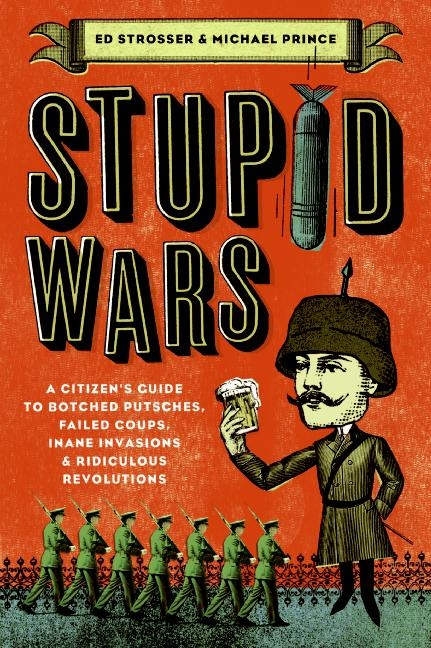
by Haley Cohen GillilandCome here for: Grandmothers as relentless seekersExpect: Nonfiction anchored in political livesWhere it sits:South American History20th-Century HistoryActivist LivesStupid Wars
by Ed Strosser, Michael PrinceCome here for: Foolish strategies, alliances, and decisions across erasExpect: Brief, blow-by-blow accounts of botched wars and invasionsGermany 1923
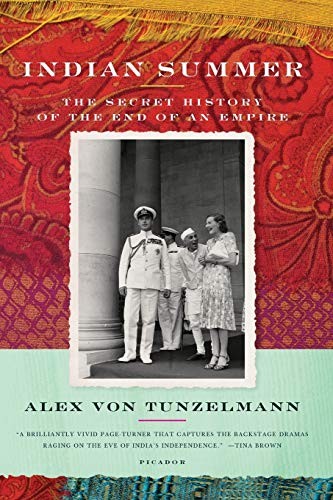
by Volker UllrichCome here for: Hyperinflation and democratic fragility in the same frameExpect: A panoramic history of an explosive yearIndian Summer
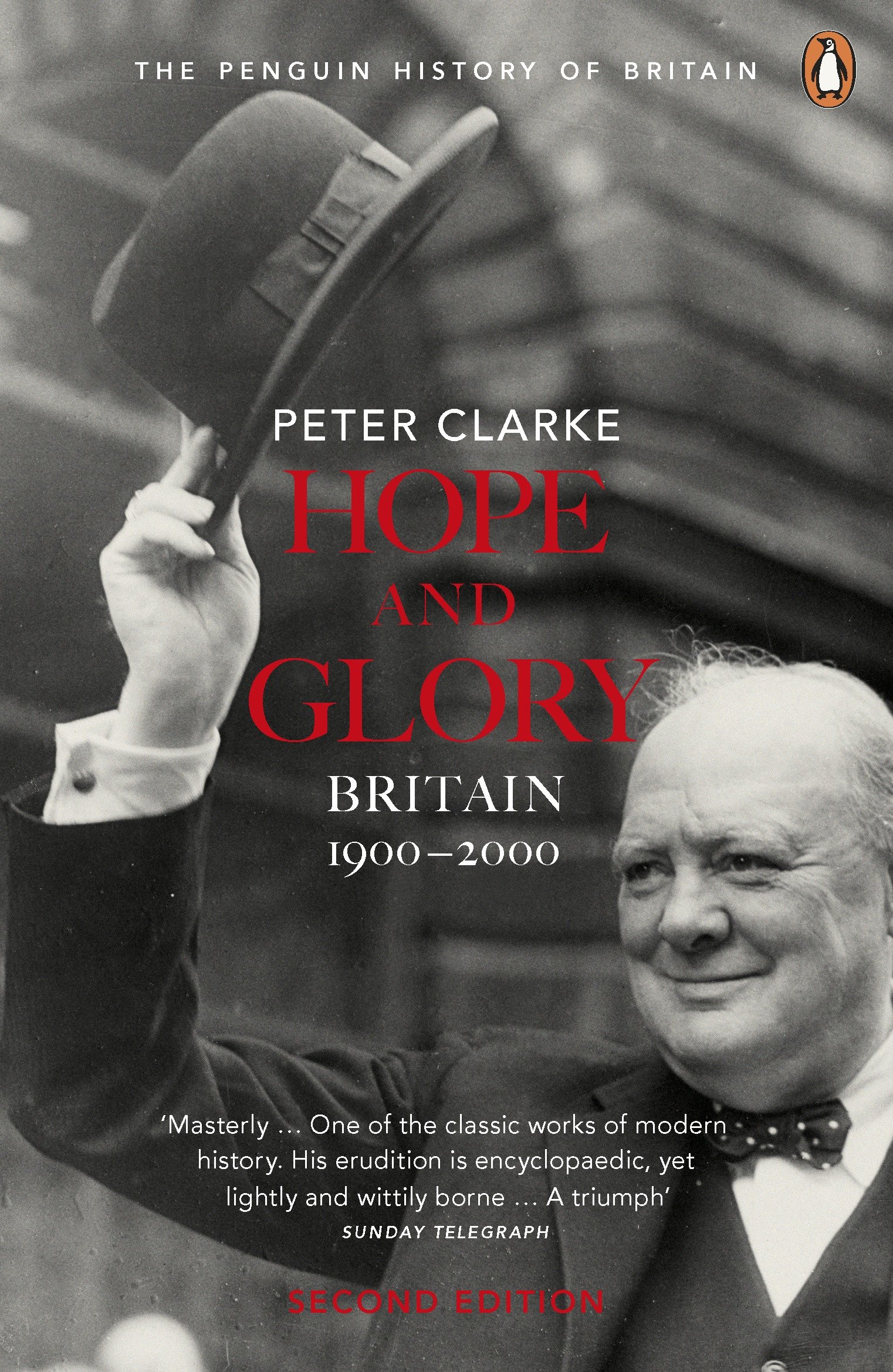
by Alex Von TunzelmannCome here for: History-pick framingExpect: Sustained narrative readHope and Glory
by Peter ClarkeWhere it sits:20th-Century BritainSocial History20th-Century History20th Century Black Lamb Grey Falcon
by Rebecca WestCome here for: Cultural context, not just datesExpect: Insightful explanationThe Flight 981 Disaster
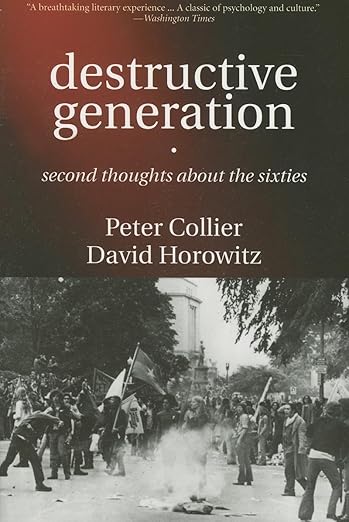
by Samme ChittumDestructive Generation
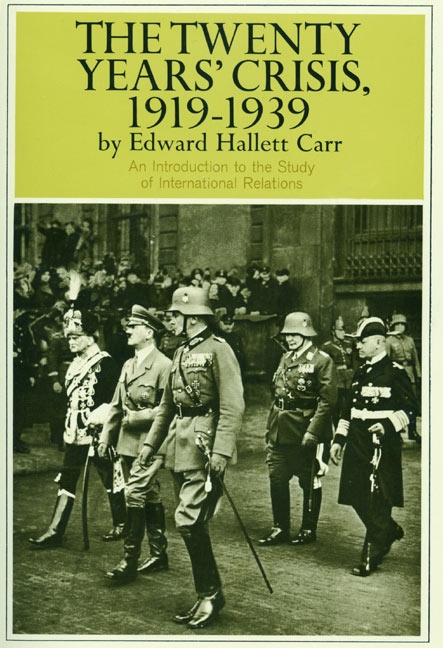
by Peter Collier, David HorowitzWhere it sits:Radical PoliticsSocial History20th-Century HistoryTwenty Years' Crisis, 1919-1939
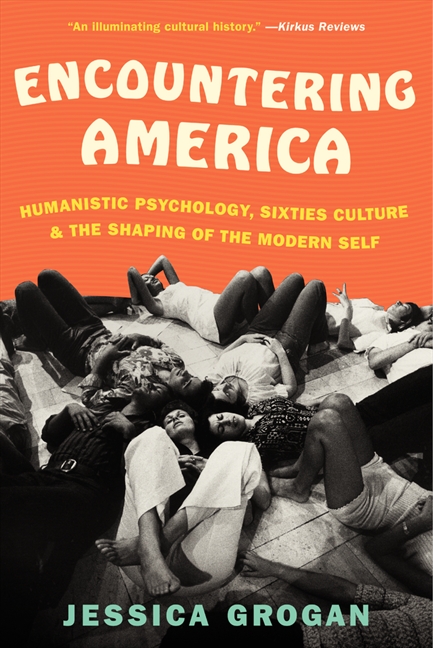
by Edward H. CarrCome here for: Interwar diplomacy, not just datesExpect: History with a strong interpretive spineEncountering America
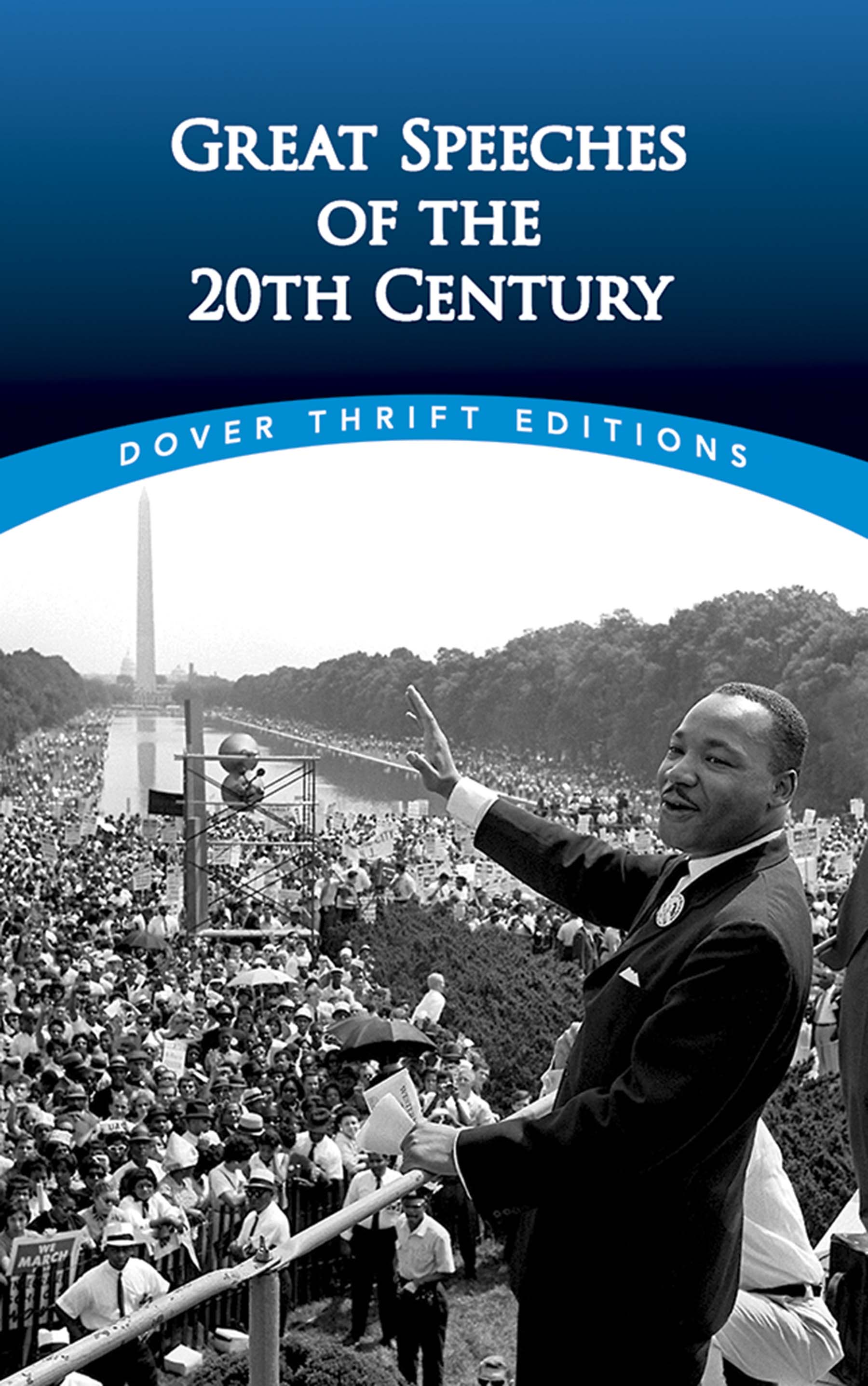
by Jessica GroganCome here for: Profiles Abraham Maslow, Rollo May, and Timothy LearyExpect: A history of the movement's influence on American cultureGreat Speeches of the 20th Century
by Bob BlaisdellWhere it sits:Speeches CollectionLanguage Arts20th-Century HistoryThe History of Cuba
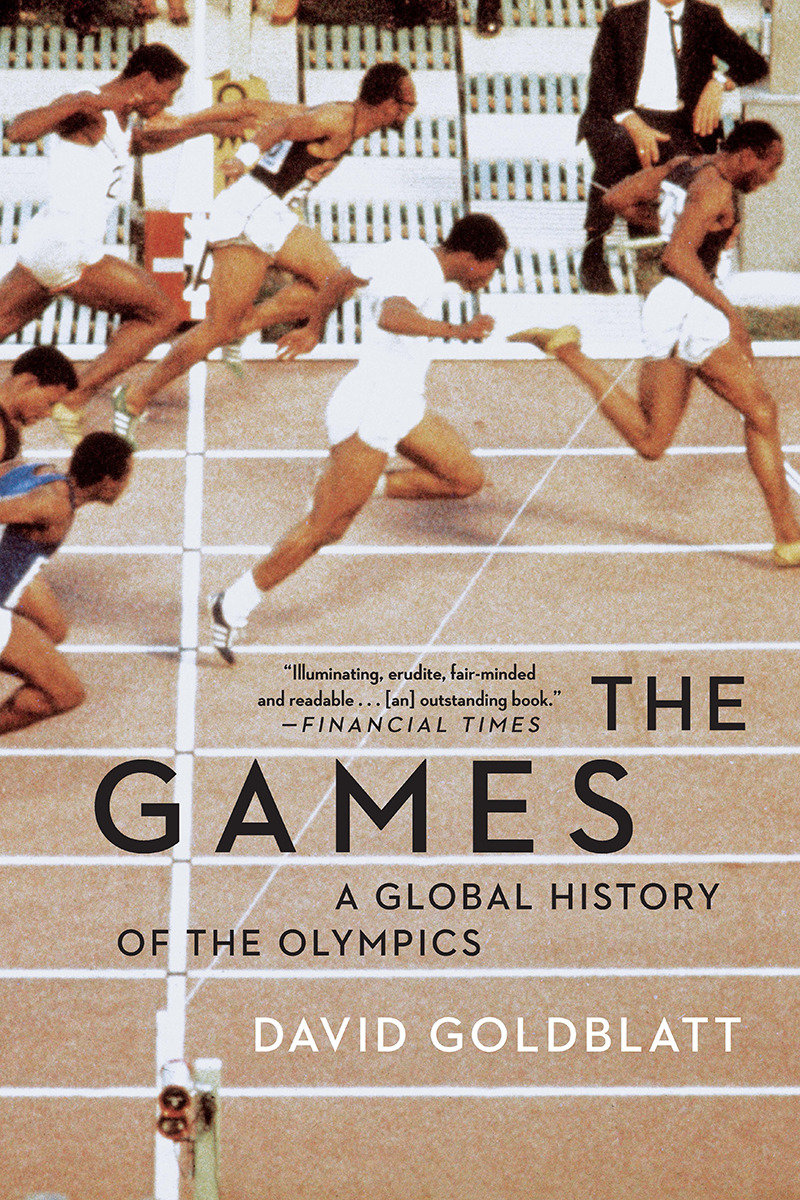
by Clifford L. StatenThe Games
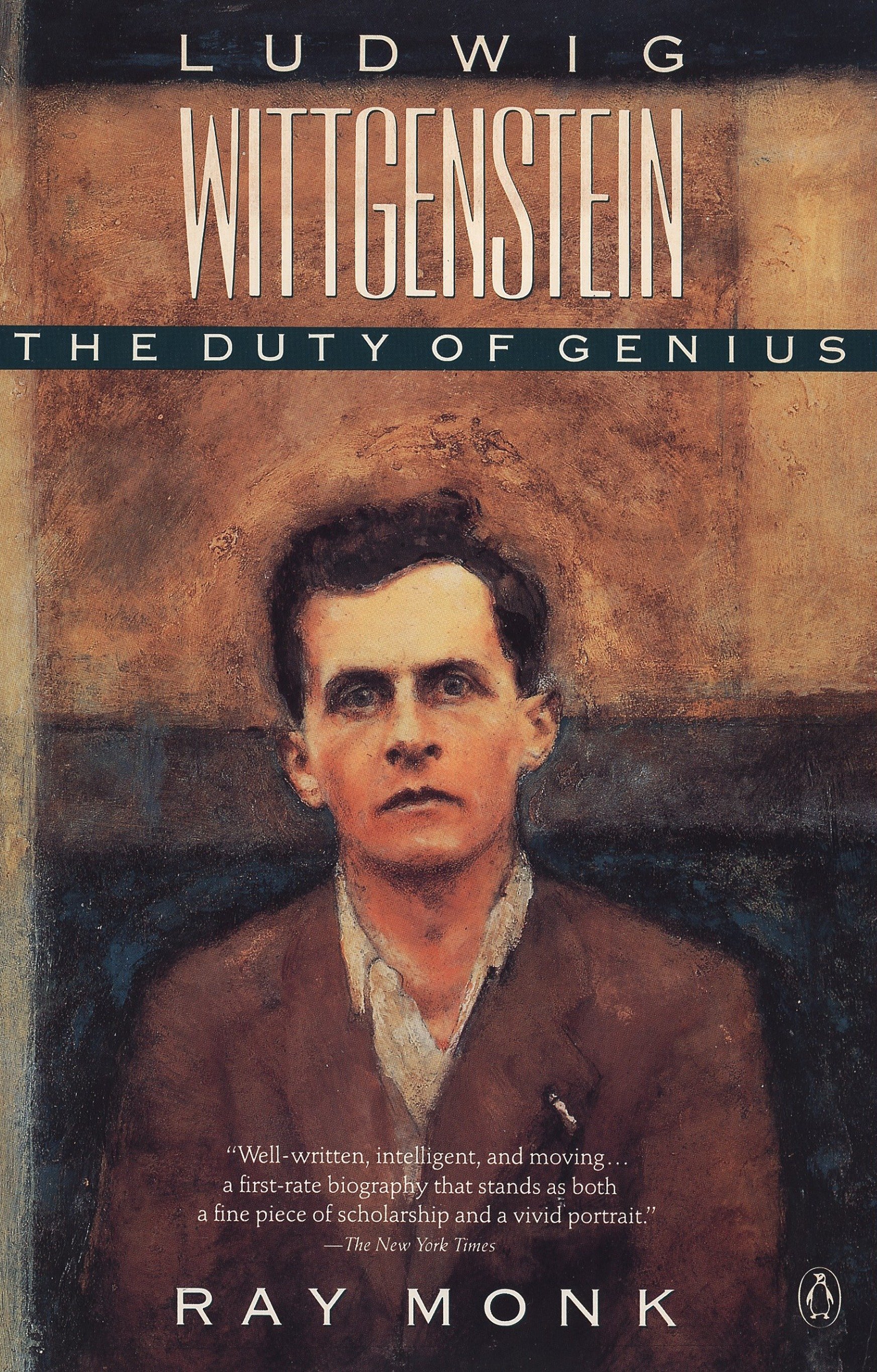
by David GoldblattCome here for: The Games’ long history, from Athens in 1896 to Rio in 2016Expect: Sports history in conversation with domestic and international conflictsWhere it sits:OlympicsSports History20th-Century HistoryLudwig Wittgenstein
by Ray MonkCome here for: Philosophical biography with a literary-critical edgeExpect: Insight over plotWar and Progress
by Peter DeweyCome here for: Everyday life in Britain from 1914 to 1945Expect: A more positive account of economic changeWhere it sits:Social History20th-Century HistoryEconomic HistoryExistential America
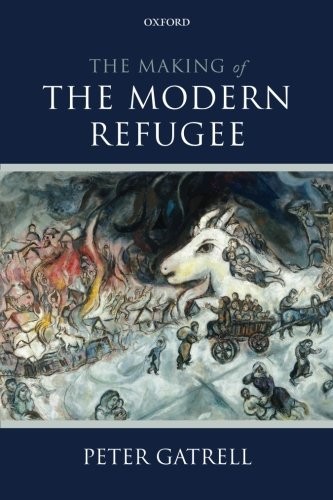
by George CotkinCome here for: Existentialism in the works of Richard Wright and Ralph EllisonExpect: A history extending from early American thinkers to contemporary cultureWhere it sits:Existentialism20th-Century HistoryModern PhilosophyThe Making of the Modern Refugee
by Peter GatrellCome here for: The twentieth-century refugee regime linking governmental practice and humanitarian reliefExpect: Coverage from Europe and the Middle East to South and Southeast AsiaParis Journal, 1956-65
by Janet (Genet) FlannerWhere it sits:French History20th-Century HistoryFrance TravelA Short History of World War I
by James L. StokesburyCome here for: Short-form World War I overviewExpect: Concise historical framingWhere it sits:World War I HistoryMilitary History20th-Century History