American Revolutionary History
The Revolution runs here from Paine's 1776 pamphlet through Trenton and Princeton to the founders' bitter feuds of the 1790s.
Optimized for books about revolutionary period (1775-1800).
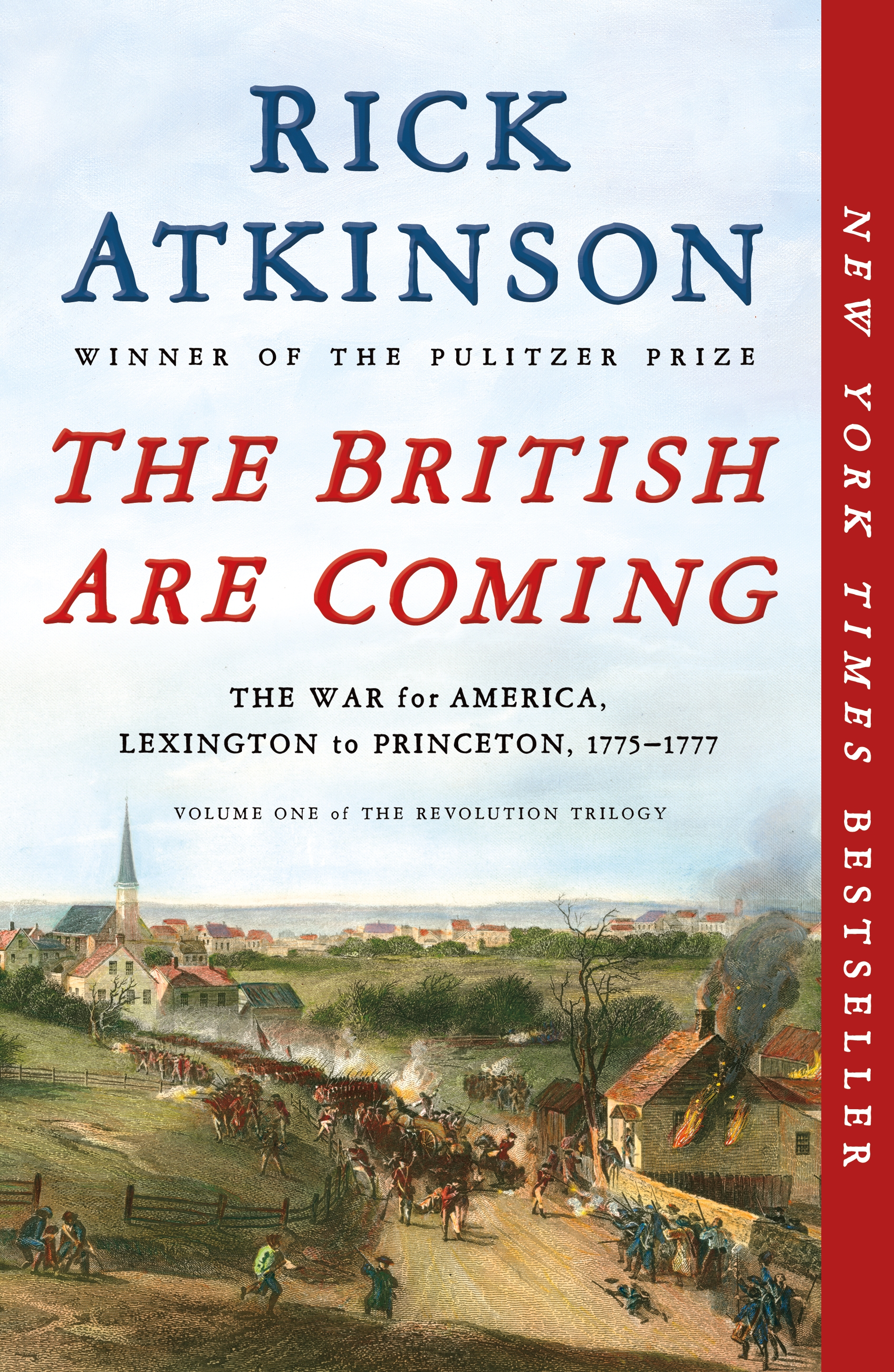
Between 1775 and 1800, a colonial rebellion became a working government, and these six books cover nearly every stage of it. There are the campaigns, told from both the Continental and the redcoat side. There are the founders in their alliances and their quarrels, and there is the pamphlet that pushed colonists toward independence. If you like knowing who stood where at Princeton and why Madison moved to block Franklin on slavery, start with The British Are Coming, whose cast runs from Henry Knox to Franklin, and Founding Brothers, six episodes from the decade after the war. Then go to the source: Common Sense is the argument itself, as printed in 1776.
Our reading of each book:Come here forExpectWhere it sits
Founding Brothers
by Joseph J. EllisIn 1790 the United States was more a fragile hope than a reality, and Founding Brothers watches seven gifted, flawed men try to make it work. Ellis builds the book from six episodes: the Hamilton–Burr duel, Washington's Farewell Address, the fight over where to put the capital, Franklin pressing Congress on slavery while Madison moved to block him, Adams governing alongside his wife, and the famous Jefferson–Adams correspondence.
Come here for: Tight Revolutionary-era contextExpect: Historical argument over hero worship1776
by David McCulloughFarmers, schoolteachers, shoemakers, no-accounts and mere boys make up the army at the heart of 1776, and McCullough keeps them in view alongside George Washington through the year when the whole cause rode on their survival. He works from American and British archives alike, so William Howe and his disciplined redcoats get their due as fighters rather than caricatures. It was written as a companion to McCullough's biography of John Adams.
Come here for: McCullough’s lucid, steady narrative voiceExpect: Careful scene-settingThe British Are Coming
by Rick AtkinsonWhat does a former bookseller know about artillery? A great deal, as Henry Knox proves in The British Are Coming, the first volume of Atkinson's Revolution Trilogy. The cast also includes Nathanael Greene, the blue-eyed bumpkin turned battle captain, Franklin at his wiliest as a diplomat, and a Washington learning command when the war looks lost. The British get their own vantage point across these twenty-one months, which sharpens every clash between redcoat and rebel.
Come here for: Military history with broad Revolutionary-era sweepExpect: Lexington-to-Princeton arcKilling England
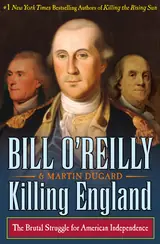
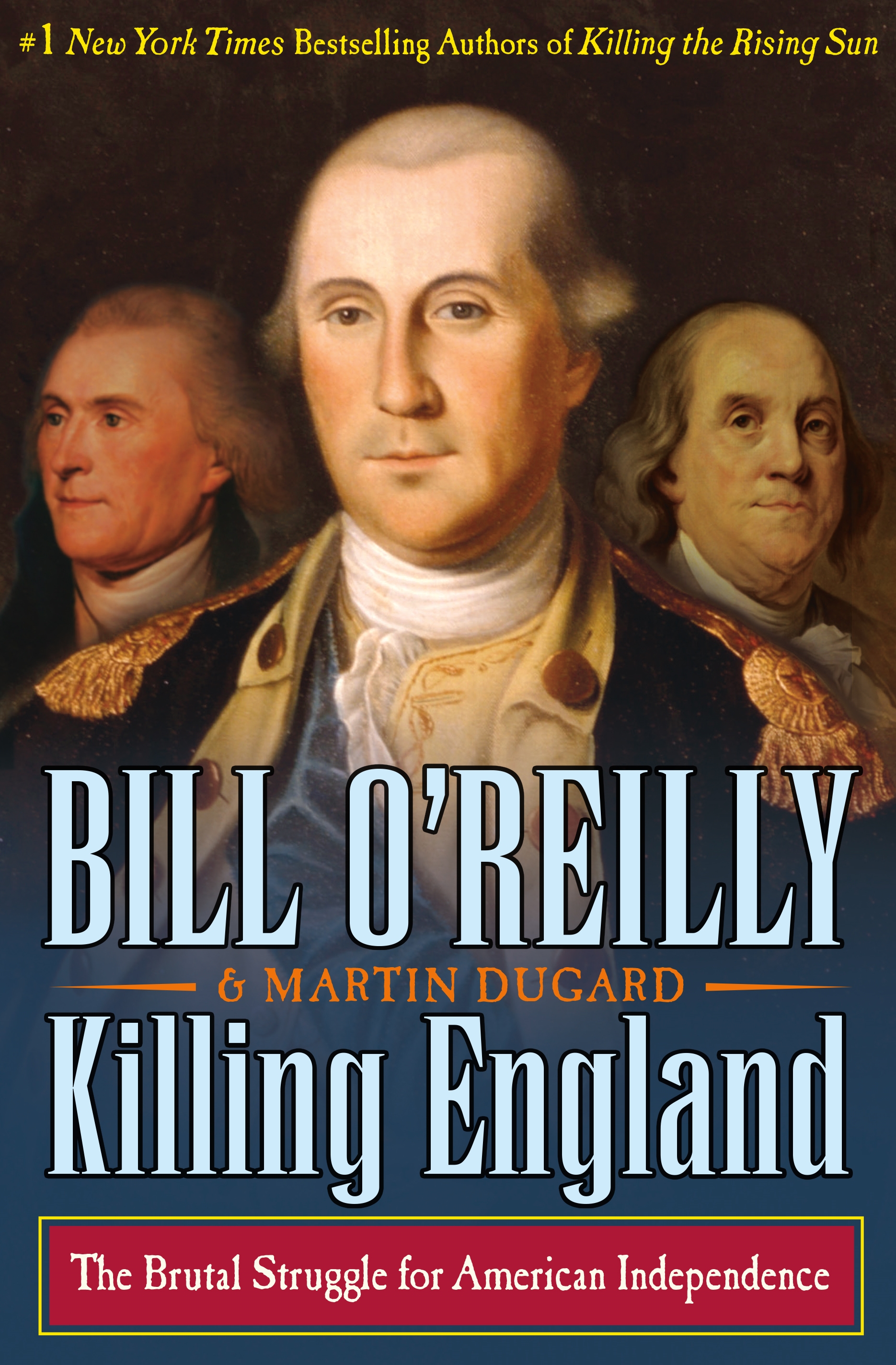
by Bill O'Reilly, Martin DugardFrom colonial protest to world war, Killing England follows the fight through four sets of eyes: Washington, Franklin, Jefferson and King George III. The landmark battles, Bunker Hill, Long Island, Saratoga and Yorktown, arrive with the savagery of hand-to-hand combat left in, and the cast widens to Benedict Arnold's treachery and the Swamp Fox's guerrilla raids. It suits you best if you want the whole war, royal courts included, in a single accessible telling.
Come here for: Colonial-to-Revolutionary era contextExpect: Clear narrative momentumBenjamin Franklin
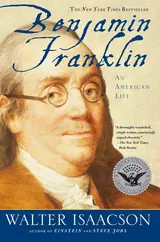
by Walter IsaacsonStart with a runaway apprentice and end with a man who was, by turns, writer, inventor, media baron, scientist and diplomat: that is the arc of Benjamin Franklin. For this list's period, the payoff is Franklin's revolutionary work, from the wisdom behind the Declaration to the French alliance, the treaty that ended the war and the compromises that produced the Constitution. Isaacson moves him from Boston and Philadelphia to London and Paris with color and intimacy.
Come here for: A portrait of Franklin beyond the marble-founder versionExpect: A sweeping narrative across an eighty-four-year lifeCommon Sense
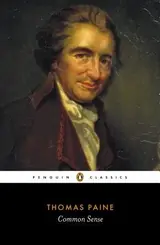
by Thomas Paine, Isaac KramnickFifty-six editions in a single year, all from a pamphlet published without its author's name. Common Sense is Paine making the case for independence in 1776, and the principles of fundamental human rights he lays out here are the ones he later shaped into Rights of Man. This Penguin Classics edition adds a scholarly introduction and notes, useful footing for a text that helped spark the movement for independence.
Come here for: Classroom-ready political edgeExpect: Philosophy and political history




The Constitution of the United States and The Declaration of Independence
by Delegates of The Constitutional Convention, Founding FathersCome here for: Founding texts, side by sideExpect: Formal, familiar languageThomas Jefferson
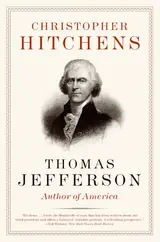
by Christopher HitchensCome here for: A founding figure seen through the tensions between principle and practiceExpect: A readable portrait of a complex public figureJohn Adams
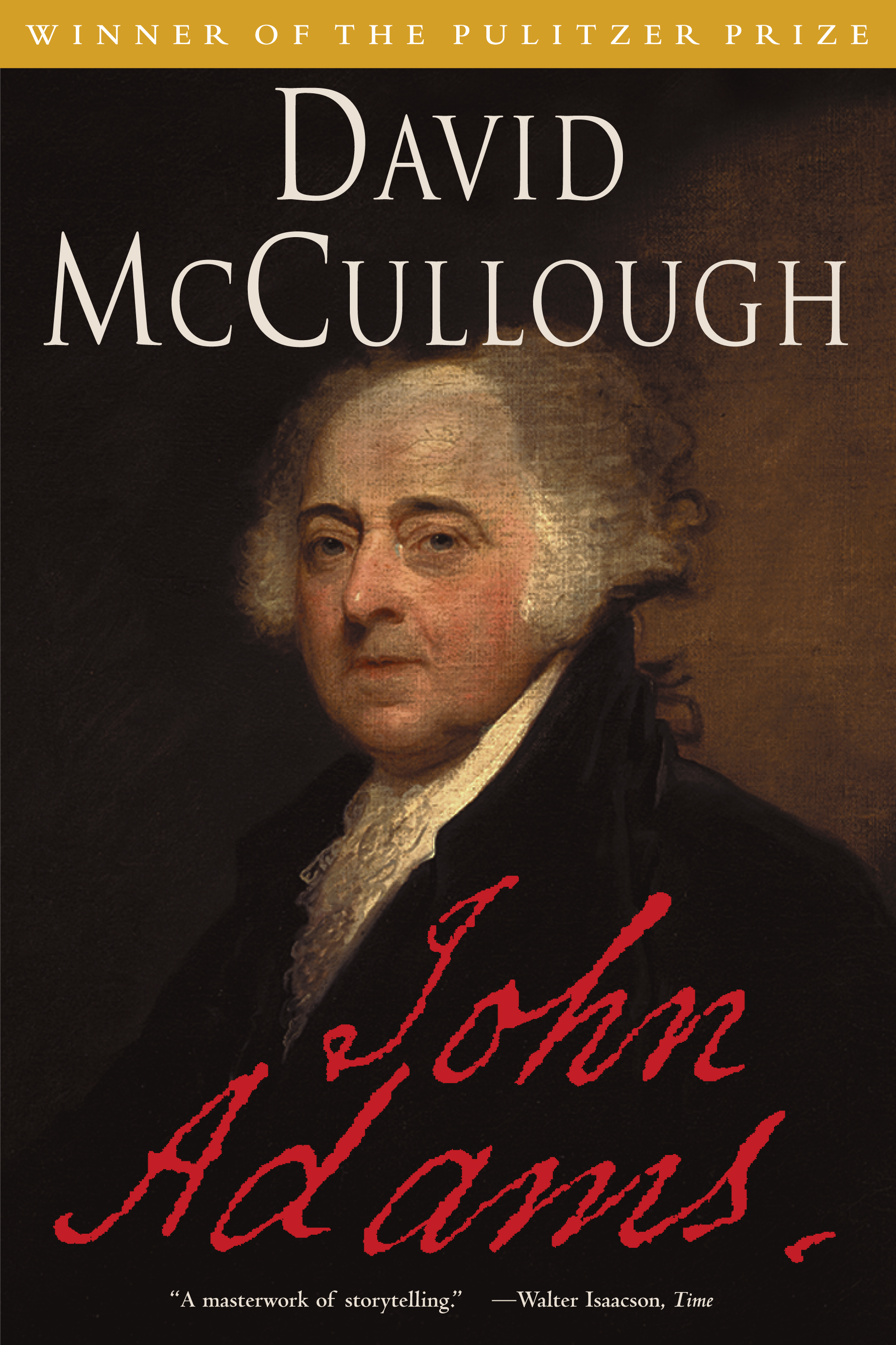
by David McCulloughCome here for: John Adams as a serious history readExpect: Cultural literacy with plenty to discussThe American Revolution
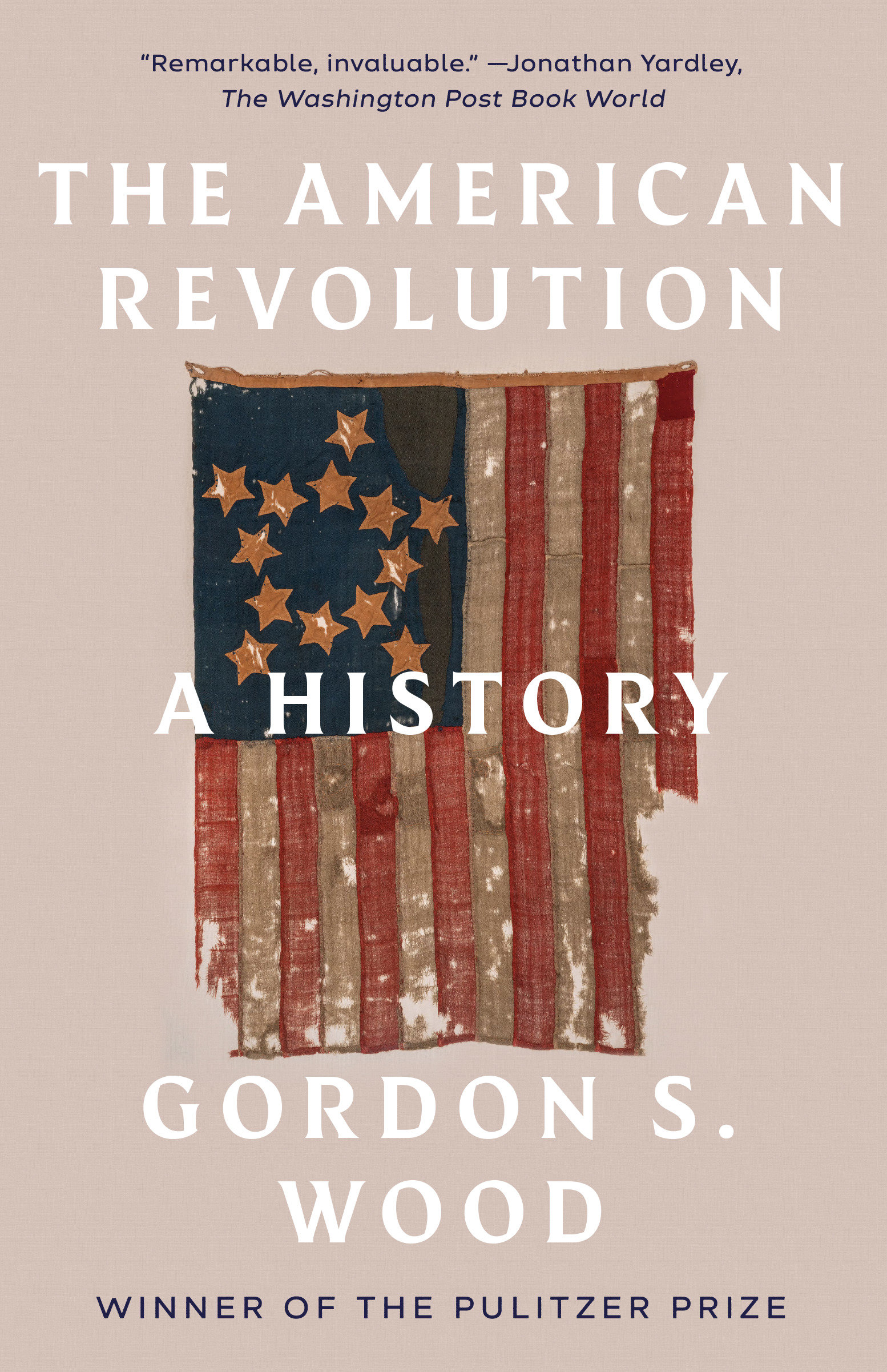
by Gordon S. WoodCome here for: Clear-eyed Revolutionary America contextExpect: Steady interpretationBunker Hill
by Nathaniel PhilbrickCome here for: New England history with Revolutionary War momentumExpect: Insight over triviaValiant Ambition
by Nathaniel PhilbrickCome here for: Washington and Arnold, in tensionExpect: Insight over triviaWashington's Crossing
by David Hackett FischerCome here for: Revolutionary America, closely trackedExpect: Cultural literacy without the lectureAmerican Revolutions
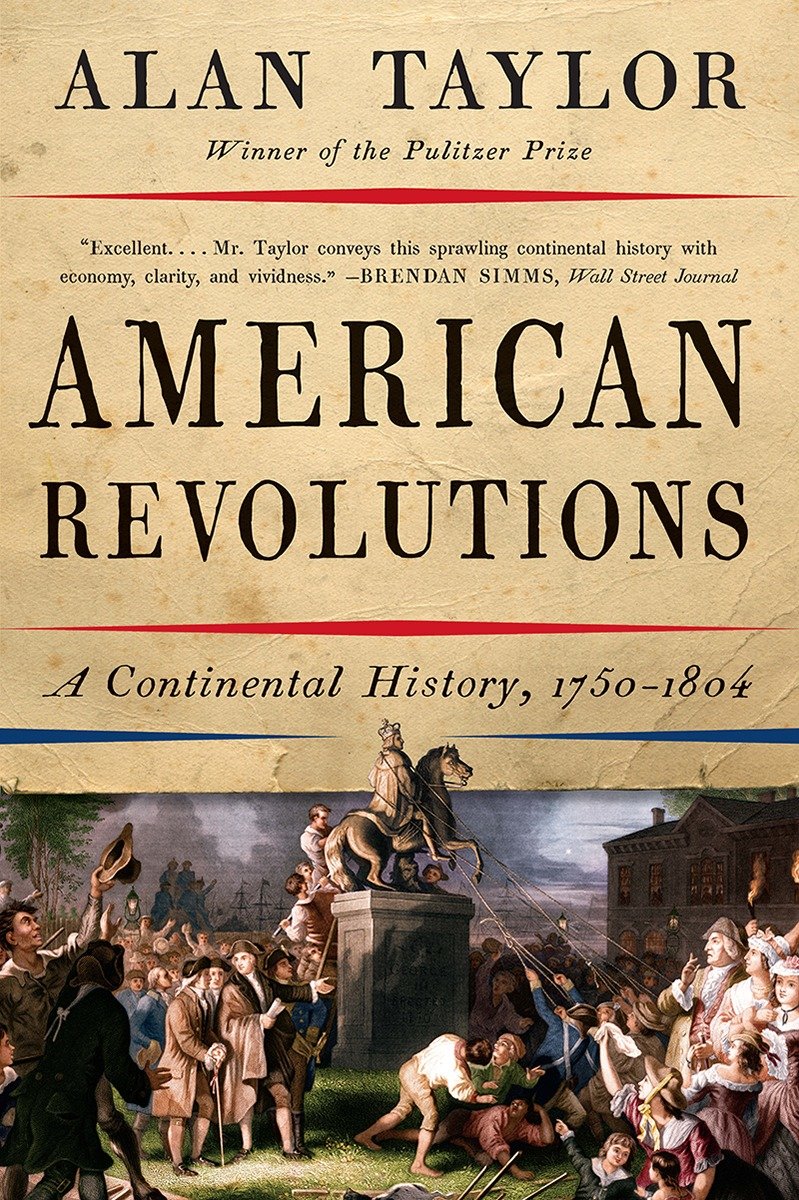
by Alan TaylorCome here for: Continental sweep, not a tight chamber pieceExpect: Context over quick takesLafayette in the Somewhat United States
by Sarah VowellCome here for: History with a dry smileExpect: Accessible, layered narrationThe Cause
by Joseph J EllisCome here for: Revolution-era context, sharply drawnExpect: Insight over pageantryThe First Conspiracy
by Brad Meltzer, Josh MenschCome here for: Revolutionary America with a thriller’s pulseExpect: Cultural shorthand and executive-era contextThese Truths
by Jill LeporeCome here for: Layered historical sweepExpect: Cultural literacy payoffThomas Jefferson: The Art of Power
by Jon MeachamCome here for: The person behind the public legacyExpect: A layered portrait of a complicated FounderWashington
by Ron ChernowCome here for: Cultural-literacy anchorExpect: Revolutionary-era sweepThomas Paine: Collected Writings
by Thomas Paine, Eric FonerCome here for: A first-hand encounter with the rhetoric of revolutionExpect: Pamphlets, letters, articles, and major works in one volumeGeorge Washington's Secret Six
by Brian Kilmeade, Don YaegerCome here for: Spy-ring intrigueExpect: Cultural touchstones in Revolutionary AmericaMemoir of a Revolutionary Soldier
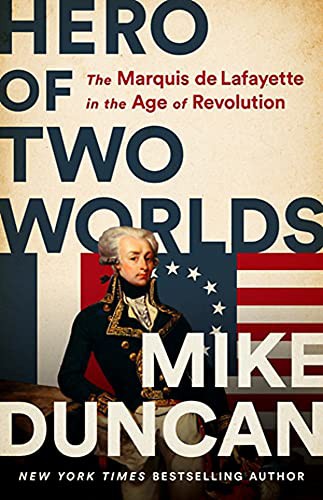
by Joseph Plumb MartinCome here for: Soldier’s-eye immediacyExpect: Firsthand detailHero of Two Worlds
by Mike DuncanCome here for: Lafayette, in full historical motionExpect: Big-figure history with readable momentumThe American Revolution
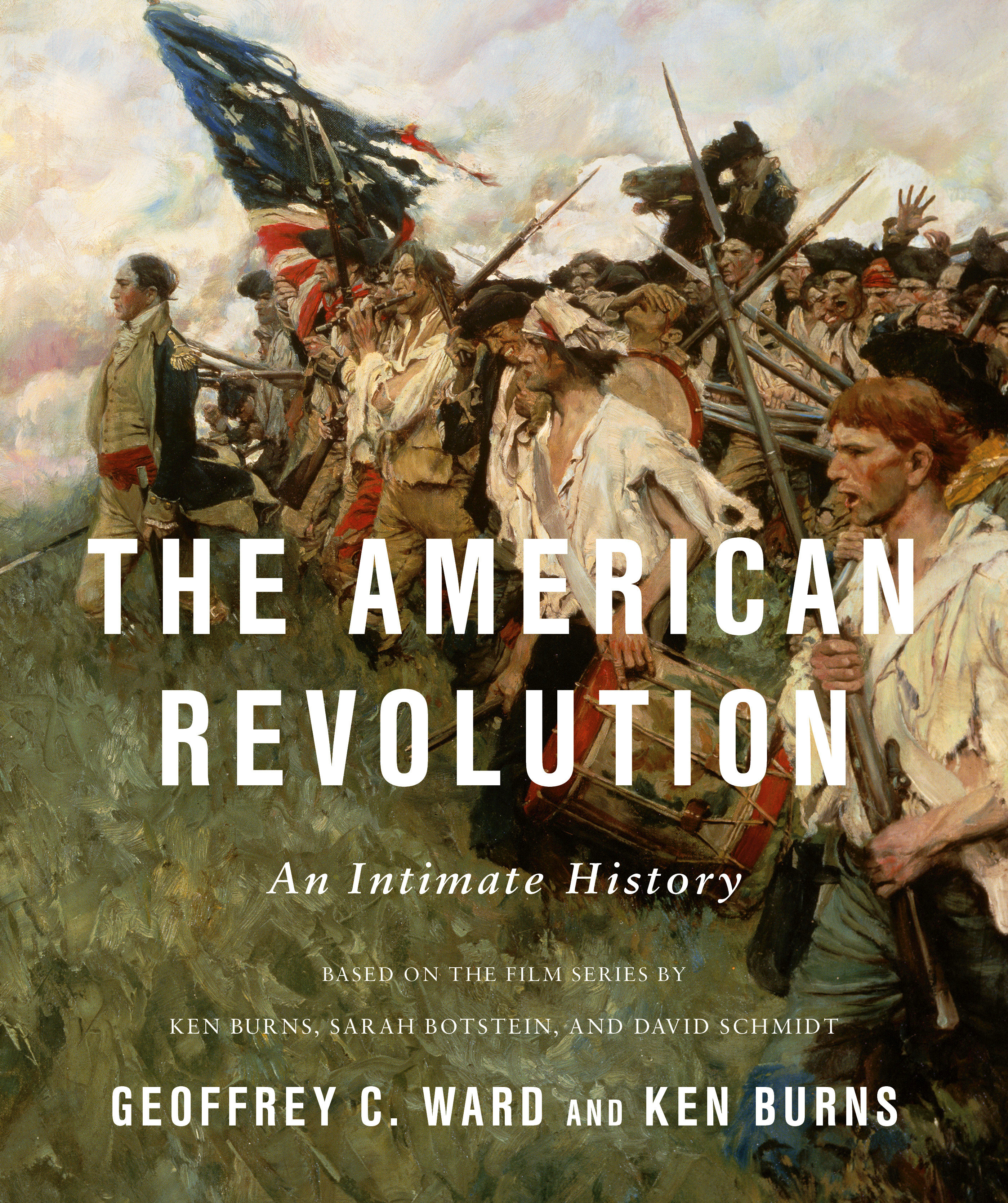
by Geoffrey C. Ward, Ken BurnsCome here for: Close-up historical sweepExpect: Cultural context with a collector’s finishWashington's Spies
by Alexander RoseCome here for: Espionage woven into Revolutionary historyExpect: A spirited narrative of a hidden intelligence warJohn Paul Jones
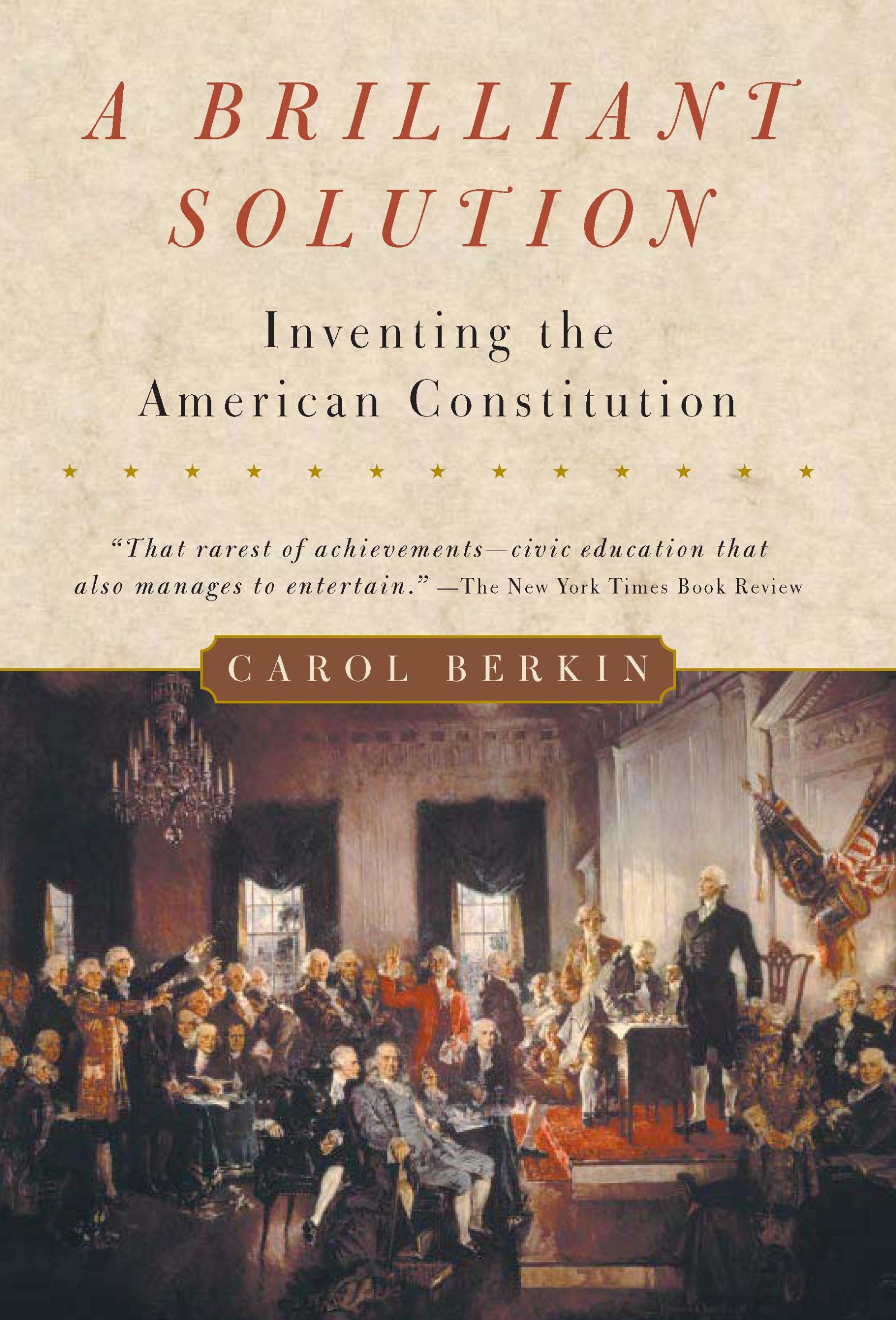
by Evan ThomasCome here for: John Paul Jones in the heat of battleExpect: A gripping account of the 1779 clash with SerapisA Brilliant Solution
by Carol BerkinCome here for: Postwar America before the Constitution felt inevitableExpect: A narrative portrait of the men shaping the country’s political futureThe Words That Made Us
by Akhil Reed AmarCome here for: Constitutional conversation as the main eventExpect: History with a strong interpretive spineThis Fierce People
by Alan Pell CrawfordCome here for: Southern Revolutionary War lensExpect: Cultural-literacy context- Come here for: Primary texts on representation, executive power, immigration, and rightsExpect: Complete documents, commentaries, and an index of ideas
The American Revolution and the Fate of the World
by Richard BellCome here for: Big-idea Revolution historyExpect: Cultural-literacy framingFounding Myths
by Ray RaphaelA Magnificent Catastrophe
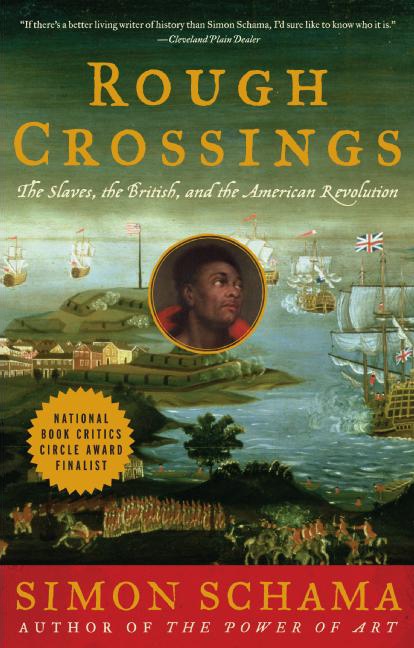
by Edward J. LarsonCome here for: Founding-era rivalries, sharp accusations, and political maneuveringExpect: Narrative history built around the 1800 presidential campaignRough Crossings
by Simon SchamaCome here for: A less familiar chapter in America’s foundingExpect: An odyssey shaped by escape and wartime allegianceTo Rescue the Constitution
by Bret BaierCome here for: Washington and the Constitution, in plain viewExpect: Historical nonfictionJames Monroe
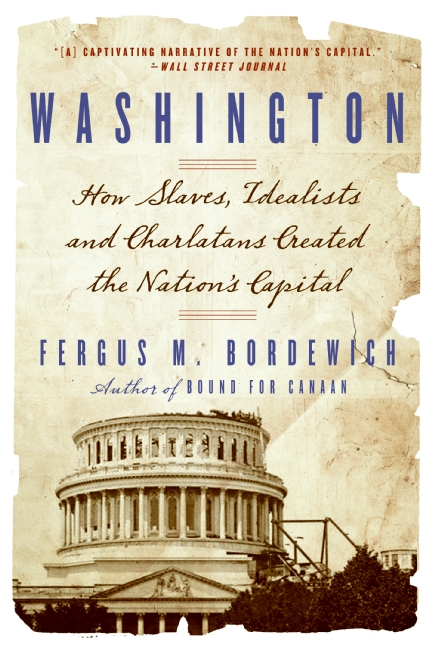
by Tim McGrathCome here for: A life shaped by diplomacy, partisan battles, and national upheavalExpect: A sweeping biography from the War for Independence through the presidencyWashington
by Fergus BordewichCome here for: Backroom alliances and real-estate schemes behind a national symbolExpect: Political maneuvering alongside the lives of enslaved buildersAbigail Adams
by Woody HoltonCome here for: Women’s roles in the creation of the republicExpect: An intimate life woven into the history of the founding eraMeasuring America
by Andro LinklaterCome here for: The surprising reach of a surveying chain across land, cities, and culture.Expect: A story connecting practical measurement to the shape of the nation.Rebels at Sea
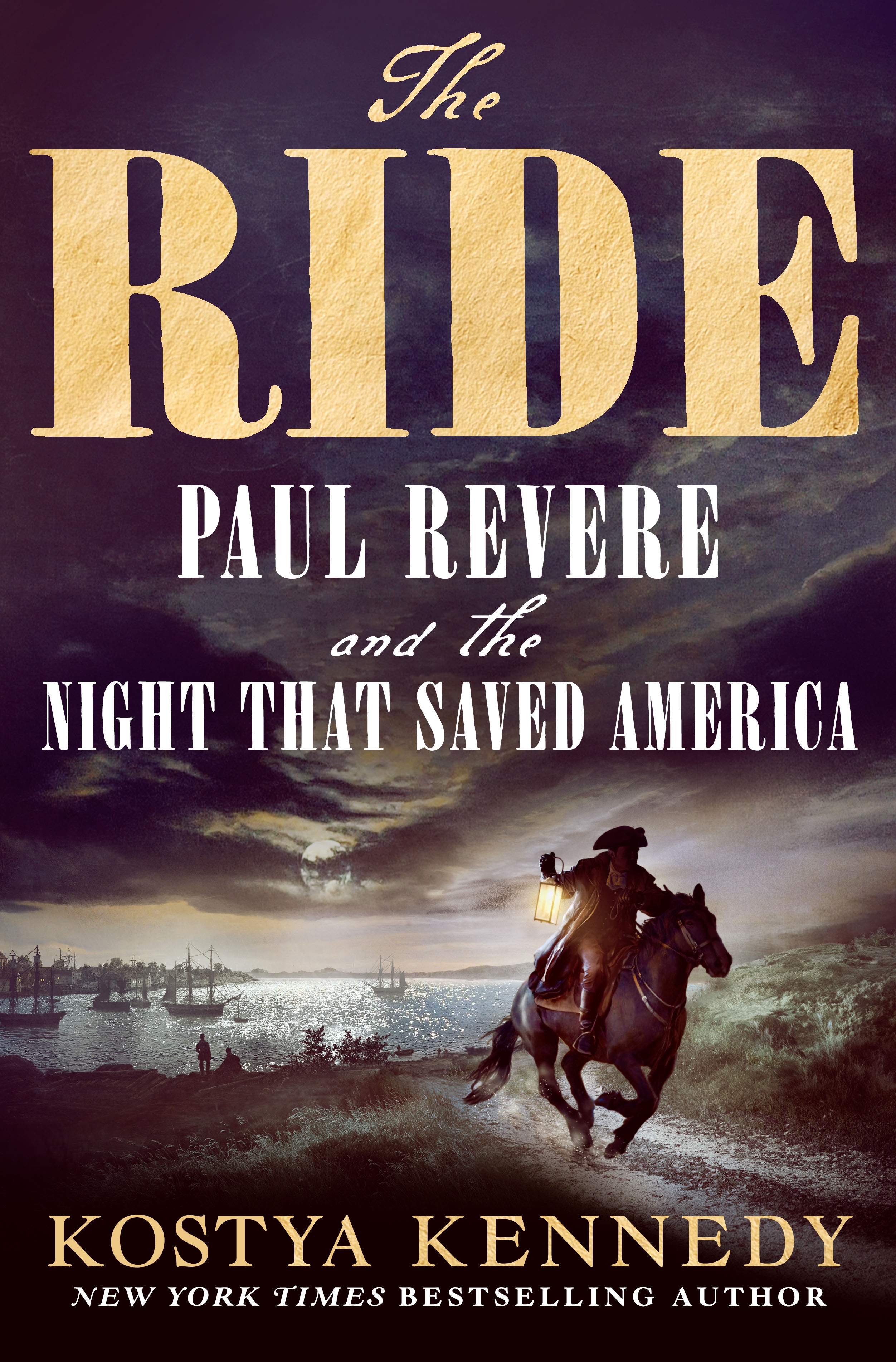
by Eric Jay DolinCome here for: The overlooked force behind America’s maritime warExpect: Daring encounters across the Atlantic and coastal watersThe Ride
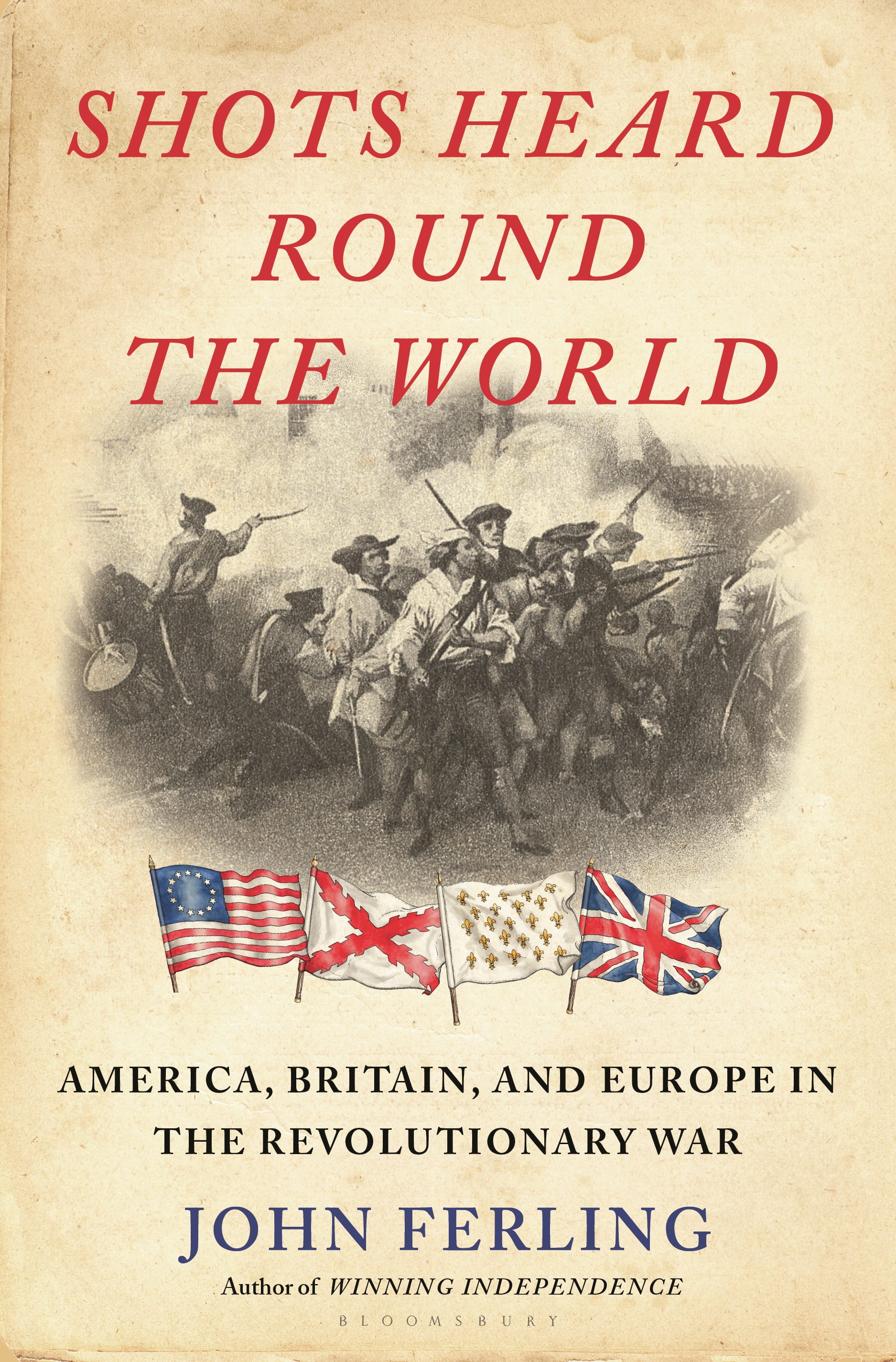
by Kostya KennedyCome here for: Paul Revere, tightly framedExpect: Cultural touchstone, clearly toldShots Heard Round the World
by John FerlingCome here for: Revolutionary-era sweep across America, Britain, and EuropeExpect: Sustained narrative historyIndependence: The Tangled Roots of the American Revolution
by Thomas P. SlaughterPox Americana
by Elizabeth A. FennCome here for: A fresh lens on the American Revolution through public-health crisisExpect: A broad account spanning colonies and territories beyond themRush
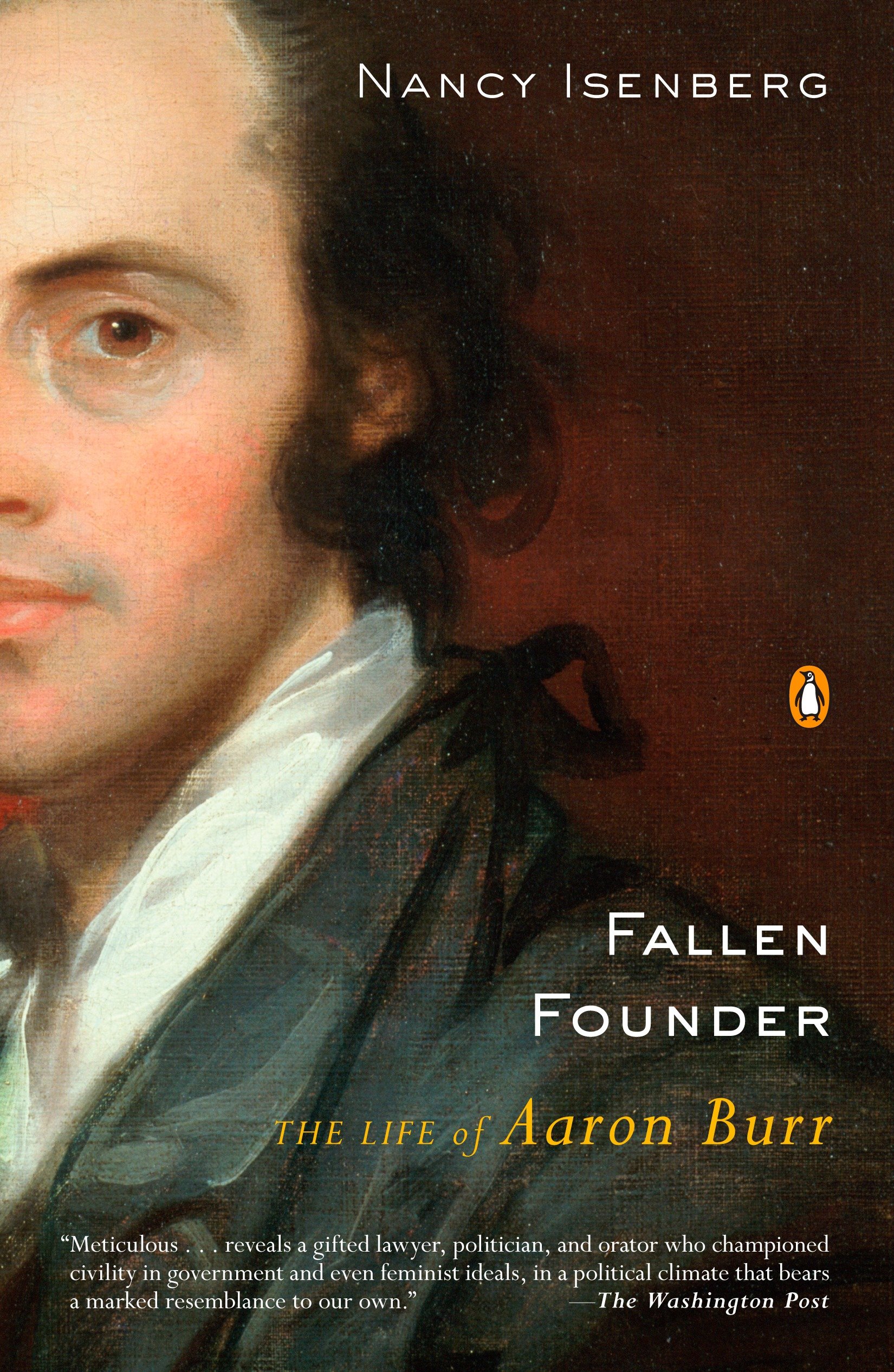
by Stephen FriedCome here for: The less-remembered founder who moved between medicine and national politicsExpect: A portrait of a reformer whose reach extended beyond the foundingFallen Founder
by Nancy IsenbergCome here for: A revision of Burr’s reputation without the usual founding-era glowExpect: A biography presenting Burr as feminist, Enlightenment figure, and patriotLetters from an American Farmer and Sketches of Eighteenth-Century America
by J. Hecor St. John de CrèvecoeurWar Without Mercy
by Mark Edward Lender, James Kirby MartinThe Pursuit of Liberty
by Jeffrey RosenCome here for: Hamilton and Jefferson’s rival visions, and the argument they set in motionExpect: A history organized around the tension between liberty and powerJohn Hancock
by Willard Sterne RandallCome here for: A fresh angle on familiar Revolutionary milestonesExpect: A life spanning business, public office, and private relationshipsThe Contagion of Liberty
by Andrew M. WehrmanA Great Improvisation
by Stacy SchiffCome here for: Franklin in France, with the period’s politics and performanceExpect: Cultural context over battlefield chronicleThe Anti-Federalist Papers
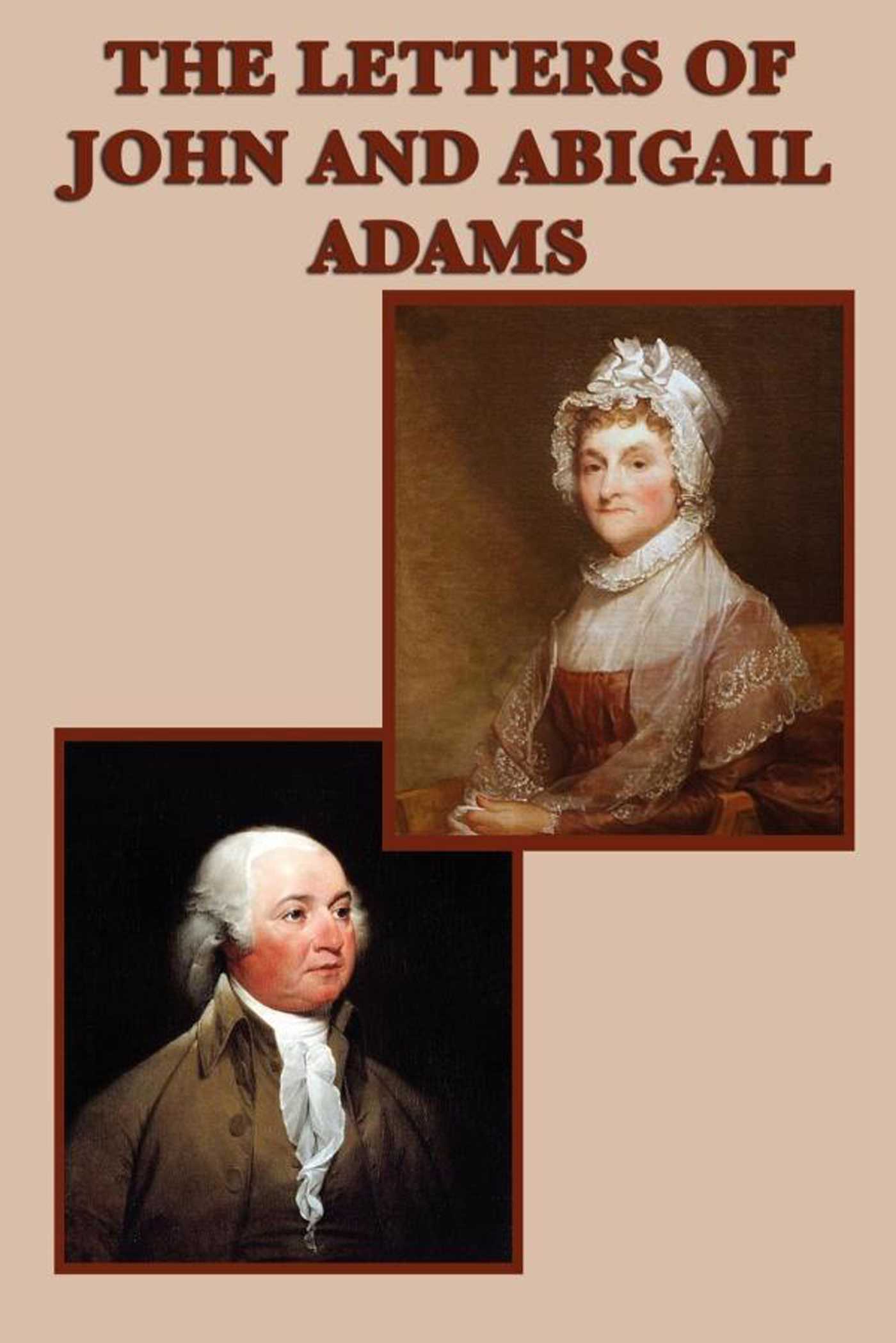
by Patrick HenryCome here for: Arguments opposing the Constitution’s ratificationExpect: Some arguments later appeared in the Bill of RightsThe Letters of John and Abigail Adams
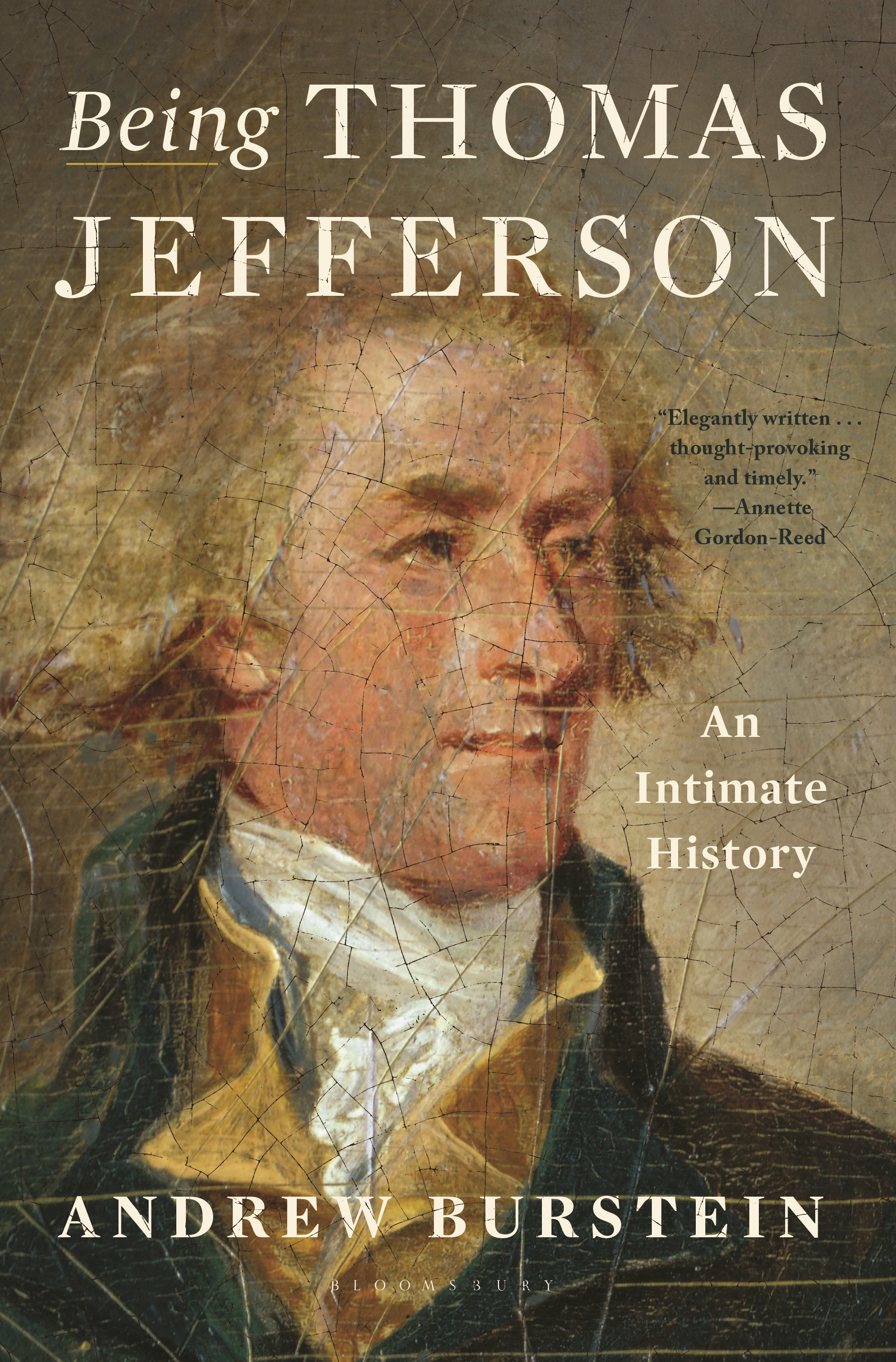
by John AdamsCome here for: Private correspondence where marriage meets public lifeExpect: Intellectual exchanges on government and politicsBeing Thomas Jefferson
by Andrew BursteinCome here for: Jefferson’s private life, inner conflicts, and political maneuveringExpect: A portrait of Jefferson’s political control and aversion to direct conflictBlack Writers of the Founding Era
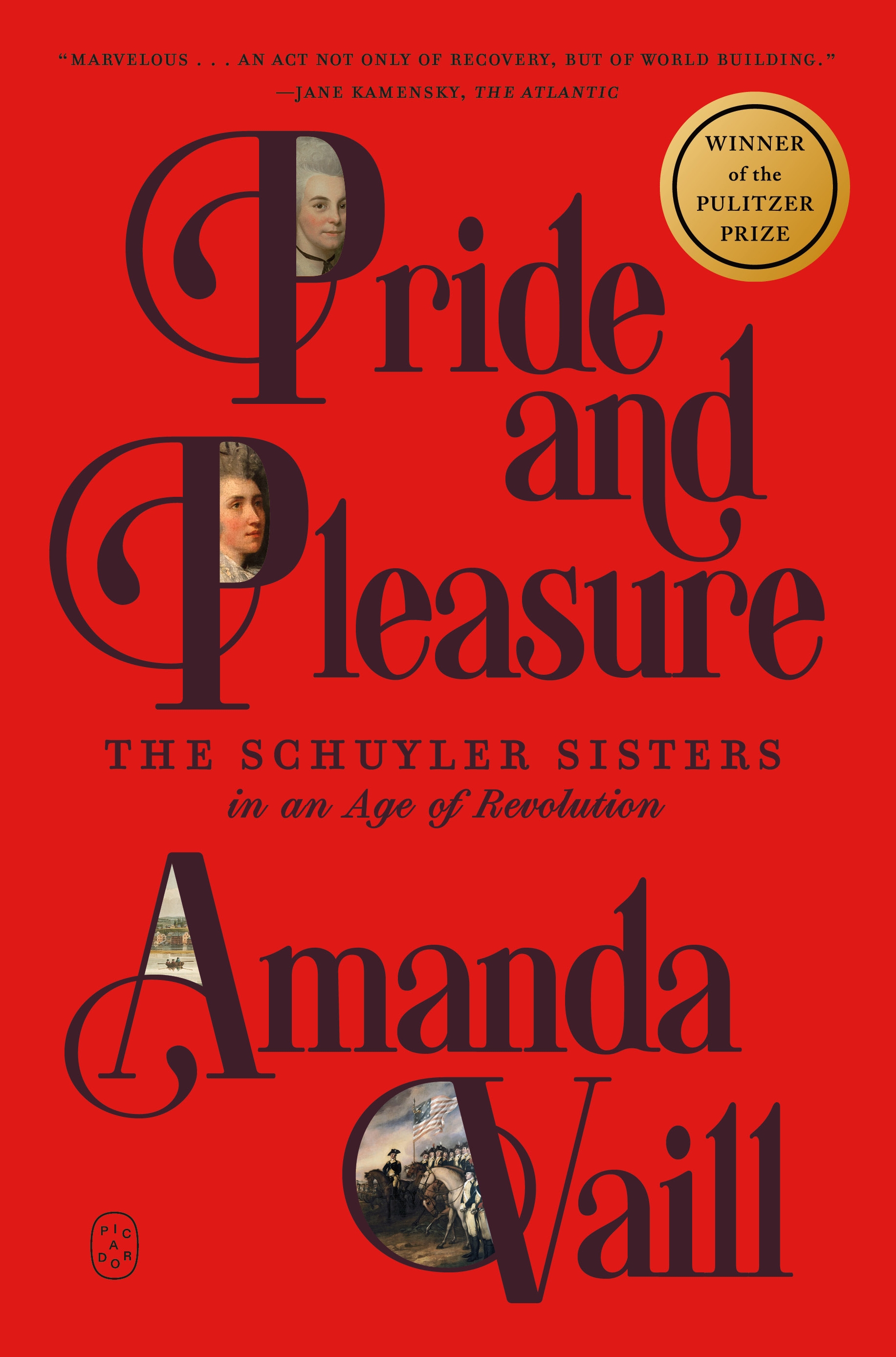
by James G. Basker, Nicole SearyCome here for: First-person accounts of events including the Boston MassacreExpect: Poems, sermons, petitions, journals, and court transcriptsPride and Pleasure
by Amanda VaillCome here for: Schuyler sisters, Revolutionary-era contextExpect: Biographical history with cultural textureThe Federalist Papers
by Alexander Hamilton, James MadisonCome here for: The enduring case for sharing power between state and federal governmentsExpect: Nineteen essays in their original lengths, with notes by Richard BeemanDid America Have a Christian Founding?
by Mark David HallCome here for: Christian founding debatesExpect: Church history meets Revolutionary America