Military Intelligence and Espionage
The most effective agents here include a corpse, a museum curator and a roomful of literature professors, and every operation actually happened.
Optimized for books about intelligence & espionage.
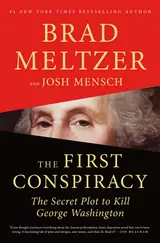
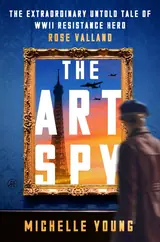
Real espionage rarely looks like the movies, and the six books opening this list prove it. The tradecraft runs from a dead man in British uniform carrying a briefcase of false documents in Operation Mincemeat to a curator working undercover inside the Nazis' art-looting headquarters in Paris in The Art Spy. Between them sit CIA paramilitaries, an SOE agent in occupied France, the humanities scholars who filled the ranks of the OSS in Book and Dagger, and a 1776 plot against George Washington. If you want true operations with real stakes, the deception, the betrayals and the people who ran them, start here.
Our reading of each book:Come here forExpectWhere it sits
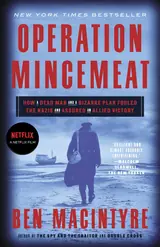
Operation Mincemeat
by Ben MacintyreTwo British naval officers needed the Nazis to guess wrong about where the Allies would strike southern Europe, and their chosen agent was a corpse. Macintyre follows the plan from its slightly mad conception to the planting of the body, dressed in uniform with false intelligence chained to its story, then traces how the bait reached Hitler and shifted German forces out of position. It ranks as the strangest deception of the war, and the one that worked.
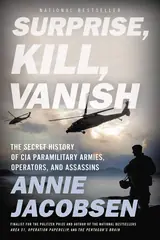
Come here for: Bizarre wartime tradecraftExpect: World War II intelligence caperSurprise, Kill, Vanish
by Annie JacobsenAlmost every American president since World War II has asked the CIA for sabotage, subversion and, yes, assassination. Surprise, Kill, Vanish traces the unit that does it, the Special Activities Division, born as the president's guerrilla warfare corps. Jacobsen built it from interviews with forty-two people who worked covert operations from the early Cold War to now, plus declassified files, and she shows that this isn't off-book Hollywood mischief but one gear in a vast foreign policy machine.
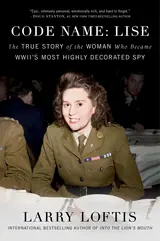
Come here for: CIA clandestine operations, told with a journalist’s cool eyeExpect: Nonfiction built for sustained readingCode Name: Lise
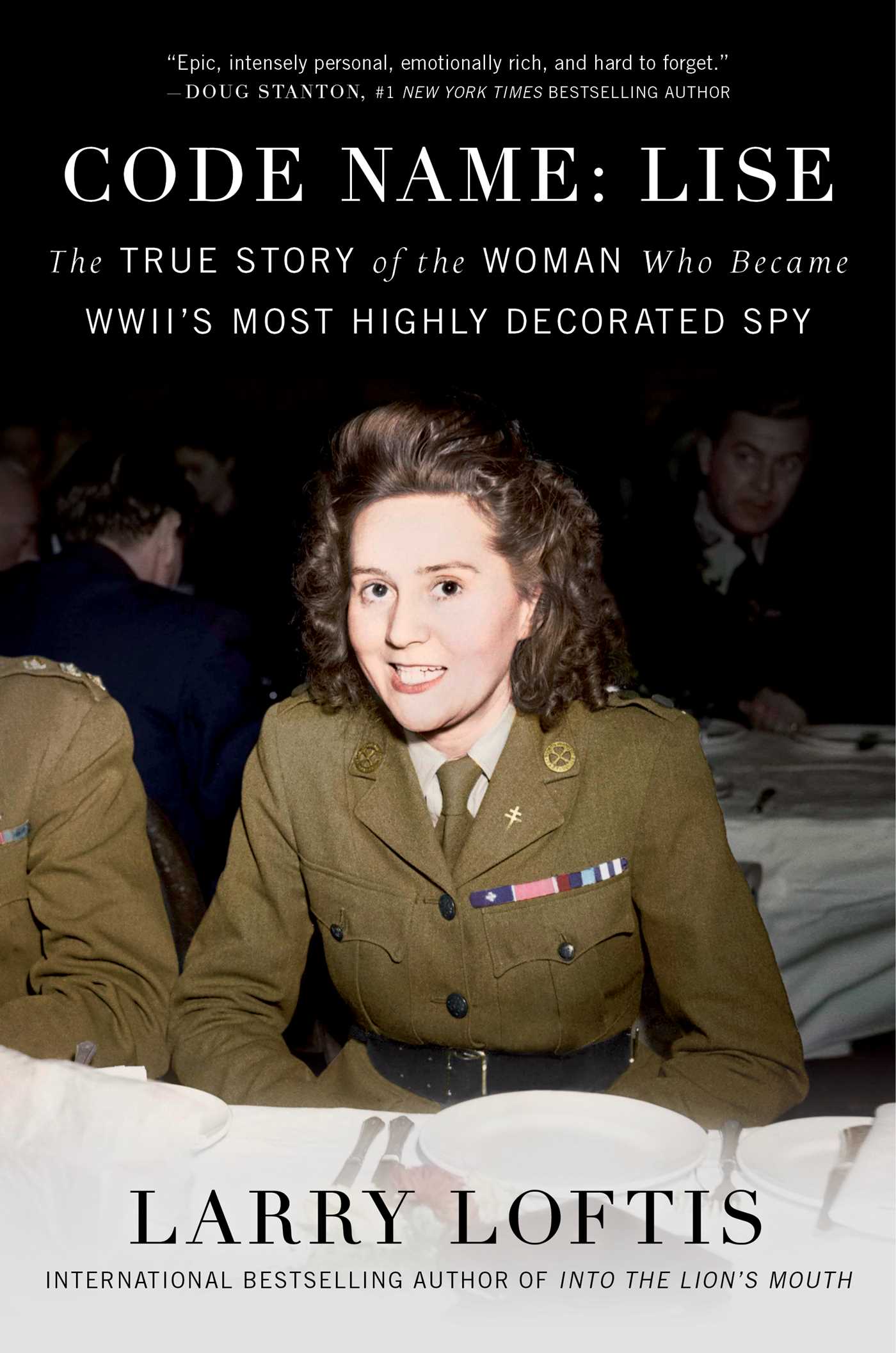
by Larry LoftisFive failed attempts and a plane crash stood between Odette Sansom and occupied France. Once she landed as an SOE agent, she ran mission after mission with her commanding officer, Captain Peter Churchill, fell in love with him, and dodged German sergeant Hugo Bleicher until he caught them both. What follows, Fresnes prison and the camps, is where Code Name: Lise turns into a study of nerve: through starvation and torture, she never gave up her colleagues.
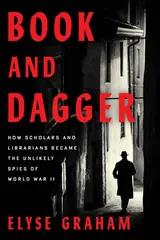
Come here for: WWII espionage, in a real-life registerExpect: A sustained narrative readBook and Dagger
by Elyse GrahamWhat does a literature professor bring to a shooting war? Plenty, as Book and Dagger shows. When the brand-new OSS went hunting for experts, it raided academia: Joseph Curtiss tracked German spies and flipped them into double agents, smart-mouthed historian Sherman Kent rose to run analysis for all of Europe and Africa, and archivist Adele Kibre quietly acquired documents in Stockholm. Graham follows them home, too, into the universities they reshaped after helping lay modern intelligence's foundations.
Come here for: Scholarship with clandestine stakesExpect: Cultural history over battlefield chronologyThe First Conspiracy
by Brad Meltzer, Josh MenschIn 1776, some of the soldiers handpicked to guard George Washington were in on a plot against him, alongside New York's Governor William Tryon and Mayor David Mathews. The First Conspiracy works through the leaders, liars, counterfeiters and jailhouse confessors who drove the conspiracy and its unraveling in the days before July 4. Along the way, Meltzer and Mensch locate the birth of American counterintelligence, the line that runs from that exposure to today's CIA.
Come here for: Revolutionary America with a thriller’s pulseExpect: Cultural shorthand and executive-era contextThe Art Spy
by Michelle YoungAugust 25, 1944: from the windows of the Jeu de Paume, Rose Valland watches the battle for Paris close in on the museum the Nazis turned into their art-looting headquarters, and their last line of defense. Working from previously undiscovered documents, Young restores a Resistance spy who came face to face with Göring while Hitler stockpiled masterpieces for his planned Führermuseum. It is history's largest art theft, seen by the woman who secretly fought it.
Come here for: Wartime intelligence and resistanceExpect: History with a narrative grip




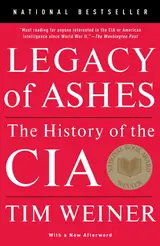
Legacy of Ashes
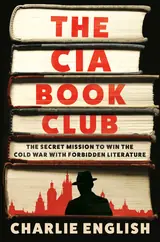
by Tim WeinerCome here for: A view of intelligence through the agency’s own archivesExpect: A historical account built from documents and interviewsThe CIA Book Club
by Charlie EnglishCome here for: Forbidden books, covert cultural skirmishesExpect: CIA-adjacent intrigueSpymistress
by William StevensonCome here for: Vera Atkins’s rise through wartime intelligenceExpect: A portrait of a formidable figure whose role stayed hidden until after her deathMinistry of Ungentlemanly Warfare
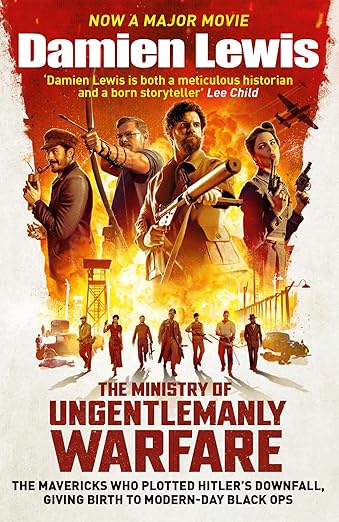
by Damien LewisCome here for: A secret wartime unit that fought behind enemy linesExpect: A small force taking on high-stakes missions against the NazisFamily of Spies
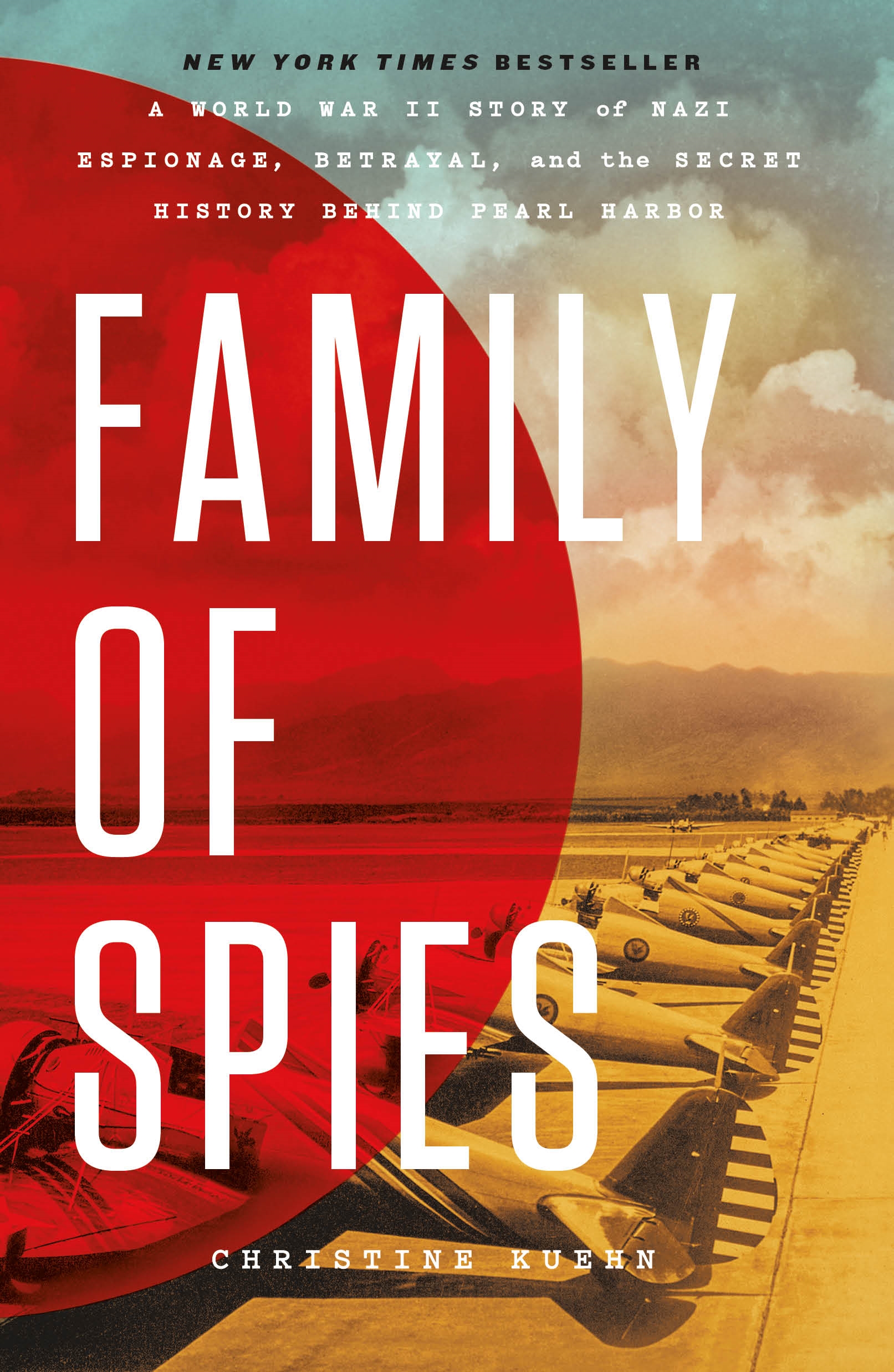
by Christine KuehnCome here for: Espionage with family entanglementsExpect: World War II intelligence, not trench-foot slogOperation Underworld
by Matthew BlackCome here for: Espionage where the waterfront and the criminal underworld meetExpect: A narrative of secret cooperation and its bargainsWashington's Spies
by Alexander RoseCome here for: Espionage woven into Revolutionary historyExpect: A spirited narrative of a hidden intelligence warThe Master of Disguise
by Antonio J. MendezCome here for: Trade fictional intrigue for a top-level operative’s accountExpect: A behind-the-scenes view of fieldwork and undercover operationsWhere it sits:Intelligence & EspionageCold War HistoryMilitary LivesThe Dirty Tricks Department
by John LisleCome here for: OSS secret-warfare historyExpect: World War II intelligence contextGhosts of Honolulu
by Mark HarmonWriter, Sailor, Soldier, Spy
by Nicholas ReynoldsCome here for: The meeting point of literary life and secret workExpect: A narrative spanning decades and continentsThe Good Spy
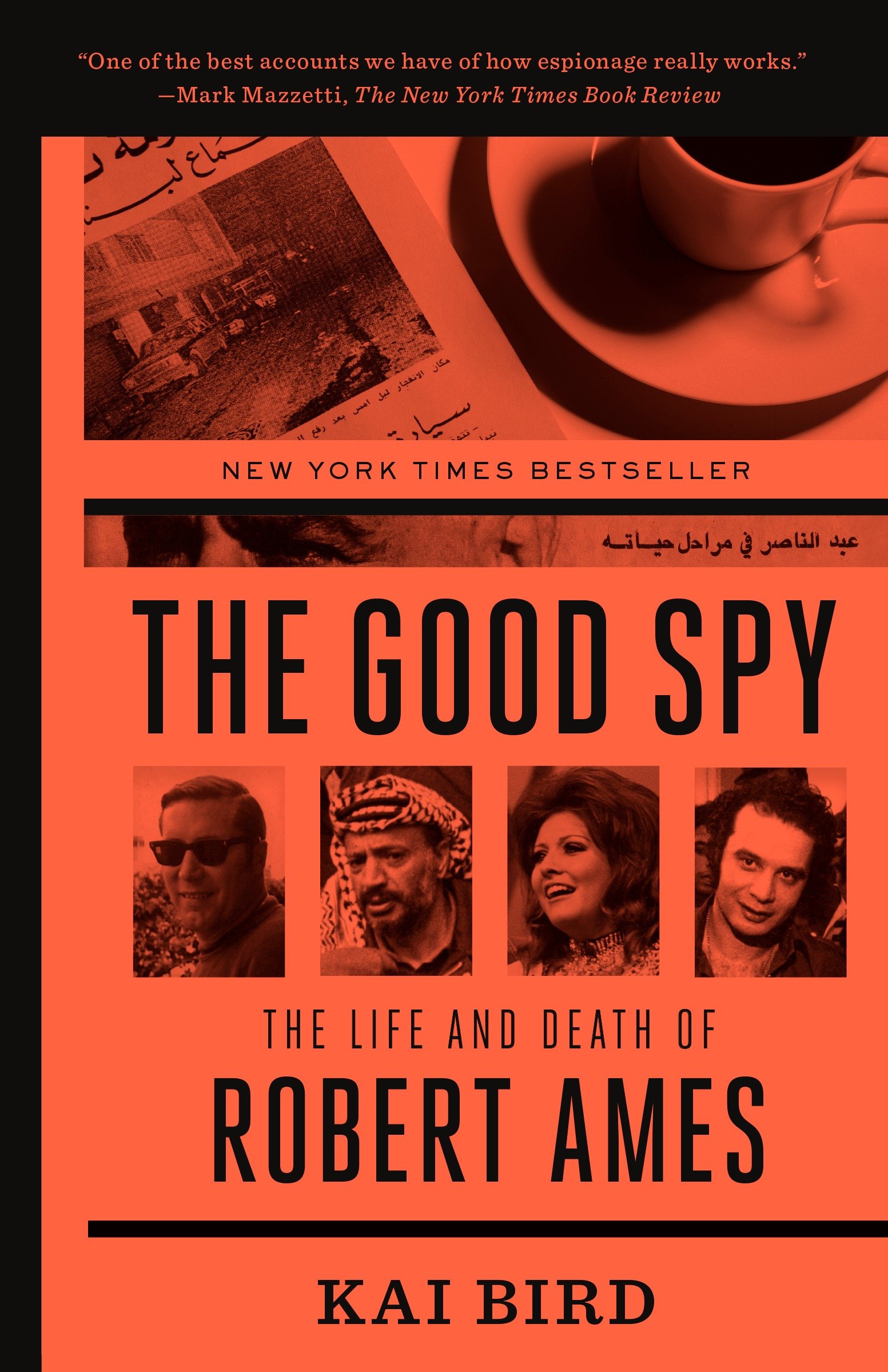
by Kai BirdCome here for: Espionage history shaped by trust as much as covert maneuveringExpect: A biographical narrative woven with the Beirut Embassy bombingLincoln’s Lady Spymaster
by Gerri WillisCome here for: Civil War espionage, with a historical hookExpect: Cultural-literate Civil War contextWhere it sits:Women's LivesIntelligence & EspionageCivil War EraGeorge Washington's Secret Six
by Brian Kilmeade, Don YaegerCome here for: Spy-ring intrigueExpect: Cultural touchstones in Revolutionary AmericaThe Forgotten 500
by Gregory A. FreemanCome here for: A rescue mission framed as untold wartime historyExpect: European theater contextThe Spymaster of Baghdad
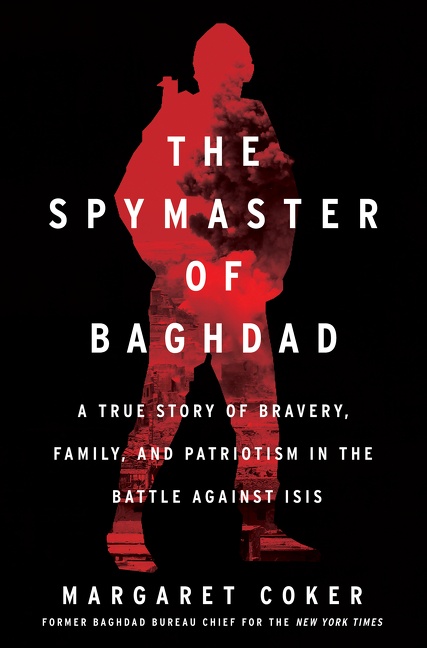
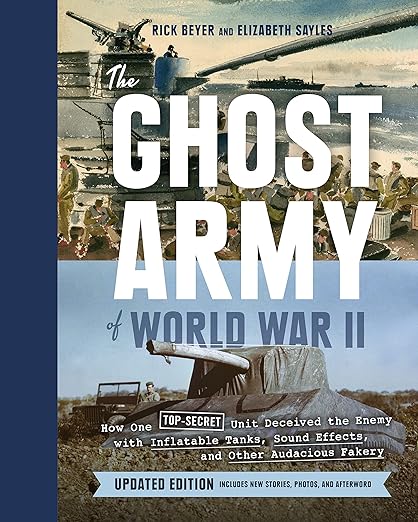
by Margaret CokerCome here for: Intelligence work under pressureExpect: Baghdad-focused conflict historyThe Ghost Army of World War II
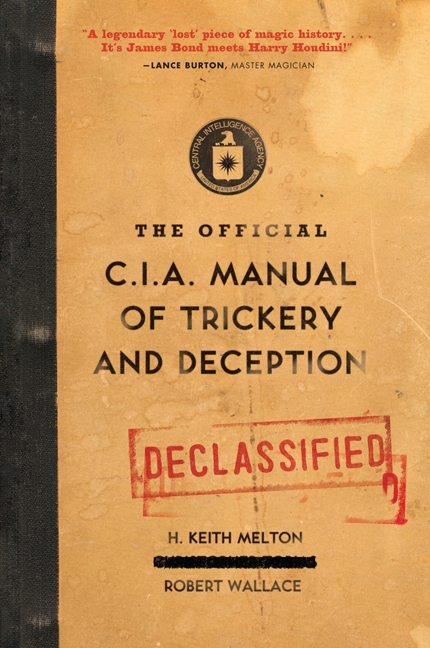
by Rick Beyer, Elizabeth SaylesCome here for: Wartime deception devised by artists, designers, and sound engineersExpect: Military history with an unlikely cast of creative specialistsThe Official CIA Manual of Trickery and Deception
by H. Keith Melton, Robert WallaceCome here for: Step-by-step tricks devised for covert operativesExpect: A historical artifact tied to the CIA’s MK-ULTRA programIn True Face
by Jonna MendezCome here for: Inside-CIA perspectiveExpect: A professional, behind-the-scenes lensWhere it sits:Women's LivesPersonal MemoirsIntelligence & EspionageFirst Casualty
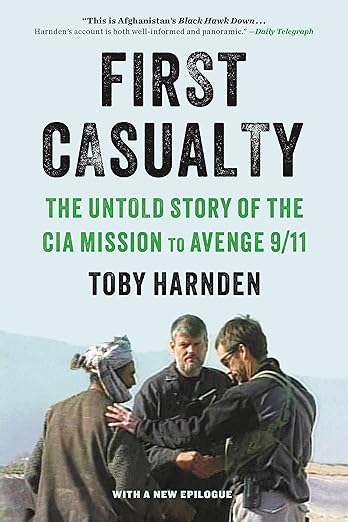
by Toby HarndenCome here for: CIA officers navigating war, intelligence, and uneasy alliancesExpect: Reported history grounded in interviews and secret documentsLiar, Temptress, Soldier, Spy
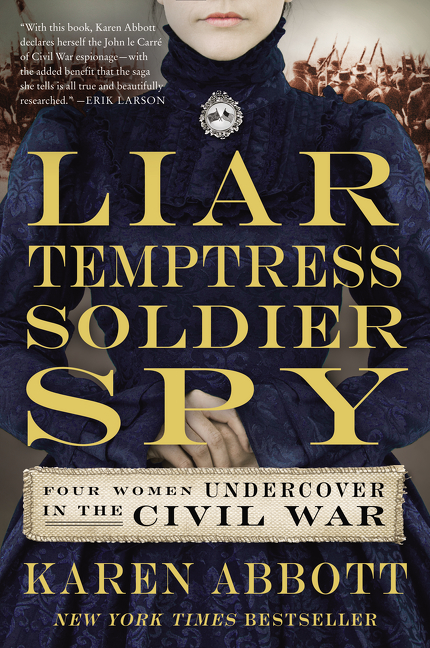
by Karen AbbottCome here for: Undercover Civil War intrigueExpect: 19th-century America, in motionWhere it sits:Civil War EraWomen's LivesIntelligence & EspionageCodename Nemo
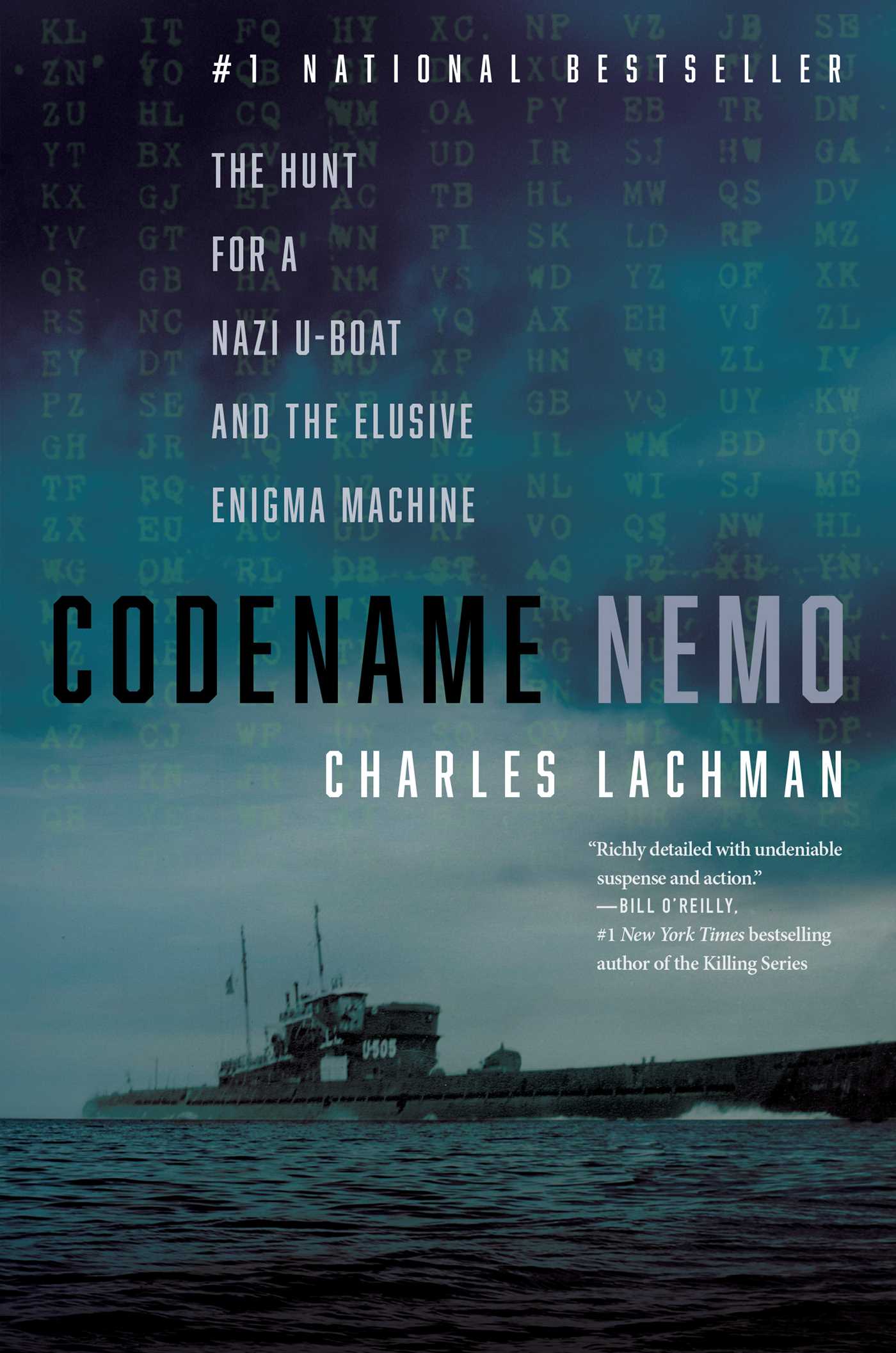
by Charles LachmanCome here for: U-boat pursuit, codebreaking tensionExpect: World War II naval historyRise and Kill First
by Ronen BergmanCome here for: Rigorous statecraft-and-operations historyExpect: Clear explanations over sentimentThe Declassification Engine
by Matthew ConnellyCome here for: Top-secret history, opened upExpect: Cultural literacy payoffOperation Dark Heart
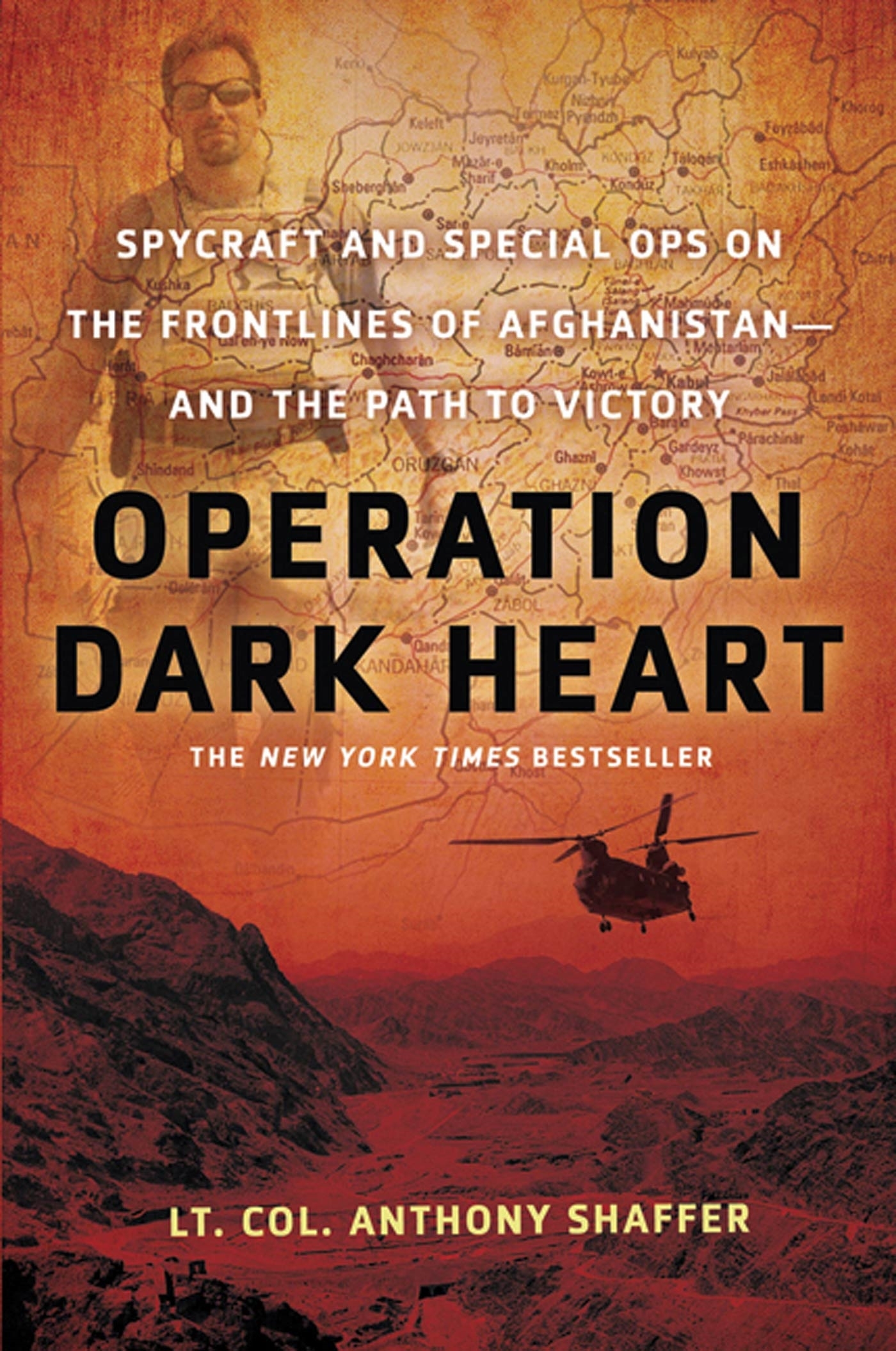
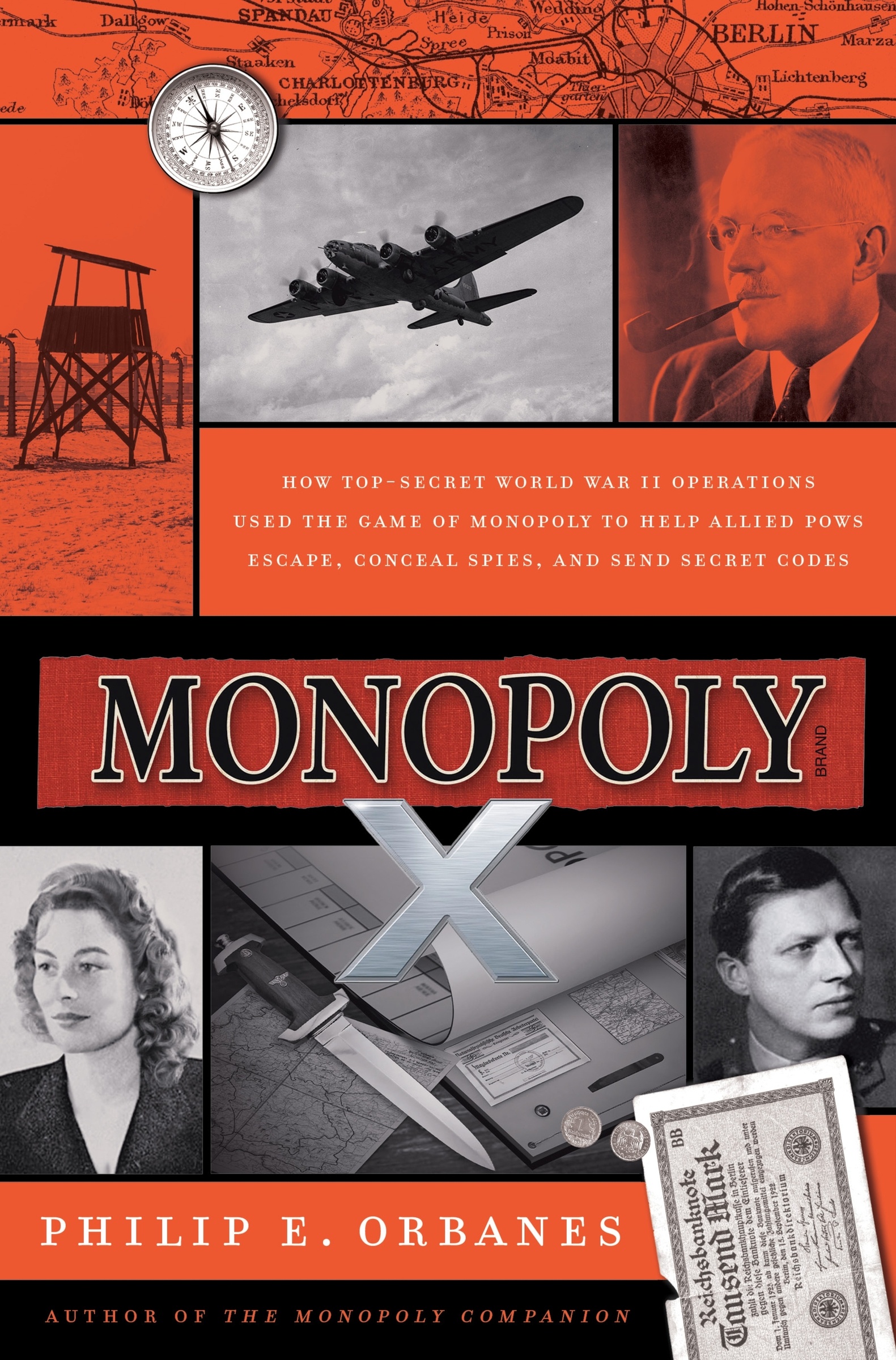
by Anthony ShafferCome here for: The uneasy overlap of battlefield decisions and intelligence workExpect: A direct, edged critique of military bureaucracyWhere it sits:Afghan War (2001-)Military LivesIntelligence & EspionageMonopoly X
by Philip E. OrbanesCome here for: The strange appeal of a game board turned covert toolExpect: Wartime espionage told through an ingenious secret operationCountdown bin Laden
by Chris WallaceCome here for: The tension of a months-long intelligence and planning effortExpect: A vivid narrative spanning policy rooms and military planningThe Invisible Spy
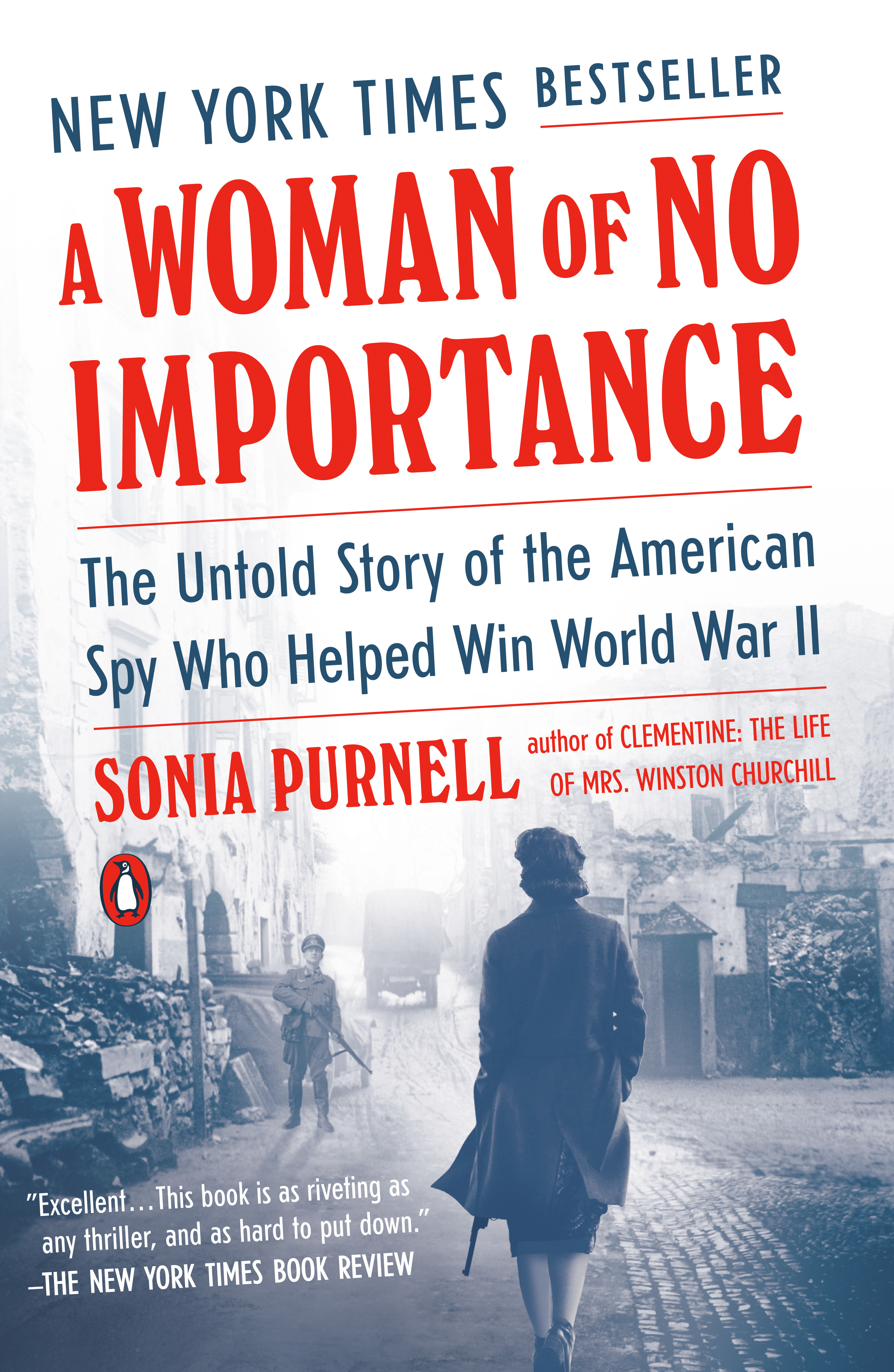
by Thomas MaierCome here for: A football player turned White House insider, working with Churchill’s agentsExpect: A lively blend of personal story and espionage historyA Woman of No Importance
by Sonia PurnellCome here for: Spycraft with historical weightExpect: World War II contextFallout
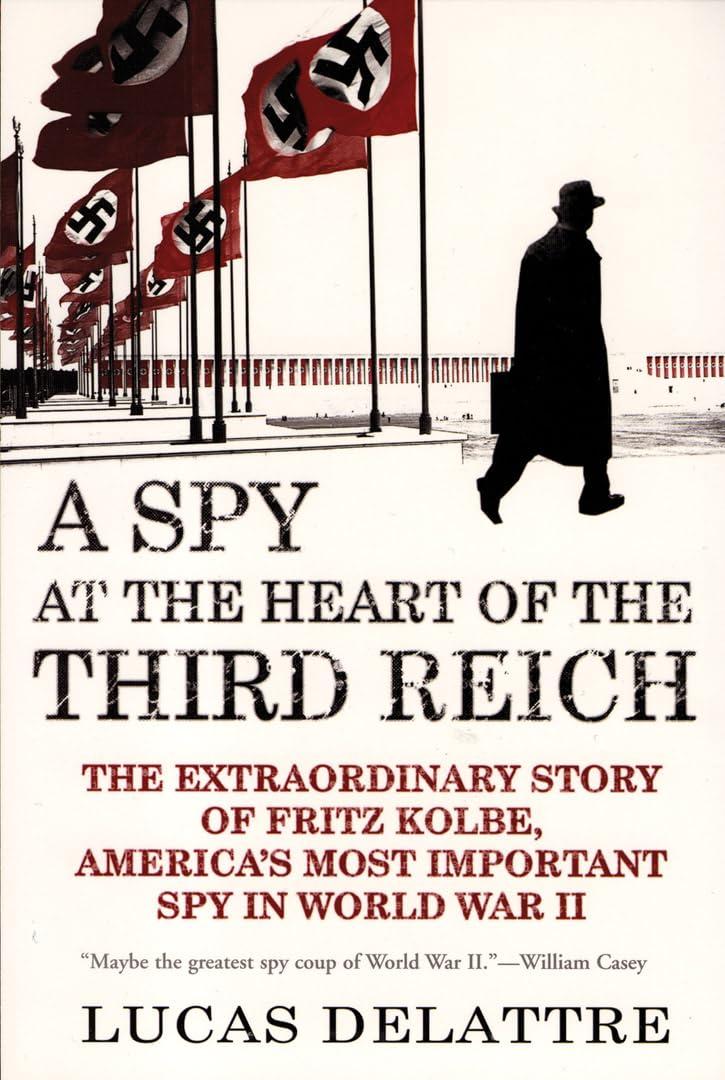
by Steve SheinkinCome here for: Spies, superbombs, Cold War tensionExpect: Sustained narrative momentumWhere it sits:Nuclear WarfareIntelligence & EspionageCold War HistoryA Spy at the Heart of the Third Reich
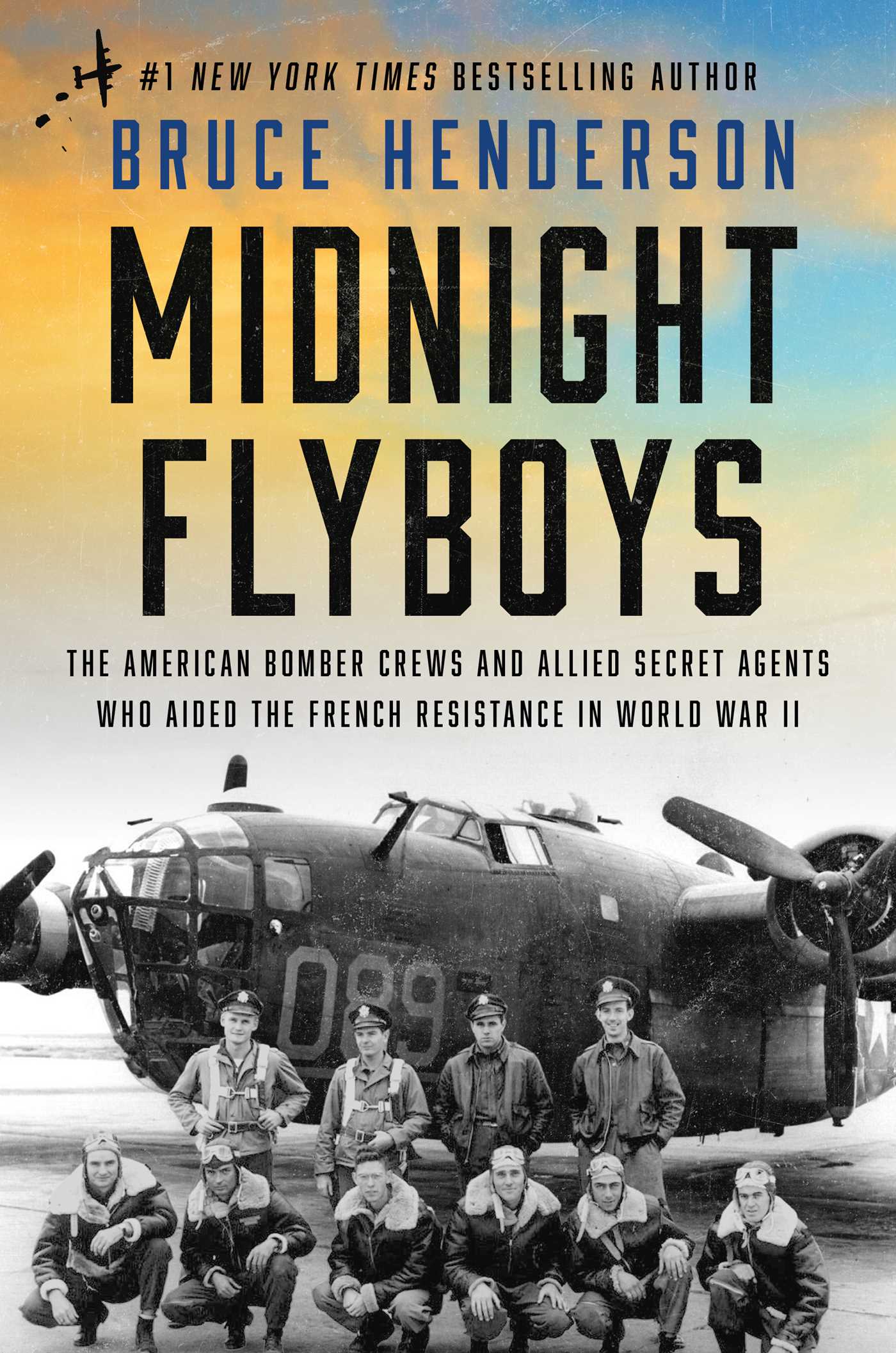
by Lucas DelattreMidnight Flyboys
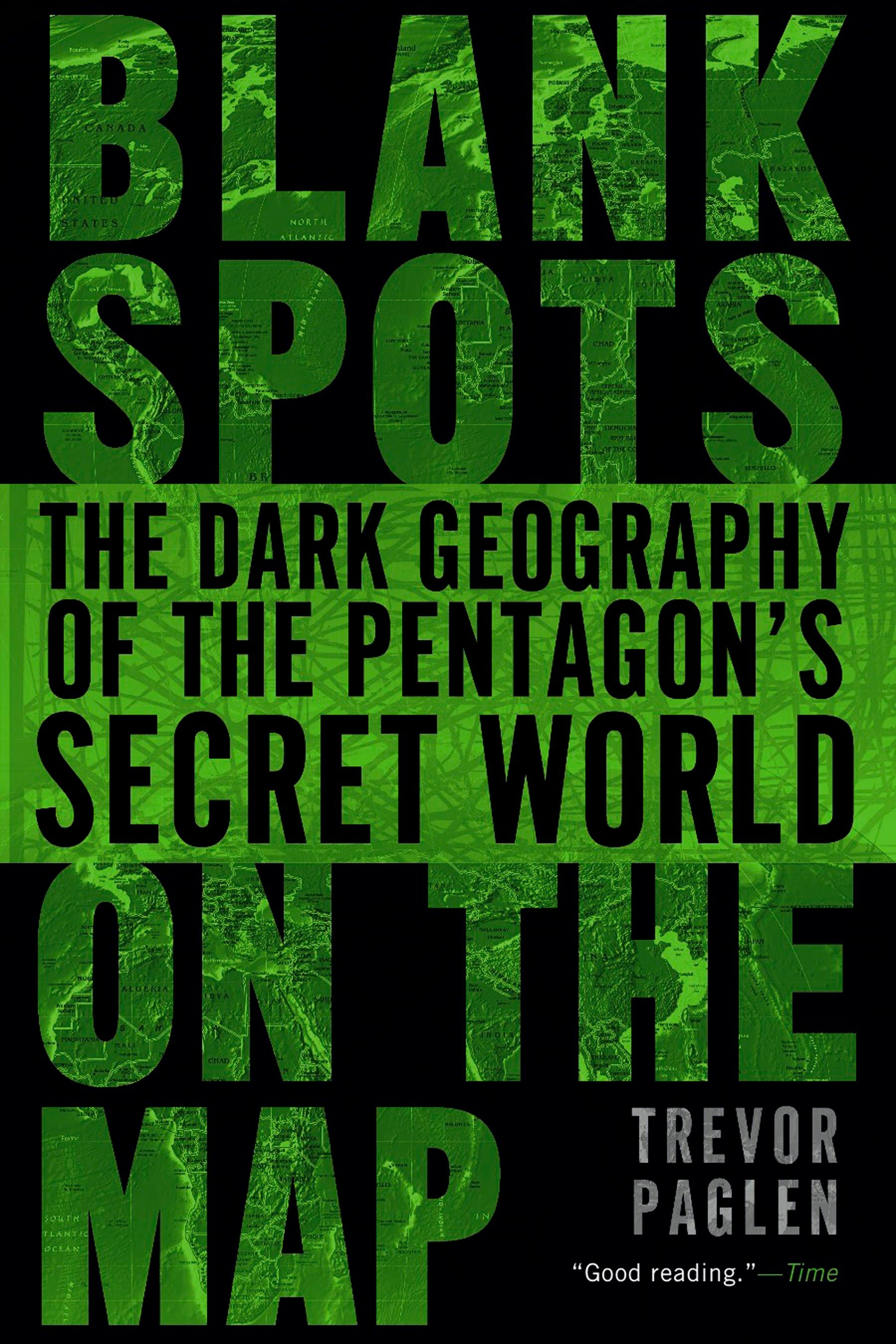
by Bruce HendersonCome here for: Bomber crews and secret-agent cooperationExpect: Clear explanation over dramaBlank Spots on the Map
by Trevor PaglenCome here for: On-the-ground reporting from hidden military and intelligence sitesExpect: Investigative travel writing with an edgy, rigorous feelThe Finish
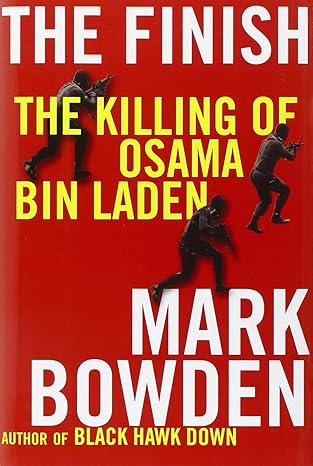
by Mark BowdenCome here for: Mark Bowden’s exacting war reportingExpect: Special Forces and war-context detailRed November
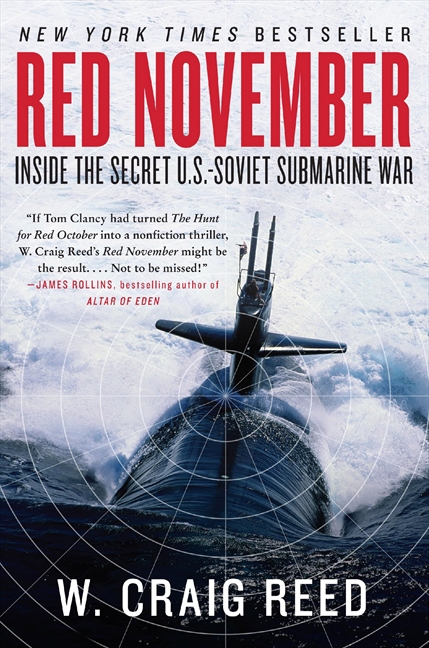
by W. Craig ReedCome here for: The hidden US–Soviet contest beneath the wavesExpect: A real-life adventure rooted in Cold War naval historyWhere it sits:Cold War HistoryNaval HistoryIntelligence & EspionageThe Catcher Was a Spy
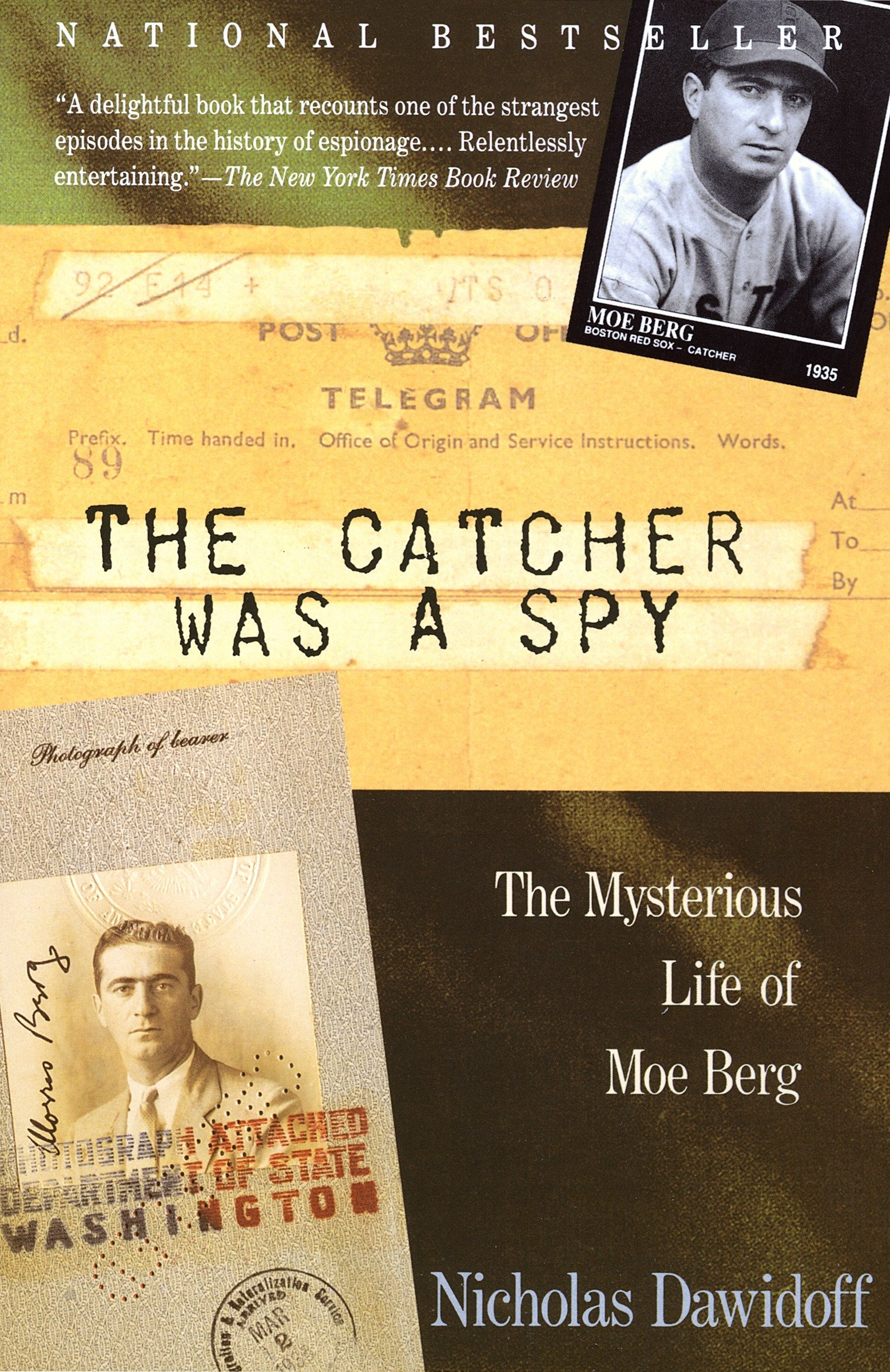
by Nicholas DawidoffCome here for: The unlikely overlap of major-league baseball and wartime espionageExpect: Historical and psychological detective workWhere it sits:Sports LivesIntelligence & EspionageBaseballSilent Warfare
by Abram N. Shulsky, Gary J. SchmittGideon's Spies
by Gordon ThomasCome here for: Mossad history in espionage modeExpect: Operational detail over grand theoryBaseless
by Nicholson BakerCome here for: FOIA-muckraking with a patient, prying eyeExpect: Slow-burn investigationThe Detonators
by Chad MillmanHitler in Los Angeles
by Steven J. RossSpecial Reconnaissance and Advanced Small Unit Patrolling
by Edward WolcoffCome here for: Historical special reconnaissance operations, including MACV-SOG missionsExpect: Operational accounts and analyses of specific missionsA Spy Among Friends
by Ben MacintyreCome here for: The tension between personal loyalty and secret allegianceExpect: A narrative focused on Philby and those closest to himWhere it sits:Cold War HistoryEspionageIntelligence & EspionageArea 51
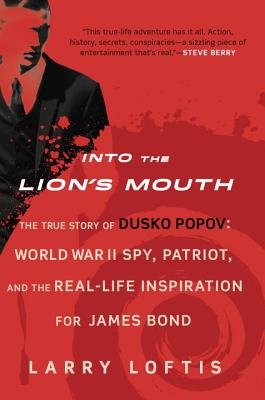
by Annie JacobsenCome here for: Clear, brisk history with a classified-aura edgeExpect: Cultural-literacy context without fogWhere it sits:Intelligence & EspionageMilitary AviationNuclear WarfareInto the Lion's Mouth
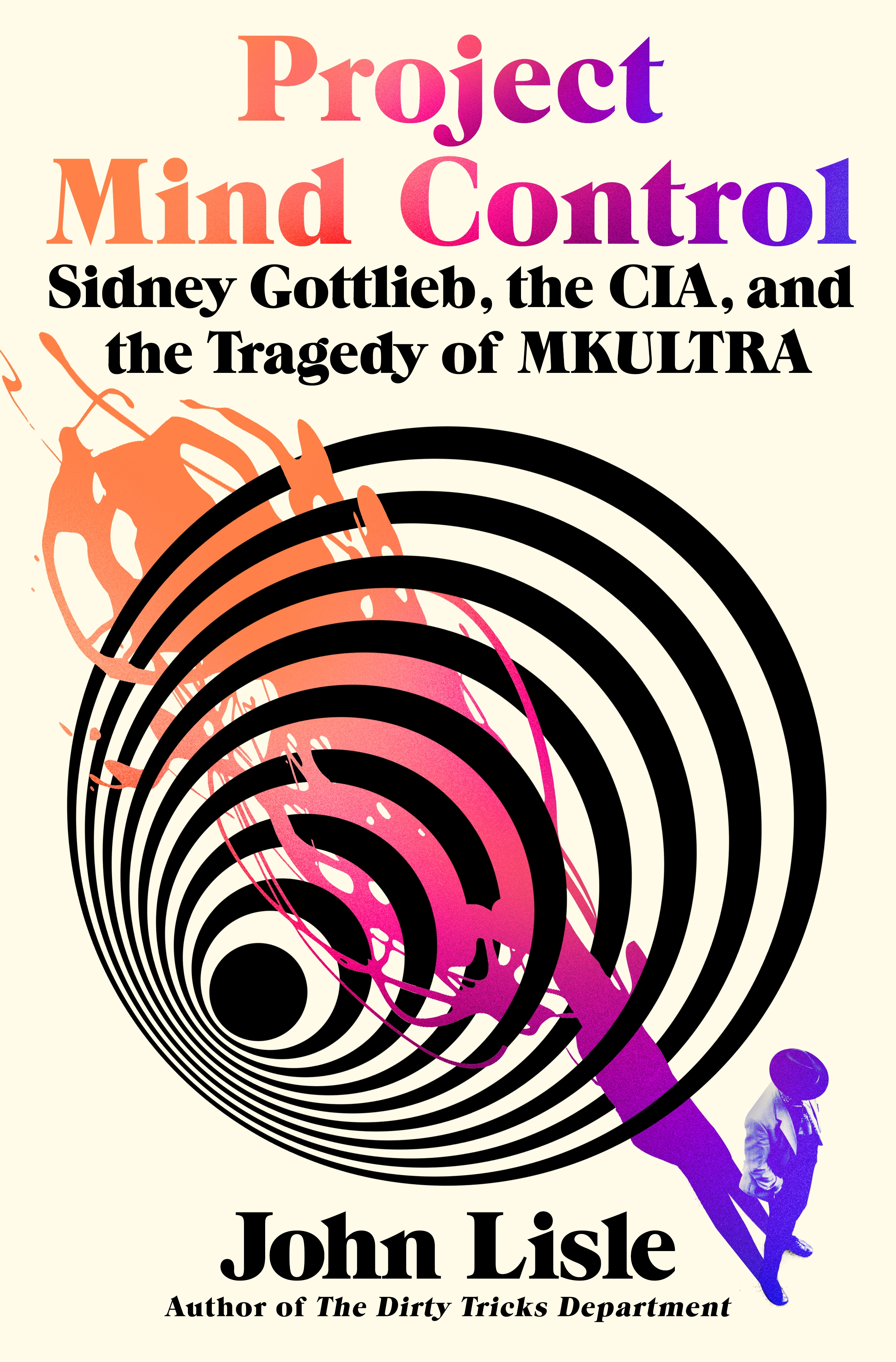
by Larry LoftisCome here for: James Bond’s real-life shadowExpect: World War II intelligence stakesWhere it sits:Intelligence & EspionageLives in HistoryMilitary LivesProject Mind Control
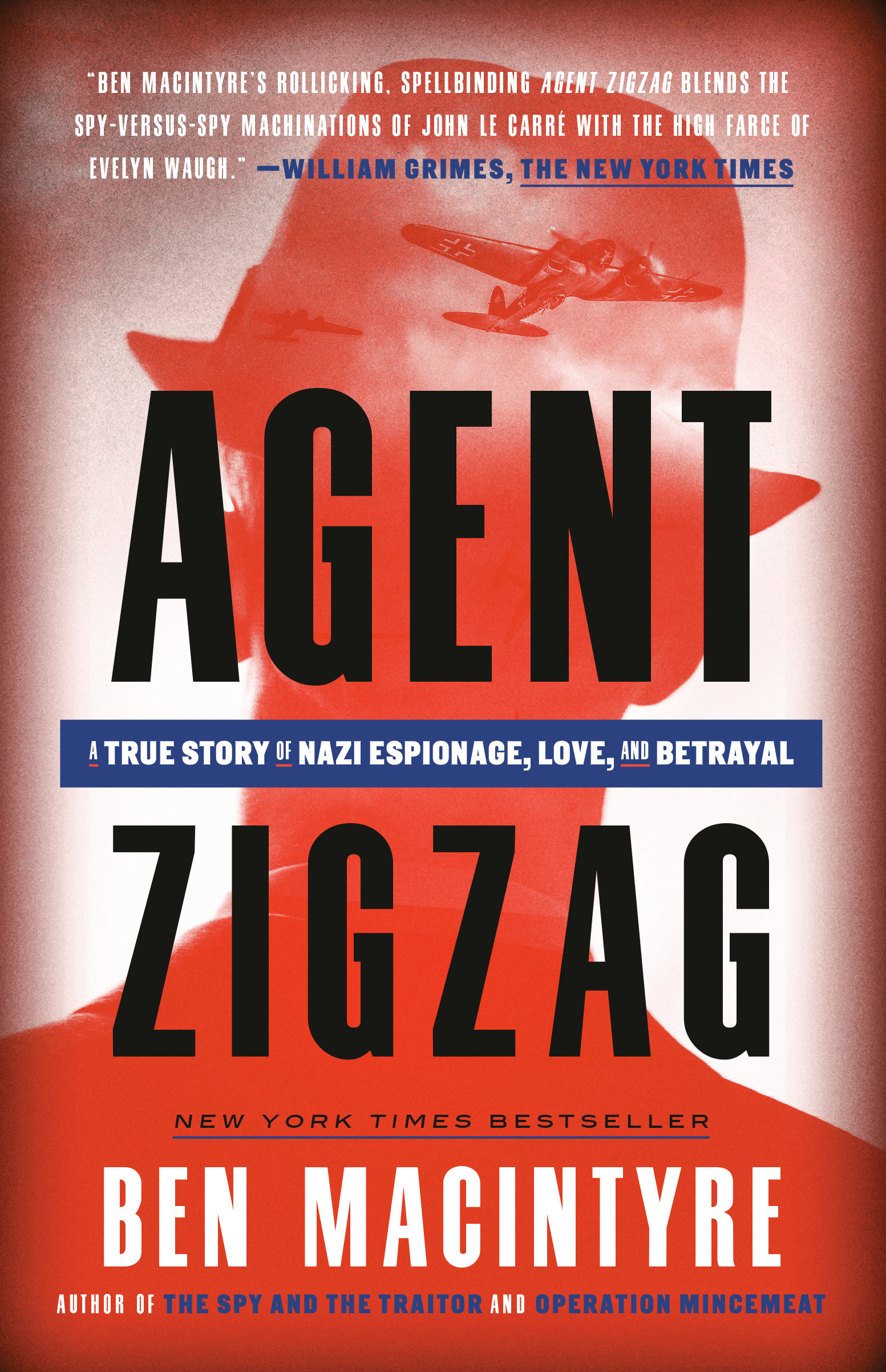
by John LisleCome here for: Newly uncovered depositions from people who carried out MKULTRAExpect: A close look at secrecy and dangerous experimentsAgent Zigzag
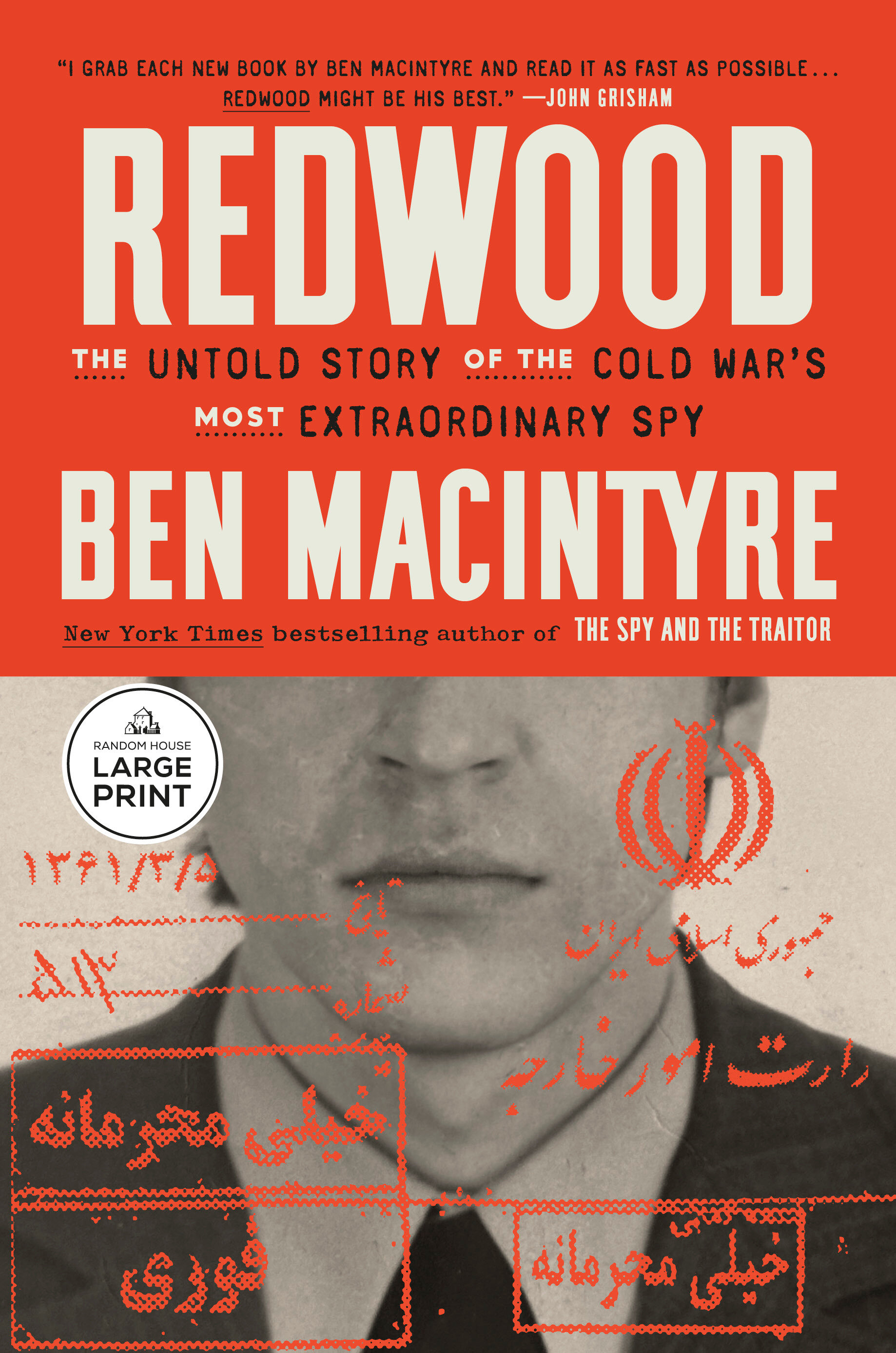
by Ben MacintyreCome here for: Spycraft with a true-story snapExpect: Ben Macintyre’s brisk, lucid storytellingRedwood
by Ben MacintyreCome here for: Kuzichkin’s work running Soviet spies in IranExpect: A double agent’s secret and its consequences