Georgian Era History
From an army of shoemakers and mere boys to a London printing shop in 1787, the Georgian age fought on every front.
Optimized for books about georgian era (1714-1837).
Georgian Britain gives you a mad king, a profligate regent, a Sailor King and, at the far end, an eighteen-year-old Victoria. In between come revolution, Napoleonic war, steam power and the first mass campaign against slavery. These books cover that ground from a general's camp, a duchess's salon, a gentry parlour, Parliament and a London print shop. Start with 1776 for the year the whole American cause rode on Washington's army. Then try Georgiana for a woman who wielded more political pull than most officeholders, and Bury the Chains for the organizers who invented the toolkit of modern activism. If you want names, dates and real stakes, this shelf is yours.
Our reading of each book:Come here forExpectWhere it sits
1776
by David McCulloughShoemakers, schoolteachers, farmers, no-accounts and mere boys fill the ranks in 1776, and McCullough keeps them in view through a year when independence depended on their staying in the field. The other side gets its due too. Working from American and British archives alike, he shows William Howe and his disciplined redcoats fighting with a valor too little known. It was written as a companion to his John Adams biography, so the two make a natural pair.
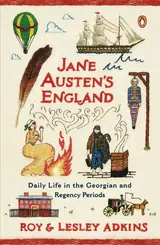
Come here for: McCullough’s lucid, steady narrative voiceExpect: Careful scene-settingJane Austen's England
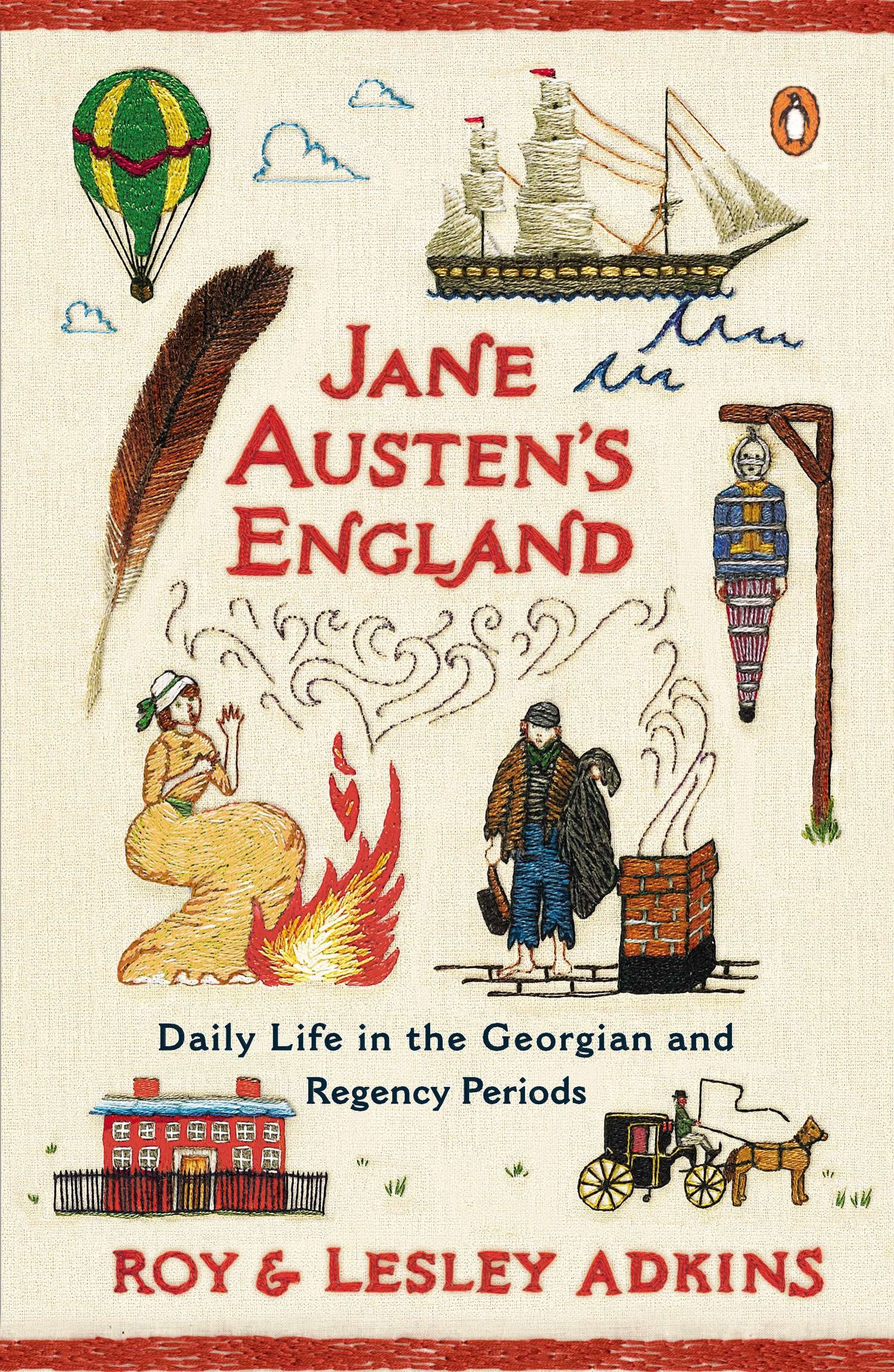
by Roy Adkins, Lesley AdkinsWhat did the England outside Austen's drawing rooms actually look like? Jane Austen's England answers from a wide array of contemporary sources, showing how people worked, how they played and how many of them simply struggled to survive. Roy and Lesley Adkins, also the authors of Nelson's Trafalgar, use the novels as a doorway rather than a destination. The familiar Austen gentility turns out to be one slice of a busier, harder country.
Come here for: Daily life across gentry and commoner worldsExpect: A richly detailed social history of English cultureWhere it sits:Georgian Britain (1714-1837)Social HistoryThe Regency Years
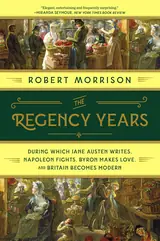
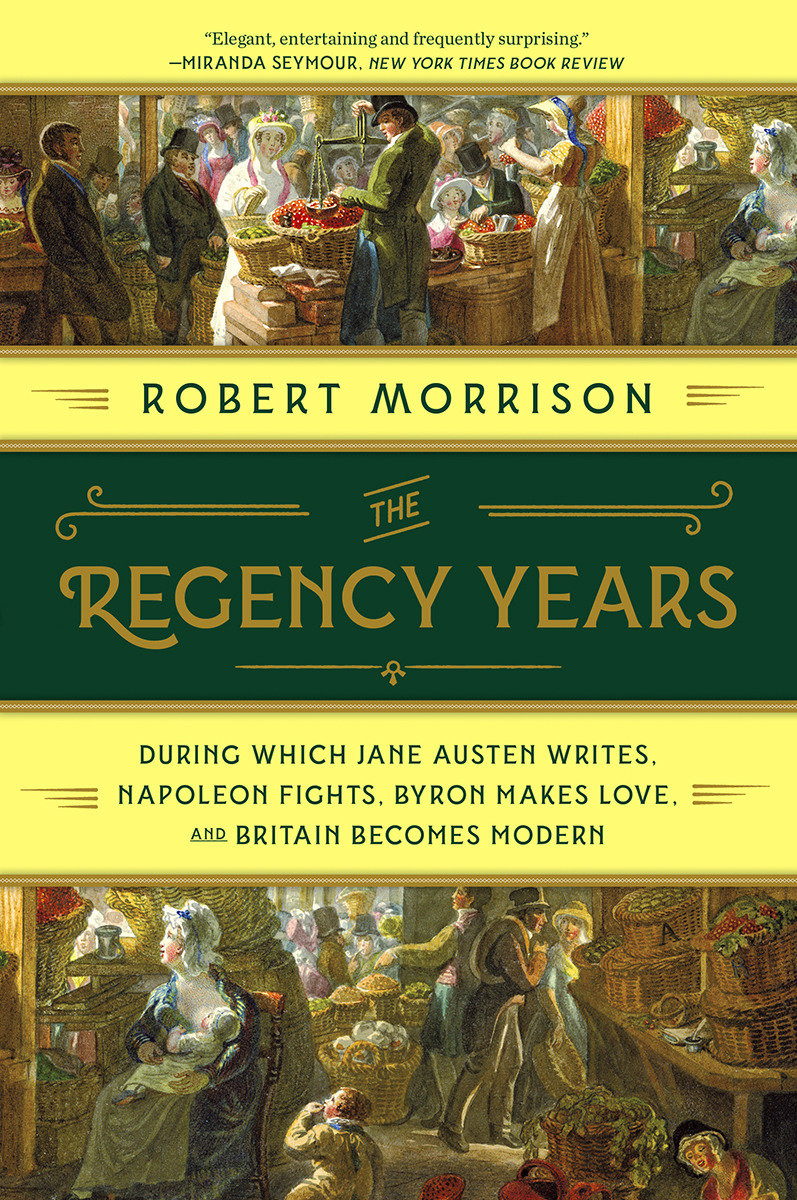
by Robert MorrisonNine years, 1811 to 1820, and Robert Morrison argues they deserve some of the credit usually handed to the Victorians. The Regency Years opens as the Prince of Wales replaces his insane father, George III. From there it ranges across Constable and Turner, the Shelleys and the gothic imaginings behind Frankenstein, opium and poverty, and the War of 1812, while the drive for empire gathers unstoppable momentum. The case it builds is that the modern world came into view here first.
Come here for: A lively portrait of Regency contrasts, from artistic flourishing to brutalityExpect: Cultural history with both elegance and troubling shadowsGeorgiana
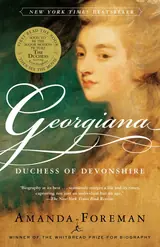
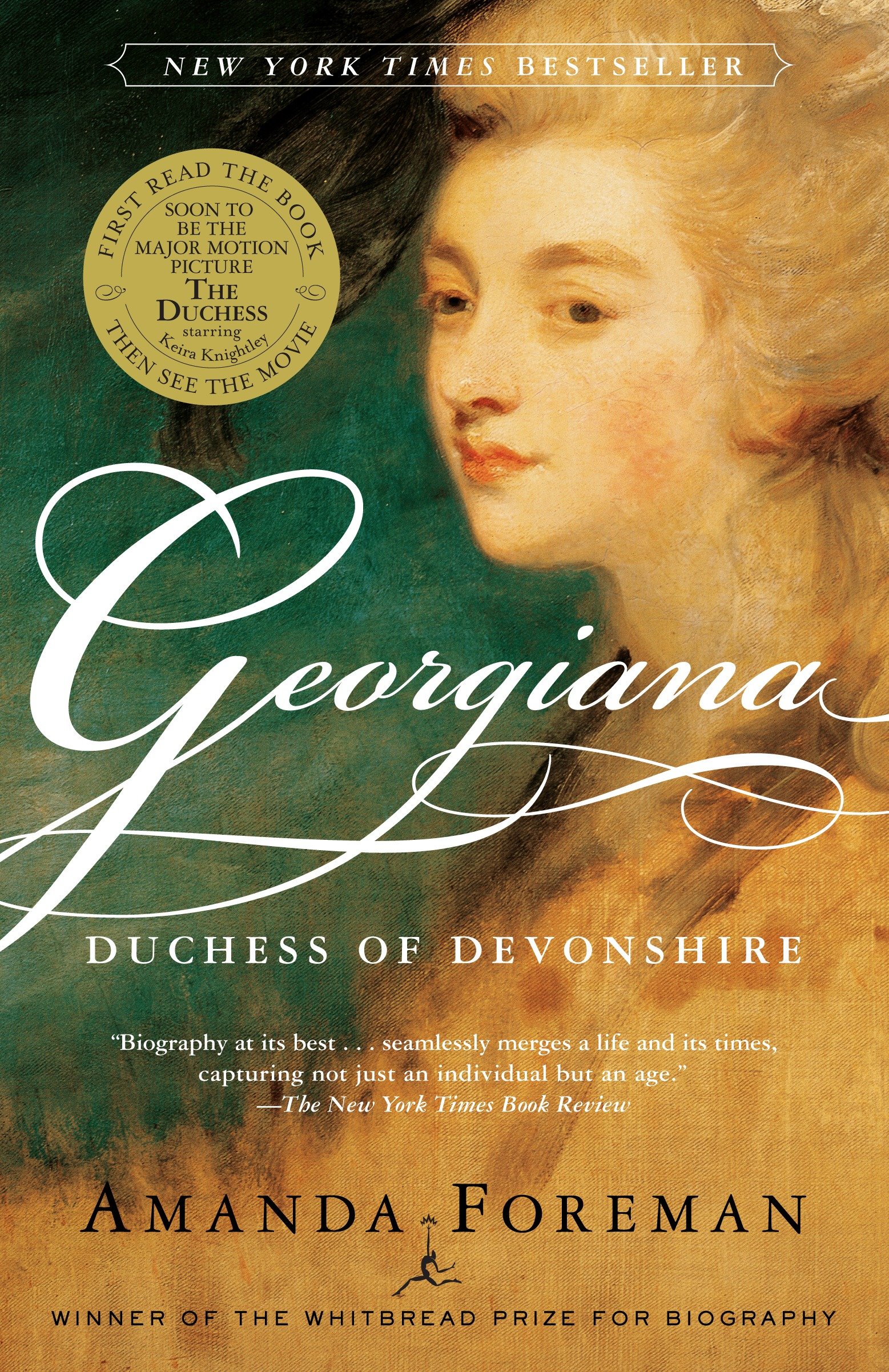
by Amanda ForemanAt seventeen, in 1774, Georgiana Spencer married the Duke of Devonshire and became a celebrity overnight. In Georgiana, Amanda Foreman follows her into friendship with Marie-Antoinette, the Prince of Wales's adoration and a twenty-year ménage à trois with the Duke and her closest friend, in which both women bore his children. The Diana parallel runs throughout: Georgiana was her great-great-great-great-aunt and nearly as famous in her day.
Come here for: Aristocratic salons, political influence, and the tumult of Georgian BritainExpect: Colorful, readable history centered on one unusually consequential womanWhere it sits:Women's LivesGeorgian Britain (1714-1837)Royal LivesDominion
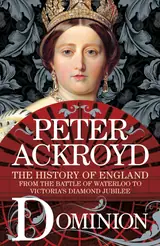
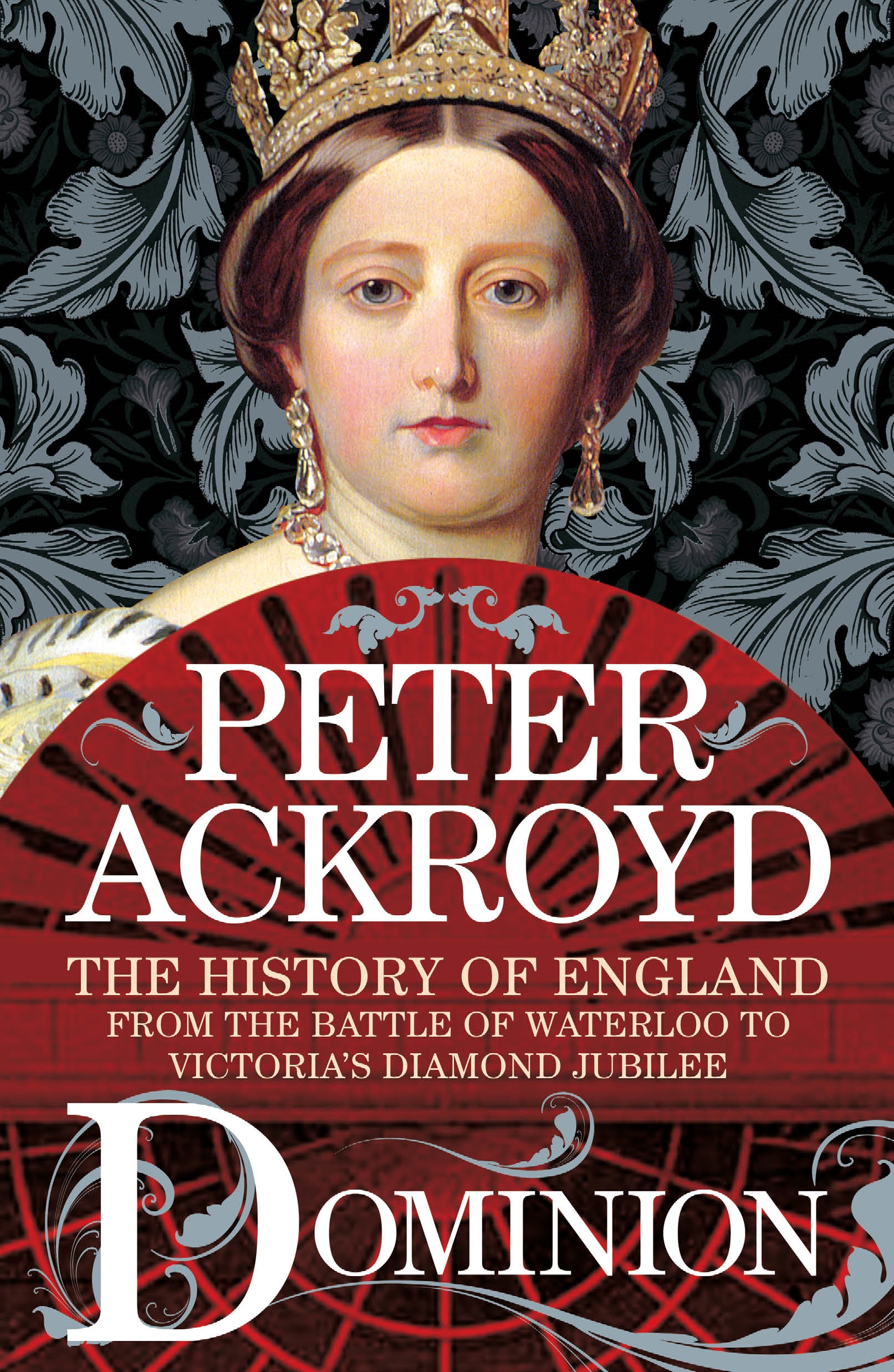
by Peter AckroydWaterloo is won, and the country slides straight into post-war depression. That is where Dominion, the fifth volume of Peter Ackroyd's History of England, picks up. It begins with George IV, whose government Lord Liverpool steered firmly against reform. Next comes William IV, the 'Sailor King,' whose reign modernized the political system and abolished slavery. It suits you best if you want to watch the Georgian age hand over to an eighteen-year-old Victoria and the Great Exhibition of 1851.
Come here for: The sweep from Regency politics to Victorian railways and telegramsExpect: National ambition alongside factory hardship and working-class povertyBury The Chains
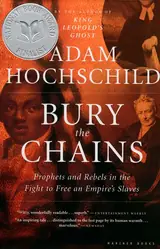
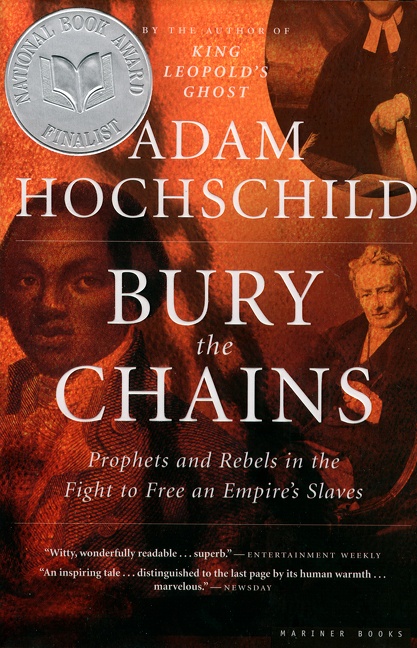
by Adam HochschildEarly 1787, a London printing shop: a printer, a lawyer, a clergyman and others, twelve men in all, meet out of a shared hatred of slavery. Adam Hochschild traces how that room became the world's first grassroots movement fighting for people on another continent. Consumer boycotts, wall posters, lapel buttons and celebrity endorsements all appear in Bury the Chains, pioneered by this campaign and taken up by citizens' movements ever since.
Come here for: The history of an organized fight against British slaveryExpect: Campaign strategy alongside its powerful opponents

Queer Enlightenments
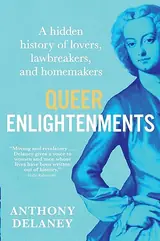
by Anthony DelaneyCome here for: Queer history with a literary edgeExpect: Historical digressions and sharp framing- Come here for: Georgian history beyond wigs, gin, and polite progressExpect: Figures described as magnificent—if not moralWhere it sits:Georgian Britain (1714-1837)18th-Century History
How the Scots Invented the Modern World
by Arthur HermanCome here for: Connections between Scottish history and modern democracy, markets, and educationExpect: A journey across centuries, from the Scottish Enlightenment to later historical figuresThe Age of Wonder
by Richard HolmesCome here for: Romantic-era criticism with a scientific edgeExpect: Historical and philosophical contextThe Howe Dynasty
by Julie FlavellEmpire of Guns
by Priya SatiaCome here for: A fresh account of industrial growth through the British gun tradeExpect: A sustained history spanning 1688 to 1815The London Hanged
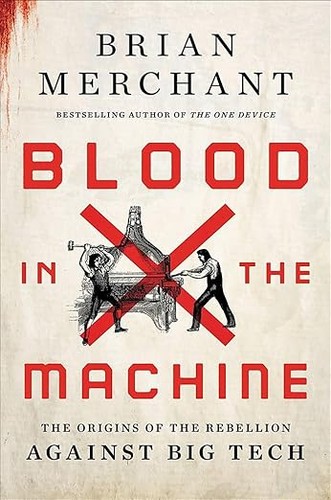
by Peter LinebaughCome here for: Eighteenth-century London, crime, and civil societyExpect: Dense historical explanationBlood in the Machine
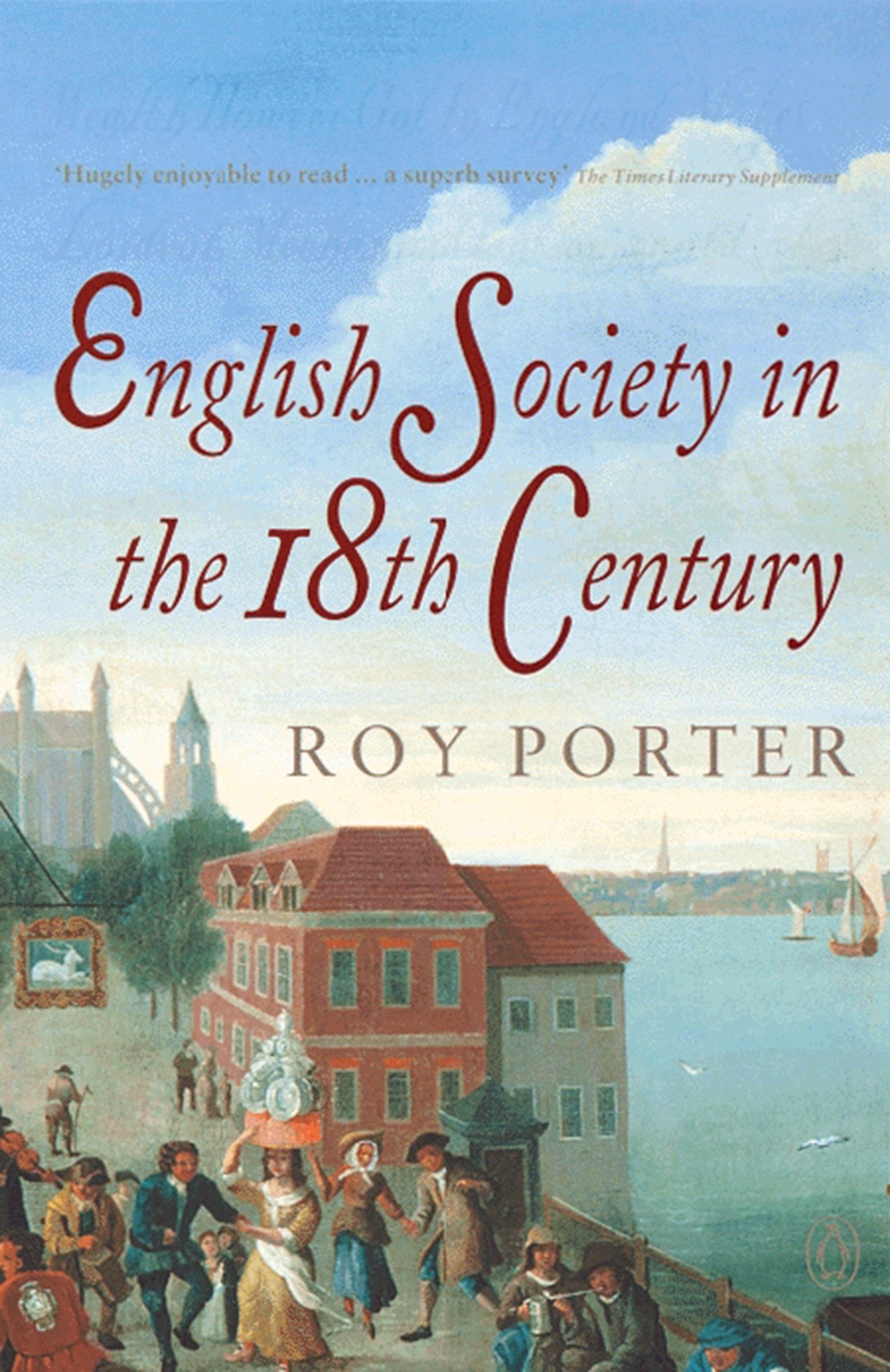
by Brian MerchantCome here for: Tech history with a long memoryExpect: Big-tech rebellion, in historical perspectiveEnglish Society in the 18th Century
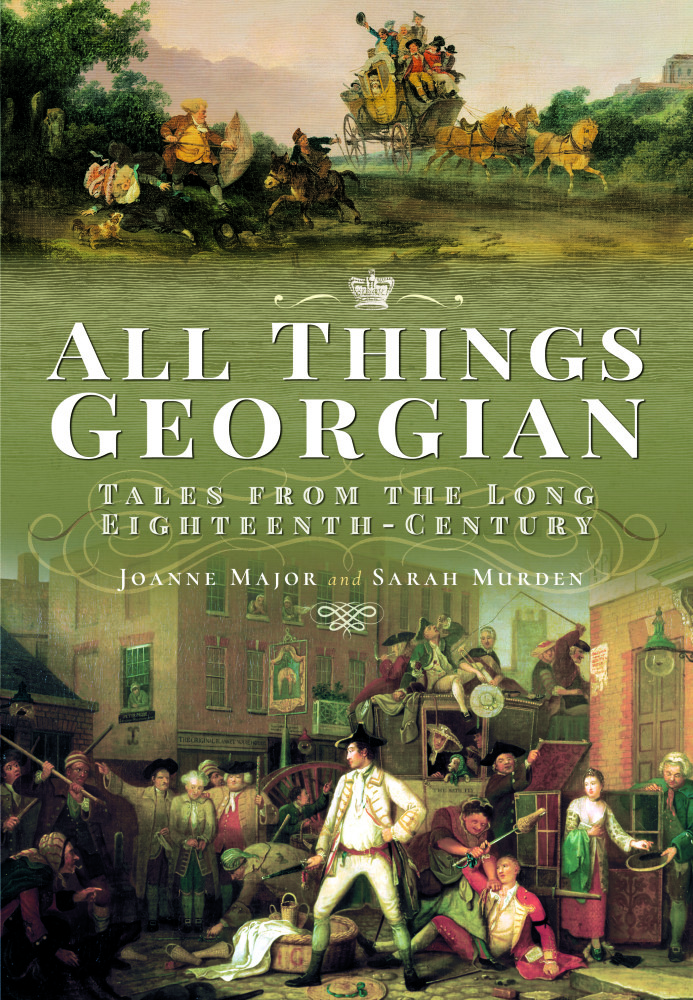
by Roy PorterCome here for: Social texture, not just datesExpect: Structured, sustained overviewAll Things Georgian
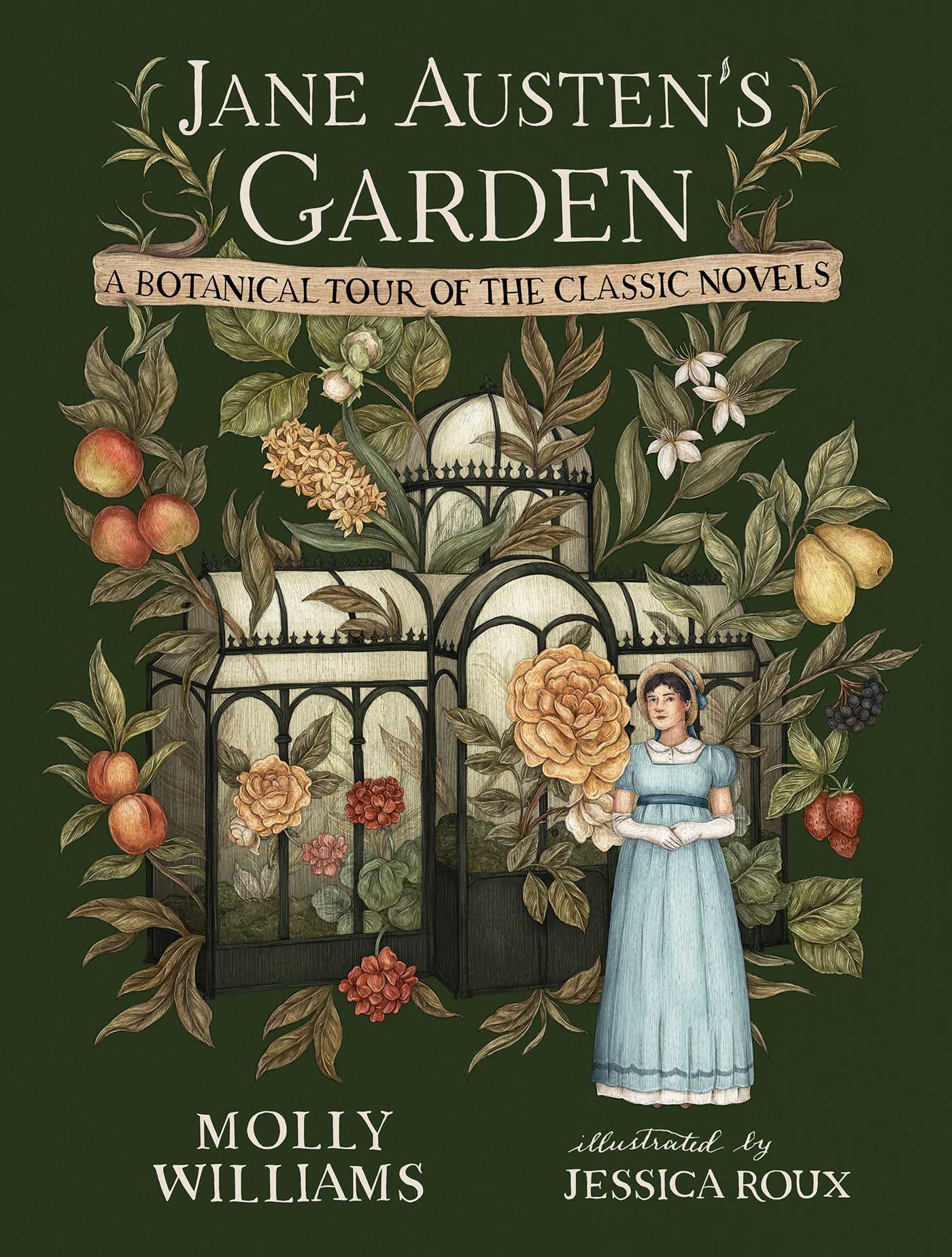
by Joanne Major, Sarah MurdenWhere it sits:Georgian Britain (1714-1837)18th-Century HistoryJane Austen's Garden
by Molly WilliamsCome here for: Botanical symbolism woven through Austen’s work and personal lifeExpect: Illustrations by Jessica RouxThe Highland Clans
by Alistair MoffatCome here for: Highland history shaped by lineage, land, and communityExpect: A timeline from Celtic origins to the present dayTreasures Afoot
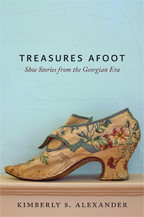
by Kimberly S. AlexanderCome here for: Stories of shoes made, sold, and worn during the long eighteenth centuryExpect: Biographical stories woven with material cultureBritish Redcoat 1793-1815
by Stuart ReidCome here for: The British army’s reorganization, re-equipment, retraining, and leadershipExpect: A military account spanning 1793–1815The Whig Supremacy 1714-1760
by Basil Williams, C. H. StuartWhere it sits:Georgian Britain (1714-1837)18th-Century HistoryLondon Life in the 18th Century
by M. Dorothy GeorgeCome here for: Disease-infected rookeries and vice-ridden streetsExpect: A social history of the capital cityEvery Valley
by Charles KingCome here for: Handel, reframed through the age around himExpect: Accessible historical sweepThe Jacobites
by Daniel SzechiCome here for: A pan-European survey of Jacobitism across all three kingdomsExpect: Coverage of the Irish dimension and Jacobite diasporaThe Eighteenth Century
by Paul LangfordCome here for: Domestic politics, including popular political cultureExpect: Social and demographic structure and growthPirates and Privateers in the 18th Century
by Mike RendellCome here for: The Spanish treasure fleet’s sinking and the pirate gold rush that followedExpect: The King’s Pardon as a gamble that paid offThe Amiens Truce: Britain and Bonaparte 1801 - 1803
by John D GraingerWhat Jane Austen's Characters Read (And Why
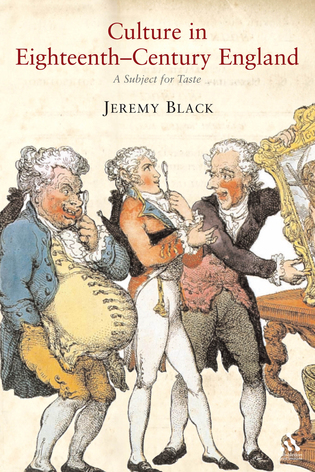
by Susan Allen FordCome here for: Austen’s own reading and her interest in readers’ responsesExpect: What those choices meant to Austen’s readership, then and todayCulture in Eighteenth-Century England
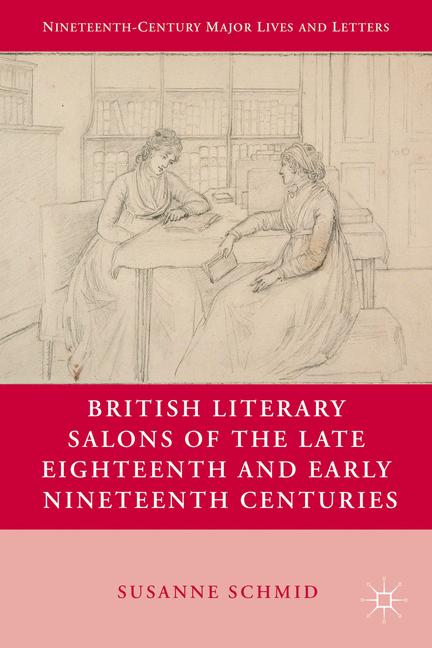
by Jeremy BlackWhere it sits:18th-Century HistoryGeorgian Britain (1714-1837)- Come here for: Political and cultural agitation in British salonsExpect: Guests including Byron, Moore, and Thackeray
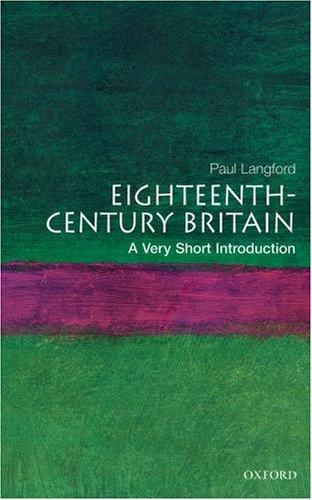
Eighteenth-Century Britain: A Very Short Introduction
by Paul LangfordWhere it sits:Georgian Britain (1714-1837)18th-Century History