Personal Investing
From supermarket aisles to rental properties, these books argue the edge in investing belongs to the patient, plainspoken amateur.
Optimized for books about investing.
Investing has a reputation for jargon, hot tips and noise. The books here cut through it. Some hand you one durable plan and tell you to stick with it; others teach you to read a financial statement, size a bet or price a property. One Up on Wall Street makes the case that a trip to the supermarket counts as research. The Little Book of Common Sense Investing boils long-term wealth down to low costs and patience. The Psychology of Money turns the lens on the person placing the trades: you. Opening a first brokerage account or finally deciding what to do with a retirement account? Start here.
Our reading of each book:Come here forExpectWhere it sits
One Up On Wall Street
by Peter LynchA tenbagger is a stock that climbs tenfold from where you bought it, and Peter Lynch holds that a few of them can turn an average portfolio into a star. The legendary fund manager's argument is that you'll often spot the next one on a store shelf before any analyst does. He shows which numbers on a financial statement really count, and how cyclical, turnaround and fast-growing companies each call for different handling.
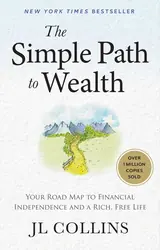
Come here for: Plain-English investing judgmentExpect: Stock picking framed as everyday observationWhere it sits:Investing (Personal)StocksMutual Funds & ETFsThe Simple Path to Wealth
by J L CollinsIt began as a series of letters J L Collins wrote to his daughter, and that father-to-kid frankness survives on every page. The pitch is radical in its simplicity: skip market timing, skip hot stocks, skip paying someone else to manage it all. Collins also takes aim at the culture of spending that drains money before it's ever invested, tying wealth to the bigger prize of freedom. This revised edition adds a FAQ, updated data and a punchlist to act on.
Come here for: Plainspoken investing guidance, from debt to retirement accounts.Expect: Direct, often irreverent explanations of financial concepts.The Little Book of Common Sense Investing
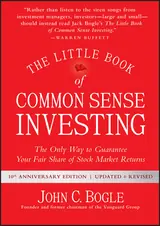
by John C. BogleWhat if the smartest move is to own the whole market and stop there? John C. Bogle, the mutual fund pioneer, builds the case for buying and holding a very low-cost fund that tracks a broad index like the S&P 500, the one approach that guarantees your fair share of stock market returns. The tenth anniversary edition brings fresh data plus two new chapters, one on asset allocation and one on retirement investing.
Come here for: Plainspoken investing basicsExpect: Direct advice from John C. BogleThe Dhandho Investor
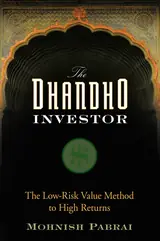
by Mohnish Pabrai"Heads, I win! Tails, I don't lose that much!" That motto sums up Mohnish Pabrai's framework, distilled from the capital allocation habits of the business-savvy Patels from India and applied to the stock market. He builds on Graham, Buffett and Munger with ideas like few bets, big bets, infrequent bets, Abhimanyu's dilemma and a detailed treatment of the Kelly Formula for buying undervalued stocks. The style stays light even when the math turns serious.
Come here for: Low-risk value thinkingExpect: Career-minded framingThe Psychology of Money
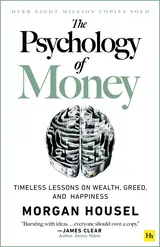
by Morgan HouselThe dinner table, not the spreadsheet, is where most money decisions actually get made, and Morgan Housel builds a whole book on that fact. Across 19 short stories, he digs into how personal history, ego, pride, marketing and odd incentives scramble together whenever money is on the line. The lesson lands quietly: behavior beats knowledge. The pace is reflective, a welcome change of gear between the more technical books on this list.
Where it sits:Personal FinanceInvesting (Personal)Managing Your MoneyThe ABCs of Real Estate Investing
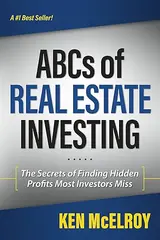
by Ken McElroyStocks aren't the only route to cash flow. Ken McElroy turns to property, walking through how to find places with real potential, weigh them against the purchase price and negotiate on the numbers rather than on gut feeling. He also dismantles the myths that keep people from getting started, then shows how property management can lift your income long after closing. It suits you best if rentals interest you more than ticker symbols.
Come here for: Hidden-profit angleExpect: Toolkit-style guidance


Quit Like a Millionaire
by Kristy Shen, Bryce LeungCome here for: Practical money movesExpect: Clear, usable guidanceWhere it sits:Investing (Personal)Retirement PlanningWealth ManagementYour Money or Your Life
by Vicki Robin, Joe DominguezCome here for: A mindful alternative to strict budgetingExpect: A nine-step program grounded in habits and deliberate choicesFinancial Freedom
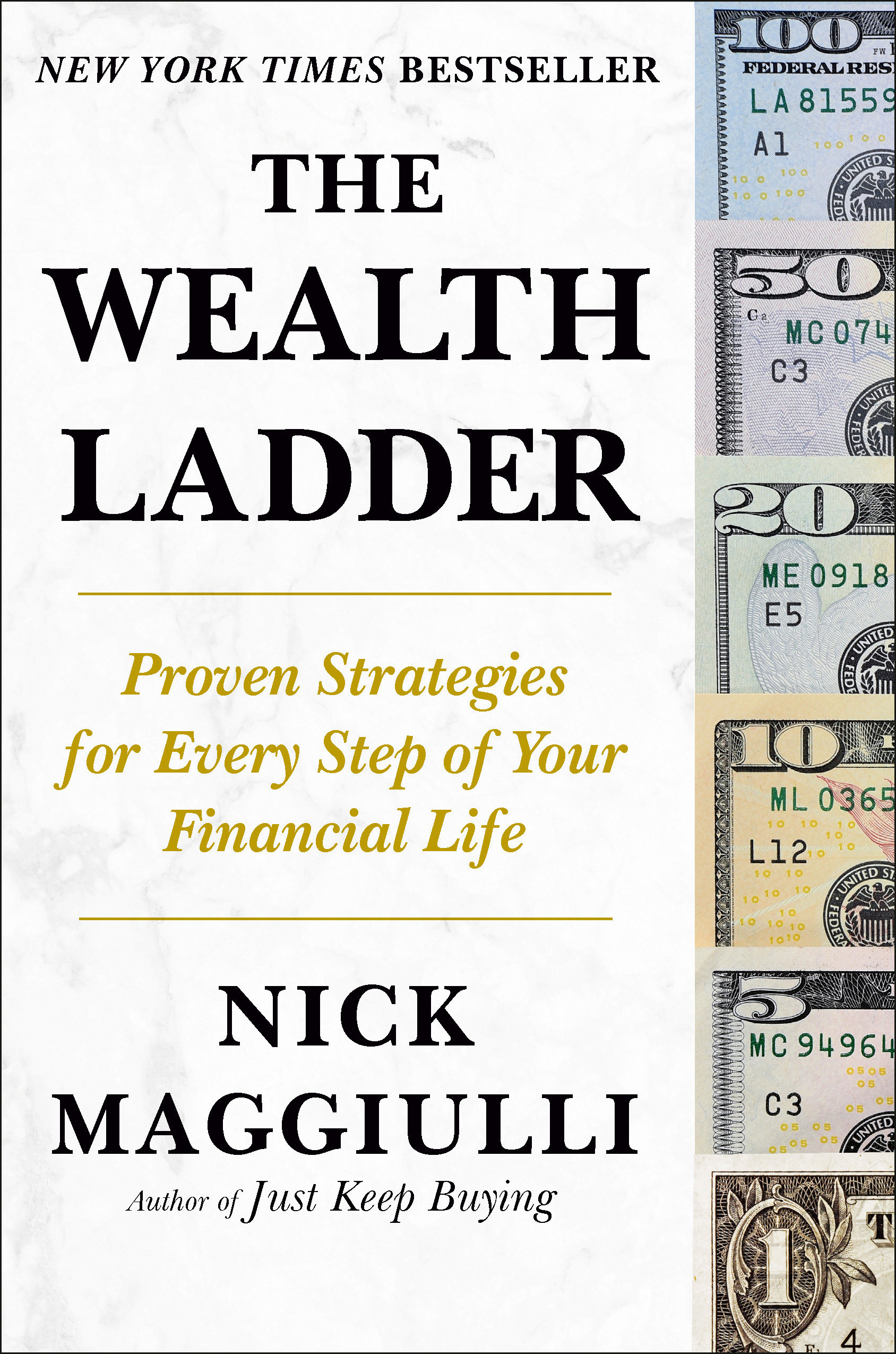
by Grant SabatierCome here for: A fresh take on money, work, and the time you trade for bothExpect: A step-by-step path spanning income, saving, work, and investingWhere it sits:Personal FinanceInvesting (Personal)BudgetingThe Wealth Ladder
by Nick MaggiulliCome here for: Step-by-step money movesExpect: Clear financial frameworksWhere it sits:Investing (Personal)Wealth ManagementPersonal FinanceA Random Walk Down Wall Street
by Burton G MalkielCome here for: Clear investing guidanceExpect: Portfolio basicsWhere it sits:Investing (Personal)Portfolio ManagementStocksThe Most Important Thing
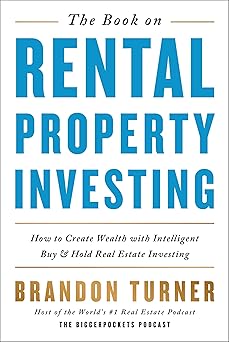
by Howard MarksCome here for: Investing fundamentals with a contrarian streakExpect: Practical portfolio judgmentThe Book on Rental Property Investing
by Brandon TurnerCome here for: Buy-and-hold basicsExpect: Accessible investing languageThe Automatic Millionaire, Expanded and Updated
by David BachWhere it sits:Personal FinanceRetirement PlanningInvesting (Personal)Investing 101
by Michele CaganCome here for: Plain-English investing basicsExpect: Stocks, bonds, ETFs, IPOsWhere it sits:Investing (Personal)StocksWealth ManagementThe Intelligent Asset Allocator: How to Build Your Portfolio to Maximize Returns and Minimize Risk
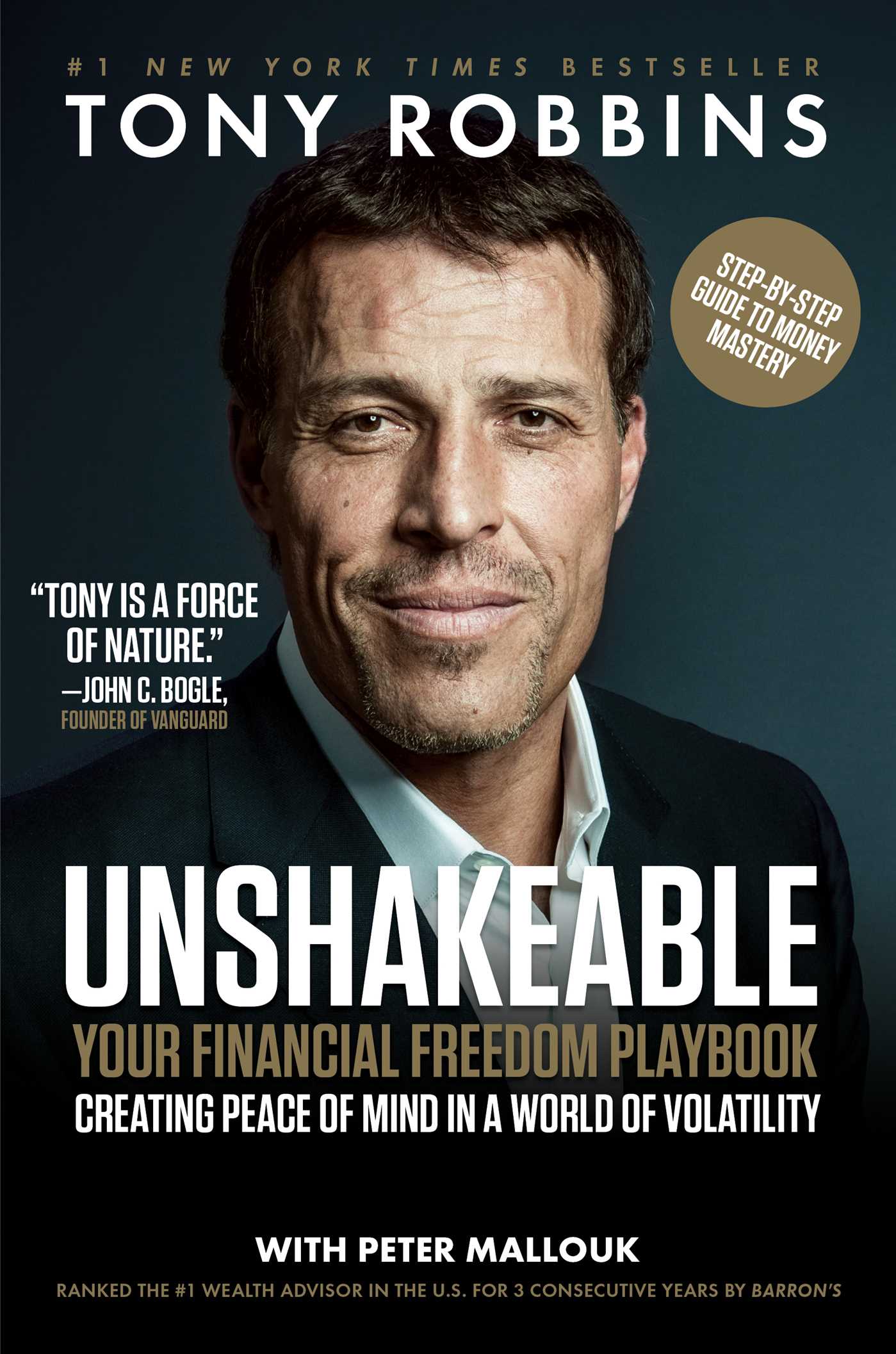
by Bernstein, William J.Come here for: Portfolio-building basicsExpect: Clear allocation-minded framingUnshakeable
by Tony Robbins, Peter MalloukCome here for: A plain-English route into investing, retirement, and financial freedomExpect: Actionable guidance on building a financial planWhere it sits:Investing (Personal)Retirement PlanningWealth ManagementStock Investing For Dummies
by Paul MladjenovicCome here for: Plainspoken stock-investing basicsExpect: Beginner-oriented explanationsWhere it sits:StocksInvesting (Personal)Portfolio ManagementThe One-Page Financial Plan
by Carl RichardsCome here for: One-page framework, not a sprawling systemExpect: Practical planning lensWhere it sits:Personal FinanceInvesting (Personal)BudgetingTrading in the Zone
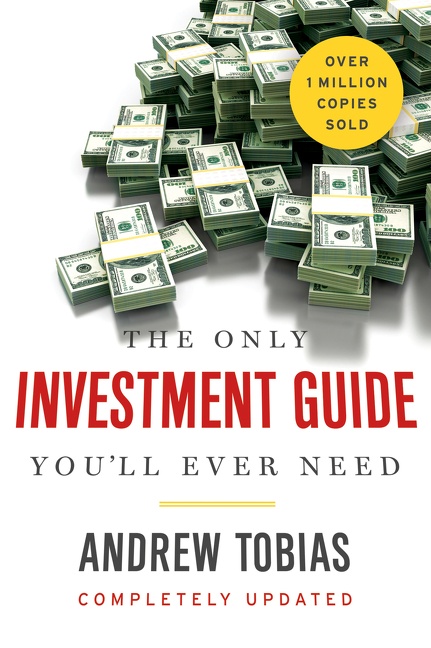
by Mark DouglasCome here for: A practical lens on trading errors and ingrained mental habitsExpect: An emphasis on mindset, discipline, and accepting random outcomesThe Only Investment Guide You'll Ever Need
by Andrew TobiasCome here for: Practical investing basicsExpect: Reference-friendly adviceThe Intelligent Investor Rev Ed.
by Benjamin GrahamCome here for: Value-investing fundamentalsExpect: Dense but readableHow to Invest
by David M. RubensteinCome here for: Candid conversations with influential investorsExpect: A focus on principles and decision-makingWhere it sits:Investing (Personal)Private EquityVenture CapitalThe Missing Billionaires
by Victor Haghani, James WhiteCome here for: Practical financial decisionsExpect: Investing and portfolio basicsHow to Make Money in Stocks: A Winning System in Good Times and Bad, Fourth Edition
by O'Neil, William J.Come here for: Rules, patterns, and repeatable stock-picking signalsExpect: Specialist terminologyHow Not to Invest
by Barry RitholtzCome here for: Behavior-first investing adviceExpect: Ideas, numbers, and behavior togetherThe Four Pillars of Investing, Second Edition: Lessons for Building a Winning Portfolio
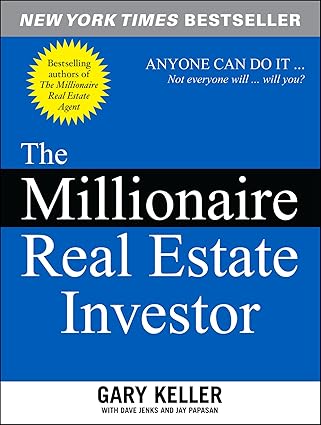
by Bernstein, William J.Come here for: Portfolio-building basicsExpect: Professional utilityThe Millionaire Real Estate Investor
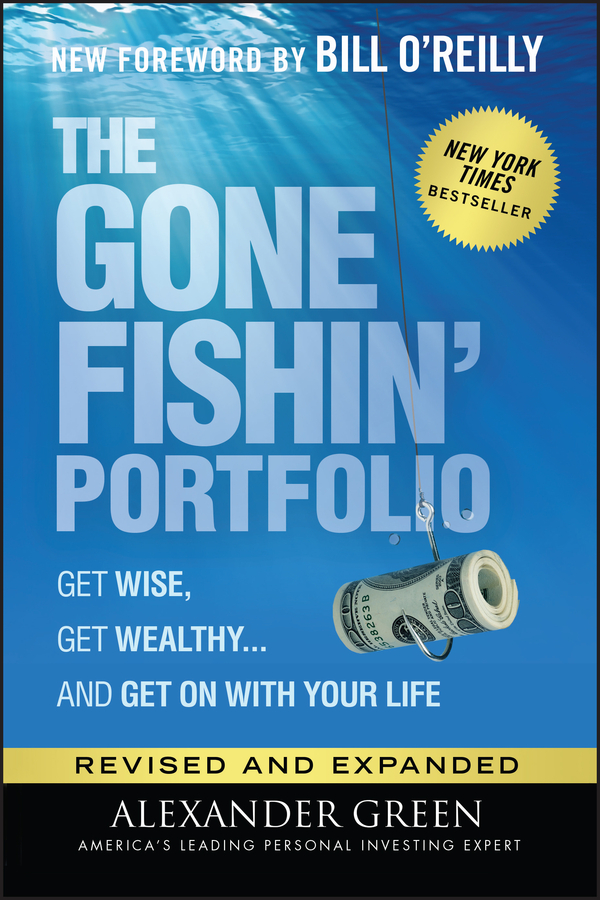
by Keller, Gary, Jenks, DaveCome here for: Real-estate investing basicsExpect: Clear, utility-first guidanceThe Gone Fishin' Portfolio
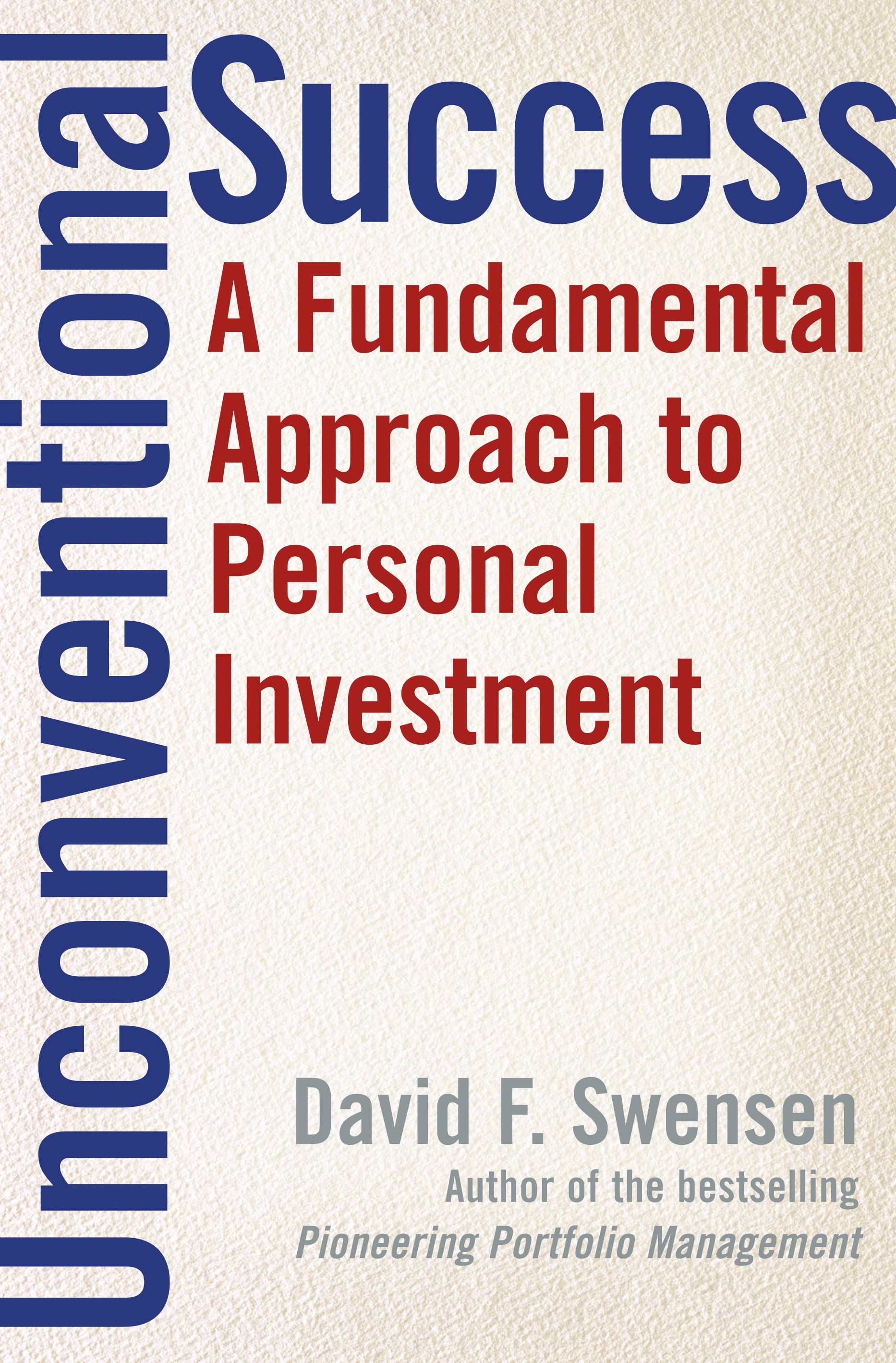
by Alexander GreenCome here for: Plainspoken portfolio guidanceExpect: Clear, usable adviceUnconventional Success
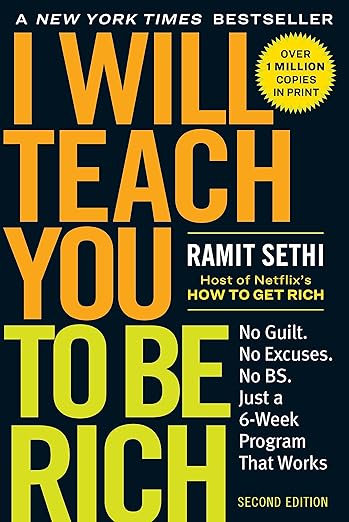
by David F. SwensenCome here for: Plainspoken investing principlesExpect: Professional, utility-first adviceI Will Teach You to Be Rich
by Ramit SethiCome here for: Clear money habitsExpect: Accessible frameworkWhere it sits:Managing Your MoneyInvesting (Personal)BudgetingAngel
by Jason CalacanisCome here for: Angel investing basicsExpect: Hard-nosed, operatorly perspectiveWhere it sits:Venture CapitalStarting a BusinessInvesting (Personal)Personal Finance For Dummies
by Eric TysonCome here for: Plainspoken money guidanceExpect: Budgeting basicsWhere it sits:Personal FinanceInvesting (Personal)Budgeting- Where it sits:Real Estate InvestingInvesting (Personal)Mortgages
The Little Book That Still Beats the Market
by Joel GreenblattCome here for: Value-investing basicsExpect: Simple market logicMoney Rules
by Jean ChatzkyCome here for: Clear money basicsExpect: Simple budgeting helpWhere it sits:Personal FinanceInvesting (Personal)BudgetingHeads I Win, Tails I Win
by Spencer JakabCome here for: Clear-eyed investing habitsExpect: Straight talk over jargonHow to Invest $50-$5,000 10e
by Nancy DunnanCome here for: Step-by-step investing basicsExpect: Clear, incremental guidanceGirls Just Wanna Have Funds
by Camilla Falkenberg, Emma Due BitzCome here for: Feminist lens on investingExpect: Budgeting and investing basicsThe Real Estate Game
by William J Poorvu, Jeffrey L. CruikshankCome here for: Real estate decisions explained through the people who make deals happenExpect: Nontechnical explanations of investment decisions and deal-makingWarren Buffett and the Interpretation of Financial Statements
by Mary Buffett, David ClarkCome here for: A clear route into income statements and balance sheetsExpect: Straightforward explanations, calculations, and investor anecdotesBroke Millennial
by Erin LowryCome here for: Plainspoken money talkExpect: Budgeting basicsWhere it sits:Investing (Personal)Managing Your MoneyBudgetingQuality Investing
by Lawrence A. Cunningham, Torkell T. EideCome here for: Long-term investing lensExpect: Accessible but layeredThe Truth About Money 4th Edition
by Ric EdelmanCome here for: A broad introduction to personal financeExpect: An accessible tone on a layered subjectWhere it sits:Personal FinanceInvesting (Personal)Managing Your MoneyThe Income Factory: An Investor’s Guide to Consistent Lifetime Returns
by Bavaria, StevenCome here for: Income-first investing lensExpect: Clear portfolio guidanceReal Estate Investing For Dummies
by Eric Tyson, Robert S. GriswoldCome here for: Compare property types, REITs, TICs, and triple-net investmentsExpect: Straightforward guidance on buying, closing, and ongoing operationsThe Little Book of Investing Like the Pros
by Joshua Pearl, Joshua RosenbaumRich AF
by Vivian TuCome here for: Money mindset with career edgeExpect: Straightforward personal finance framingWhere it sits:Personal FinanceInvesting (Personal)BudgetingFundamental Analysis For Dummies
by Matthew KrantzInvesting Amid Low Expected Returns
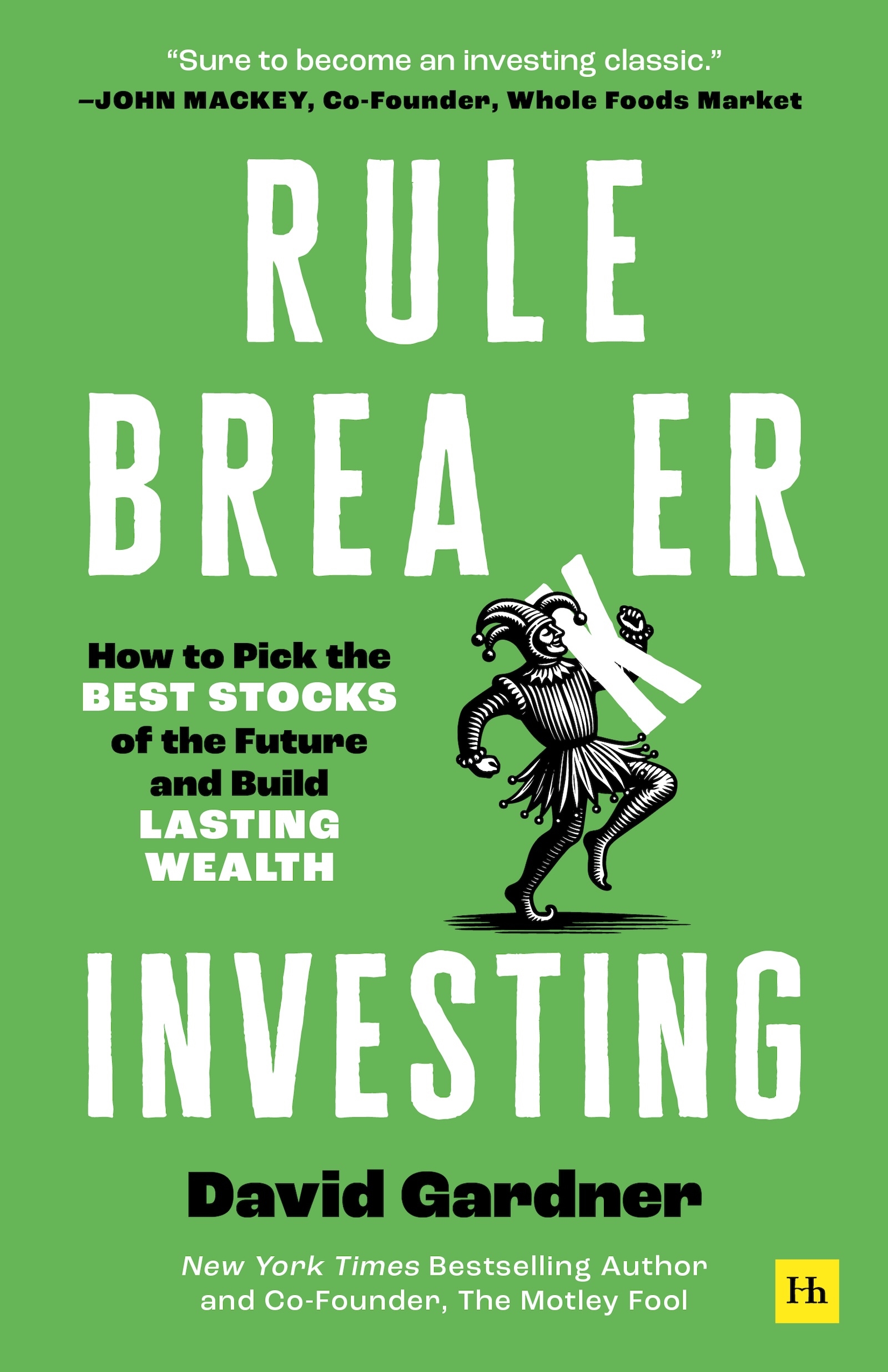
by Antti IlmanenCome here for: Clear-eyed portfolio thinkingExpect: Direct, specialist framingRule Breaker Investing
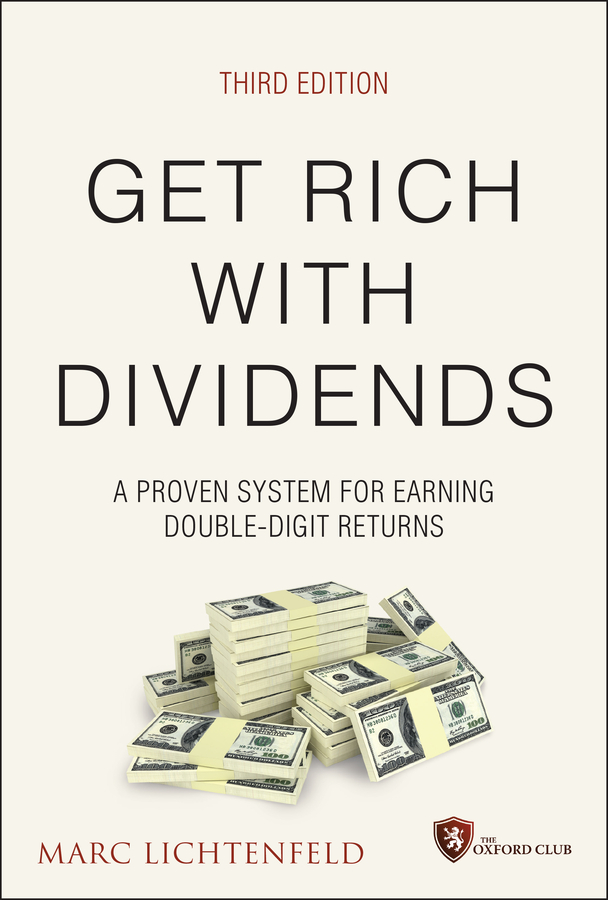
by David GardnerCome here for: A contrarian case for spotting promising stocks before they look obviousExpect: Practical guidance on investing behaviors and finding future stocksGet Rich with Dividends
by Marc LichtenfeldCome here for: Dividend-focused investing guidanceExpect: Toolkit-style chaptersWhere it sits:Investing (Personal)StocksWealth ManagementOptions Trading For Dummies
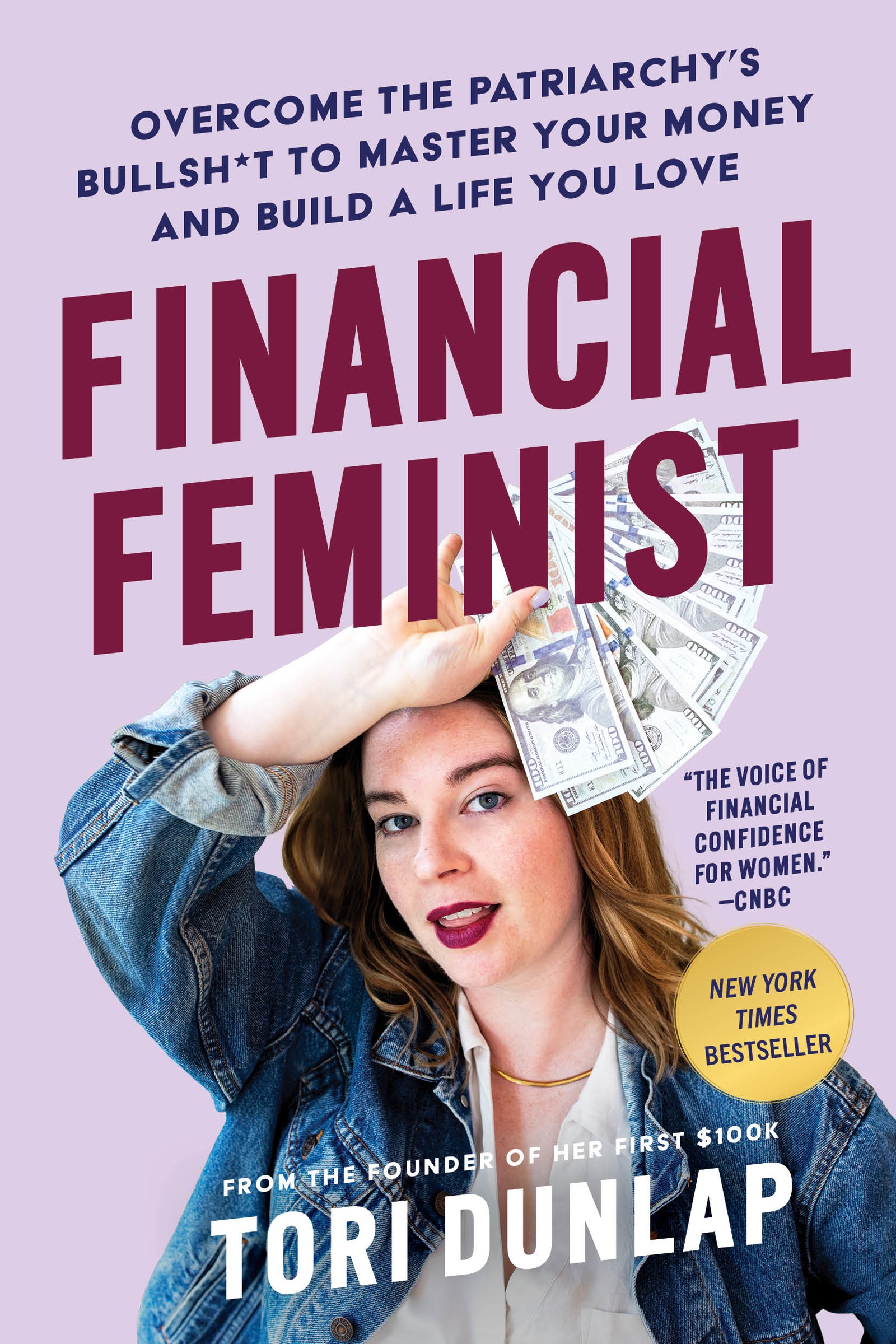
by Joe DuarteFinancial Feminist
by Tori DunlapCome here for: Money talk with a point of viewExpect: Budgeting and investing basicsRich Dad Poor Dad
by Robert T. KiyosakiCome here for: Money mindset basicsExpect: Personal finance framingWhere it sits:Investing (Personal)Personal FinanceManaging Your MoneyThe Little Book of Valuation
by Aswath DamodaranCome here for: A clearer way to weigh assets, debt, equity, and business valueExpect: Valuation formulas alongside real-world examplesWhere it sits:Business ValuationInvesting (Personal)StocksRich Bitch
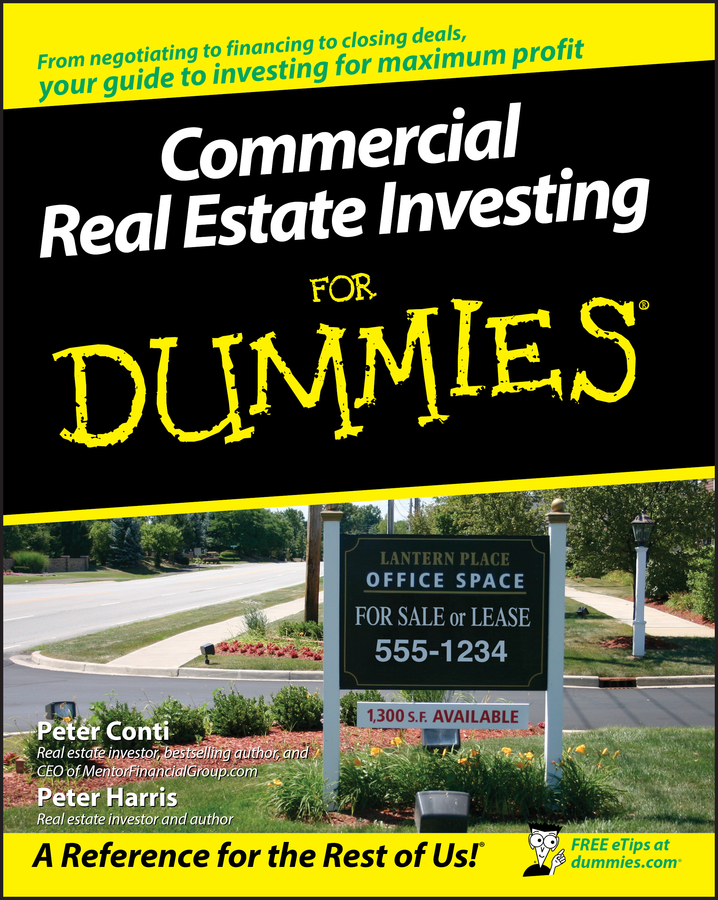
by Nicole LapinCome here for: Money advice with a conversational, candid voiceExpect: A 12-step plan informed by Lapin’s own financial mistakesWhere it sits:Personal FinanceInvesting (Personal)BudgetingCommercial Real Estate Investing For Dummies
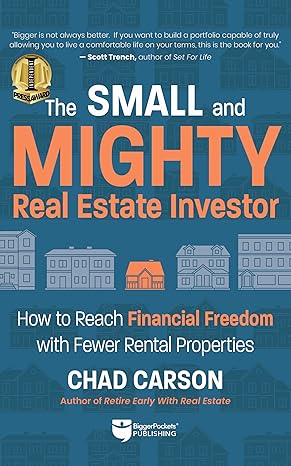
by Peter Conti, Peter HarrisCome here for: Finding leads on commercial property investmentsExpect: Advice on inspections and fixing property problemsSmall and Mighty Real Estate Investor
by Chad CarsonDay Trading For Dummies
by Ann C. LogueCome here for: Plainspoken trading basicsExpect: Accessible instruction