Wealth Management
From a first noodle budget to the math of betting on biased coins, these books meet your money wherever it stands.
Optimized for books about wealth management.

Wealth management isn't one job. Clearing debt, building a first portfolio, retiring decades early and keeping a fortune intact once it exists each call for a different playbook, and this list covers the whole span. The Wealth Ladder maps six levels of wealth with a strategy for each, so you can see which rung you're standing on. Get Good With Money turns a deep financial hole into a ten-step plan backed by worksheets and checklists. And The Missing Billionaires takes on the question that comes after the money arrives: why so many great fortunes quietly vanished. If you want a plan with real numbers behind it, start anywhere.
Our reading of each book:Come here forExpectWhere it sits
The Wealth Ladder
by Nick MaggiulliWorking harder and spending less, yet still stuck? The Wealth Ladder argues the problem is the approach, not the effort. Maggiulli splits wealth into six levels, each with its own handling of spending, income and investments, so what serves you at Level 1 gives way to something else entirely by Level 6. The payoff is knowing which move comes next instead of guessing, with no get-rich-quick promises along the way.
Come here for: Step-by-step money movesExpect: Clear financial frameworksWhere it sits:Investing (Personal)Wealth ManagementPersonal FinanceQuit Like a Millionaire
by Kristy Shen, Bryce LeungKristy Shen retired with a million dollars at thirty-one, without a hot stock, a garage startup or a real estate empire. Quit Like a Millionaire lays out how: trimming spending without gutting quality of life, building a million-dollar portfolio, and armoring it against bear markets and black-swan events with the 4 percent rule and the Yield Shield. This is a FIRE playbook for everyone who isn't going to become an entrepreneur or a property baron.
Come here for: Practical money movesExpect: Clear, usable guidanceWhere it sits:Investing (Personal)Retirement PlanningWealth ManagementThe Millionaire Next Door
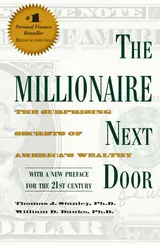
by Thomas J. Stanley, William D. DankoForget Beverly Hills and Park Avenue. The Millionaire Next Door makes the case that most of the truly wealthy live on ordinary streets, and it pins down seven traits that turn up again and again among people who have built real wealth. This edition, the first since 1998, adds a new foreword from Thomas J. Stanley. Its pace is steady and its subject is habit, ideal if you want to see how wealth actually accumulates before deciding how to build your own.
Come here for: Plainspoken wealth insightExpect: Insight over inspirationWhere it sits:Personal FinanceWealth ManagementManaging Your MoneyInvesting 101
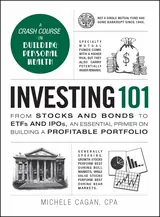
by Michele CaganTextbooks have a way of making investing sound like a sedative. Investing 101 goes the other way, packing its pages with tidbits on value investing, short selling, risk tolerance and mutual funds, all aimed at building a portfolio and growing your savings. Michele Cagan, a CPA, keeps it hands-on rather than lecture-heavy. Start here if investing still feels like a foreign language and you want the vocabulary and mechanics in place before your first trade.
Come here for: Plain-English investing basicsExpect: Stocks, bonds, ETFs, IPOsWhere it sits:Investing (Personal)StocksWealth ManagementGet Good with Money
by Tiffany the Budgetnista AlicheTiffany Aliche was a preschool teacher with a healthy nest egg until a recession and a shady advisor sank her into a deep financial hole. Climbing out produced the plan at the heart of Get Good With Money, built around 'financial wholeness' rather than quick wins. Checklists, worksheets, a resource kit and expert 'Budgetnista Boosters' turn big questions about debt, saving and wealth into short-term actions, starting with a bare-bones 'noodle budget.'
Come here for: Simple money stepsExpect: Ten-step structureWhere it sits:BudgetingManaging Your MoneyWealth ManagementThe Missing Billionaires
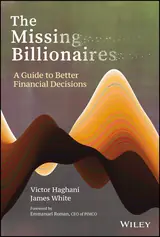
by Victor Haghani, James WhiteWhere are all the billionaire heirs? Had the wealthiest families of the past century spent sensibly, paid taxes and invested in stocks, there should be tens of thousands; The Missing Billionaires can't find one on today's rich lists. Its answer is poor risk sizing, in both investing and spending. The book starts from betting on biased coins, works up to lifetime decisions, then shows how to calibrate your own risk aversion. It rewards some financial literacy, though no PhD is required.
Come here for: Practical financial decisionsExpect: Investing and portfolio basics


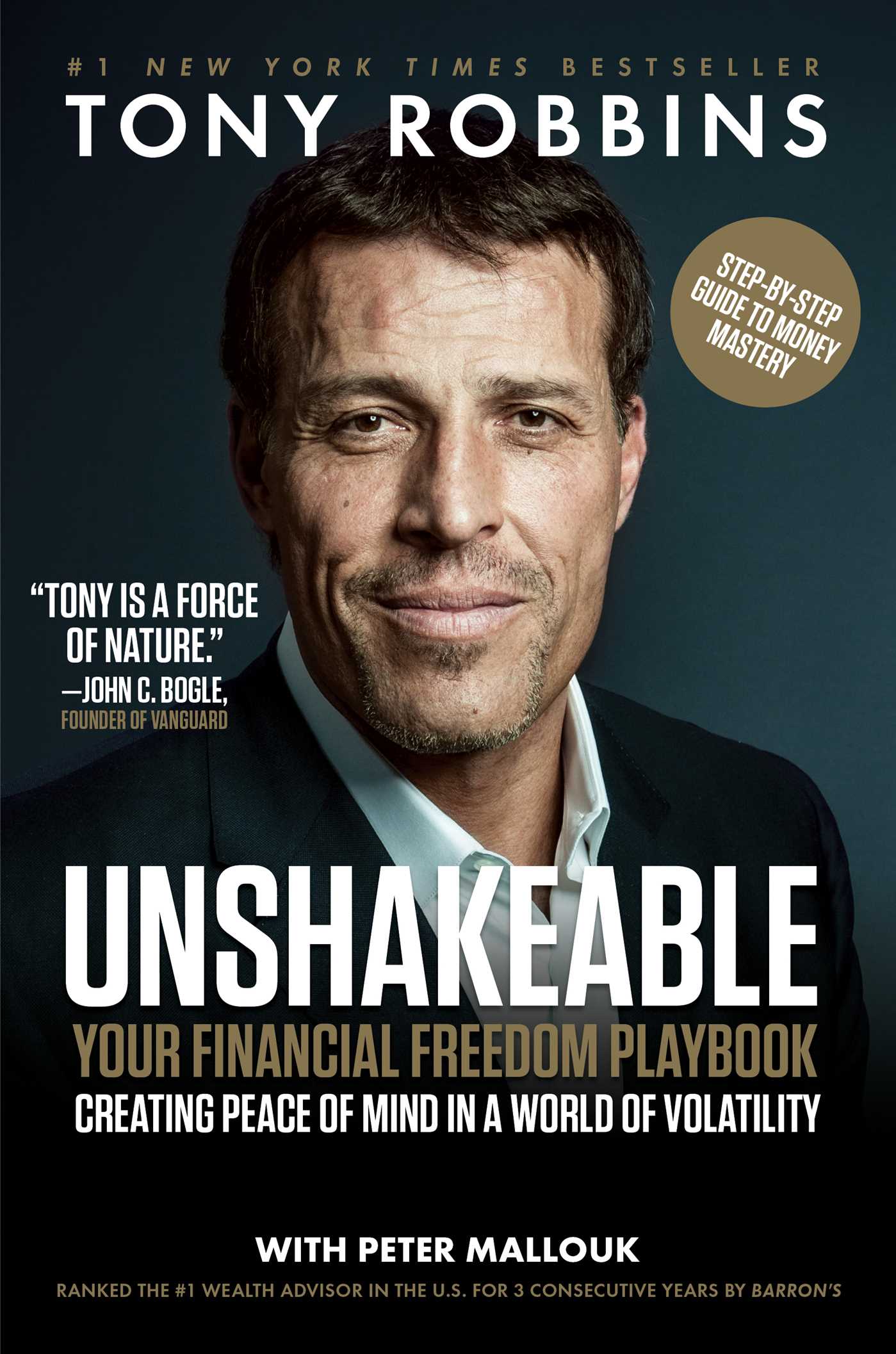
Unshakeable
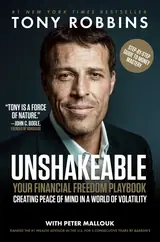
by Tony Robbins, Peter MalloukCome here for: A plain-English route into investing, retirement, and financial freedomExpect: Actionable guidance on building a financial planWhere it sits:Investing (Personal)Retirement PlanningWealth ManagementDie With Zero
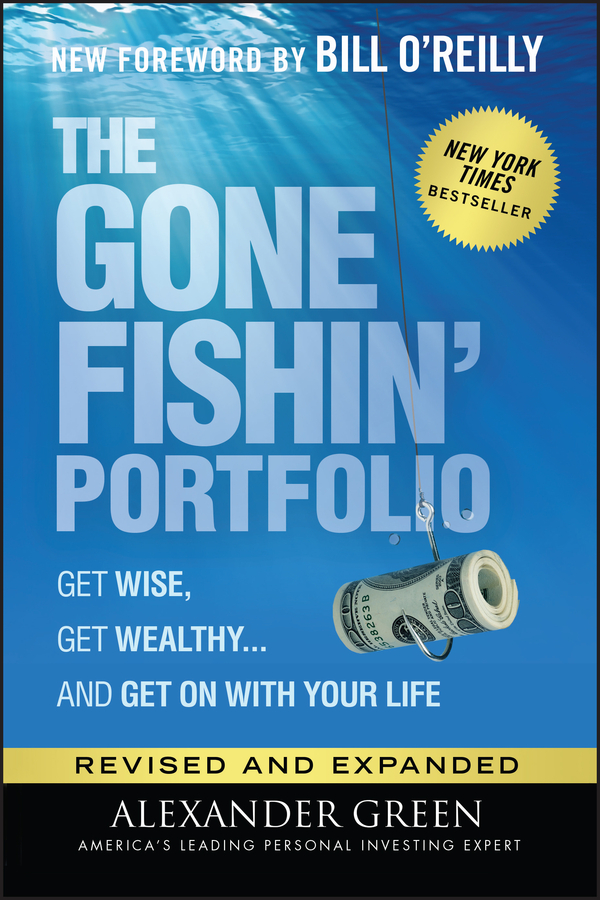
by Bill PerkinsCome here for: Practical money-and-life framingExpect: Layered adviceThe Gone Fishin' Portfolio
by Alexander GreenCome here for: Plainspoken portfolio guidanceExpect: Clear, usable adviceThe Intelligent Asset Allocator: How to Build Your Portfolio to Maximize Returns and Minimize Risk
by Bernstein, William J.Come here for: Portfolio-building basicsExpect: Clear allocation-minded framingWell Endowed
by Vivian TuCome here for: Practical spending strategiesExpect: Budgeting, saving, and retirement basicsWhere it sits:Personal FinanceWealth ManagementRetirement PlanningThe Million-Dollar Financial Services Practice
by David J. Mullen, Jr.Come here for: Templates, scripts, letters, and market action plansExpect: Strategies for affluent-client acquisition, social media, and alumni marketingWhere it sits:Sales & SellingWealth ManagementFinancial ServicesThe New Wealth Management
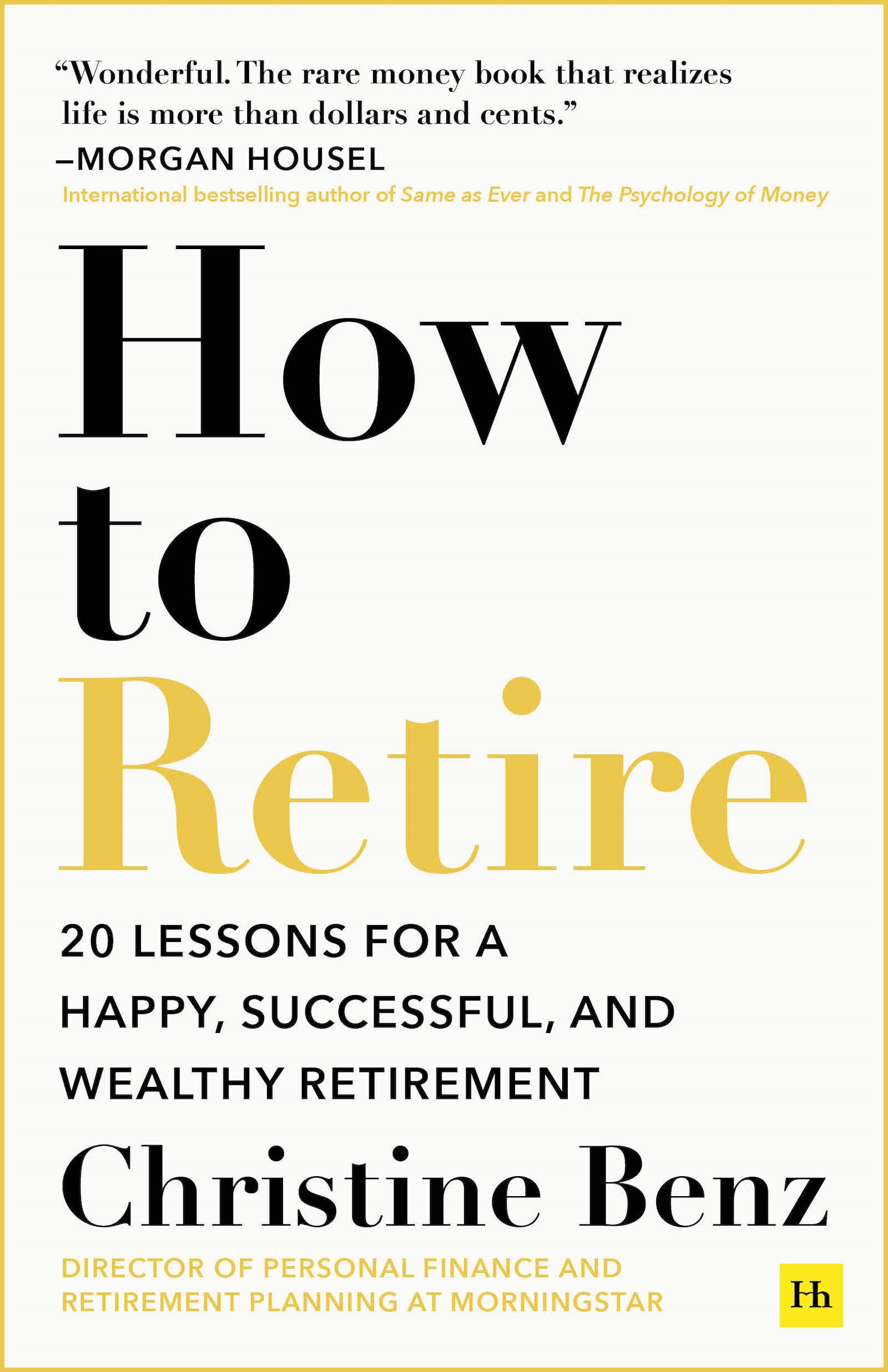
by Harold Evensky, Stephen M. HoranCome here for: Step-by-step guidance on developing client asset-allocation policiesExpect: Ready-to-use client presentationsHow to Retire
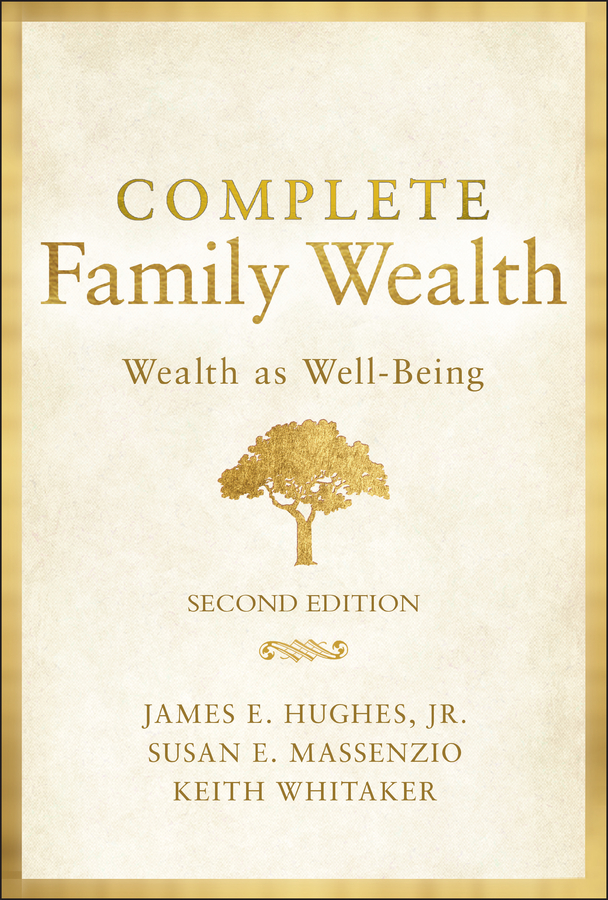
by Christine BenzCome here for: Financial choices alongside questions of happiness, relationships, and regretExpect: Focused lessons rather than one all-purpose retirement formulaWhere it sits:Retirement PlanningAging GracefullyWealth ManagementComplete Family Wealth
by James E. Hughes, Jr., Keith WhitakerWhere it sits:Wealth ManagementEstates & TrustsPersonal FinancePioneering Portfolio Management
by David F. SwensenCome here for: Institutional portfolio thinkingExpect: Layered strategy over quick tipsThe Income Factory: An Investor’s Guide to Consistent Lifetime Returns
by Bavaria, StevenCome here for: Income-first investing lensExpect: Clear portfolio guidanceThe Family Office
by William I. Woodson, Edward V. MarshallCome here for: Cases tracing a family office from a liquidity event through successionExpect: Problem-based learning casesWhere it sits:Wealth ManagementEstates & TrustsThe Value of Debt in Building Wealth
by Thomas J. AndersonWhere it sits:Personal FinanceWealth ManagementInvesting (Personal)Beyond the Grave, Revised and Updated Edition
by Jeffery L. CondonWhere it sits:Estates & TrustsWealth ManagementWillsWhat Wall Street Doesn't Want You to Know
by Larry E. SwedroeCome here for: The case against active managers adding value over timeExpect: A challenge to stock-picking and market-timingWhere it sits:Investing (Personal)Mutual Funds & ETFsWealth ManagementThe Four Pillars of Investing, Second Edition: Lessons for Building a Winning Portfolio
by Bernstein, William J.Come here for: Portfolio-building basicsExpect: Professional utilityInvesting Amid Low Expected Returns
by Antti IlmanenCome here for: Clear-eyed portfolio thinkingExpect: Direct, specialist framingGet Rich with Dividends
by Marc LichtenfeldCome here for: Dividend-focused investing guidanceExpect: Toolkit-style chaptersWhere it sits:Investing (Personal)StocksWealth ManagementThe Complete Family Office Handbook
by Kirby RosplockCome here for: Guidance on family-office structure, compliance, fiduciary duties, and risk managementExpect: Separate guidance on philanthropy, legacy, and impact investingWhere it sits:Wealth ManagementEstates & TrustsInvestingTax-Free Income for Life
by David McKnightWhere it sits:Retirement PlanningTaxes & Your MoneyWealth ManagementBe Smart Pay Zero Taxes
by Mark J. QuannWhere it sits:Taxes & Your MoneyInvesting (Personal)Wealth ManagementYour Perfect Portfolio
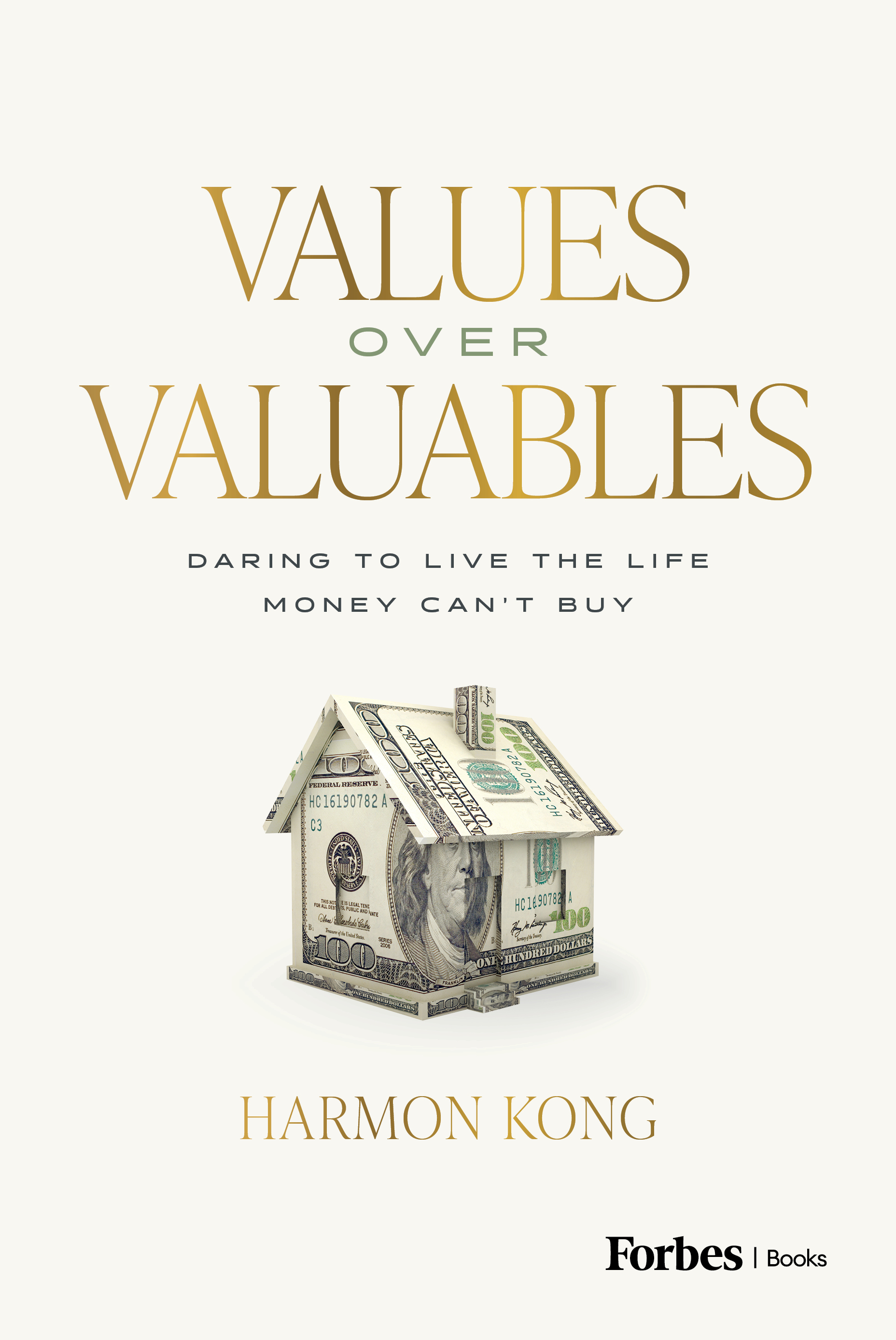
by Cullen RocheCome here for: Ten essential principles of portfolio construction.Expect: Warren Buffett’s classic approach.Values Over Valuables
by Harmon KongCome here for: Fresh ways to think about wealth beyond accumulationExpect: A straightforward blend of financial responsibility and family valuesOffshore
by Brooke HarringtonCome here for: A clear-eyed look at the machinery of offshore financeExpect: An account grounded in interviews across nineteen countriesWhere it sits:Social ClassPolitical EconomyWealth ManagementFamily Capital
by Gregory CurtisCome here for: Family meetings with a wealth advisorExpect: Estate planning and portfolio designWhere it sits:Wealth ManagementEstates & TrustsInvesting (Personal)The Taxable Investor's Manifesto
by Stuart E. LucasCome here for: Keeping a greater share of investment profitsExpect: Guidance on tax incentives in investment strategyWhere it sits:Wealth ManagementTaxes & Your MoneyInvesting (Personal)The Money Habit
by Mike MichalowiczCome here for: Separate bank accounts for cash clarity and spending trackingExpect: Lessons from Michalowicz’s loss of his first fortune and financial recoveryWhere it sits:Managing Your MoneyWealth ManagementBudgetingInside Private Equity
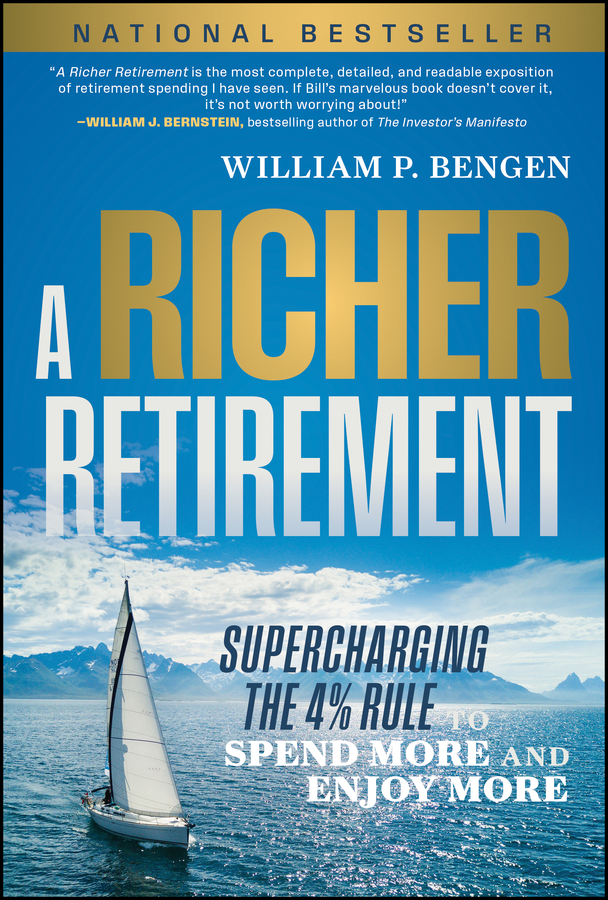
by James M. Kocis, James C. Bachman, IVCome here for: Straightforward examples that demystify IRRExpect: Practical measures for managing portfoliosWhere it sits:Private EquityPortfolio ManagementWealth ManagementA Richer Retirement
by William P. BengenCome here for: 4% rule, sharpenedExpect: Planning logic over pep talkWhere it sits:Retirement PlanningWealth ManagementInvesting (Personal)The Allocator's Edge
by Phil HuberWhere it sits:Portfolio ManagementWealth ManagementPrivate EquityHow to Make Money in Any Market
by James J. CramerCome here for: Plainspoken guidance on stock-market investingExpect: Attention to overcoming fear about investingWhere it sits:Investing (Personal)StocksWealth ManagementThe 5 Years Before You Retire, Updated Edition
by Emily Guy BirkenCome here for: Clear retirement prep, without the fogExpect: Accessible advice, layered enough for second looksWhere it sits:Retirement PlanningTaxes & Your MoneyWealth ManagementWealth of Wisdom
by Tom McCullough, Keith WhitakerCome here for: Tools for planning, investing, and raising the next generationExpect: Chapters each highlight a tool, exercise, or activityWhere it sits:Wealth ManagementEstates & TrustsWork Optional
by Tanja HesterCome here for: Practical early-retirement guidanceExpect: Clear, usable money guidanceWhere it sits:Retirement PlanningBudgetingWealth ManagementWealth Management With a Difference
by April Rudin, Nick RiceCome here for: Generational shifts in values, technology, investing, and politicsExpect: Chapters on generational opportunities and how they may evolveWhere it sits:Wealth ManagementPortfolio ManagementFinancial ServicesFlip-Flops and Fortunes
by Brady JohnsCome here for: Rental property investing tipsExpect: Guidance on getting started with investingThe Smart Woman's Guide to Building and Protecting Wealth
by Ann-Margaret CarrozzaCome here for: Strategies for creating, safeguarding, and sharing wealthExpect: Guidance on nontraditional assets and debtWhere it sits:Wealth ManagementEstates & TrustsPersonal FinanceBorrowed from Your Grandchildren
by Dennis T. JaffeCome here for: Stories of families sustaining wealth across generationsExpect: Private insights from prominent wealthy familiesWhere it sits:Wealth ManagementEstates & TrustsWho Stole My Pension?
by Robert Kiyosaki, Edward SiedleWhere it sits:Retirement PlanningWealth ManagementInvesting (Personal)The Ensemble Practice
by P. PalaveevCome here for: Building a team-based service modelExpect: Guidance on factors behind ensemble-firm growthInvesting in Life
by David Iglewicz DMDCome here for: Plain-language explanations of multifamily investing concepts and processesExpect: Discussion of myths and fears surrounding multifamily investingReal Estate Investing 101
by Michele CaganThe Power of Zero, Revised and Updated
by David McKnightCome here for: 0% tax-bracket strategyExpect: Instruction-first pacingWhere it sits:Retirement PlanningTaxes & Your MoneyWealth Management