Inside the U.S.-Iran Ceasefire Bargain
Six books on Iranian strategy, sanctions leverage, and the chokepoint politics shaping a ceasefire that the White House now calls the weakest yet.
Optimized for books about Readers want to understand the diplomatic, historical, and economic forces behind the fragile U.S.-Iran ceasefire and the standoff over Iran's counterproposal..


Our reading of each book:Come here forExpectWhere it sits
Iran's Rise and Rivalry with the US in the Middle East
by Mohsen M. MilaniMohsen Milani’s analysis of Iran’s regional strategy explains Tehran’s bargaining position and why its 14-point demands...
Come here for: Iran’s foreign policy strategy and its regional implicationsExpect: Iran’s ties with Syria, Hamas, Hezbollah, Iraqi militias, and the HouthisWhere it sits:Middle Eastern PoliticsGeopoliticsIranian HistoryChokepoints
by Edward FishmanChokepoints explains how control of the Strait of Hormuz and maritime blockades translate into economic leverage...
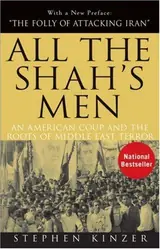
Come here for: Economic warfare, clearly unpackedExpect: Diplomacy and trade, closely intertwinedWhere it sits:GeopoliticsSecurity StudiesPolitical EconomyAll the Shah's Men
by Stephen KinzerKinzer’s history of the 1953 coup provides essential background on longstanding US interventions that shape Iranian...
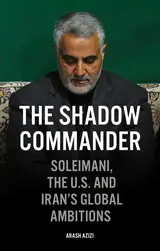
Come here for: The coup’s diplomatic aftershocksExpect: History with geopolitical consequencesThe Shadow Commander
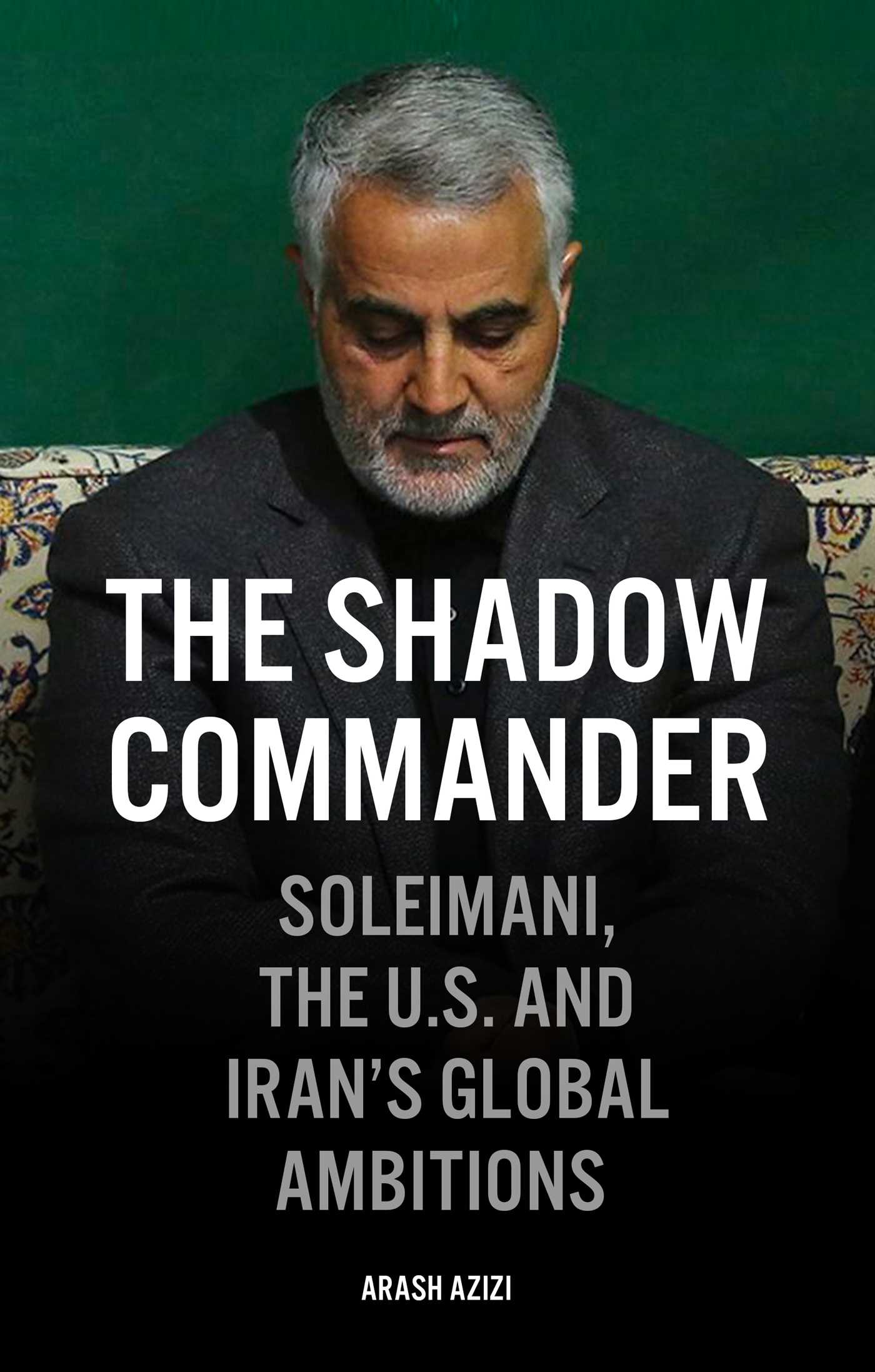
by Arash AziziThe Shadow Commander offers recent insight into Iran’s security leadership and the operational logic behind its...
Come here for: A close look at Soleimani’s rise and Iran’s regional powerExpect: Political context that connects one powerful figure to Iran’s wider reachWhere it sits:Military LivesIranian HistoryMiddle Eastern PoliticsBackfire
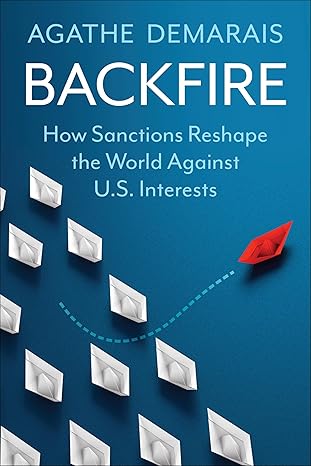
by Agathe DemaraisBackfire examines sanctions as a coercive tool and why economic pressure complicates negotiated settlements.
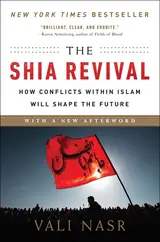
Where it sits:Trade & TariffsPolitical EconomyGeopoliticsThe Shia Revival
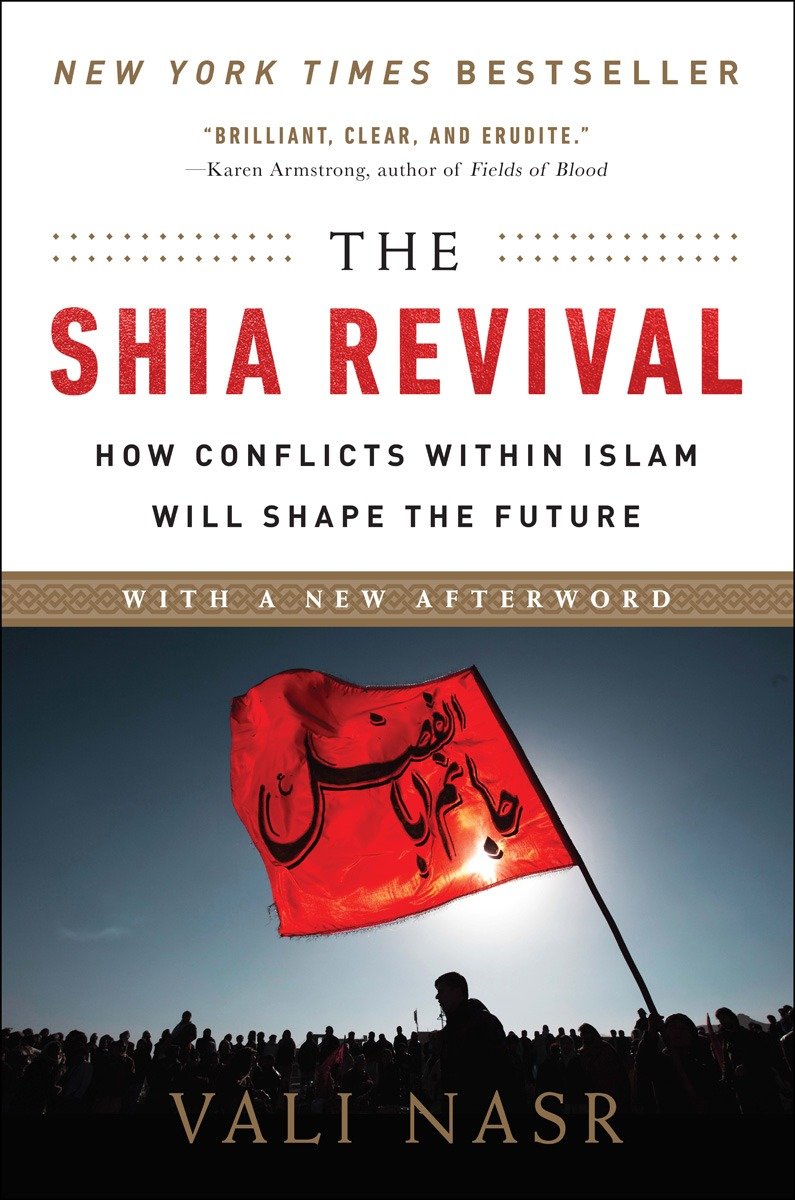
by Seyyed Vali Reza NasrThe Shia Revival situates Iran’s ideological and sectarian motivations that underlie its regional posture and reactions...
Come here for: Clear-eyed religious and historical framingExpect: Straightforward explanationWhere it sits:Shi'a IslamMiddle Eastern PoliticsIranian History