Holding the Senate: Rules Versus Presidential Pressure
How Senate leaders defend chamber rules and norms when a president demands they bend, and why intra-party fights over the filibuster keep resurfacing.
Optimized for books about Books explaining how the Senate's rules, the filibuster, and party leadership hold up against presidential pressure and intra-GOP conflict..


Our reading of each book:Come here forExpectWhere it sits
Justice on the Brink
by Linda GreenhouseLinda Greenhouse’s account of the Supreme Court and institutional politicization helps readers situate Senate rule...
Come here for: Cultural literacy on the Court, without a law-school detourExpect: Justice and presidential power in close viewInjustice
by Carol Leonnig, Aaron C. DavisCarol Leonnig and Aaron Davis trace presidential efforts to bend institutions, providing context for why senators...
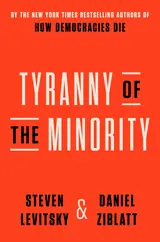
Come here for: Politics-meets-institutions scrutinyExpect: Courts and executive branch focusTyranny of the Minority
by Steven Levitsky, Daniel ZiblattLevitsky and Ziblatt offer a framework for understanding how minority-protecting rules like the filibuster can become...
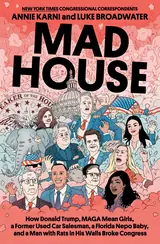
Come here for: Rigorous take on American democracyExpect: Analysis over anecdoteWhere it sits:Political PartiesNational GovernmentDemocracyMad House
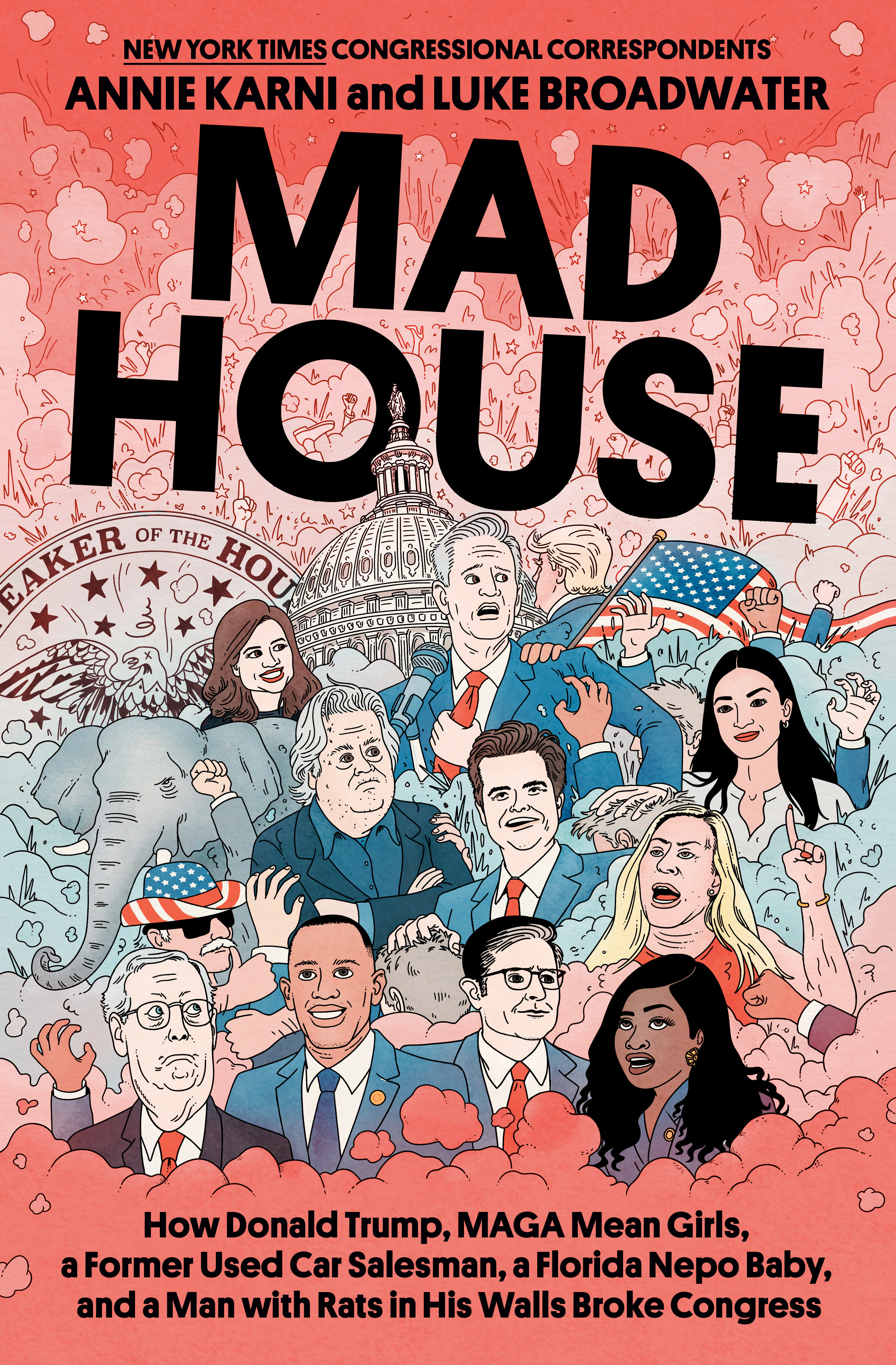
by Annie Karni, Luke BroadwaterMad House gives a reporting-rich view of congressional dysfunction and intra-party warfare that explains the practical...
Come here for: A close-up of congressional dysfunction, political theatrics, and power strugglesExpect: Closed-door tensions alongside public political dramaWhy We're Polarized
by Ezra KleinWhy We're Polarized explains structural polarization and media incentives that drive conflicts between presidential...
Come here for: Ezra Klein’s familiar, high-signal political lensExpect: Politics-first framingWhy We Did It
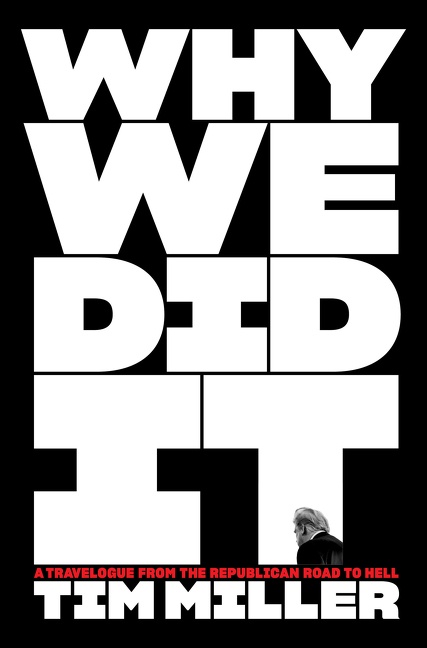
by Tim MillerTim Miller’s insider perspective illuminates why Republican operatives and senators sometimes resist more extreme...
Come here for: Political travelogue energyExpect: Party history and present-tense argumentWhere it sits:Political LivesPolitical Parties21st-Century America