How Supreme Court Doctrine Gets Made
Books on how individual justices shape precedent, when they recuse, and why interpretive methods like the historical-tradition test have become flashpoints over the Court's legitimacy.
Optimized for books about Find books explaining how the Supreme Court makes doctrine, how recusal and ethics norms work, and why justices fight over interpretive methods..

Our reading of each book:Come here forExpectWhere it sits
The Shadow Docket
by Stephen VladeckVladeck explains how nontransparent procedures like the shadow docket change decisionmaking and institutional...
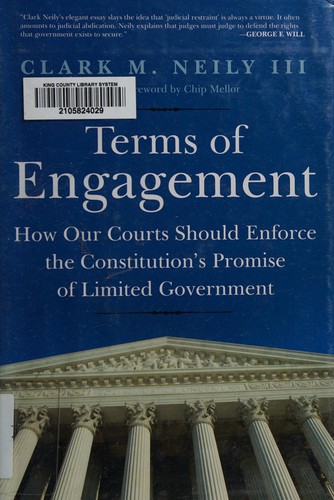
Come here for: The Court’s expanded use of emergency rulings since 2017Expect: Discussion of rulings on voting laws and abortion bansTerms of Engagement
by Clark M. Neily IIINeily analyzes judicial overreach and constitutional limits, offering a conservative critique that helps readers map...
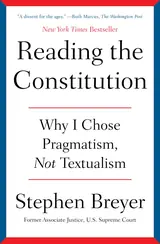
Where it sits:Constitutional LawCourts & the JudiciaryLibertarianismReading the Constitution
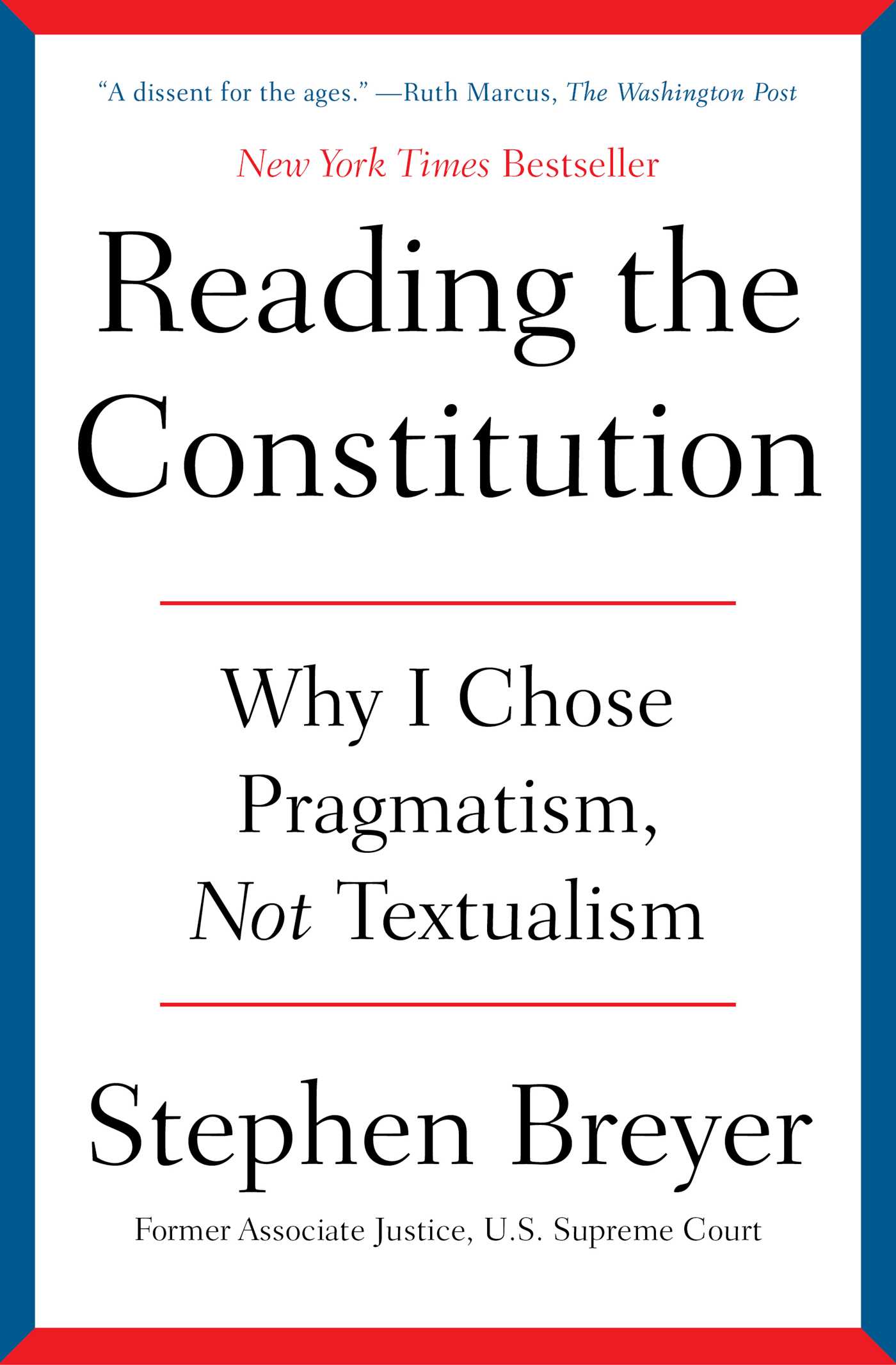
by Stephen BreyerBreyer provides a leading textualist-counterpoint and practical reasoning about interpretive philosophy relevant to...
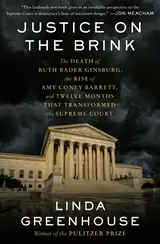
Come here for: Pragmatism over textualismExpect: Measured, argument-driven proseJustice on the Brink
by Linda GreenhouseGreenhouse recounts the Court’s political transformation and how individual justices shape institutional norms and...
Come here for: Cultural literacy on the Court, without a law-school detourExpect: Justice and presidential power in close viewLovely One
by Ketanji Brown JacksonLovely One is Jackson’s memoir and gives readers direct insight into her judicial philosophy, background, and reasons a...
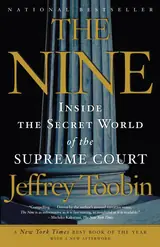
Come here for: Warm, reflective memoir voiceExpect: Personal reflection over plot machineryThe Nine
by Jeffrey ToobinToobin’s insider history helps readers grasp interpersonal dynamics and case politics that drive recusal choices and...
Come here for: Inside-the-institution perspectiveExpect: Courtroom-adjacent, not court-reportingWhere it sits:Courts & the JudiciaryLawyers & JudgesConstitutional Law