Why U.S.-Iran Deals Keep Collapsing
Six books trace the strategic rivalries, historical grievances, energy chokepoints, and domestic pressures that explain why Washington and Tehran keep reaching for agreements and then walking away.
Optimized for books about Books that explain why US-Iran negotiations and peace proposals repeatedly stall.
Our reading of each book:Come here forExpectWhere it sits
Iran's Rise and Rivalry with the US in the Middle East
by Mohsen M. MilaniMilani offers a concise account of Iran’s strategic rise and proxy influence across the region, clarifying Tehran’s...
Come here for: Iran’s foreign policy strategy and its regional implicationsExpect: Iran’s ties with Syria, Hamas, Hezbollah, Iraqi militias, and the HouthisWhere it sits:Middle Eastern PoliticsGeopoliticsIranian HistoryThe Shia Revival
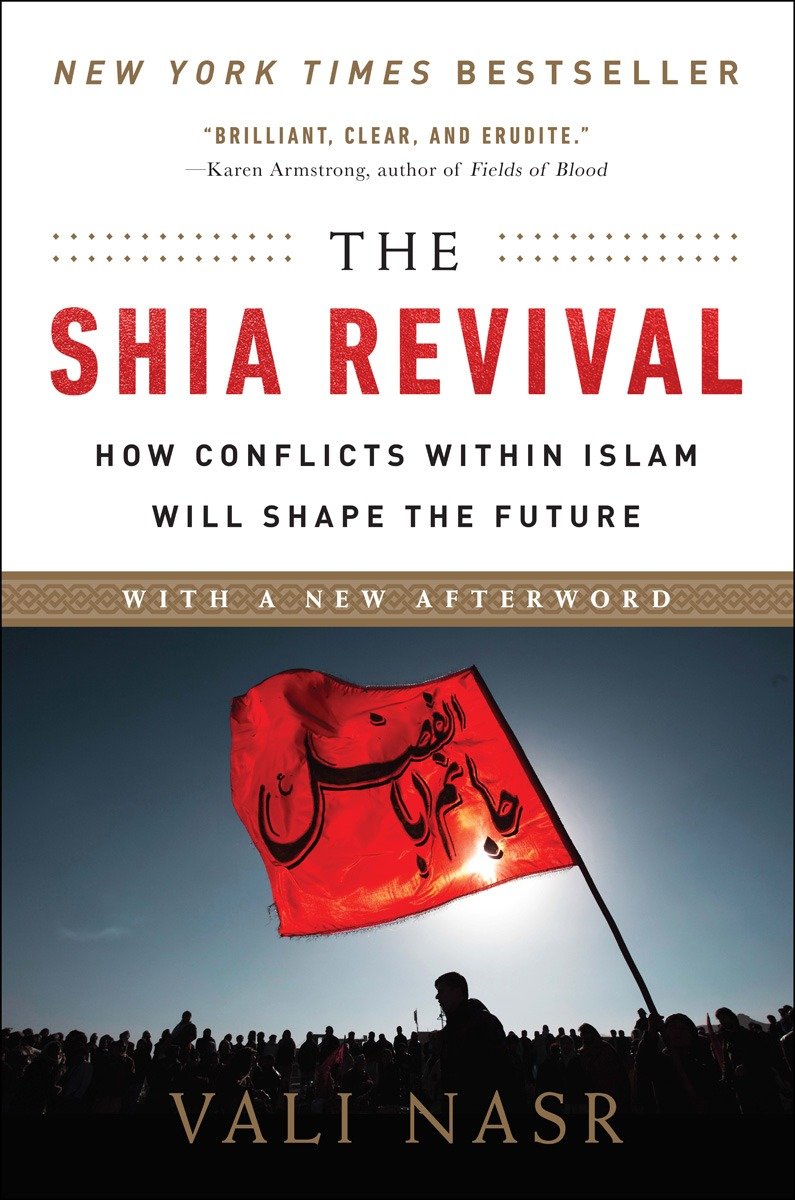
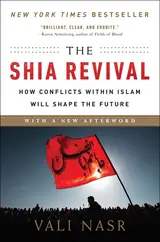
by Seyyed Vali Reza NasrVali Nasr explains Shia geopolitics and regional alignments that shape Iran’s negotiation priorities and its...
Come here for: Clear-eyed religious and historical framingExpect: Straightforward explanationWhere it sits:Shi'a IslamMiddle Eastern PoliticsIranian HistoryThe Shadow Commander
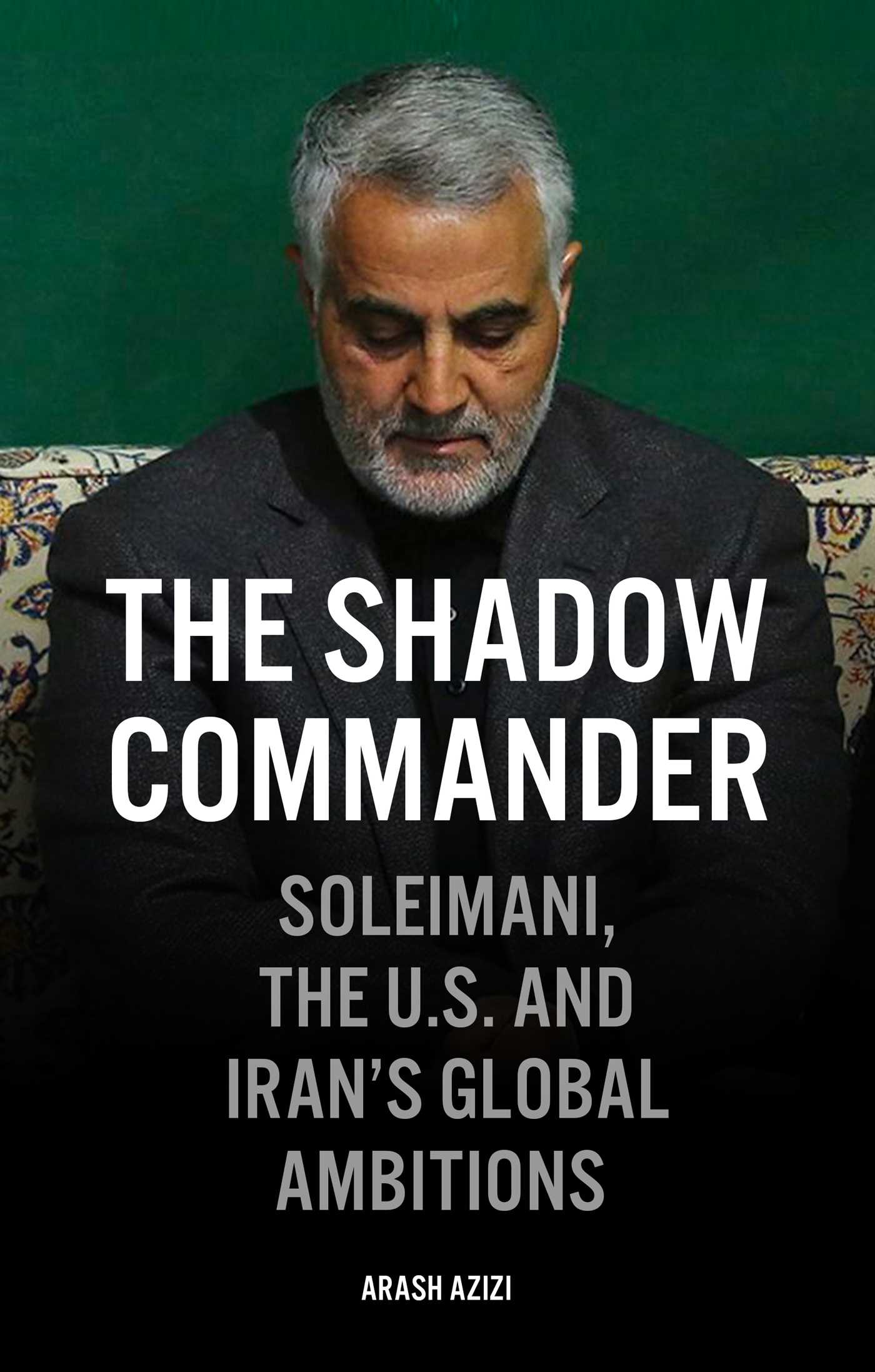
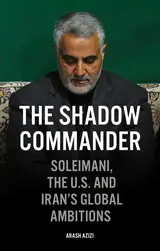
by Arash AziziThe Shadow Commander provides background on Iran’s security leadership and decision making that inform Tehran’s...
Come here for: A close look at Soleimani’s rise and Iran’s regional powerExpect: Political context that connects one powerful figure to Iran’s wider reachWhere it sits:Military LivesIranian HistoryMiddle Eastern PoliticsAll the Shah's Men
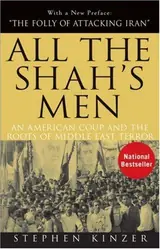
by Stephen KinzerKinzer’s history of the 1953 coup traces long-standing sources of Iranian distrust toward the United States that...
Come here for: The coup’s diplomatic aftershocksExpect: History with geopolitical consequencesThe Fall of Heaven
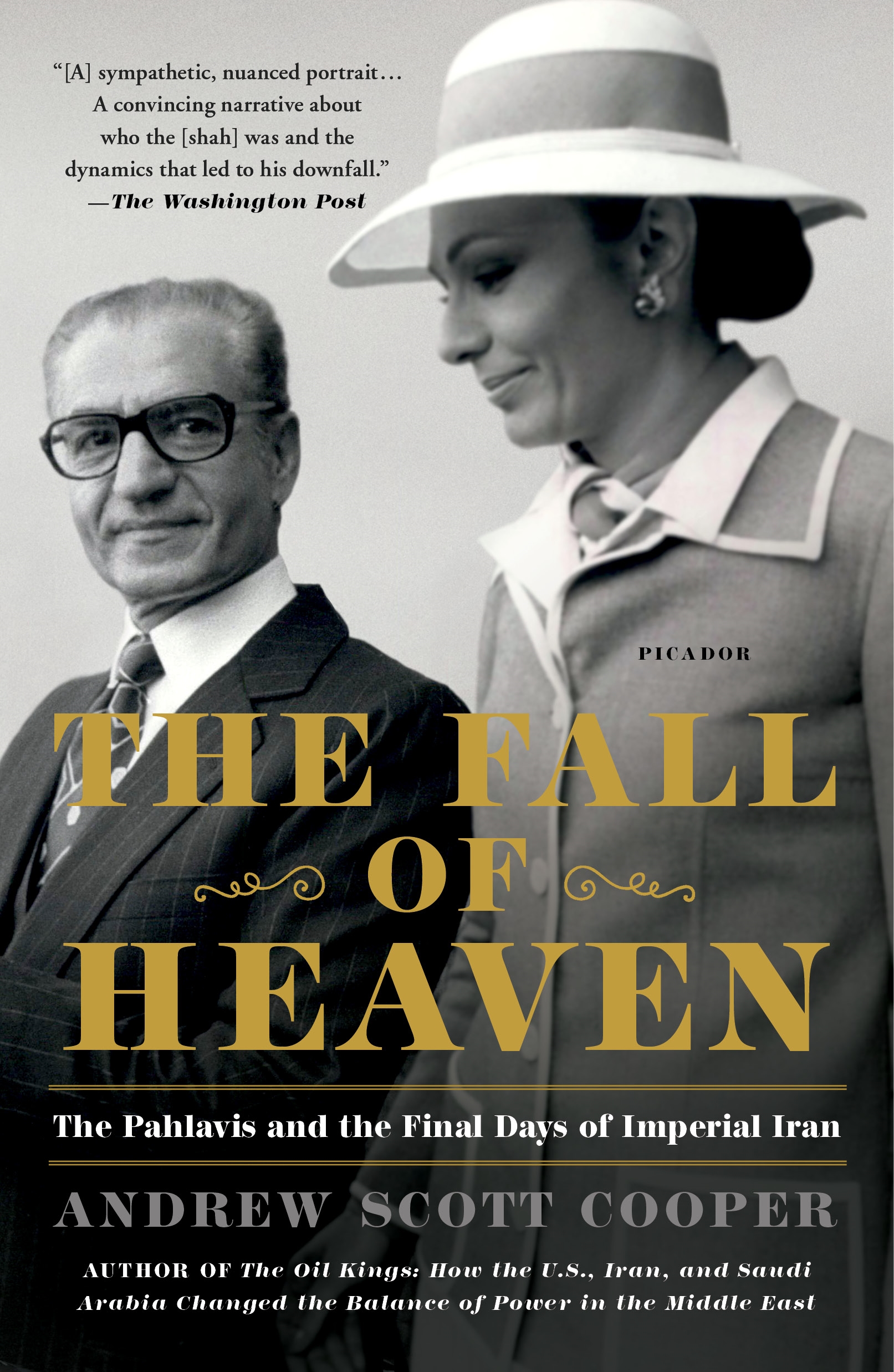
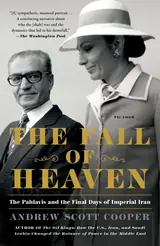
by Andrew Scott CooperThe Fall of Heaven situates modern Iranian politics within the post‑Pahlavi transition, helping readers understand...
Come here for: Imperial Iran, with edgeExpect: Cultural context without the fogThe Oil Kings
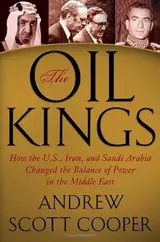
by Andrew Scott CooperThe Oil Kings links energy politics and geostrategic chokepoints like the Strait of Hormuz to the material stakes that...
Come here for: The U.S.–Iran–Saudi triangle, told through oil and powerExpect: Clear historical framing