Why US Cities Flood
A reading path through the weather systems, water infrastructure, and policy choices that decide which downpours turn into disasters.
Optimized for books about Readers trying to understand why flash floods keep hitting American cities and how climate, drainage, and urban planning shape that risk..

Our reading of each book:Come here forExpectWhere it sits
The Weather Machine
by Andrew BlumExplains the forecasting infrastructure and systems behind weather prediction, helping readers understand radar and...
Come here for: The hidden infrastructure behind a forecast you check each morningExpect: Lively reporting linking meteorology with technology and the planetWhere it sits:Meteorology & ClimatologyClimate ChangeWeatherThe Weather of the Future
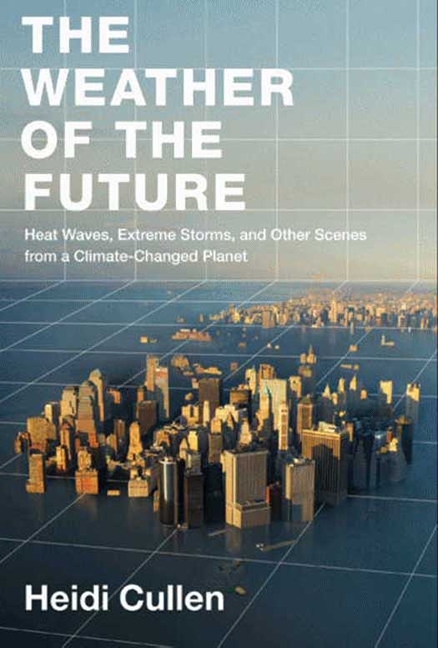
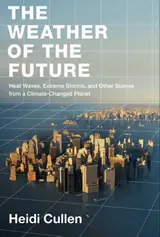
by Heidi CullenPuts extreme rainfall and regional climate shifts in context so readers grasp why heavy downpours that cause flash...
Come here for: Climate change viewed through local weather and regional stakesExpect: Scenarios for seven at-risk locations around the globeThe Dreamt Land
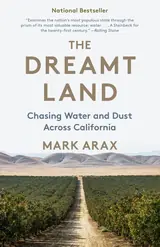
by Mark AraxA deep regional history of water capture and management that illuminates how urban development shapes flood...
Come here for: Water, dust, and the uneasy machinery between themExpect: Sustained narrative sweepEmpire of Water
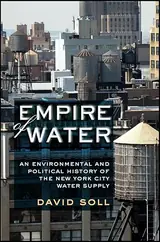
by David SollA municipal water-system history that shows institutional choices and engineering tradeoffs affecting urban flood...
Come here for: The water network’s reach from New York City to the CatskillsExpect: City–countryside tensions over waterWhere it sits:Water SupplyMiddle Atlantic HistoryConservationThe Big One
by Michael T. Osterholm, Mark OlshakerProvides public-health and disaster-preparedness perspective on responding to sudden catastrophic events and protecting...
Come here for: Public-health clarityExpect: Serious, readable explanationWhere it sits:Contagious DiseasesEpidemiologyPublic HealthUnder a White Sky
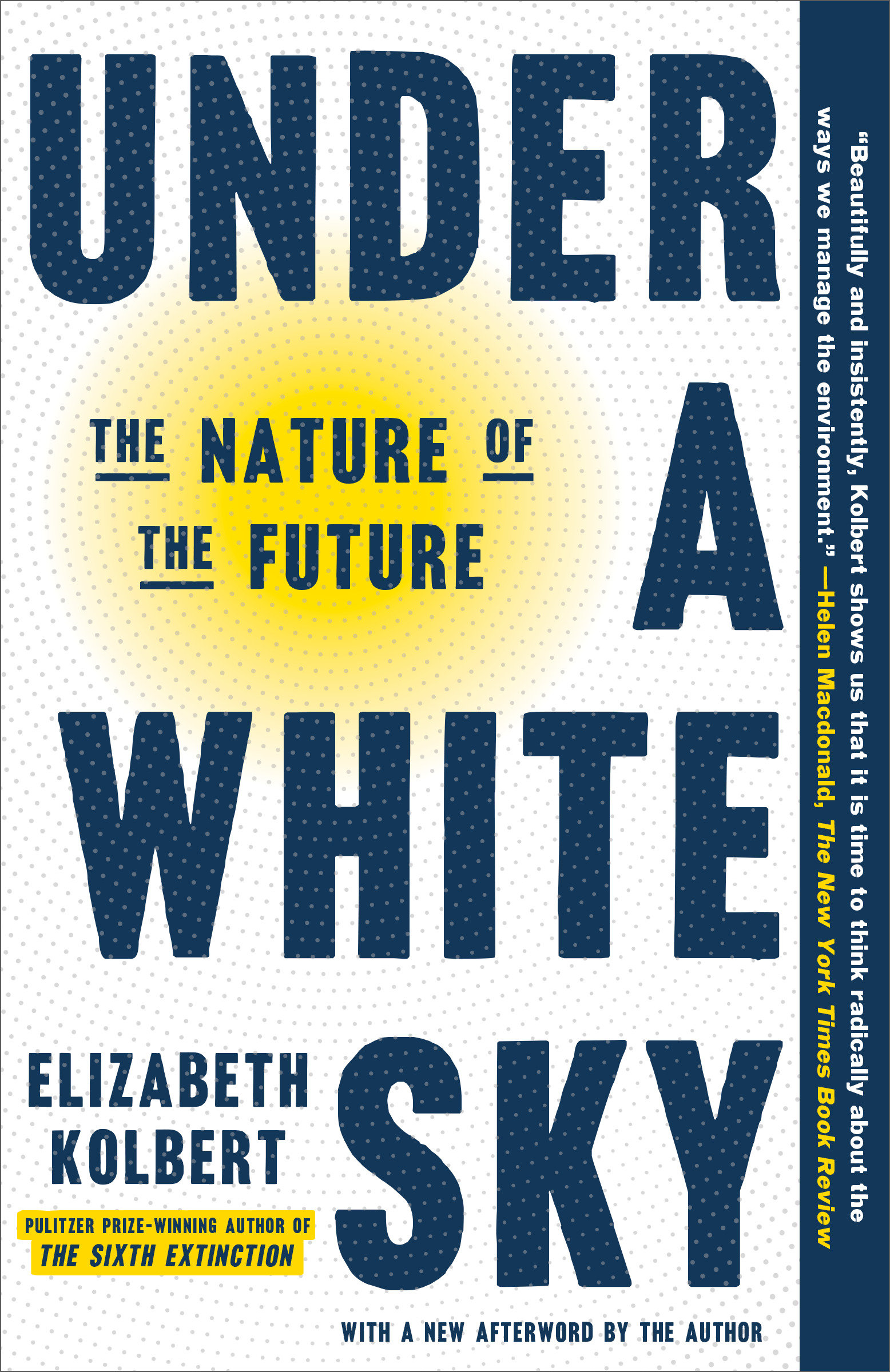
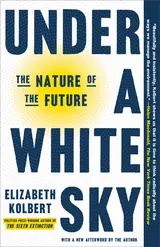
by Elizabeth KolbertExamines human interventions in nature and the limits of technological fixes, relevant to debates over engineered flood...
Come here for: Nature writing with a systems-minded edgeExpect: Animals and science in close conversationWhere it sits:Environmental ScienceClimate ChangeConservation