Pump Prices, Oil Shocks, and the Policy Toolkit
Six books on how geopolitical disruptions move oil markets and which policy levers, from gas tax holidays to sanctions, governments actually reach for.
Optimized for books about Understand why oil shocks raise U.S. gasoline prices and what policy tools governments use to respond..

Our reading of each book:Come here forExpectWhere it sits
Chokepoints
by Edward FishmanChokepoints explains how maritime and supply-route disruptions transmit into global energy prices and policy pressures,...
Come here for: Economic warfare, clearly unpackedExpect: Diplomacy and trade, closely intertwinedWhere it sits:GeopoliticsSecurity StudiesPolitical EconomyThe New Map
by Daniel YerginThe New Map maps geopolitics, energy markets, and policy responses, helping readers understand why governments consider...
Come here for: Energy and climate in one frameExpect: Political and historical contextWhere it sits:GeopoliticsClimate ChangeEnergy IndustryThe Oil Kings
by Andrew Scott CooperThe Oil Kings provides historical perspective on past oil shocks and their macroeconomic and political consequences...
Come here for: The U.S.–Iran–Saudi triangle, told through oil and powerExpect: Clear historical framingThe Boom
by Russell GoldThe Boom offers a detailed look at U.S. production dynamics and how domestic supply shifts interact with international...
Come here for: A clear-eyed look at fracking’s energy and environmental trade-offsExpect: Journalistic storytelling grounded in the technology’s developmentWhere it sits:Fossil Fuel EnergyEnergy IndustryEnergy PolicyRenewables
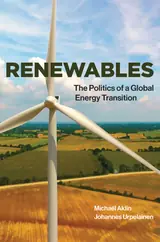
by Michael Aklin, Johannes UrpelainenRenewables examines alternatives and policy pathways that can reduce long-run gasoline vulnerability and inform debates...
Come here for: Political analysis of wind and solar growthExpect: How shocks and public policy shaped renewable energyWhere it sits:Energy PolicyRenewable EnergyEnvironmental PolicyBackfire
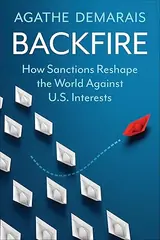
by Agathe DemaraisBackfire analyzes sanctions and coercive economic tools that shape oil flows and prices, clarifying tradeoffs...
Where it sits:Trade & TariffsPolitical EconomyGeopolitics