Roman History for Beginners, From Rome’s Origins to Constantinople
Find an approachable first book, see how far each timeline runs, and explore Rome’s republic, emperors, and eastern empire.
Edited by Chris · updated 2026-11-09
S.P.Q.R. is an approachable introduction to Rome’s rise, while Rubicon brings Caesar’s generation to life and The Storm Before the Storm explains the republic’s crises of 146–78 BC. For a compact, accessible account from kingdom through imperial decline, begin with A Short History of Ancient Rome. The Romans takes the longest view, from the Iron Age to the capture of Constantinople in the thirteenth century.
Our reading of each book:Come here forExpectWhere it sits
Start broad, with three different stopping points
These histories offer three routes in: Rome’s rise, a compact kingdom-to-decline narrative, or a sustained journey into the thirteenth century.
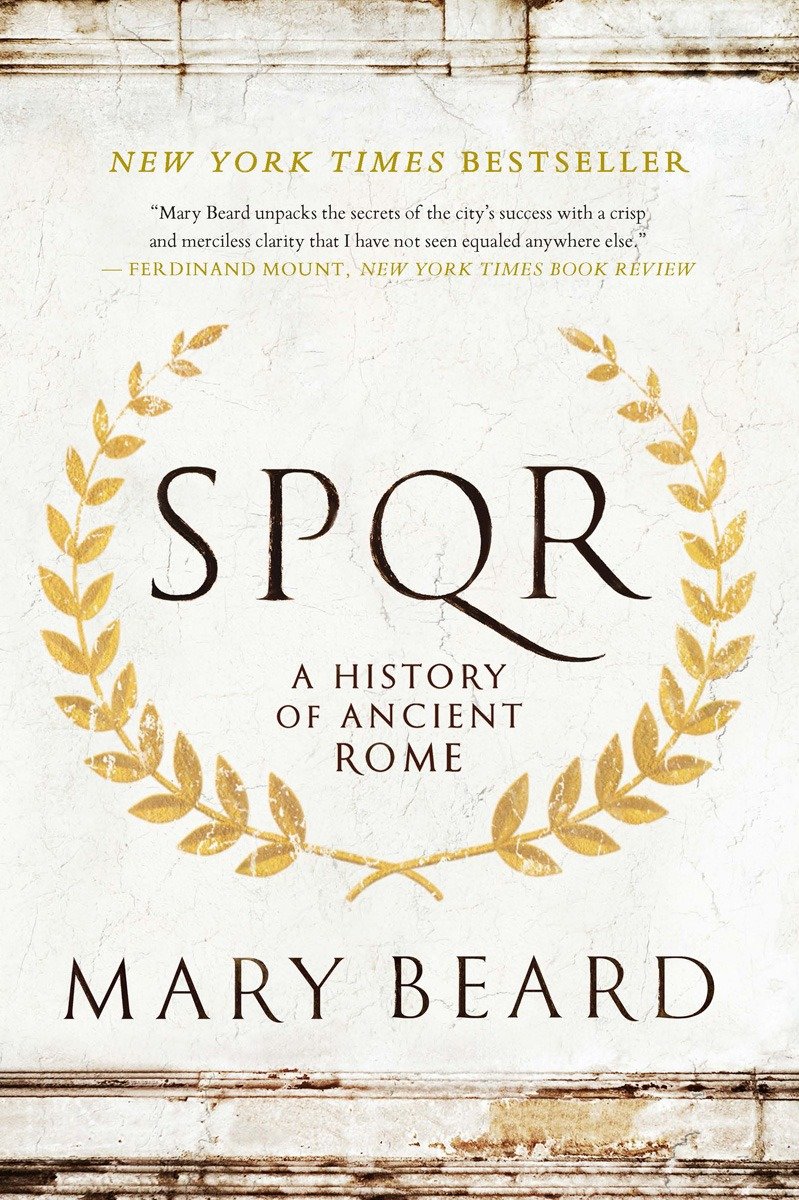
S.P.Q.R.
How did an Iron Age village become the dominant power in the Mediterranean? S.P.Q.R. makes that question approachable without burying you in technical vocabulary. Mary Beard moves steadily across nearly a thousand years, combining the large-scale story of Rome’s rise with close attention to class, democratic struggles, and people long excluded from the historical narrative. Familiar assumptions come under scrutiny as the history takes shape: political power matters, but so do the lives of groups that conventional accounts have neglected.
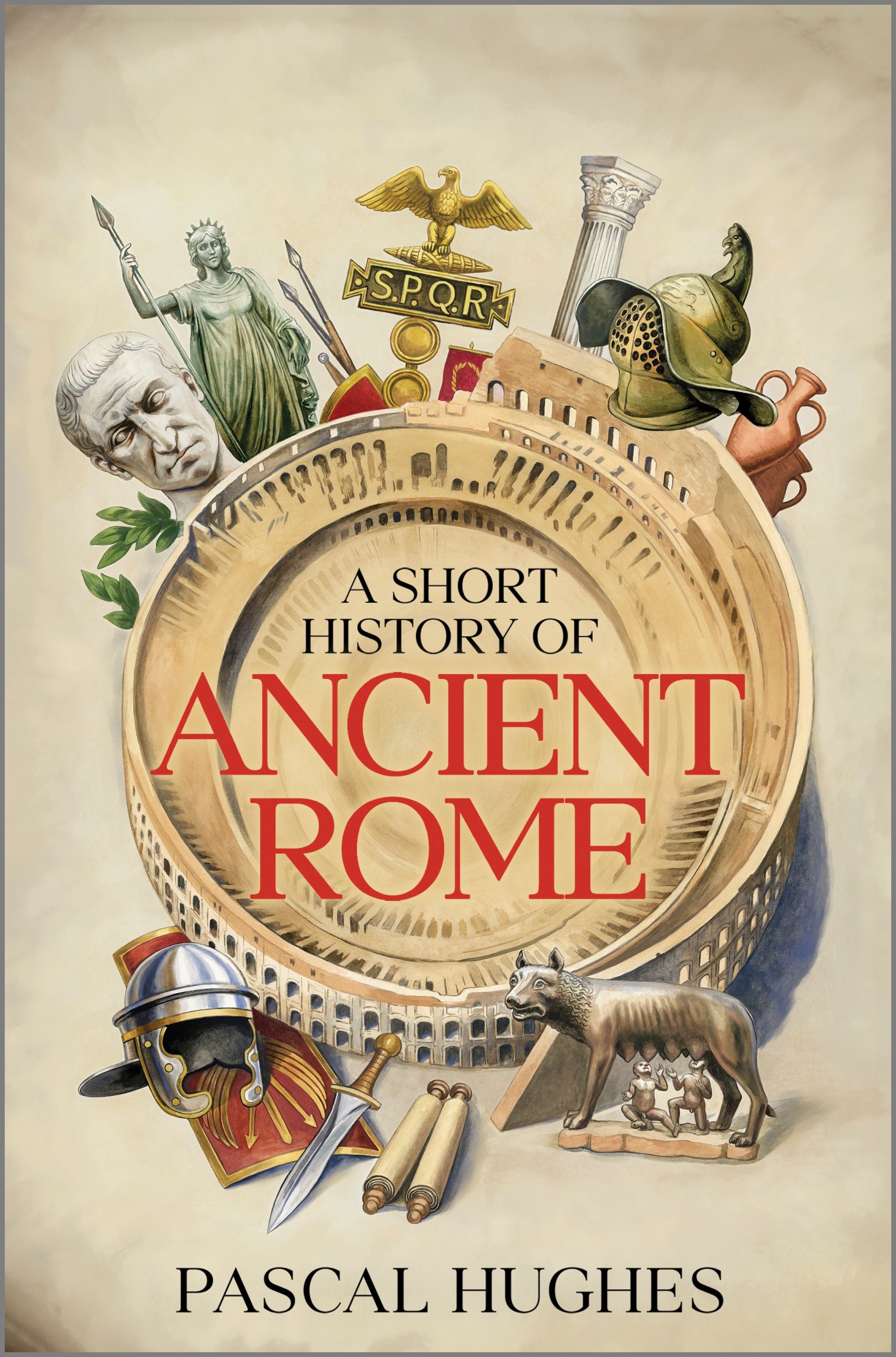
A Short History of Ancient Rome
Street bustle and palace opulence share the stage in A Short History of Ancient Rome, which follows a thousand years from kingdom to republic, empire, and decline. Evoking the sights, sounds, and smells of the Roman world, the account moves between the army’s conquests and life in the city. That sweep makes room for despotic rulers and influential women alongside pioneering building projects, gladiator games, and the daily lives of Roman citizens and subjects.
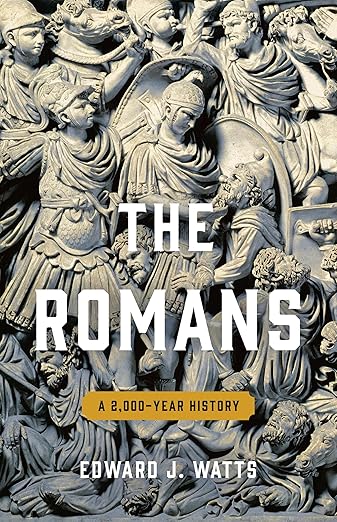
The Romans
Rome’s story continues well beyond the fifth century in The Romans. Edward J. Watts begins in the Iron Age and follows two millennia through the capture of Constantinople in the thirteenth century, making the eastern empire part of the same long history. Settle in for a sustained account that gives cultural context alongside political change. The connecting thread is the diverse people who called themselves Romans, across transformations that include the coming of Christianity, the rise of Islam, and the pressure of the Crusaders.
The republic under pressure
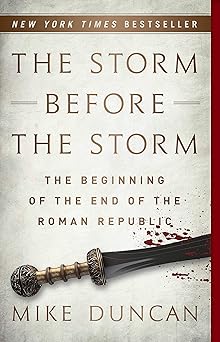
The Storm Before the Storm
Success creates the problem in The Storm Before the Storm: by 146 BC, Rome commands the Mediterranean, but its republican system struggles to govern what it has won. The years 146–78 BC bring a collision of economic inequality, corruption, and ruthless ambition, with social and ethnic prejudice fueling battles over citizenship and voting rights. The focus is the first generation to confront this changed political environment, when durable traditions begin to give way. Marius, Sulla, and the Gracchi brothers abandon inherited principles and set dangerous precedents through violent political conflict.
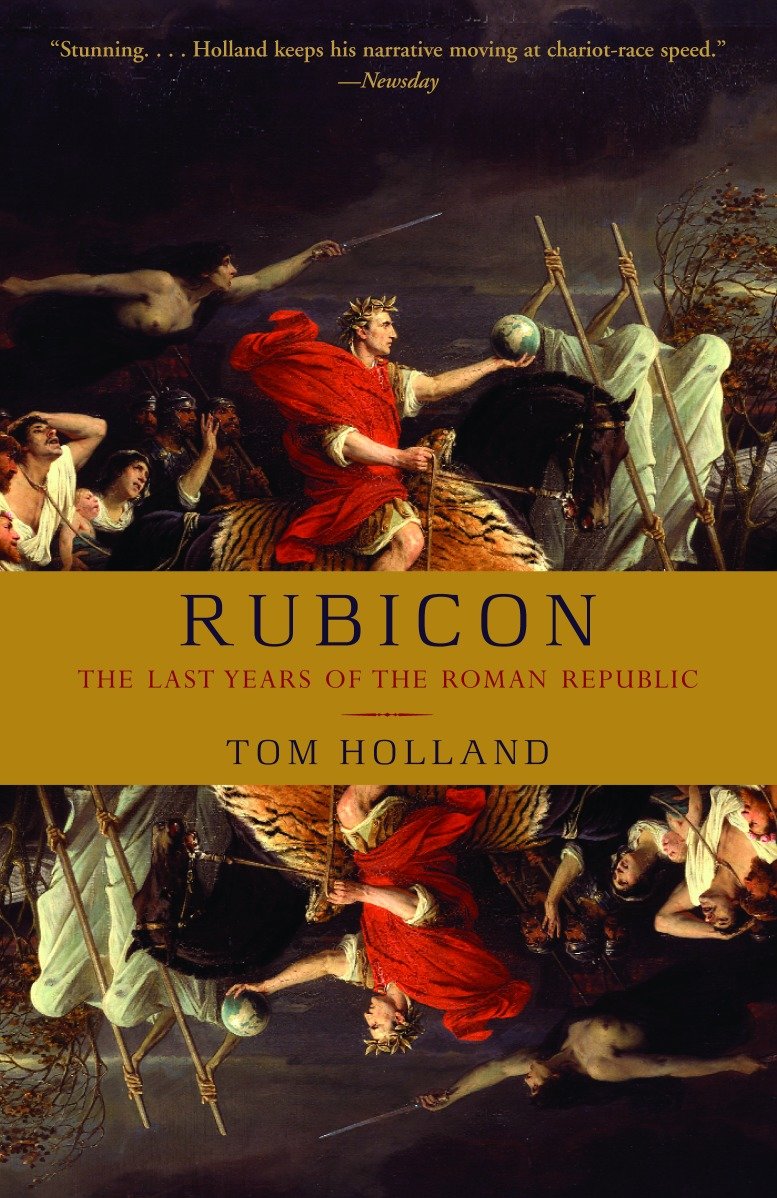
Rubicon
Caesar crosses a small border river in 49 BC, and civil war follows. Rubicon builds its fast-moving history around his generation and the republic’s bloody transformation into an empire. Tom Holland combines political maneuvering and battlefield momentum with the social world of Roman city life, placing decadence alongside catastrophe. The cast ranges from Cicero, Spartacus, and Brutus to Cleopatra, Virgil, and Augustus, caught in a world of rivalry, self-sacrifice, intrigue, and ambition.
Let the personalities carry the history
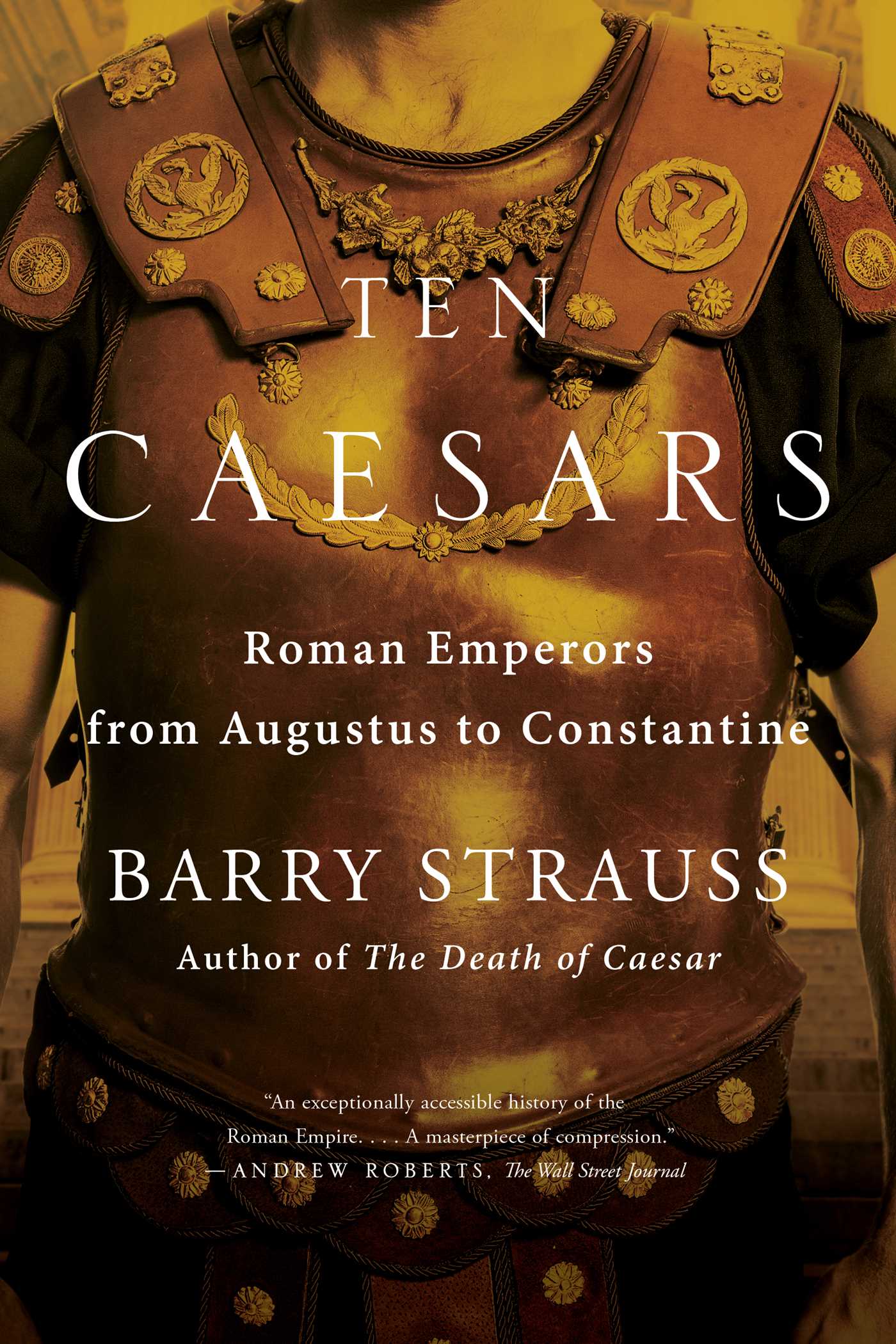
Ten Caesars
Ten emperors frame an empire’s reinvention in Ten Caesars, which spans roughly three and a half centuries from Augustus to Constantine. Barry Strauss follows rulers adapting to keep imperial government going as Rome gains territory and splendor, loses both, and changes in geography, ethnicity, religion, and culture. Their lives also connect imperial leadership to Rome’s lasting legacy in language, law, and architecture. The arc leads from the empire’s founder to the emperor who made it Christian and moved its capital to Constantinople.
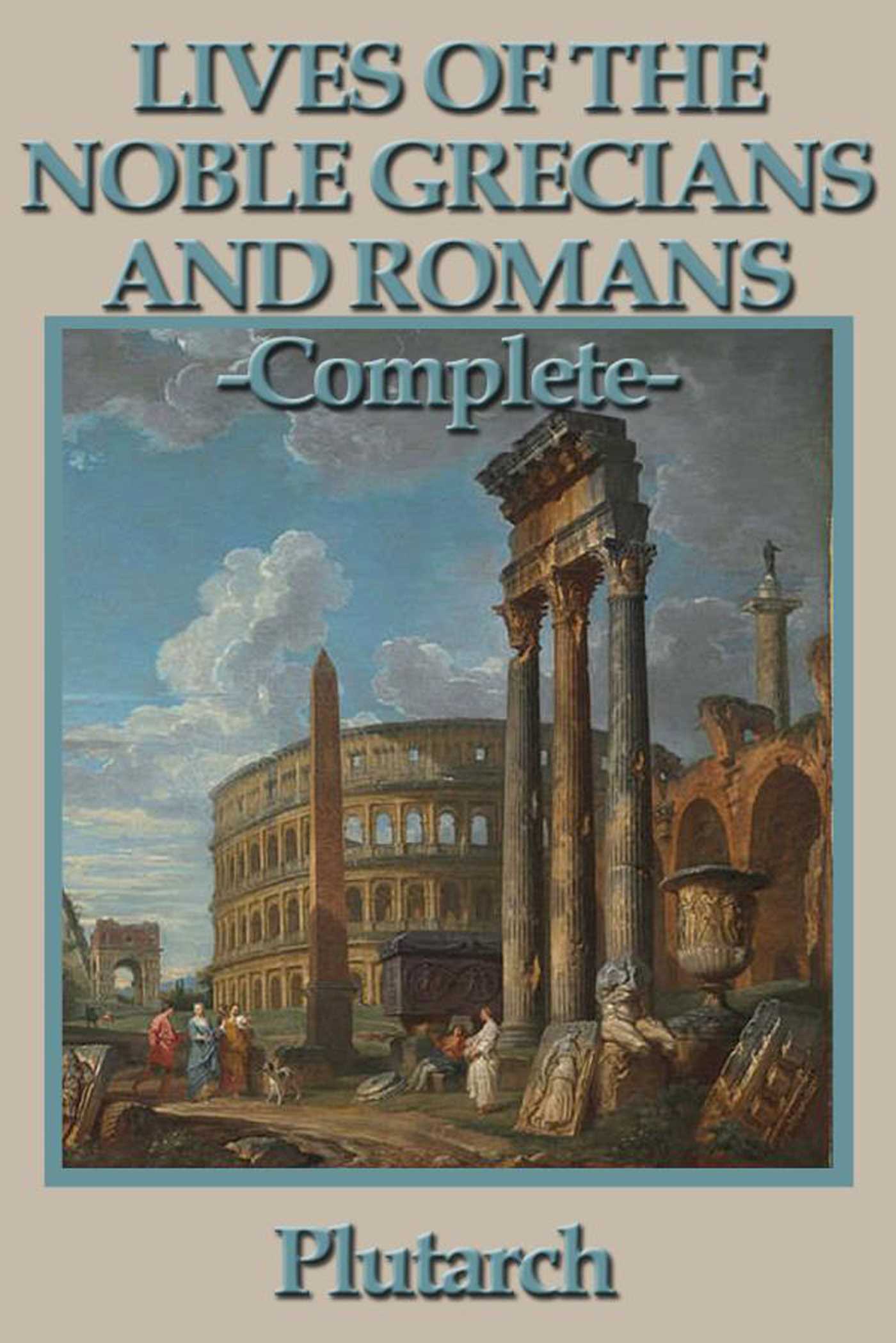
Lives of the Noble Grecians and Romans
Pair a Roman life with a Greek one, and character becomes a way into history. That is how Lives of the Noble Grecians and Romans works: its surviving collection contains twenty-three pairs of biographies and four unpaired lives. Each pair brings together one Greek and one Roman, with famous men’s moral virtues and failings as the point of comparison. These layered portraits invite you to explore both the individuals and the times they lived in. The collection moves from person to person, tracing shared qualities while keeping character’s contradictions in view.
Hear the ancient accounts up close
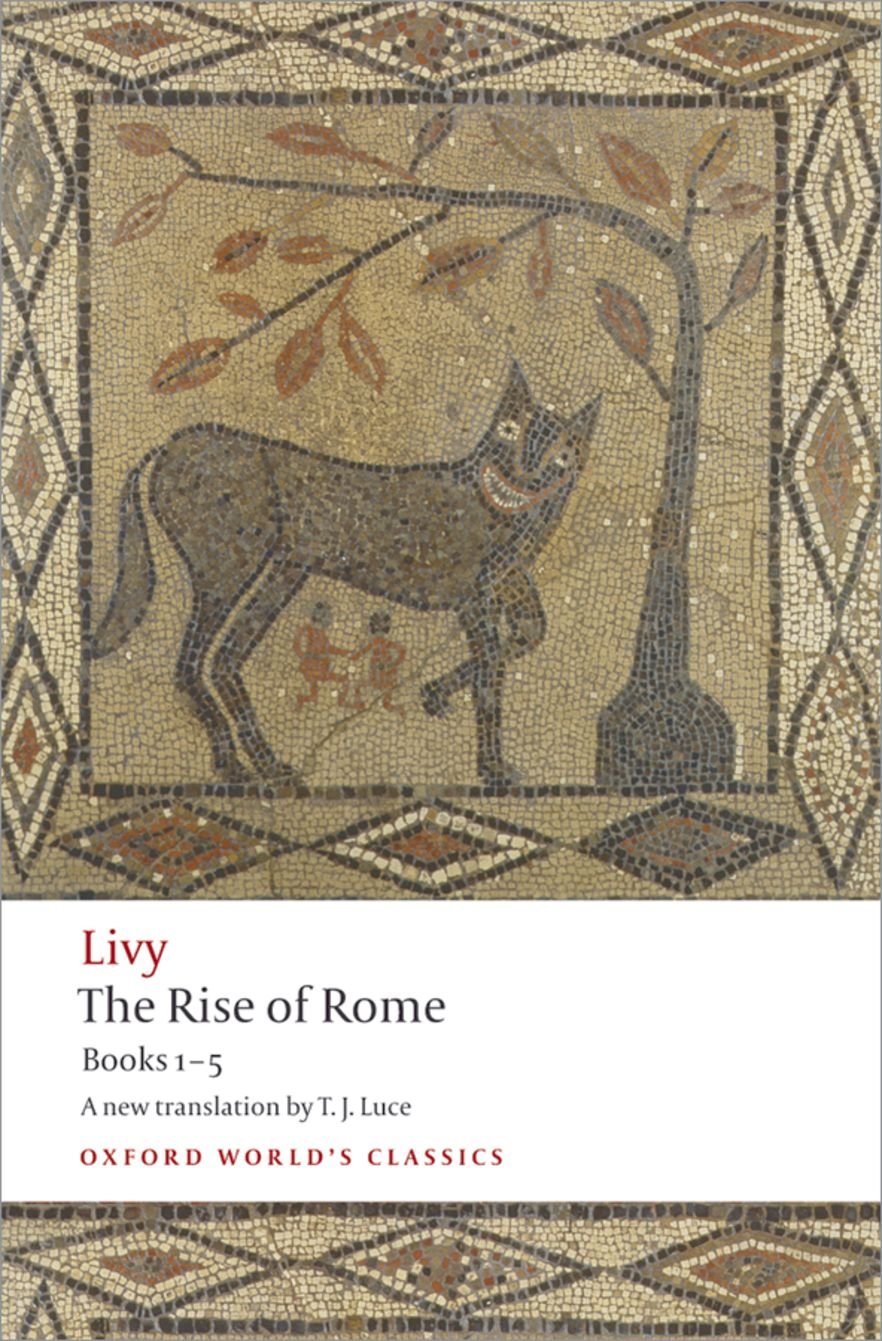
The Rise of Rome
Romulus and Remus, Horatius at the bridge, Cincinnatus called from his farm: The Rise of Rome gathers the stories through which Livy tells early Rome. This selection of Books One through Five runs from the city’s beginnings to the capture of Veii and the Gallic sack in 390 BC. Writing between 20 BC and AD 17, Livy made these episodes the opening of a much larger history that reached into his own lifetime. Here, learning the early timeline also means meeting the stories that gave it a lasting cultural life.
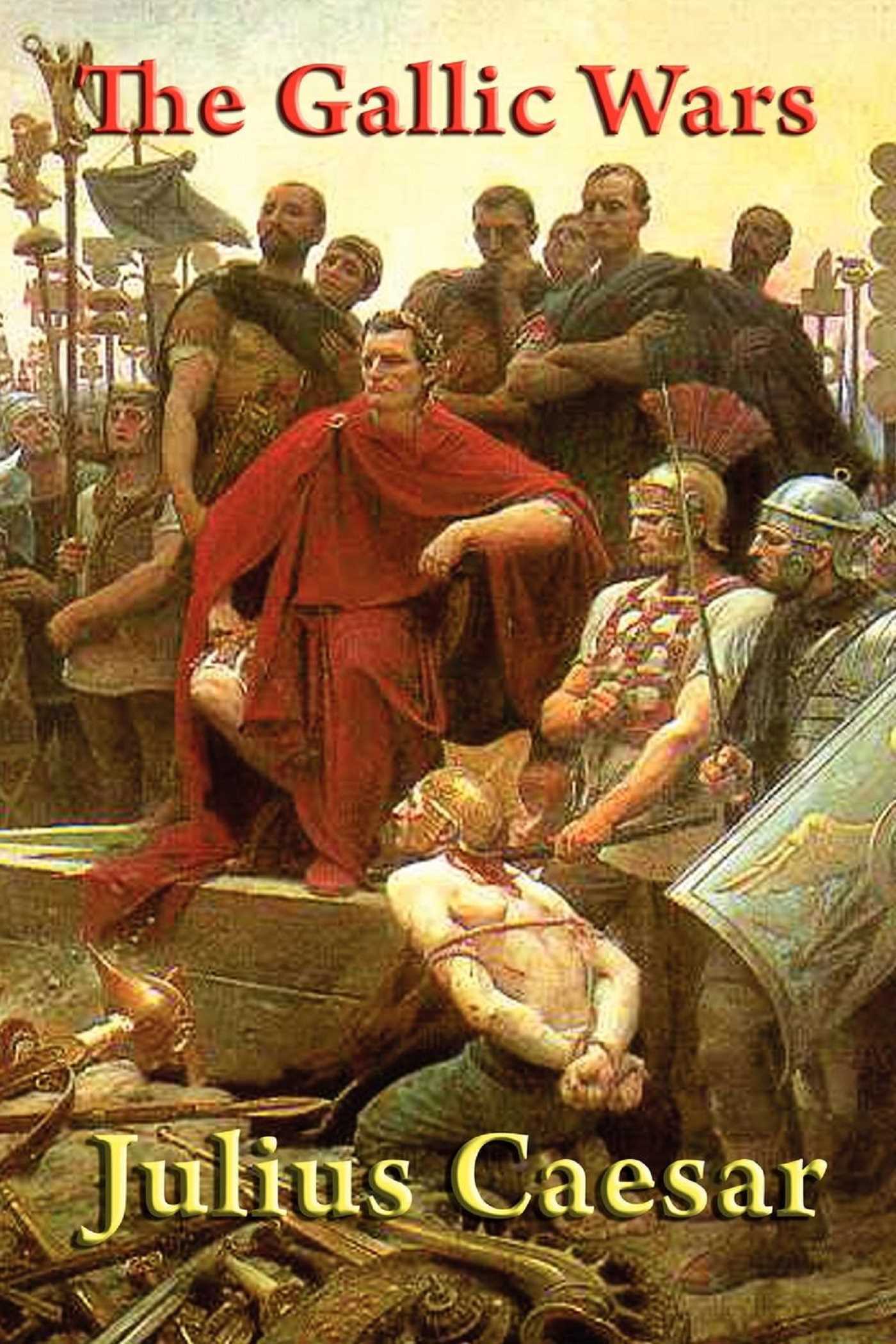
The Gallic Wars
A military record can also be a bid for power. In The Gallic Wars, Caesar carefully narrates his campaigns in Gaul while presenting the invasion as defensive action. The detailed account offers a close view of Roman warfare, but its political purpose is just as instructive: the wars served Caesar’s ambitions, and his account sought to shape opinion in Rome as civil war began. Bring a questioning eye to the narration. Its tightly defined subject is the Gallic campaign, told by the commander with a direct stake in how it would be remembered.
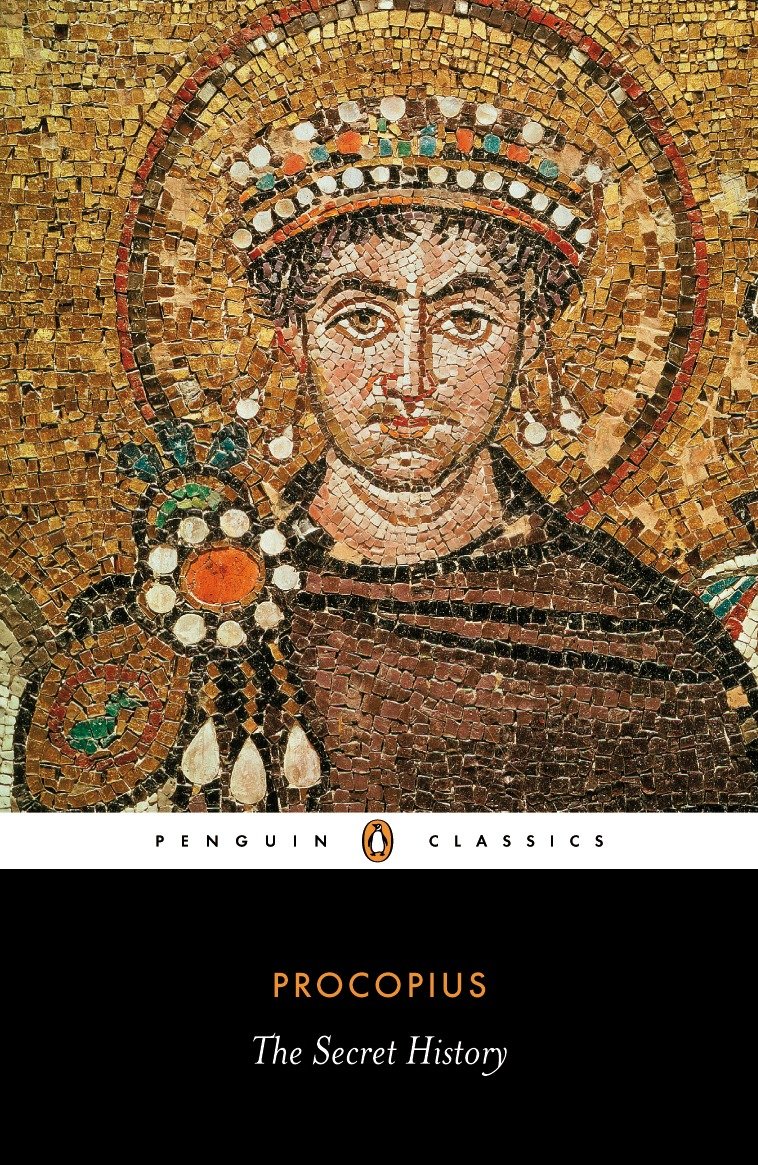
The Secret History
The official chronicler has a second, much angrier story in The Secret History. Procopius praises Justinian in his public history while secretly composing an attack intended to appear only after his own death. This concentrated view of the reign sets official praise against accusations of corruption, tyranny, and court intrigue. Approach its portraits as fiercely opinionated accusations, and the clash between public loyalty and private hostility becomes the lesson. Justinian, Theodora, Belisarius, and Antonina are caught in its furious account of murder and misrule.
Stay longer in the later empire
After a broad introduction, these books reward closer attention to historical arguments: how imperial power broke down, and whether Justinian’s conquests helped cause later losses.
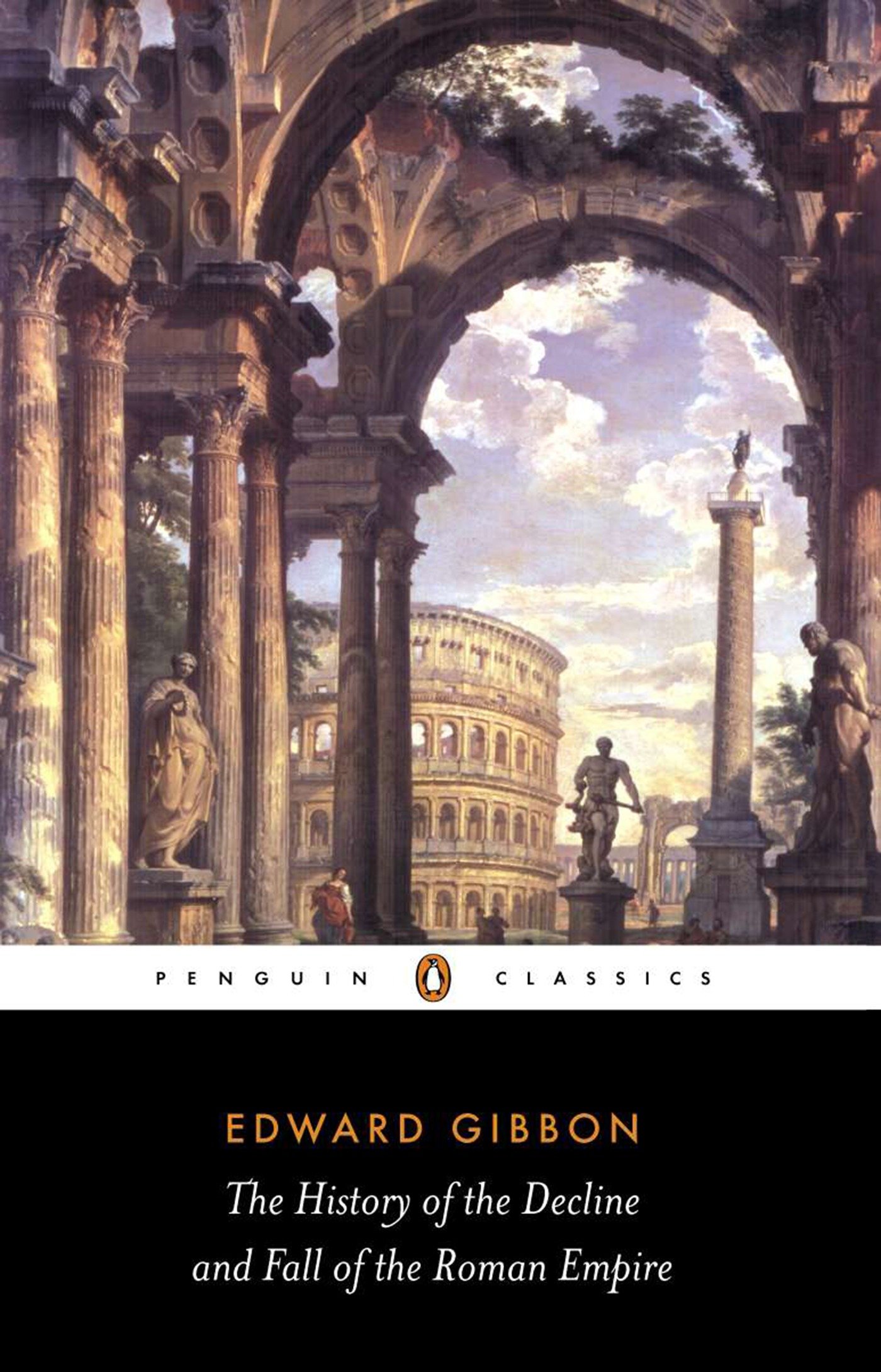
The History of the Decline and Fall of the Roman Empire
Alaric and Attila dominate the western crises in The History of the Decline and Fall of the Roman Empire. These are volumes three and four of Gibbon’s six-volume history: they follow the invasions that overwhelm the West, then turn toward Justinian, Belisarius, and weaknesses in the eastern empire. The larger work spans thirteen centuries, while this installment gives a concentrated stretch of imperial decline. Expect a layered historical argument, with rulers, wars, and society drawn into an explanation of collapse.
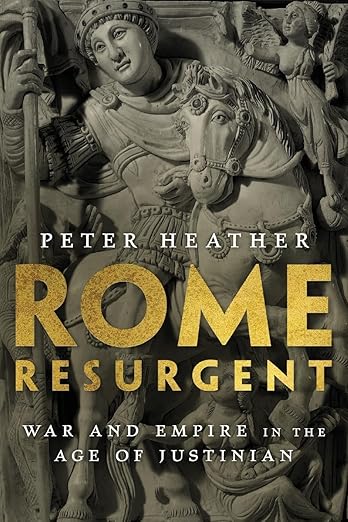
Rome Resurgent
Justinian’s conquests in Italy and North Africa pose a strategic puzzle in Rome Resurgent: did they help expose the empire to later losses? Peter Heather examines that argument amid plague, religious conflict, and the pressure of imperial ambition. His analysis draws on contemporary accounts, including Procopius, while bringing additional material to bear on conquest policy and its consequences. With the basic timeline already in hand, you can concentrate on the competing explanations. The argument reaches into the seventh century, when Arab invasions took the empire’s richest territories.