Start Making Music: Beginner Books for Guitar, Piano, and Theory
Find a first music book that matches what you want to understand—or what you want to play on guitar, piano, or clarinet.
Edited by Chris · updated 2026-11-19
For a hands-on start, Teach Yourself to Play Guitar: A Quick and Easy Introduction for Beginners teaches guitar through tab and song excerpts, while My First Piano Lessons combines young kids' piano lessons with familiar songs. To understand the basics, use Alfred's Essentials of Music Theory, Bk 1 for notation lessons and written exercises or Ah, Music! for a child-friendly introduction to instruments, performers, and music history. For clarinet, Clarinet Basics pairs concert pieces with notation and technique in 22 stages, starting at absolute beginner level.
Our reading of each book:Come here forExpectWhere it sits
Get playing on guitar or piano
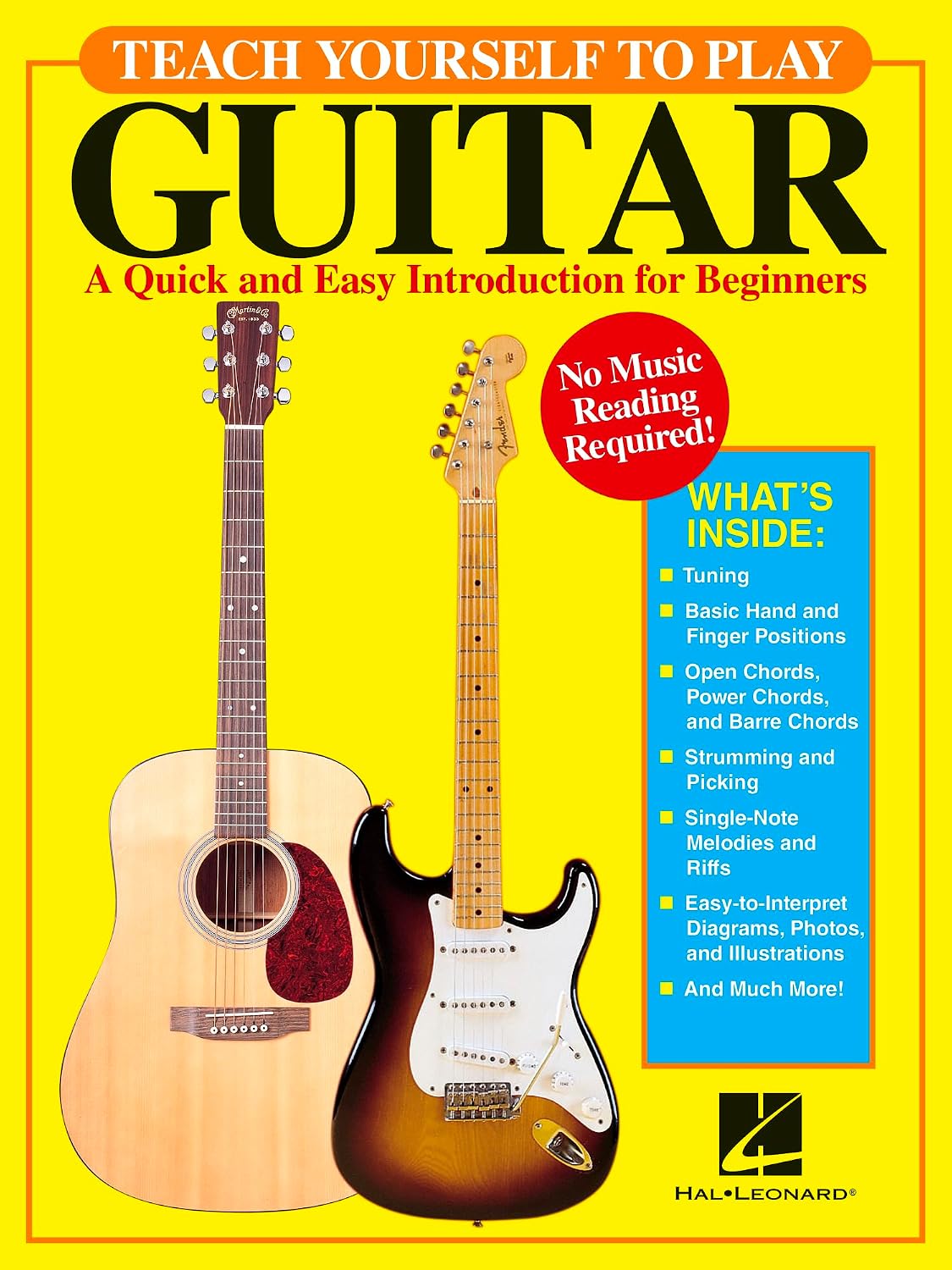
Teach Yourself to Play Guitar: A Quick and Easy Introduction for Beginners
No music-reading background? Teach Yourself to Play Guitar: A Quick and Easy Introduction for Beginners uses tab and simple beat notation to make guitar lessons practical from the outset. The explanations stay concise while diagrams, photos, and illustrations clarify fretboard organization, chord patterns, and the instrument itself. You work on tuning, hand positions, strumming, and picking alongside open, power, and barre chords. Lesson examples and song excerpts range across rock, folk, classical, and country, with single-note melodies, riffs, patterns, and fills to practice.
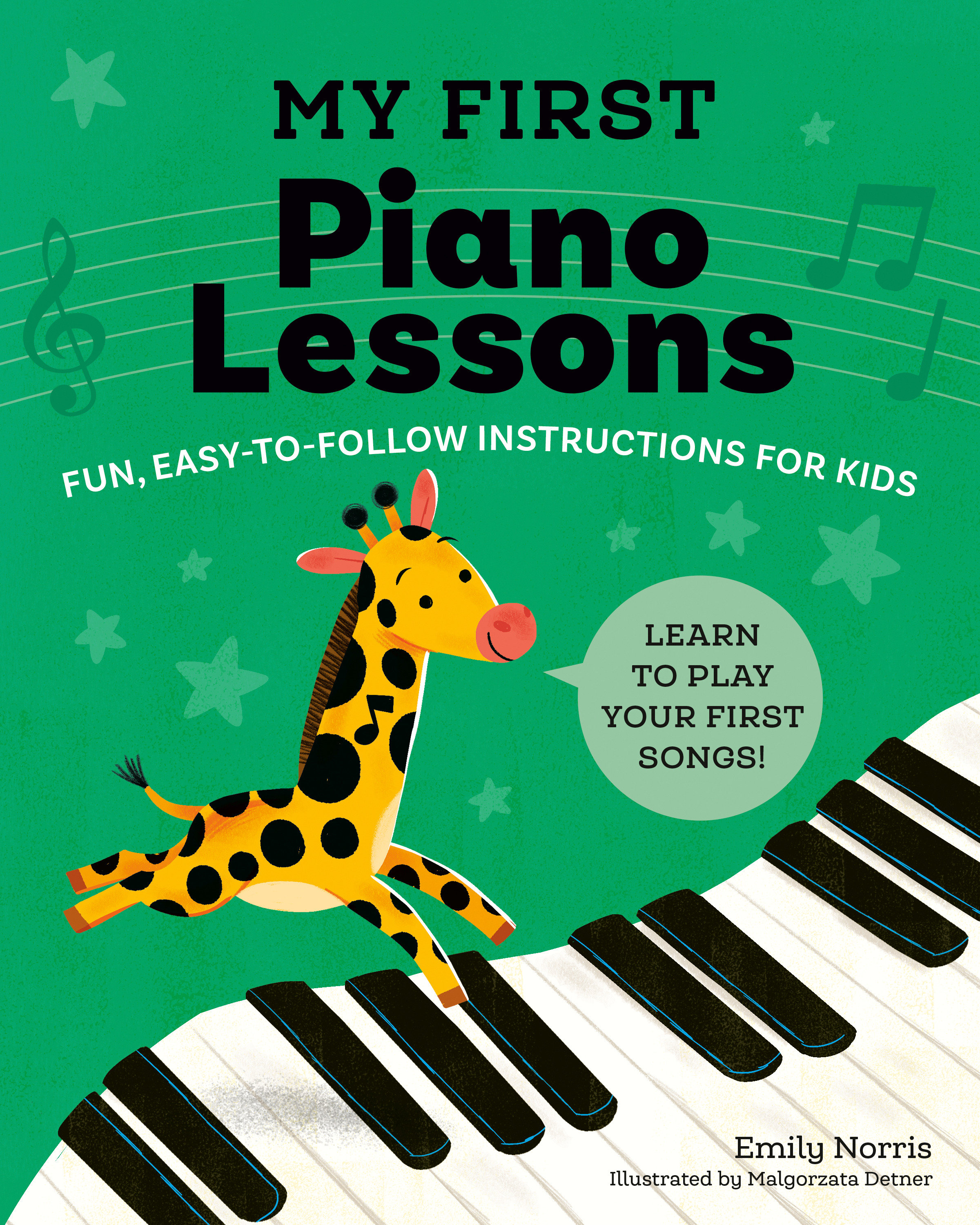
My First Piano Lessons
G-sharp the Giraffe supplies tips, musical facts, and encouragement in My First Piano Lessons, a piano introduction built for young kids. Clear, step-by-step instructions and colorful illustrations connect hand position and music-reading basics to ten songs. As you help a child begin, the mix of explanation and playing gives key names, note values, time signatures, and dynamics a practical setting. The tunes include “Hot Cross Buns,” “Mary Had a Little Lamb,” and “The Wheels on the Bus.”
Understand the notes—or the bigger musical picture
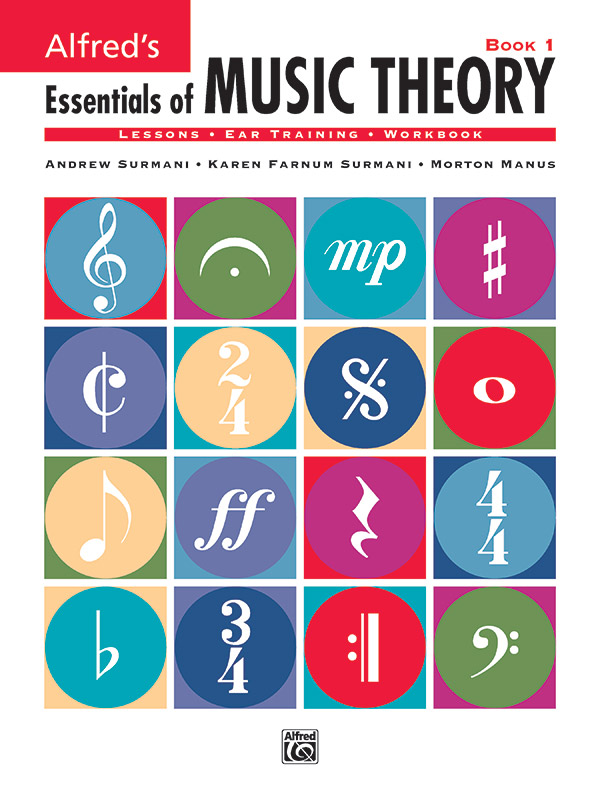
Alfred's Essentials of Music Theory, Bk 1
Twenty-five concise lessons give Alfred's Essentials of Music Theory, Bk 1 a clear job: teaching the language of written music. It begins with the staff, notes, pitches, and clefs, then covers note values, time signatures, dynamics, and more. Expect to practice reading and writing music through exercises, with a knowledge check closing each unit. The course welcomes any age, including people who mainly listen to music; optional ear-training CDs, sold separately, add listening practice to the work on the page.
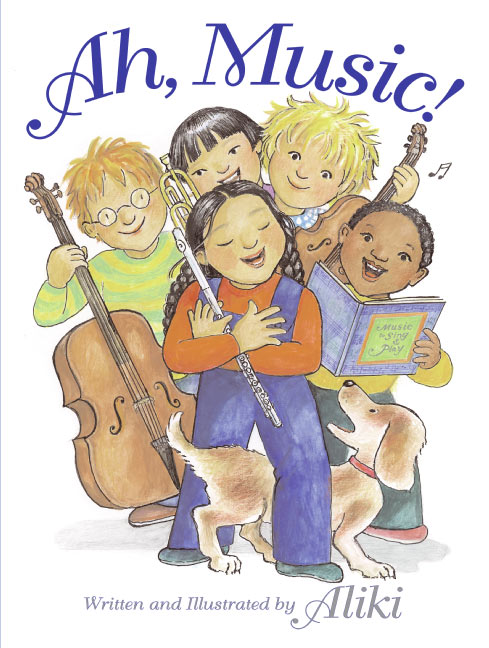
Ah, Music!
Music stretches beyond any single instrument in Ah, Music!. Kids can explore composers and performers alongside a history that runs from the earliest music through classical, modern, jazz, and popular times. Here, you can follow connections across musical life, with listening and playing both part of the picture. It's an expansive introduction for a child still discovering what music involves, from the voice as an instrument to the importance of practice and the relationship between dance and music.
A classical start with clarinet in hand
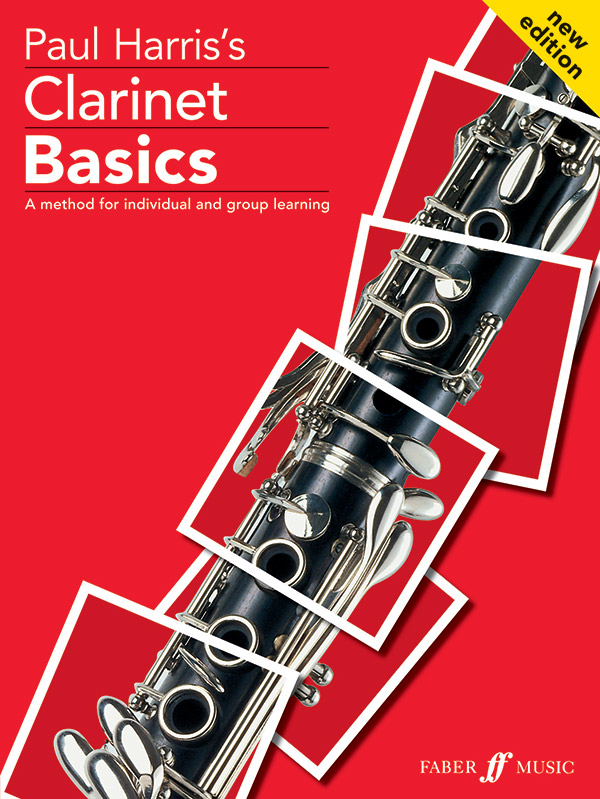
Clarinet Basics
Concert pieces share space with traditional tunes and original exercises in Clarinet Basics, a clarinet course that moves from absolute beginner to about elementary level across 22 stages. Technique gets its own workout through “finger gyms” and warm-ups, with fingering charts and rhythm boxes supporting the playing. Accompaniment recordings are available separately or in a Book/CD edition; the CD covers every piece and includes additional parts for duets and trios.