Management and Leadership Books for Libraries, Schools, Sports, and Nonprofits
Match the book to your job: library projects and client needs, school leadership, sport management, or people skills in public and nonprofit organizations.
Edited by Chris · updated 2026-11-19
For developing management and leadership skills in public or nonprofit workplaces, turn to Managing Human Behavior in Public and Nonprofit Organizations; for applied sport management training, consider Applied Sport Management Skills. Practical Project Management for Librarians tackles library project management, while Assessing Information Needs focuses on managing information services around client needs. School leaders can turn to Leverage Leadership 2.0 for concrete leadership practices and guidance on how to use their time.
Our reading of each book:Come here forExpectWhere it sits
Make library services work
Library work poses two different management questions: what services does a community need, and how can a team deliver a project alongside its everyday workload?

Practical Project Management for Librarians
A library project still has to move forward while everyday work continues. Practical Project Management for Librarians makes that tension its starting point, walking you through tools and techniques matched to the project and the team's skill level. Its emphasis is hands-on project management: asking useful questions, balancing goals against budget constraints, and building sustainability into both plans and outcomes. Librarians handling a defined piece of work will find guidance grounded in library cultures and norms, with diversity, inclusion, and accessibility incorporated into the project process.
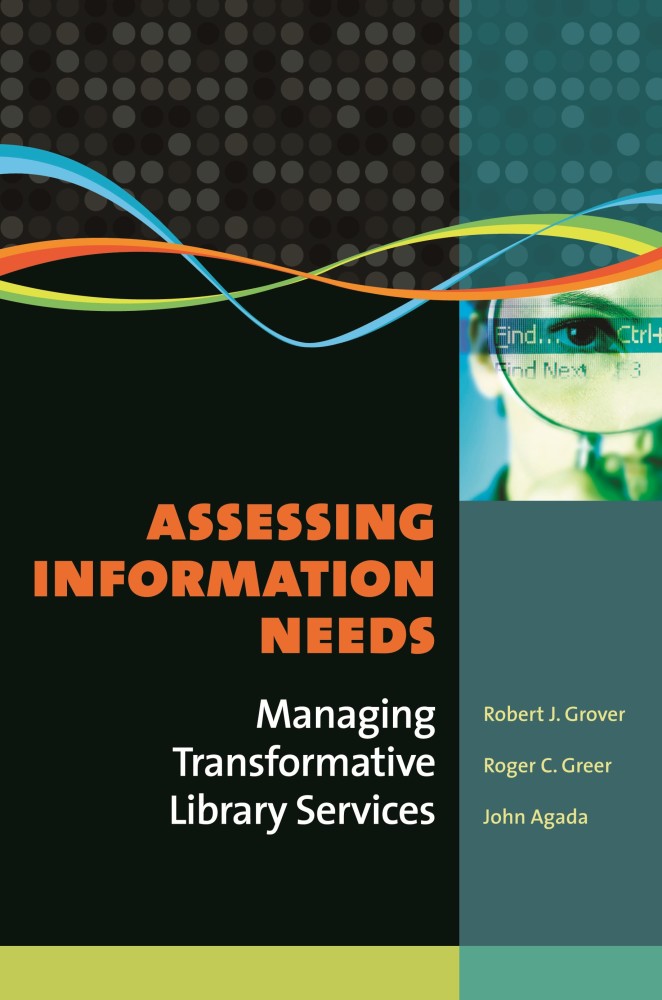
Assessing Information Needs
Whose needs should shape the service? Assessing Information Needs builds client-centered management around a concrete sequence: gather community data, interpret it, and use it to plan information services. A worked case study demonstrates the model, giving the rationale for community analysis a practical counterpart. This suits library and information professionals deciding how to customize services in public, school, academic, or special libraries and other information agencies. The organizing concern is how an institution can turn knowledge of its community into services that transform life for individuals and groups.
Put school leadership into practice
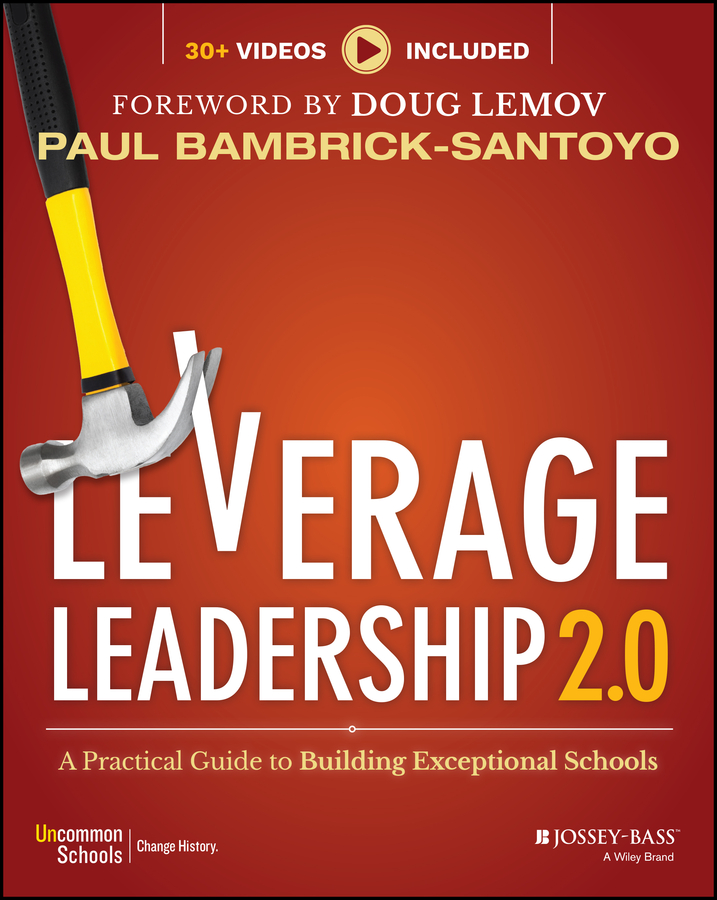
Leverage Leadership 2.0
How a school leader spends time anchors Leverage Leadership 2.0, which treats effective leadership as something to practice rather than a matter of charisma. The See It, Name It, Do It framework gives its seven levers a practical implementation structure. Guidance for all levels of school leadership spells out what to do, how, and when. Its focus stays on leadership development and schoolwide transformation, with refreshed templates, tools, and professional development materials available through a companion website.
Build the skills behind the role
For structured professional development, these texts connect concepts to applications in public and nonprofit organizations or the business of sport.
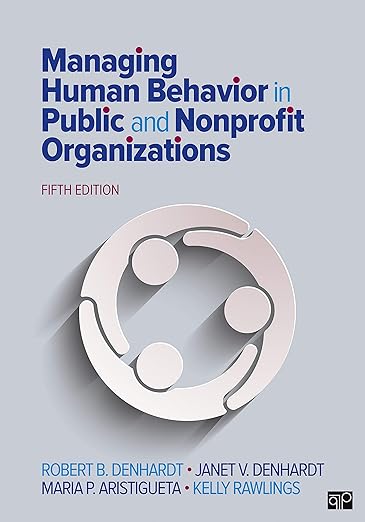
Managing Human Behavior in Public and Nonprofit Organizations
Stress, motivation, and everyday decisions give Managing Human Behavior in Public and Nonprofit Organizations its way into the workplace: start with how people behave. This textbook develops management and leadership together within public and nonprofit organizations and includes self-assessment exercises. Public administration students have a structured foundation here, including communication, teams, change, and ethical questions surrounding bias, power, and privilege. It also examines collaboration with external constituencies and how public and nonprofit organizations resemble one another, differ, and interact with the private sector.
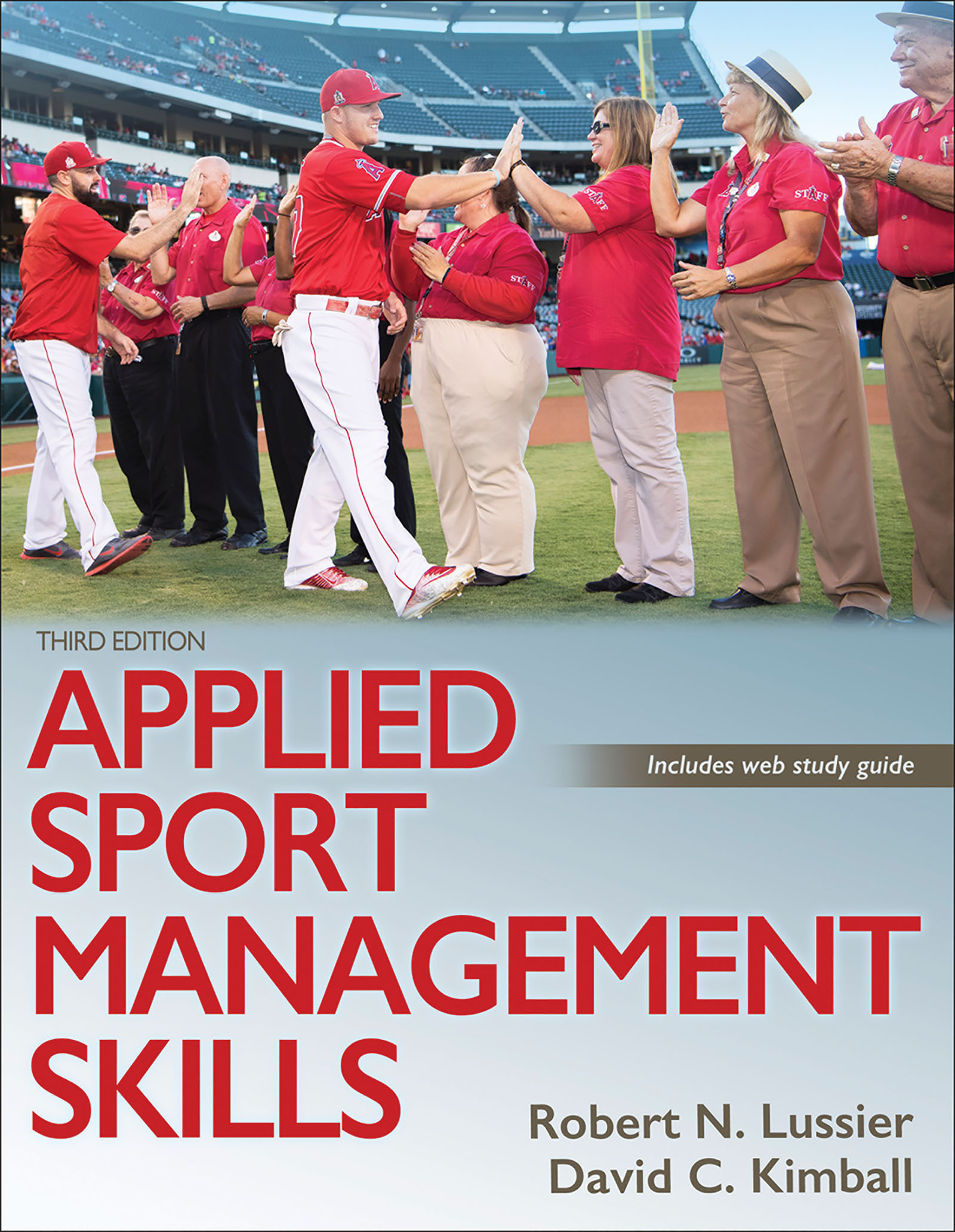
Applied Sport Management Skills
Planning, organizing, leading, and controlling form the backbone of Applied Sport Management Skills, which treats sport management as a set of skills to develop through application. Aspiring sport managers work on creative problem solving, strategic planning, leadership, organization, and delegation. The text covers the Common Professional Component topics outlined by the Commission on Sport Management Accreditation. Its sport-specific concerns include legal liability, risk and equipment management, servant leadership, sport culture, and social media.