World War II Historical Fiction, From Stolen Books to Resistance
Find emotionally rich wartime fiction, from stolen books and secret missions to love stories, family mysteries, and a child's-eye view of rescue.
Edited by Chris · updated 2026-11-09
Start with The Book Thief for a dark, distinctive teen story about stolen books and survival. For adults, The Nightingale follows sisters through occupied France, while All the Light We Cannot See brings a blind French girl and a German radio expert onto intersecting paths. The Tattooist of Auschwitz [movie-tie-in] offers a love story drawn from interviews with a Holocaust survivor, and Number the Stars brings Denmark's rescue effort into focus through a ten-year-old's eyes.
Our reading of each book:Come here forExpectWhere it sits
Inside occupied France
The first three sections move from occupied France to wartime love stories and the reckoning that follows the fighting.
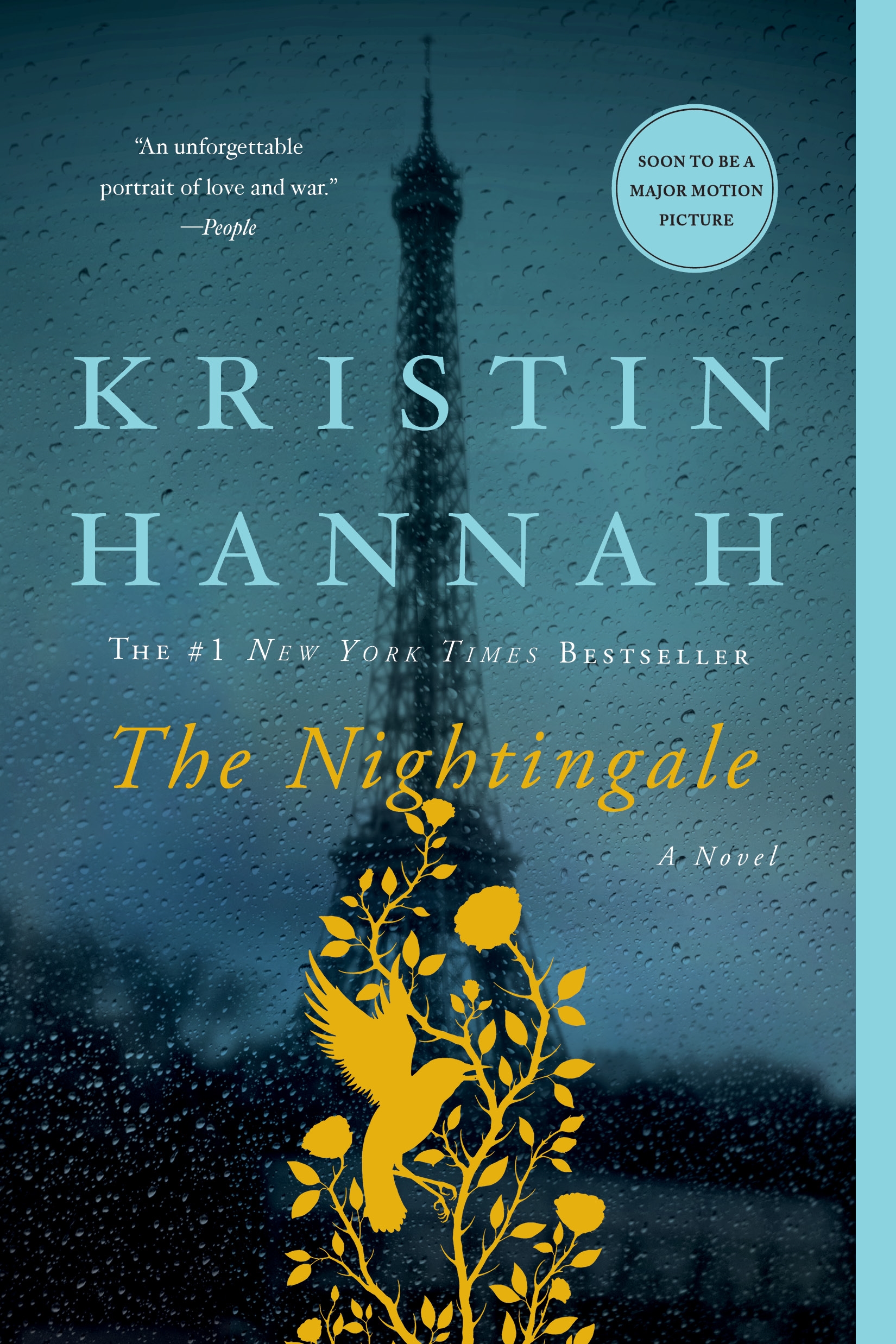
The Nightingale
Two sisters can live through the same occupation and face very different wars. The Nightingale follows their separate paths through German-occupied France, divided by age, experience, ideals, and circumstance. The story combines an expansive wartime canvas with the intimacy of family, keeping women's survival and resilience at its center. Its shifting pace makes room for personal feeling as well as danger. You follow courage at a family scale, with two women taking separate, perilous routes through the same occupied country.
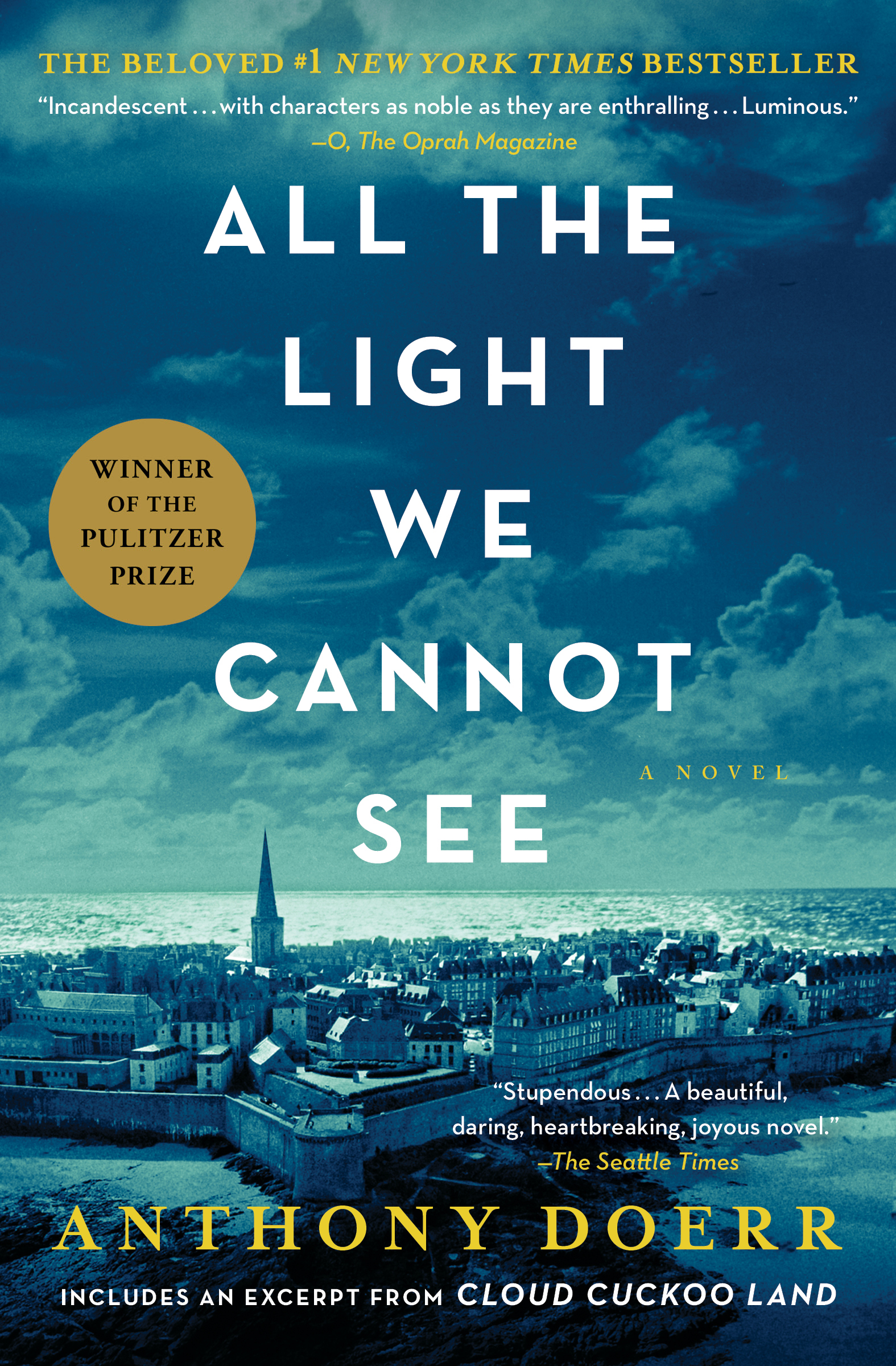
All the Light We Cannot See
A miniature neighborhood, built to be learned by touch, makes survival tangible in All the Light We Cannot See. Marie-Laure's father makes it after she goes blind; later, they flee Paris for Saint-Malo with a potentially dangerous museum jewel. In Germany, Werner's gift for fixing radios takes him into the Hitler Youth and then into tracking the Resistance. The novel rewards attention to physical detail and converging lives, with kindness and the human cost of Werner's talent threaded through locks, radio signals, and a city by the sea.
Love carries secrets

The Tattooist of Auschwitz [movie-tie-in]
Before Lale and Gita have a love story, they have prisoner numbers. Based on interviews with Holocaust survivor Lale Sokolov, The Tattooist of Auschwitz [movie-tie-in] follows a multilingual Slovakian Jew forced to tattoo fellow prisoners at Auschwitz-Birkenau. He spends more than two and a half years imprisoned, witnessing atrocities alongside acts of bravery and compassion. Risking his life, he uses his privileged position to exchange jewels and money from murdered Jews for food that keeps fellow prisoners alive.
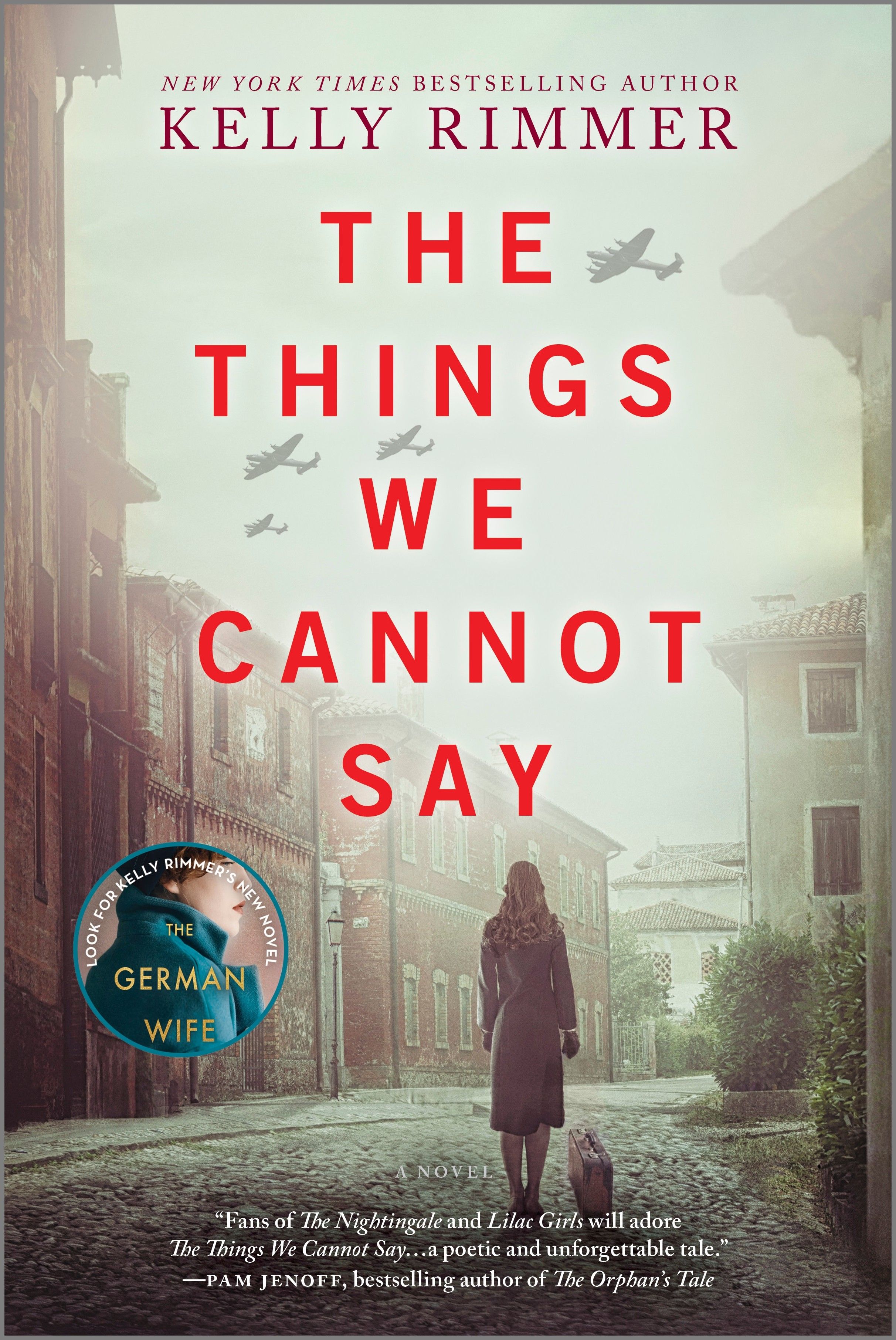
The Things We Cannot Say
Wedding vows spoken in a refugee camp conceal a lie that will last into the next century. That buried promise anchors The Things We Cannot Say, where an urgent family mystery reaches back to Alina and Tomasz in occupied Poland. Alina begins with the certainty that she'll marry her childhood best friend; his disappearance turns waiting into an ordeal. Come for a love story with a multigenerational reach, linking wartime secrets to later questions. The tone is warm and immersive even as occupation divides a rural village and soldiers patrol Alina's parents' farm.
The war ends; its consequences don't
After the fighting, reckoning takes different forms: hunting a Nazi criminal or hearing from the people who lived through occupation.
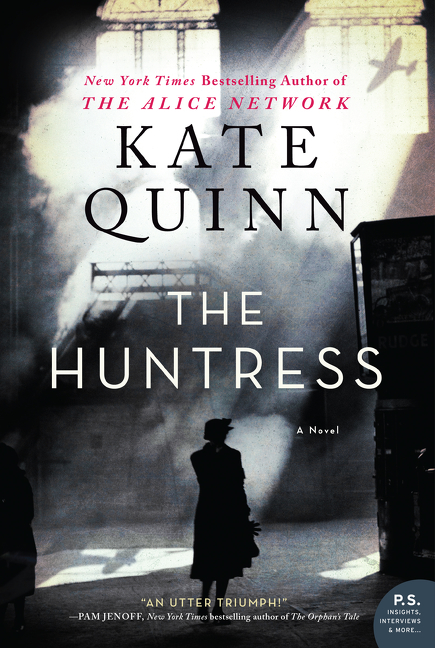
The Huntress
The war's aftermath becomes a pursuit in The Huntress: a British journalist and a Russian bomber pilot join forces to track a Nazi war criminal hiding in America. Nina Markova's service with the all-female Night Witches gives the story an aerial wartime strand; her escape from the woman they seek makes the investigation personal. Expect suspense-forward pacing and historical intrigue with a sharp edge. Ian Graham brings disciplined determination to the hunt, but his partnership with Nina carries a shared secret that could derail their mission.
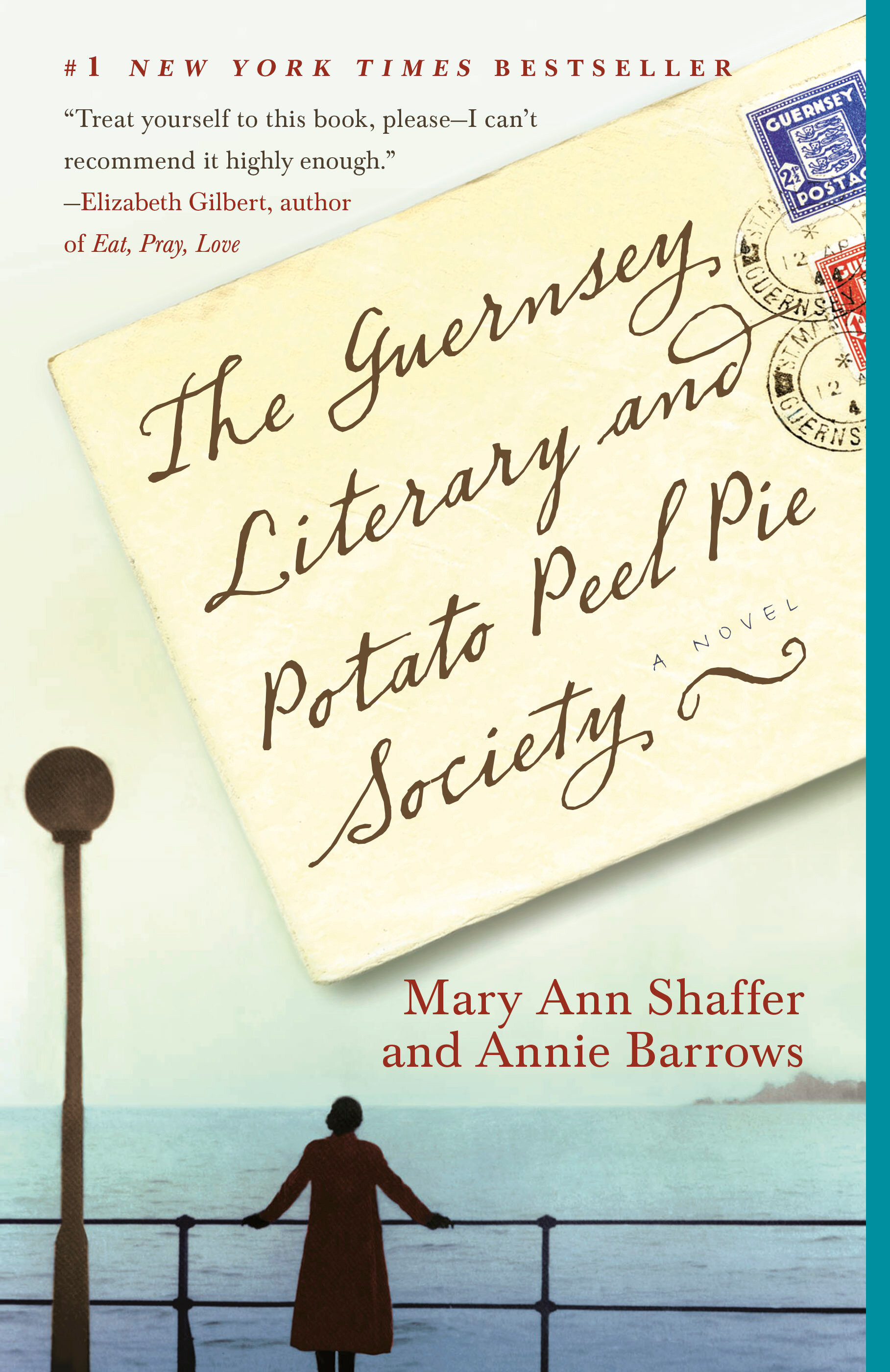
The Guernsey Literary and Potato Peel Pie Society
An inscription inside a book starts a correspondence that reaches back into occupation. In The Guernsey Literary and Potato Peel Pie Society, it's January 1946, and London writer Juliet Ashton begins exchanging letters with people on Guernsey. Their literary society began as an improvised excuse for breaking a German curfew; now its members offer stories of books, island life, and what occupation did to them. Warmth and humor make room for difficult history without erasing it. You'll spend time with an eccentric community, from pig farmers to phrenologists, whose letters eventually draw Juliet to the island.
For teens, voices worth staying with
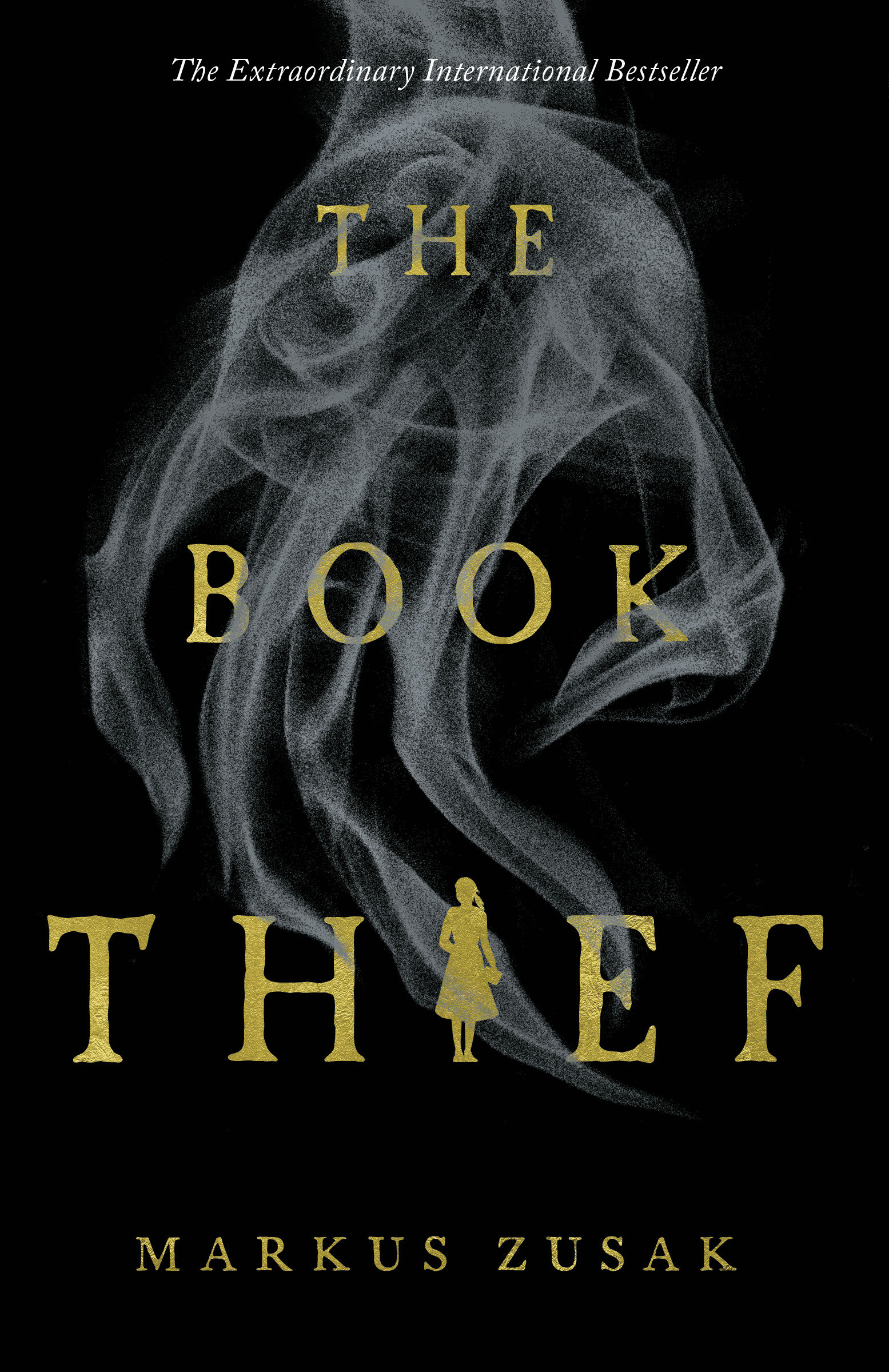
The Book Thief
Death tells the story, but a girl stealing books gives The Book Thief its stubborn life. Liesel is a foster child outside Munich, learning to read with help from her accordion-playing foster father. The voice is dark and distinctive, the pace reflective: settle in for a coming-of-age story that takes the power of words seriously. Books become a form of connection as Liesel shares them with neighbors during bombing raids and with the Jewish man hidden in her basement.
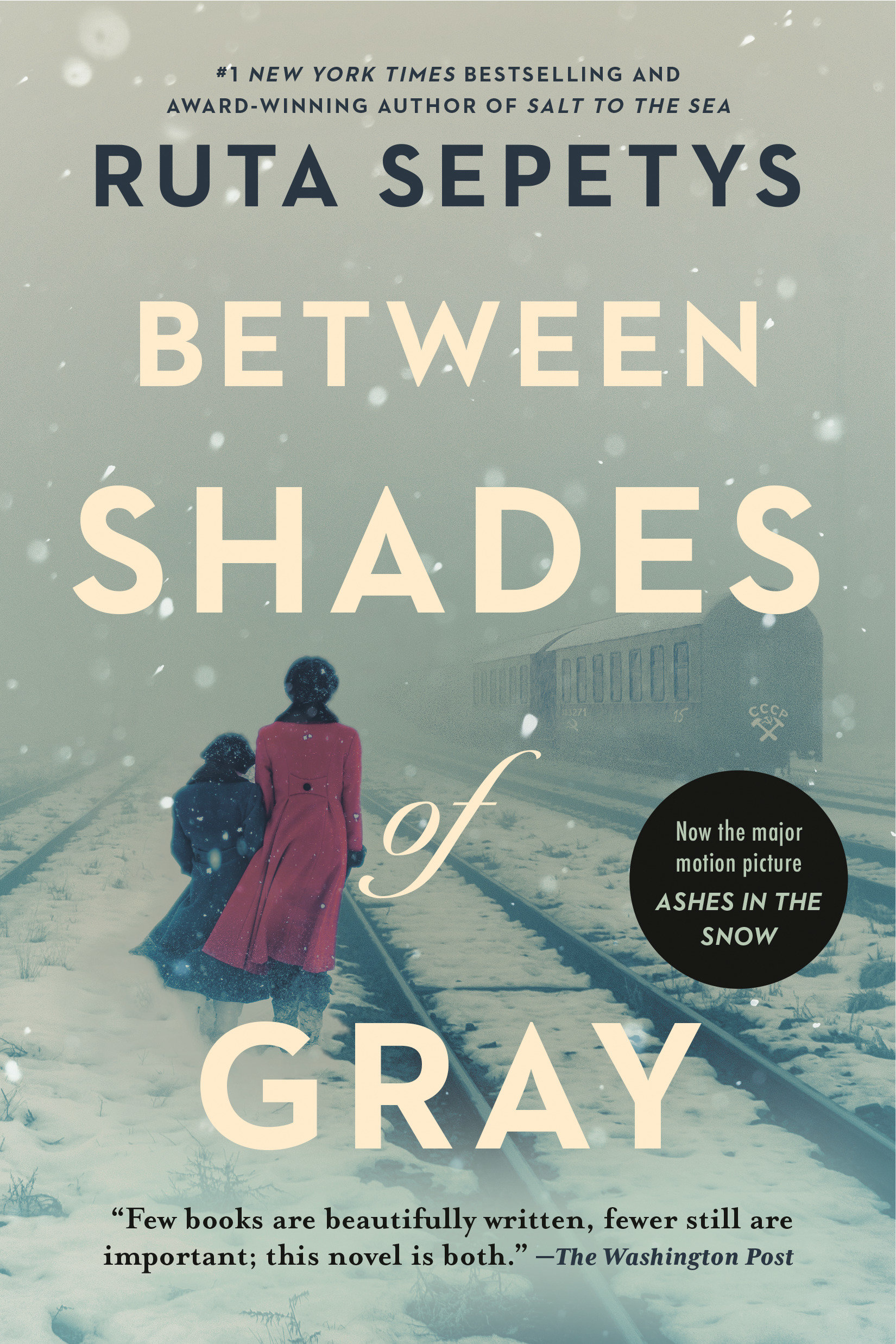
Between Shades of Gray
Lina's drawings are meant to travel where she cannot. Dragged from Lithuania with her mother and younger brother by Soviet secret police, she secretly passes along clues in pictures, hoping they will reach her father's prison camp. A knock at the door in the dead of night sets Between Shades of Gray's bleak, page-turning journey in motion. When you want a serious story with emotional gravity, its sustained telling keeps loss, fear, and survival in view. The route toward Siberia begins in a cattle car; Lina's art reaches beyond it.
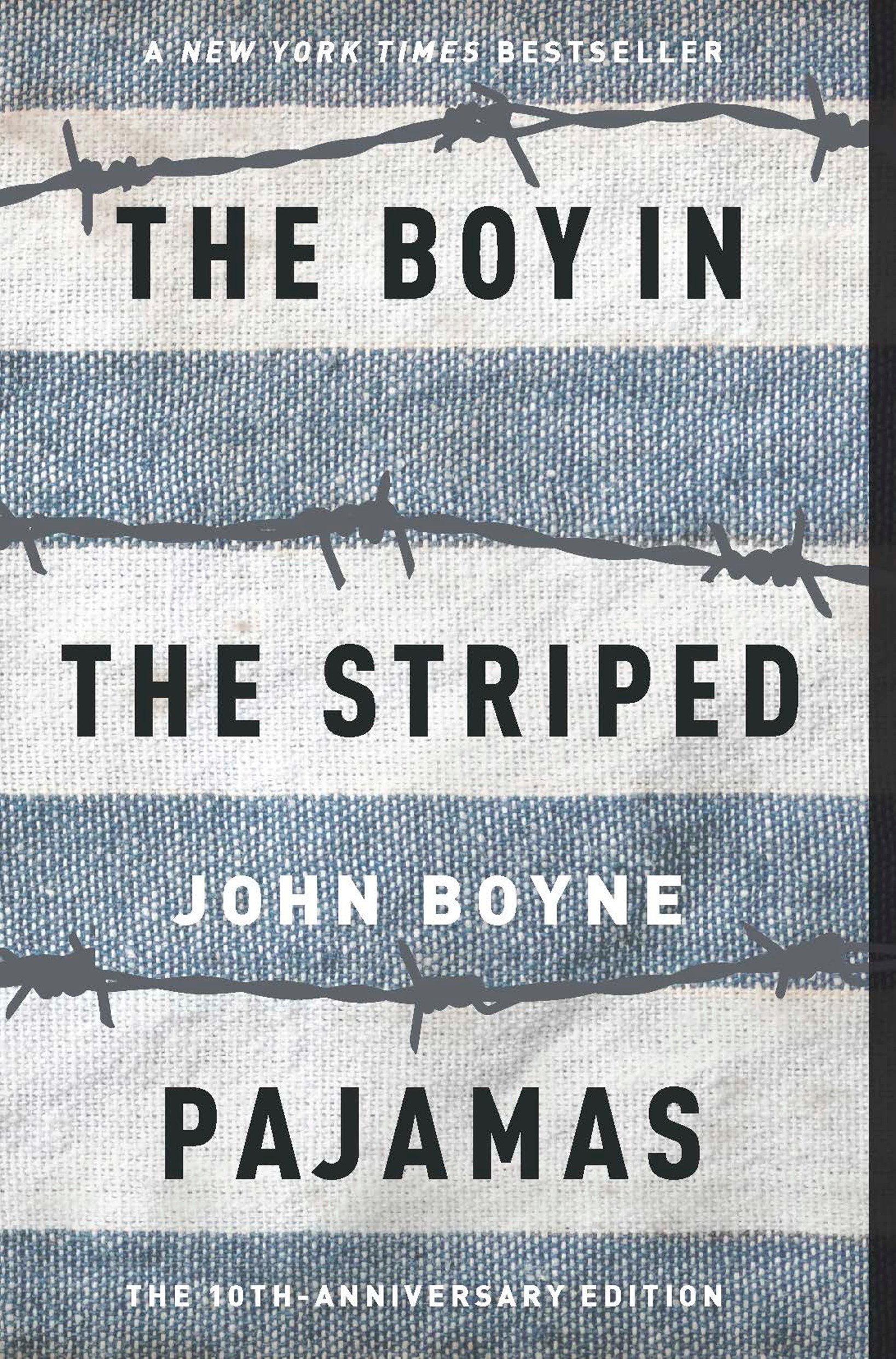
The Boy in the Striped Pajamas
What does a fence mean to a boy looking for someone to play with? The Boy in the Striped Pajamas begins with Bruno's family's move from Berlin in 1942 after his father's promotion. Bored and isolated, Bruno explores, meets a boy whose circumstances differ sharply from his own, and forms a friendship with devastating consequences. The telling is clear and reflective, putting emotional impact ahead of extended explanation. A school or family conversation can grow from that narrow perspective, the boys' different circumstances, and the innocence through which Bruno encounters his new surroundings.
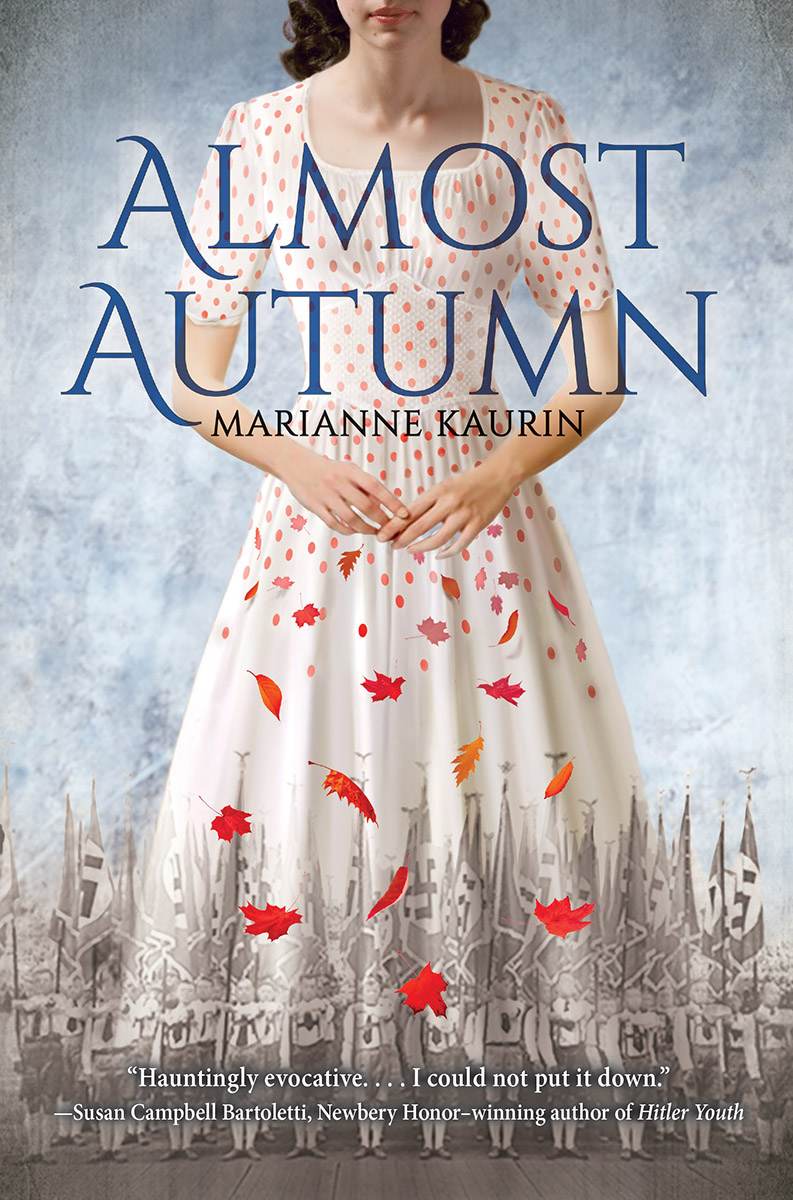
Almost Autumn
October 1942, Oslo: Ilse Stern is waiting for a first date that Hermann cannot keep. She's fifteen, Jewish, and unaware that the boy next door is helping Jews escape through the Resistance. Almost Autumn makes first love part of the danger, because the secrecy protecting his work also keeps him from telling Ilse the truth. Tenderness runs alongside sorrow and uncertainty. For romance threaded through urgent moral choices, the pressure lies in seemingly small decisions: speak or stay silent, leave or wait another day.
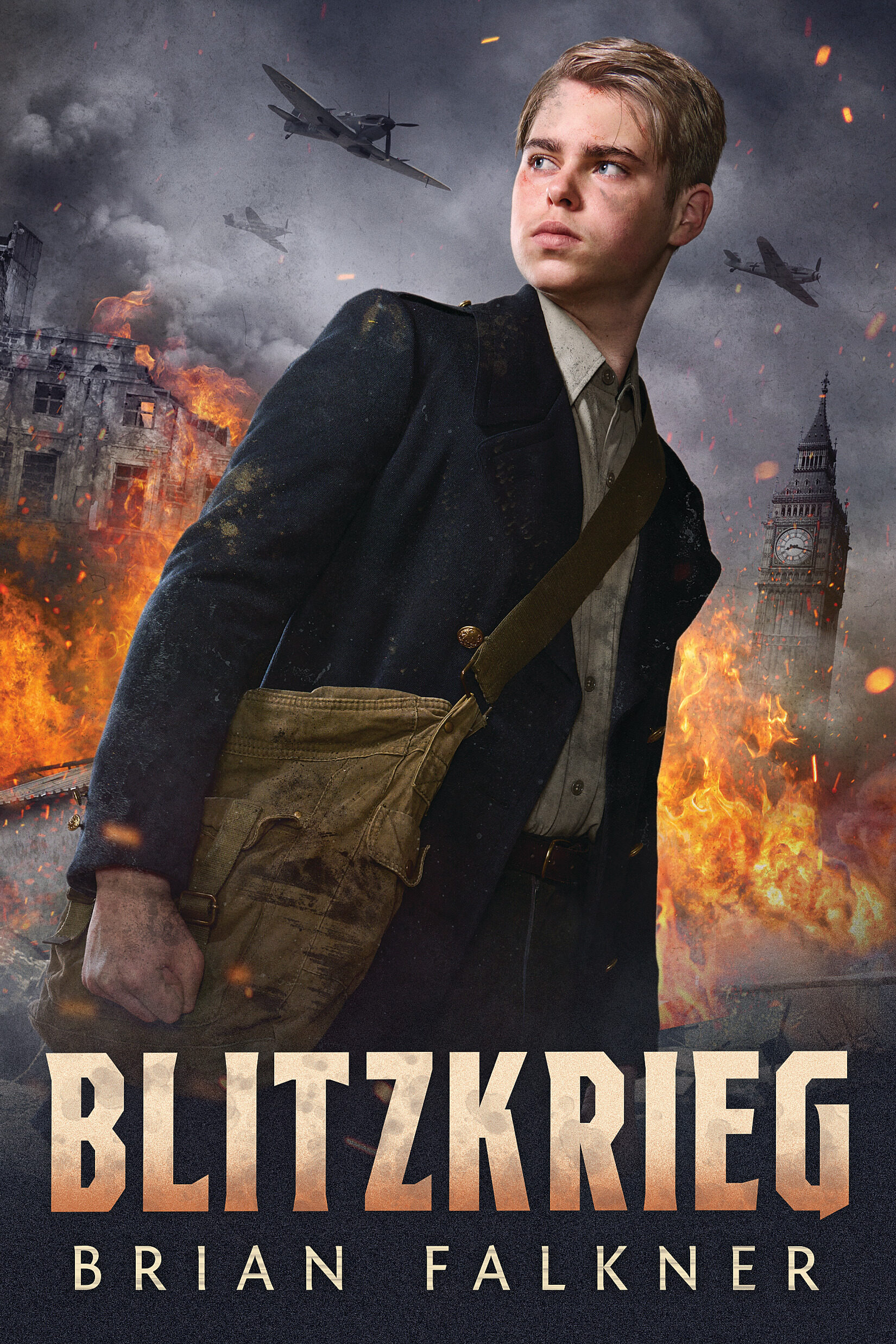
Blitzkrieg
Joe St. George escapes Germany, but reaching London doesn't end the danger. After his father disappears and an attempted escape separates him from his mother, Joe searches for answers as the Blitz threatens his new surroundings. Blitzkrieg turns that family search into an MI5 assignment, with danger extending far beyond the city. Inspired by real events, it builds a tense adventure around escape, secrecy, and the uneasy cost of survival. The route takes in vital convoys on the frozen North Atlantic and the shadowy French Resistance, while Joe remains desperate to find his parents.
Courage through a ten-year-old's eyes
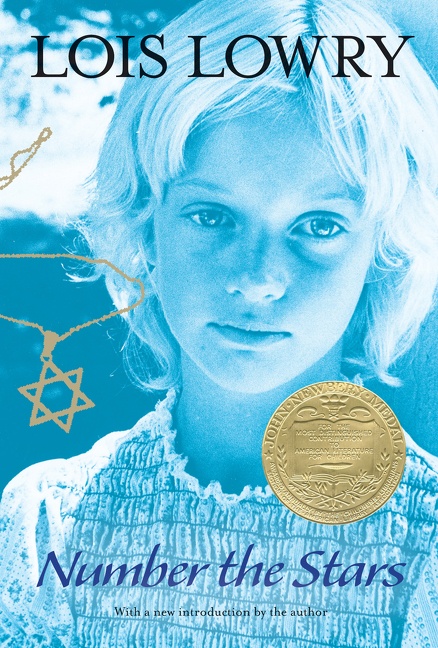
Number the Stars
Passing a friend off as family becomes an act of resistance in Number the Stars. Ten-year-old Annemarie watches as German persecution threatens Denmark's Jews and her family conceals her best friend, Ellen Rosen. The child's viewpoint gives younger kids a concrete way into courage: protecting someone familiar while a much larger rescue effort unfolds. Their friendship sits within the historical rescue of nearly seven thousand Danish Jews across the sea to Sweden. The story keeps that collective bravery close to home, with one family making room for a child in danger.