Beginner Reading Books, From First Words to First Grade
Match your child’s next book to letter sounds, repeated sentences, or first-grade practice, with playful stories and photo-filled facts along the way.
Edited by Chris · updated 2026-11-07
For a child just learning letter sounds, Bob Books - Set 1: Beginning Readers opens with four sounds and one sight word; I Like My Bike offers repeating Level A text for early kindergarten. When a child can sound out some words, Guided Science Readers Parent Pack: Level D brings photo-supported science practice through first grade. For early-to-mid first grade, My Day with Mom adds more varied story structure and punctuation, while DK Super Readers Level 1 An Arctic Childhood builds nonfiction skills across grades 1–2.
Our reading of each book:Come here forExpectWhere it sits
Build from sounds and familiar words
Match the practice to what your child is working on: sounding out short words, recognizing common words, or tackling short and long vowel patterns.
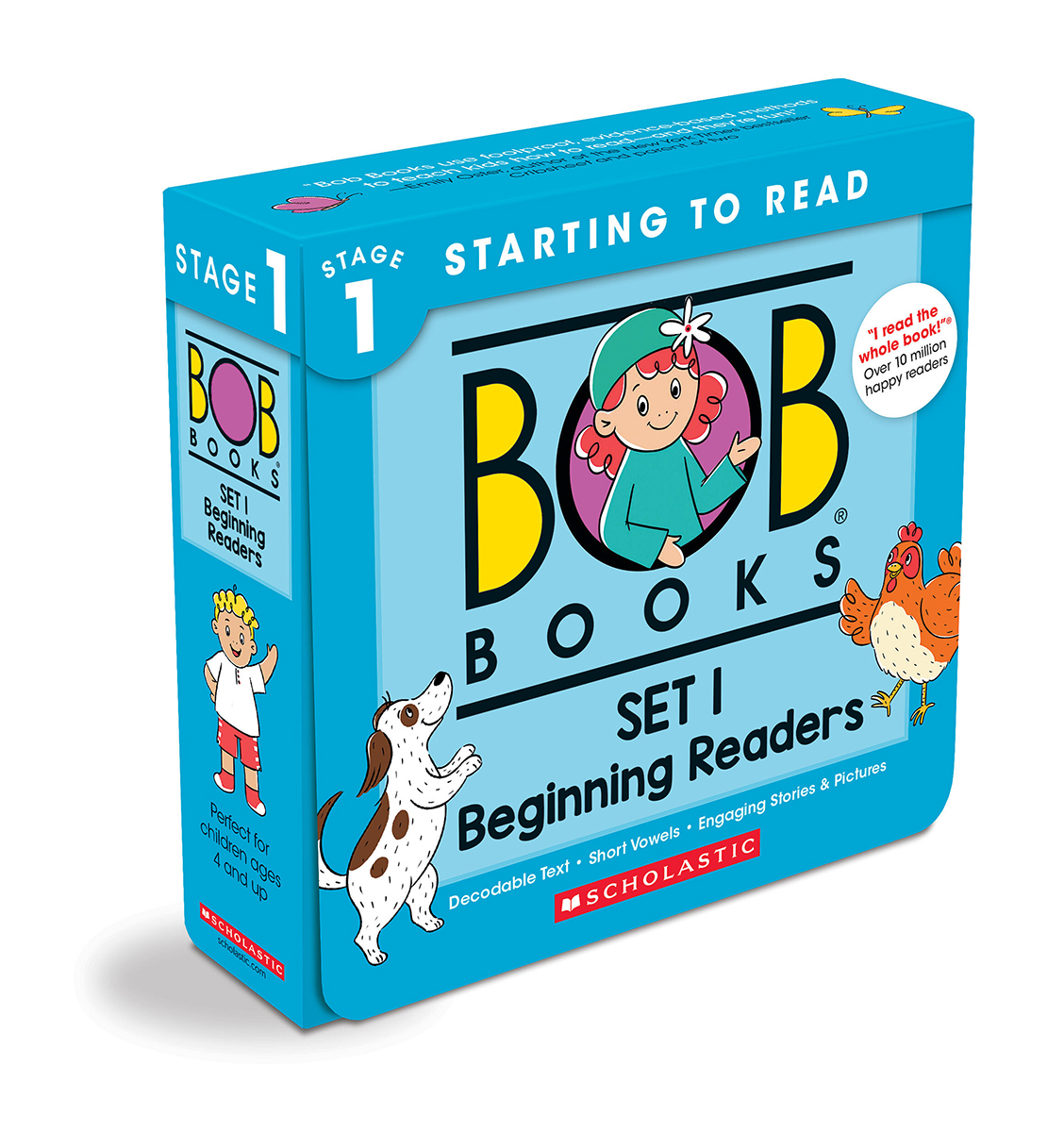
Bob Books - Set 1: Beginning Readers
Four sounds—m, a, t, and s—and one sight word power the first story in Bob Books - Set 1: Beginning Readers. That small starting point suits a child just learning letter sounds: the text uses two- and three-letter words with short vowels that can be sounded out. Across 12 small, 12-page books, sounds arrive gradually until every alphabet letter except q has appeared. Playful stories and silly illustrations keep the work light, while the parent guide offers help alongside those first complete-book finishes.
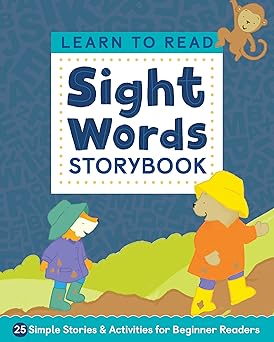
Learn to Read: Sight Words Storybook
Each of the 25 illustrated stories in Learn to Read: Sight Words Storybook inches up in difficulty, introducing 50 essential sight words over the course of the book. Aimed at ages 3–5, it puts words such as “up,” “down,” “go,” and “know” into sentences so children can connect recognition with meaning. After every story, two reading games return to the words just practiced. You can revisit a story and its pair of games together, keeping practice centered on recognizing words and understanding their meaning.
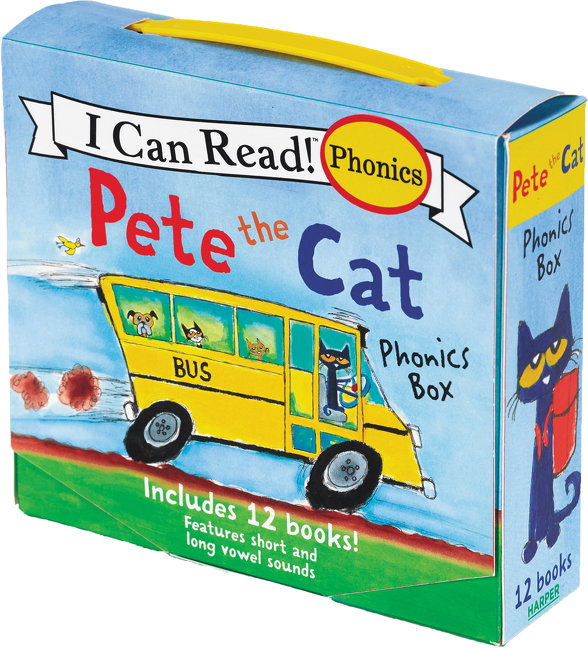
Pete the Cat 12-Book Phonics Fun!
Short and long vowel sounds share the spotlight in Pete the Cat 12-Book Phonics Fun!, a box of 12 short, full-color stories featuring Pete. The phonics practice includes repeated examples of both kinds of vowel sounds as well as common sight words, so the work extends beyond a first handful of letter sounds. Share these simple stories with a child ages 3–6 who enjoys a recurring cat character. The steady pace and repeat encounters with sound patterns give the set its shape.
Let repetition and rhyme carry a story
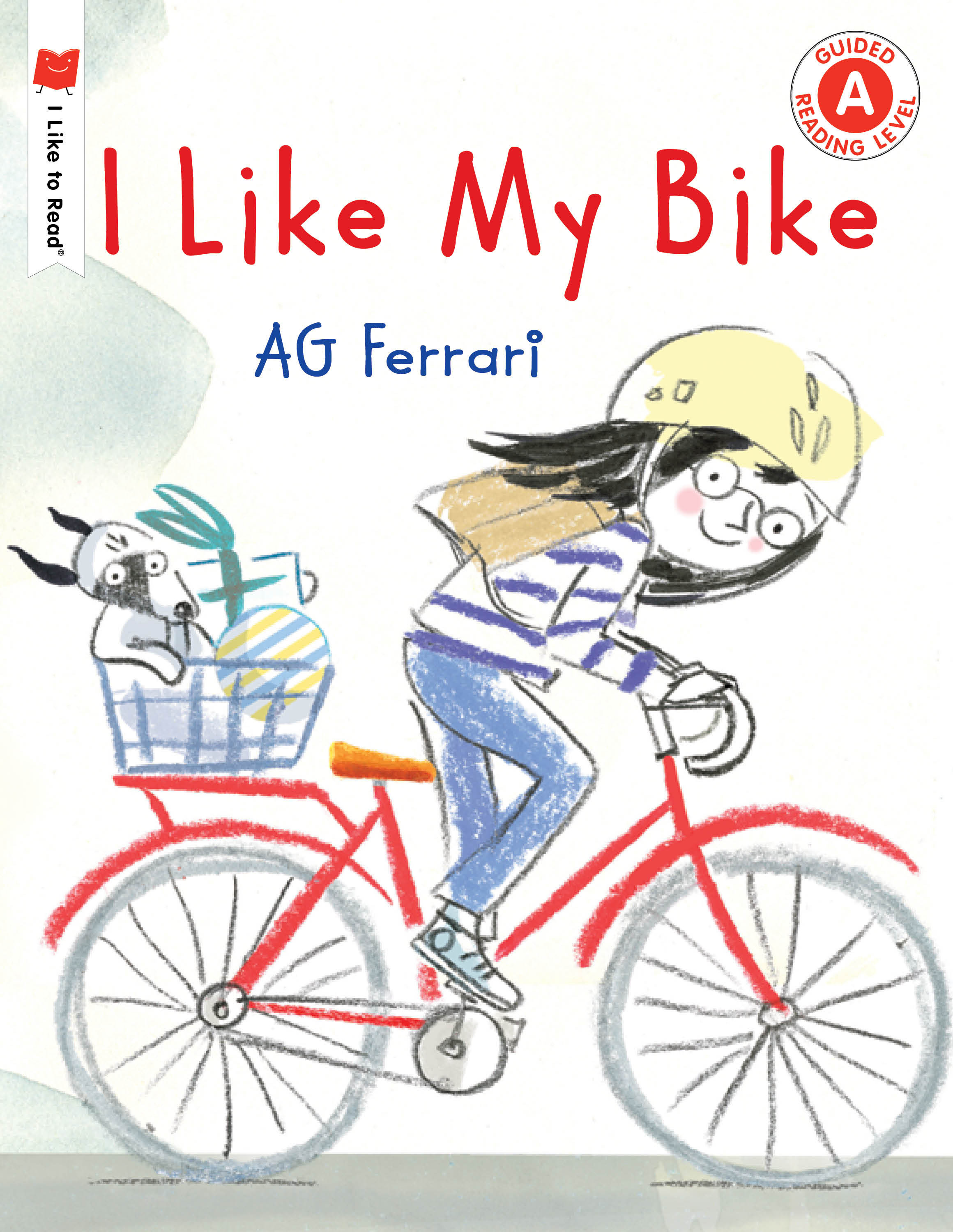
I Like My Bike
Cars and trucks are stuck in traffic, but the girl on her bike keeps moving in I Like My Bike. Its Level A text is designed for early kindergarten: one short sentence repeats on every page, with one word changing per spread. That predictable structure gives a child a small amount of new text to handle, while detailed illustrations support comprehension. The pictures also invite kids to make connections and draw inferences beyond the words, with an eco-friendly message carried by the cyclist’s trip to a birthday party.
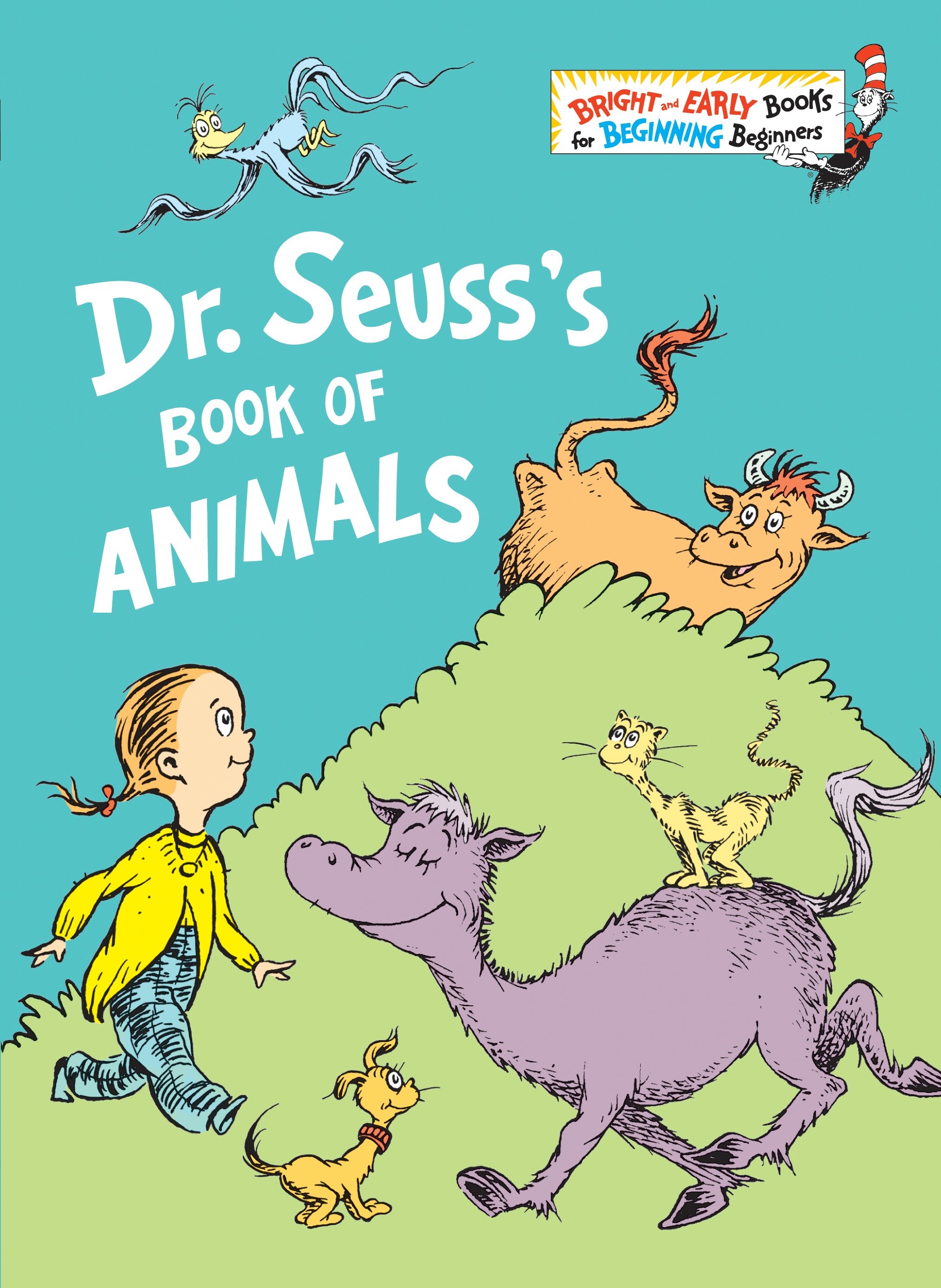
Dr. Seuss's Book of Animals
Animal naming takes a rhymed route through Dr. Seuss's Book of Animals, with real creatures alongside animals found only in Dr. Seuss’s books. The text suits kids just beginning to recognize words and sound out letters, pairing that early practice with identifying what’s pictured. Colorful artwork gathered from existing Seuss books gives this concept book another role: an introduction to the animals and visual world of Seuss.
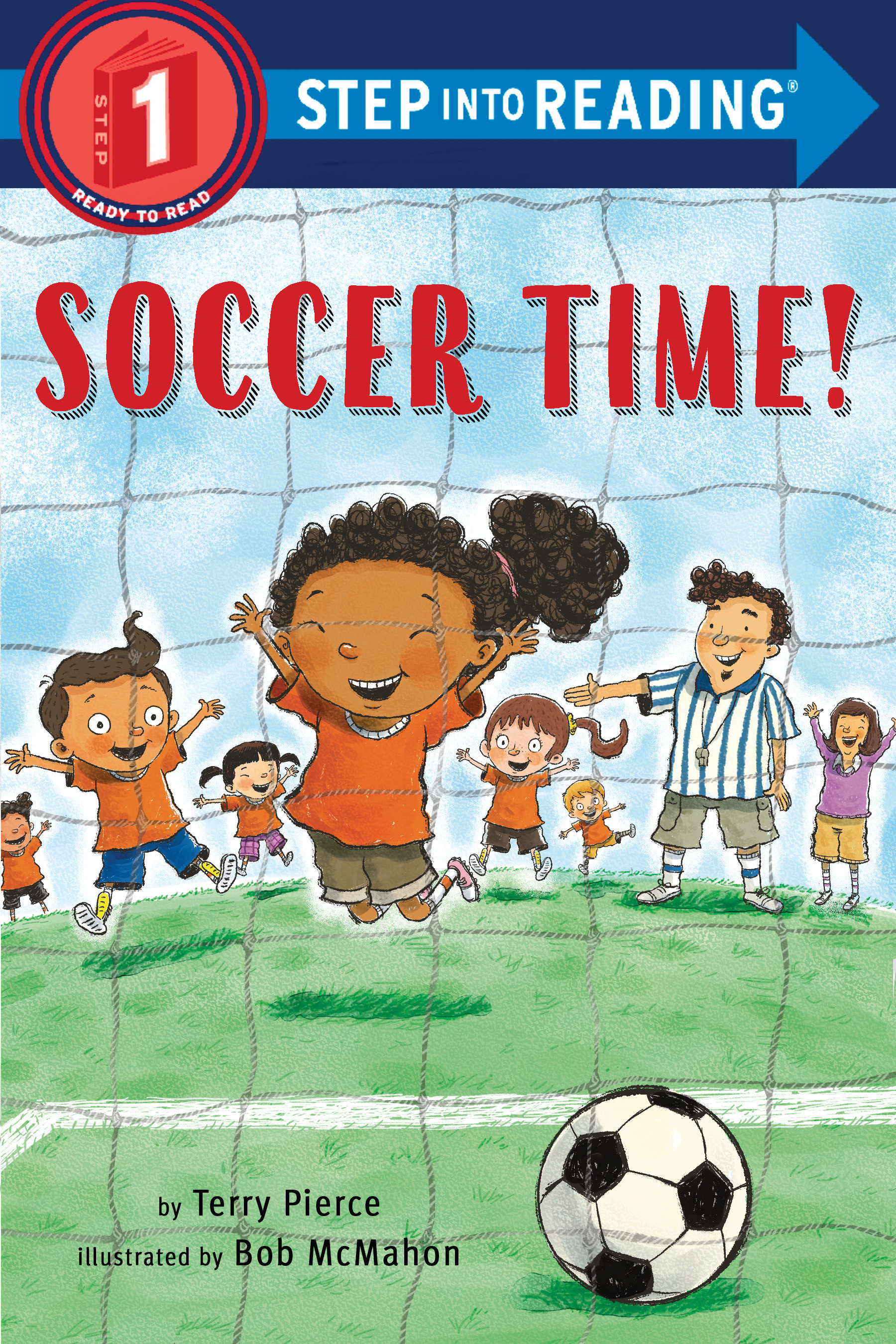
Soccer Time!
No hands, just feet: Soccer Time! brings soccer’s basic skills onto the page in a rhythmic Step 1 story. Children who know the alphabet and are eager to begin reading can follow the game in big type. Alliteration and word families give the word work a sound-focused shape, with rhyme woven into the action. A soccer-loving child has a familiar sport to follow at a steady pace, right through the excitement of scoring a goal.
Discover first facts with photo support
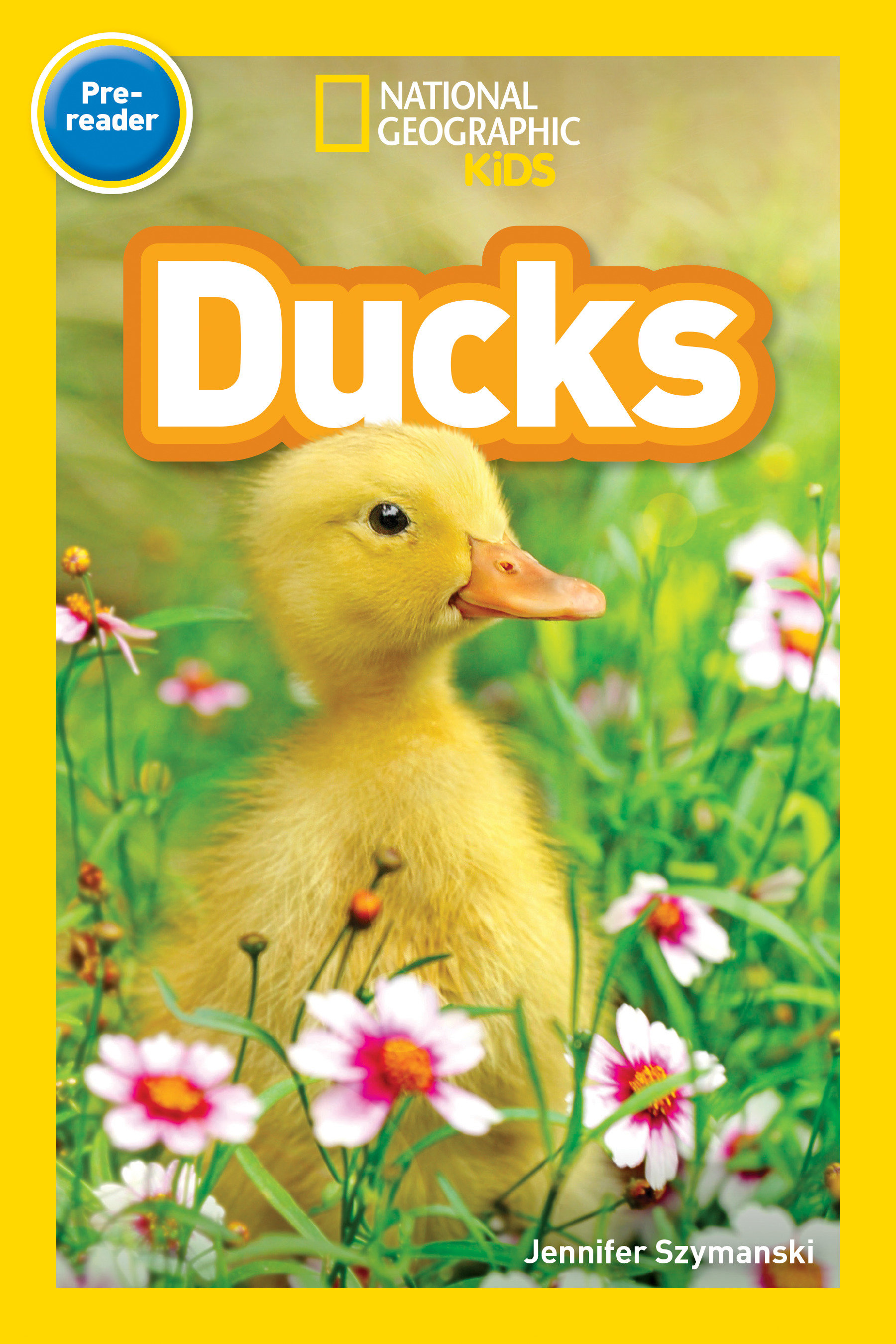
Ducks (National Geographic Kids Readers, Pre-Reader)
Duck photographs fill every page of Ducks (National Geographic Kids Readers, Pre-Reader), with fuzzy ducklings and graceful birds sharing the spotlight. At the beginning, a vocabulary tree groups key words by concept, helping children connect the words rather than meet each one in isolation. That attention to word relationships shapes the practice for an animal-loving child taking early steps with print. A wrap-up activity gives kids a chance to use what they’ve learned about ducks.
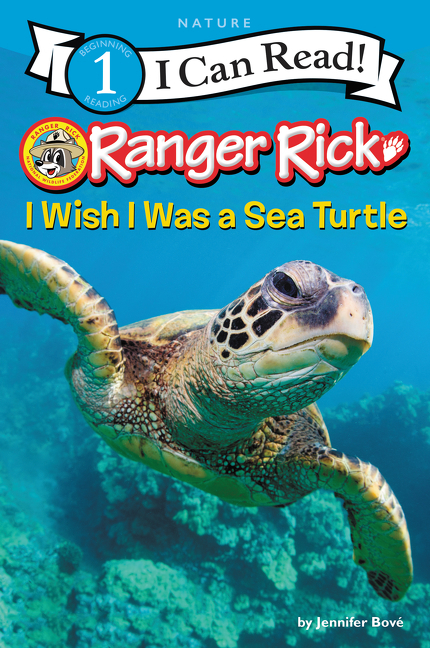
Ranger Rick: I Wish I Was a Sea Turtle
What would it be like to eat, sleep, and spend most of life underwater as a sea turtle? Ranger Rick: I Wish I Was a Sea Turtle uses that pretend transformation to introduce sea turtle facts alongside vivid wildlife photographs. Check both labels: it is Level One I Can Read and Guided Reading Level K. The animal’s daily life gives children learning to sound out words and sentences a subject to explore. A Wild Words glossary adds vocabulary work, and a hands-on activity carries the turtle theme beyond the page.
First-grade practice: word work, stories, and science
First grade brings several different jobs: recognizing frequently used words, sounding out some words in science books, following more varied story structure, and building nonfiction vocabulary. Match the next book to the task that needs practice.
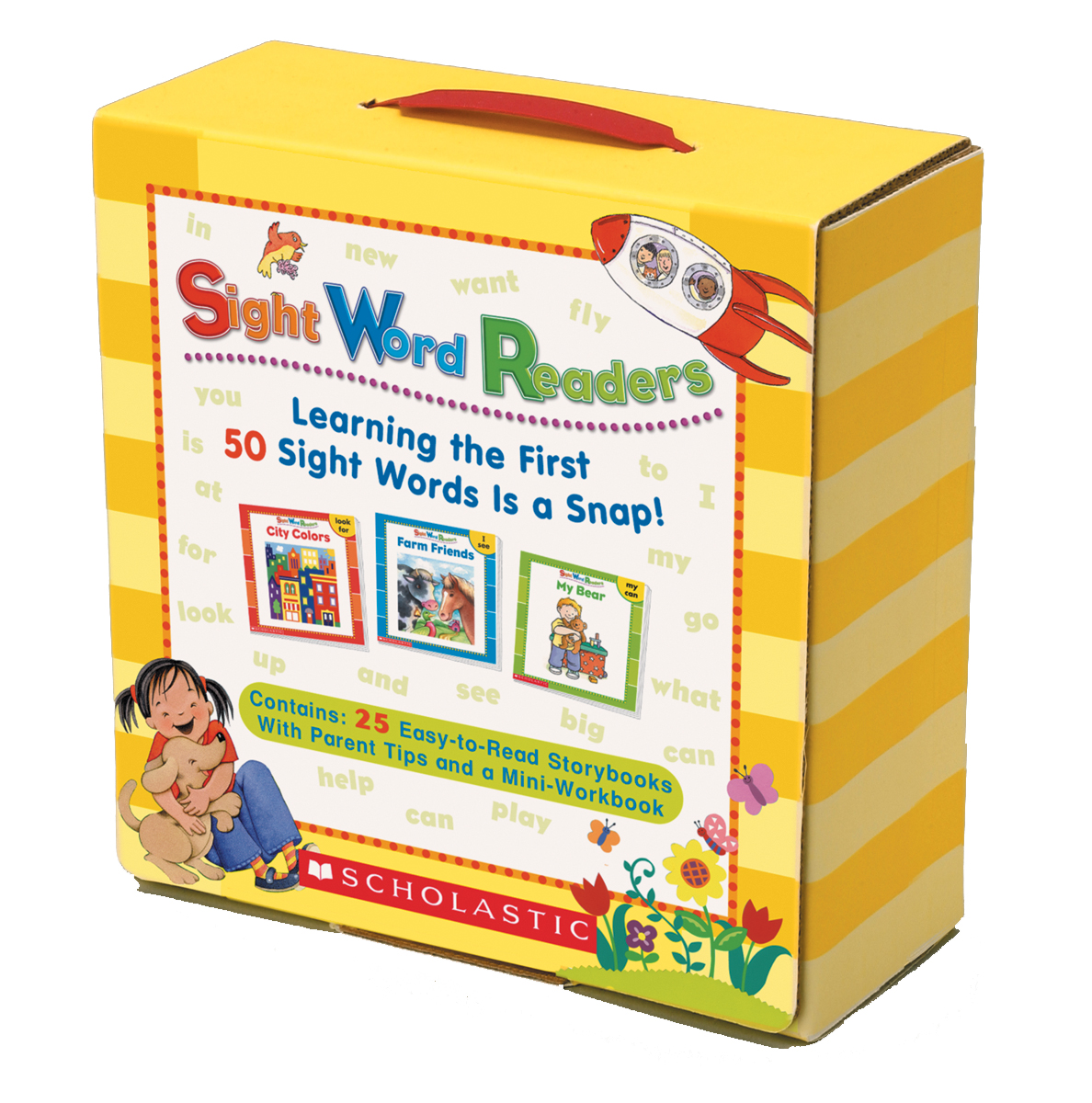
Sight Word Readers
Fifty frequently used words get a story-based workout in Sight Word Readers. Spread across 25 little books, the stories are designed for children to read independently, making this a focused option when common-word recognition needs practice alongside first-grade reading. Its full grade range runs from pre-K through first grade, so the work can begin before that school year, too. A write-and-learn workbook adds how-to guidance and activities, bringing those words into writing practice as well as story reading.
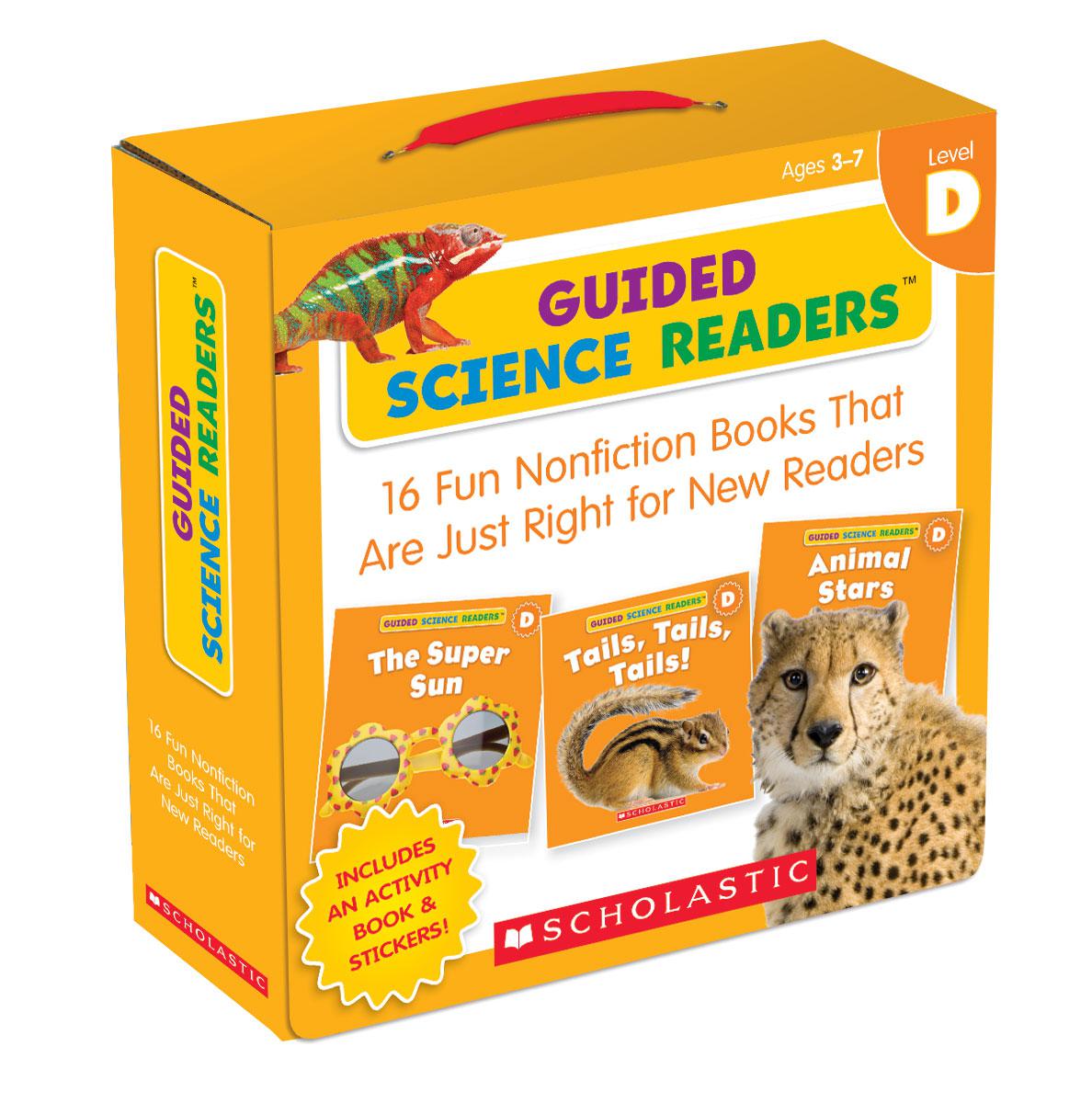
Guided Science Readers Parent Pack: Level D
A child who can sound out some words has a science-filled next step in Guided Science Readers Parent Pack: Level D, a Level D collection of little books. Sea turtles, ladybugs, chicks, and even ice cream appear among the topics, bringing both animals and food into the reading practice. The collection is intended for pre-K through first grade, with parent tips to help at home. A mini-activity book and stickers accompany the set, adding more ways to spend time with those science discoveries.
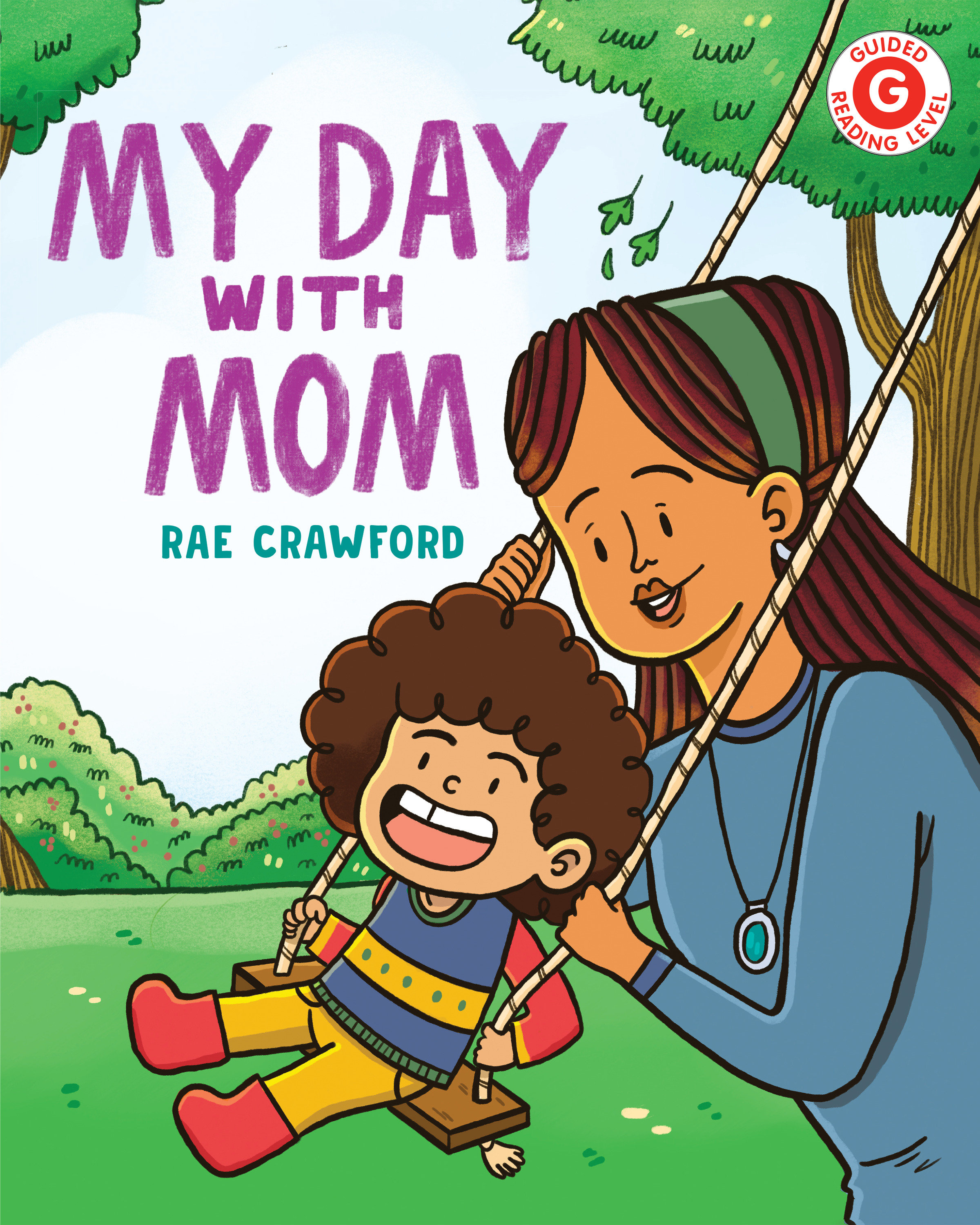
My Day with Mom
One day with Mom takes in the park, an art fair, and a farmer’s market in My Day with Mom. The familiar outings anchor a Level G story intended for early-to-mid first grade, where the work includes more complex storylines and a wider variety of structure and punctuation. It also invites mother-child reading time: cuddle up together over a story whose fun comes from sharing a day with Mom.
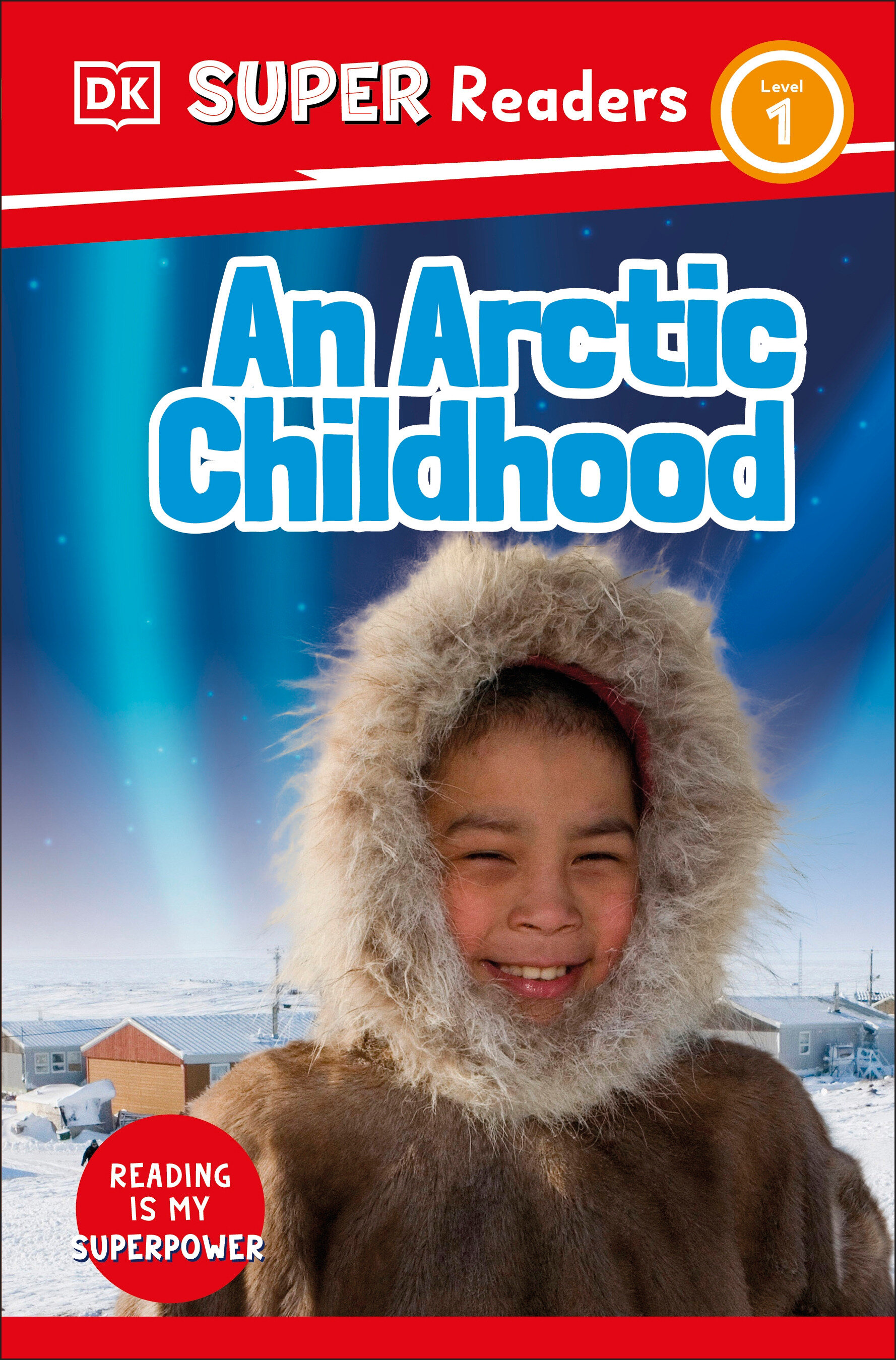
DK Super Readers Level 1 An Arctic Childhood
Meet Pauloosie and his Arctic community in DK Super Readers Level 1 An Arctic Childhood, where nonfiction learning is built into the reading practice. Its Level 1 text develops subject vocabulary around life in the Arctic and supports core skills across grades 1–2. Kids who enjoy learning about places can practice reading while getting to know a community’s way of life. Visually engaging pages expand subject knowledge, and comprehension quizzes offer a chance to return to the information and check understanding.