South African History Books That Put Apartheid in Context
Find an apartheid overview, a compact narrative, or illustrated history for older kids, with routes into colonization, racism, and freedom.
Edited by Chris · updated 2026-11-20
Begin with Long Walk to Freedom for the freedom struggle or Kaffir Boy for racism and everyday life under apartheid. Playing the Enemy is compact and scene-driven; Diamonds, Gold, and War and The Zulus at War explore colonization through mineral wealth and Zulu warfare, respectively. For a general overview of the apartheid era, choose Apartheid, 1948-1994, while All Rise: Resistance and Rebellion in South Africa offers six illustrated stories of resistance before apartheid to share with older kids and teens.
Our reading of each book:Come here forExpectWhere it sits
Understand apartheid, from systems to individual lives
A general starting point can be an overview of apartheid or a life lived through it. These three books move from institutions and resistance to political leadership and childhood under racial oppression.

Apartheid, 1948-1994
How did apartheid endure for decades, and how was it defeated? Apartheid, 1948-1994 tackles both questions by bringing resistance into the same frame as institutions, ideas, and culture. For a general introduction to the apartheid era, you can follow how power worked inside South Africa and how the country fit into a wider global setting. The analytical approach offers grounding for students and fresh angles for people returning to the subject. Its central concern is the relationship between white supremacy, opposition, and the system's survival.
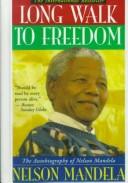
Long Walk to Freedom
In Long Walk to Freedom, Nelson Mandela tells the story of a life spent fighting racial oppression, through imprisonment and the struggle toward majority rule. The straightforward, sustained narrative gives you a political life to follow while building historical context around it. This is an expansive way into the freedom struggle for adults who connect with a person before a set of institutions. Mandela's public voice carries the account through setbacks and renewed hope, with the movement toward multiracial government giving the personal story its civic scale.
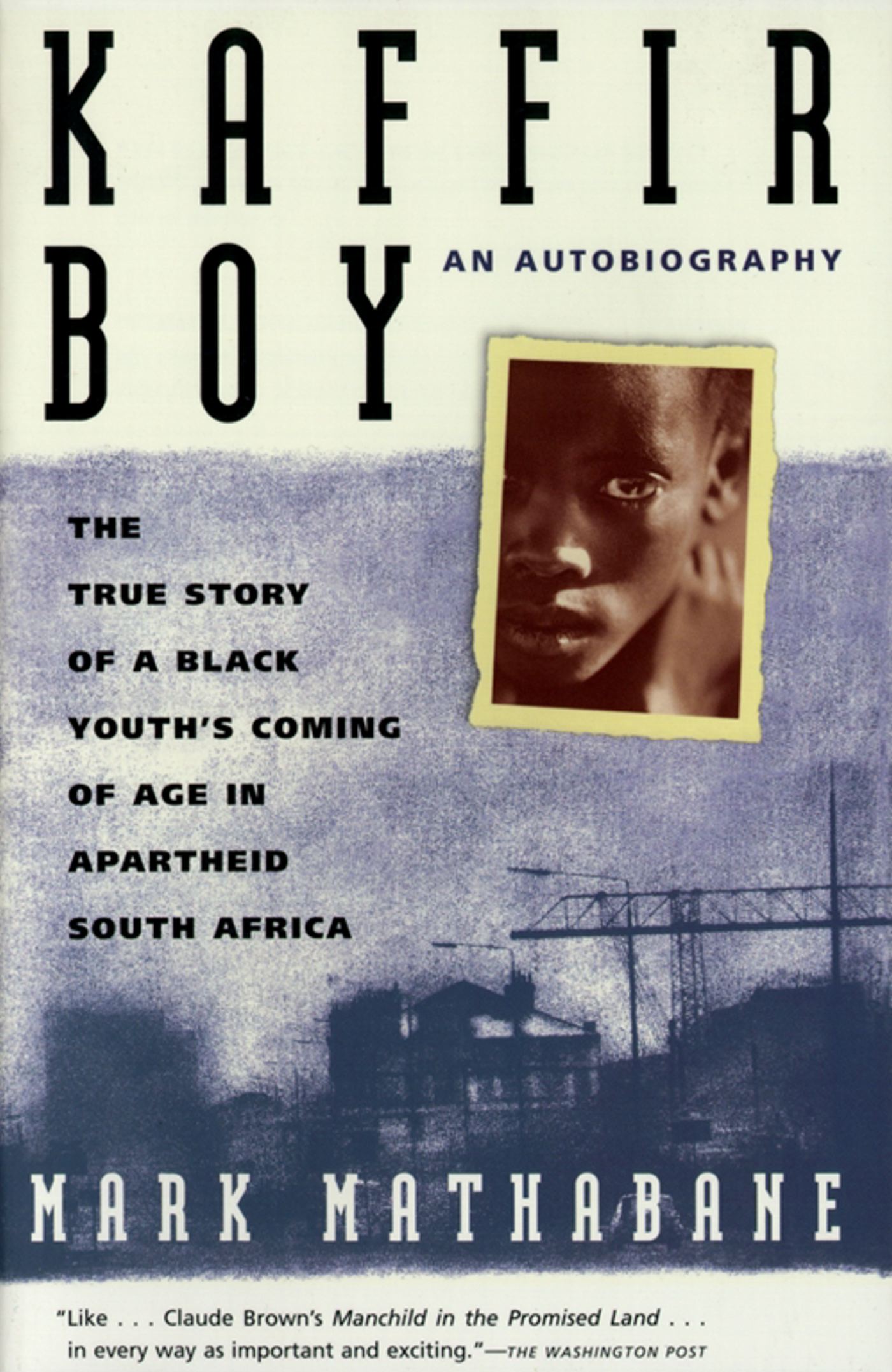
Kaffir Boy
Midnight police raids, gang violence, grinding poverty: Kaffir Boy makes apartheid's cruelties immediate through Mark Mathabane's childhood in Alexandra. His family's courage and his hard-won education matter as much as the daily humiliations imposed by racism. If you connect with history through lived experience, this coming-of-age account follows resilience without softening the brutality surrounding it. The narrative moves from a childhood measured in survival toward a scholarship to an American university, keeping the cost of apartheid close to one boy's life.
A compact route through Mandela's statecraft
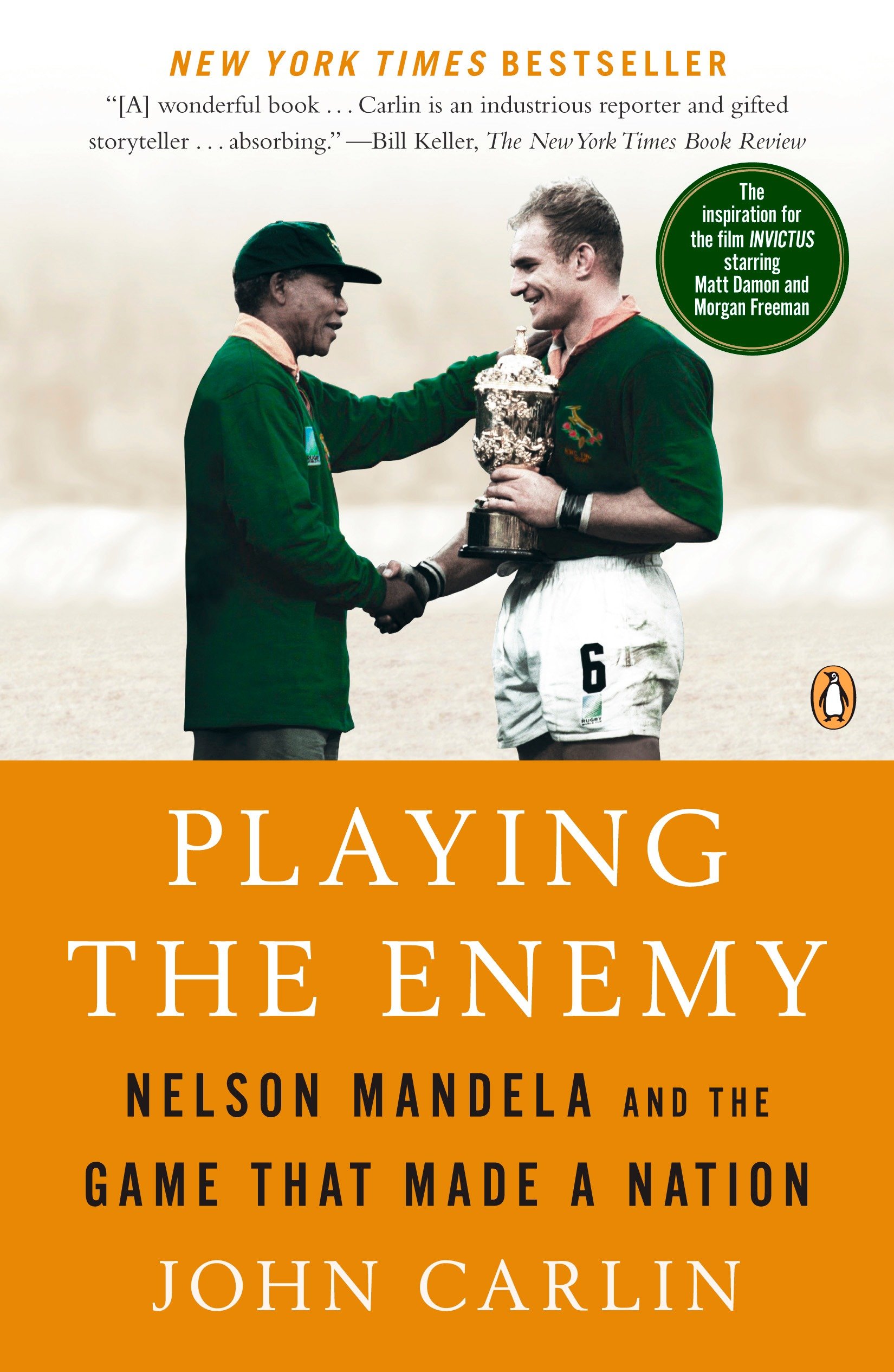
Playing the Enemy
From a jail cell to the 1995 World Cup, Playing the Enemy follows Mandela's effort to turn rugby into an instrument of reconciliation. Its compact, scene-driven shape makes a focused route into the early challenges of freedom, with political tension carried by a national team. The Springboks had embodied white-supremacist rule; Mandela wanted them to stand for a new South Africa. Expect momentum alongside statecraft, as the attempt to unite a divided country takes concrete form in the tournament South Africa was preparing to host.
Illustrated history to share with older kids
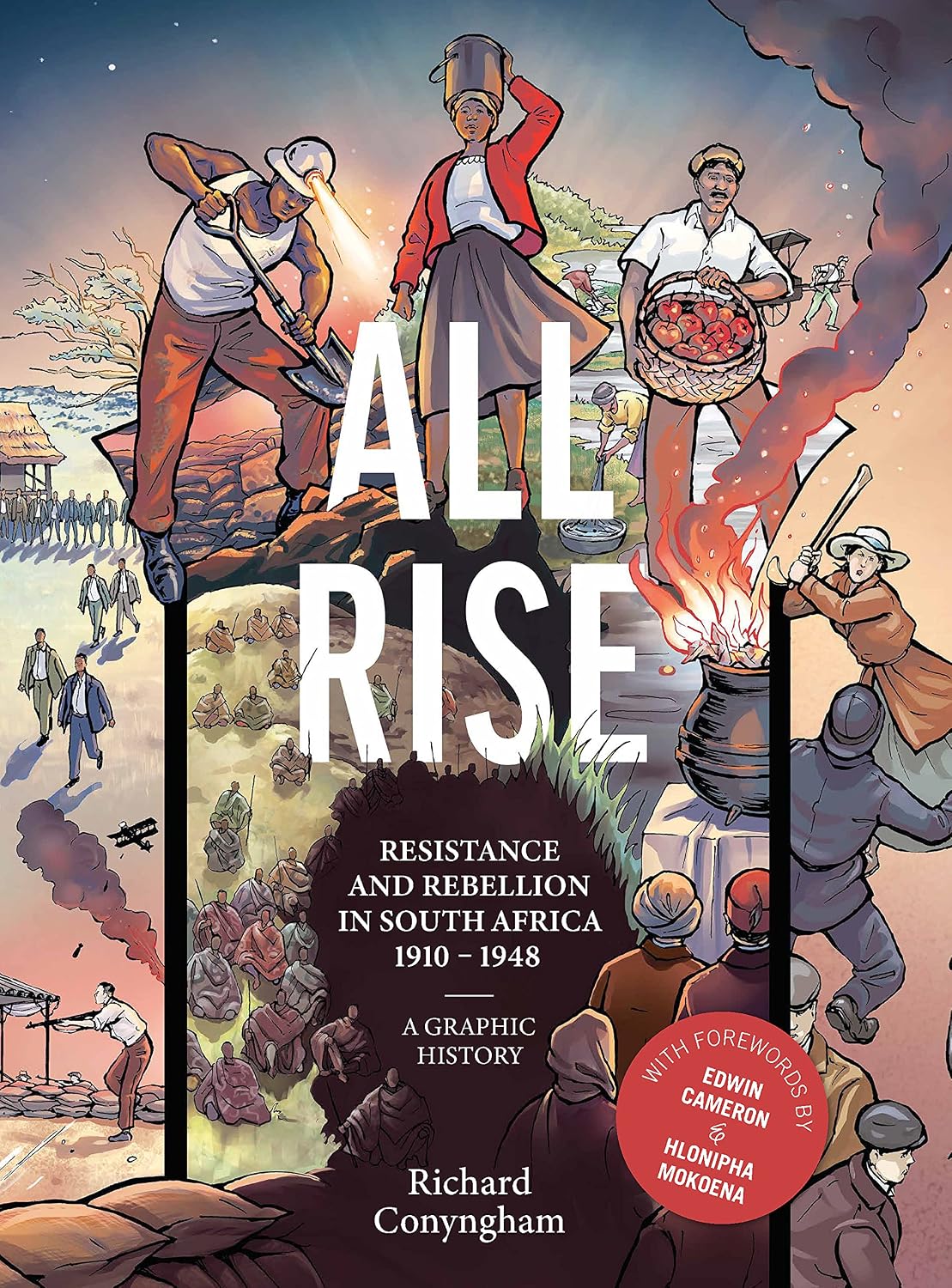
All Rise: Resistance and Rebellion in South Africa
The six true stories in All Rise: Resistance and Rebellion in South Africa each have a different South African artist—and ordinary working people at their center. Parents and teachers choosing for older kids and teens have an illustrated way into resistance to colonial government in the years before apartheid. Across its six parts, this graphic anthology follows people who defended the disempowered, sometimes risking their lives to make change possible. The cast brings the history down to particular lives: immigrants and miners, tram workers and washerwomen.
Trace colonization through wealth and war
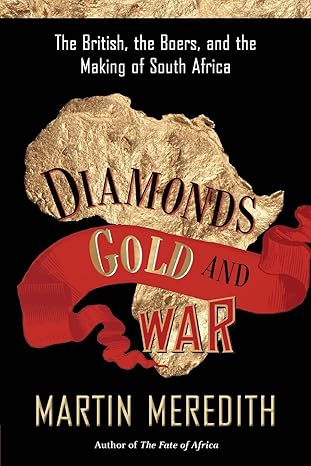
Diamonds, Gold, and War
Once diamonds and gold enter the picture, the struggle over southern African land changes scale in Diamonds, Gold, and War. Meredith follows the collision between mineral discoveries and British-Boer rivalry, showing how the rush for wealth fed a costly, devastating war. Colonization comes into focus through competing claims to land and resources. The account also connects those struggles to the foundations of apartheid, so the mines matter as more than scenery: they help explain the political order taking shape.
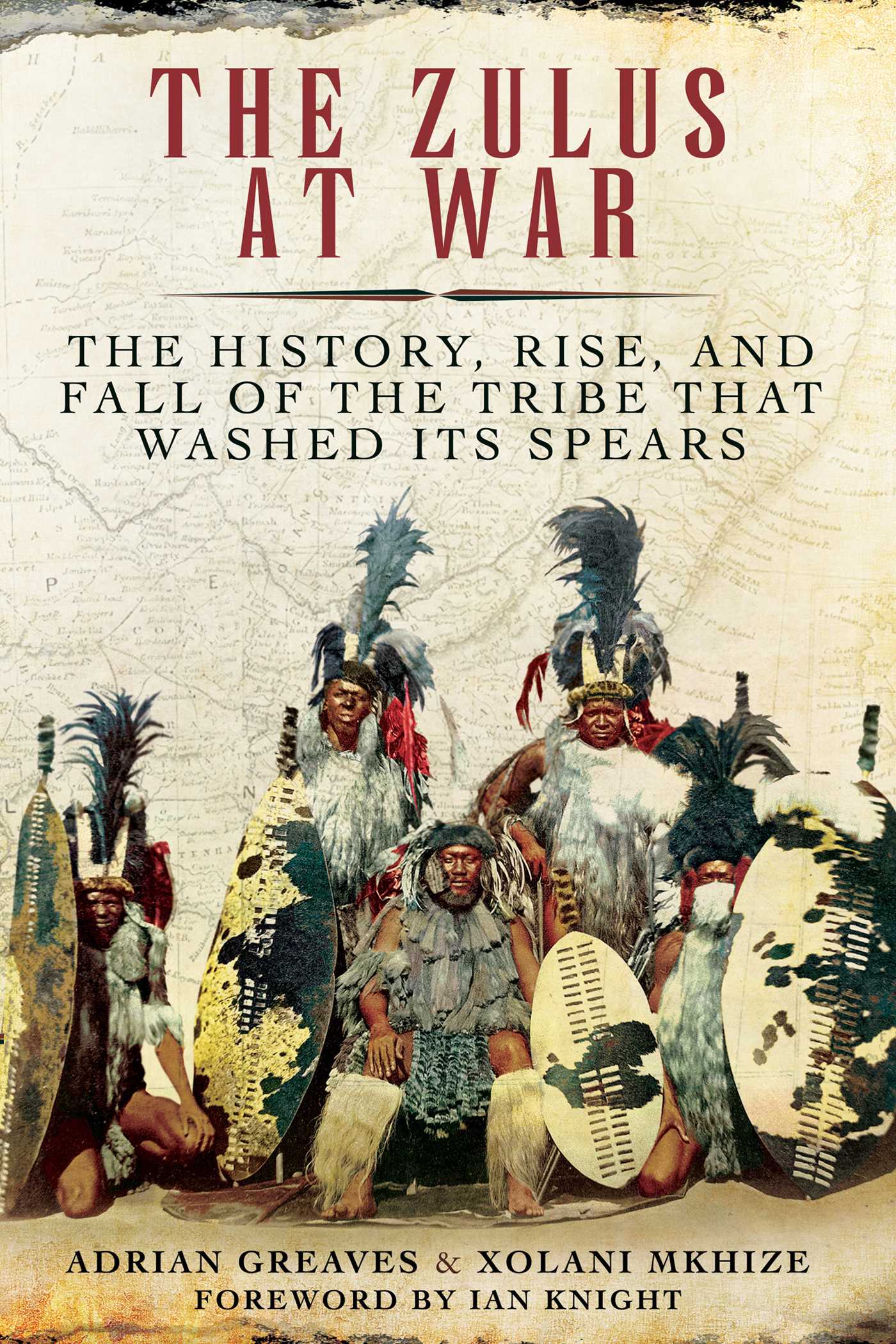
The Zulus at War
The Zulus at War takes a long view of Zulu power, reaching from the establishment of Zululand through the 1906 rebellion. Military history supplies its texture: leadership, tactics, weapons, and the consequences of conflict all receive attention. You can follow King Shaka and his successors, the Zulu victory at Isandlwana, and the crushing defeat that followed in 1879. The Zulu perspective is part of the telling, and the account continues into the upheavals caused by Zululand's division and later conflict.
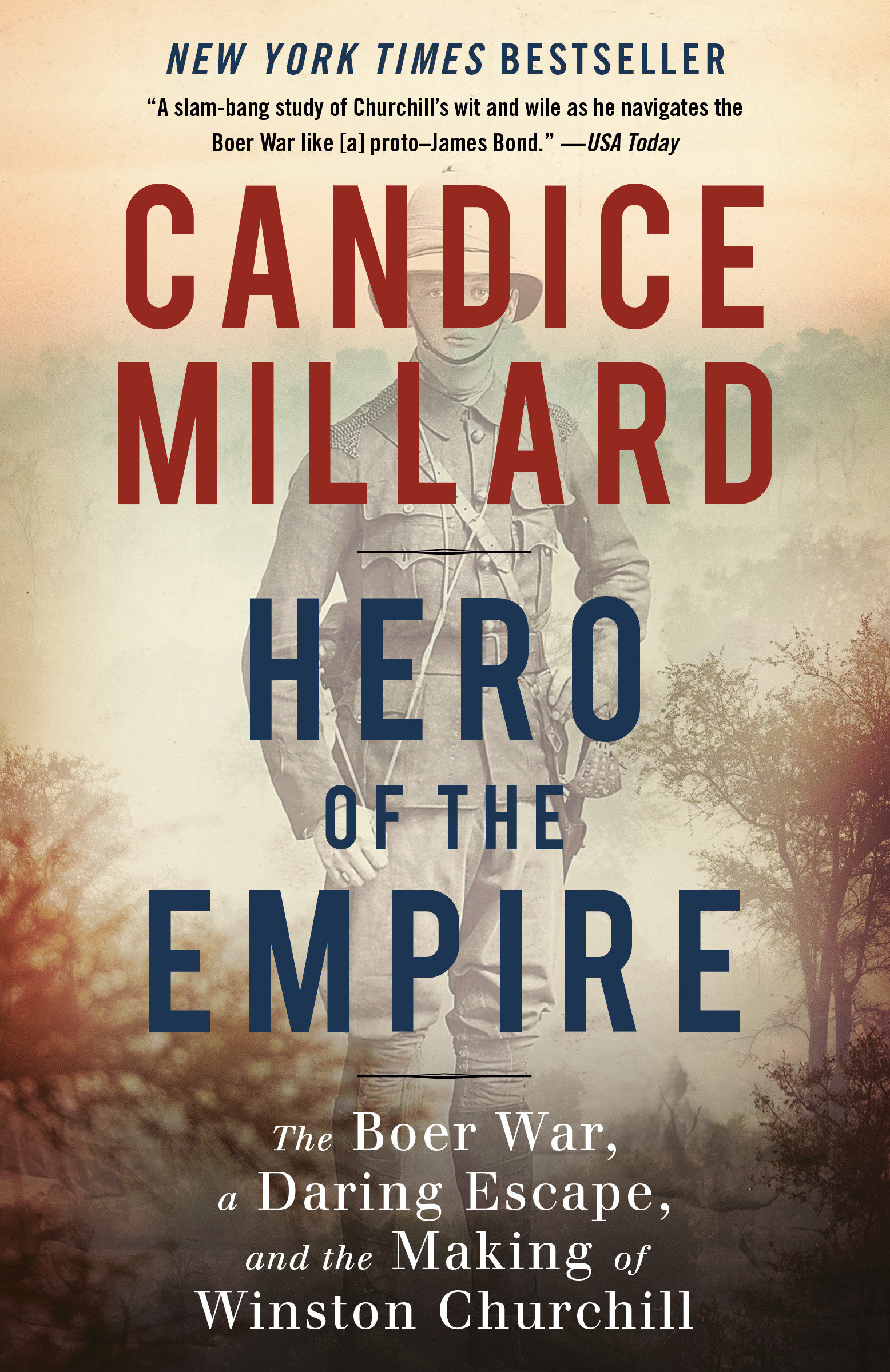
Hero of the Empire
Winston Churchill arrives in South Africa in 1899 with a valet, vintage wine, and political ambitions; captivity follows just two weeks later in Hero of the Empire. The brisk narrative turns his Boer War experience into a close view of ambition operating inside a brutal colonial conflict. For anyone drawn to history with the pressure of an escape story, the pace stays fast while the biographical thread remains clear. The journey across enemy territory comes down to cash, four slabs of chocolate, and his wits.
Look closer at exile, law, beer, and gold
Exile politics, legal opposition, brewing, and gold mining offer four distinct ways to follow power, resistance, and the effort to move beyond apartheid.
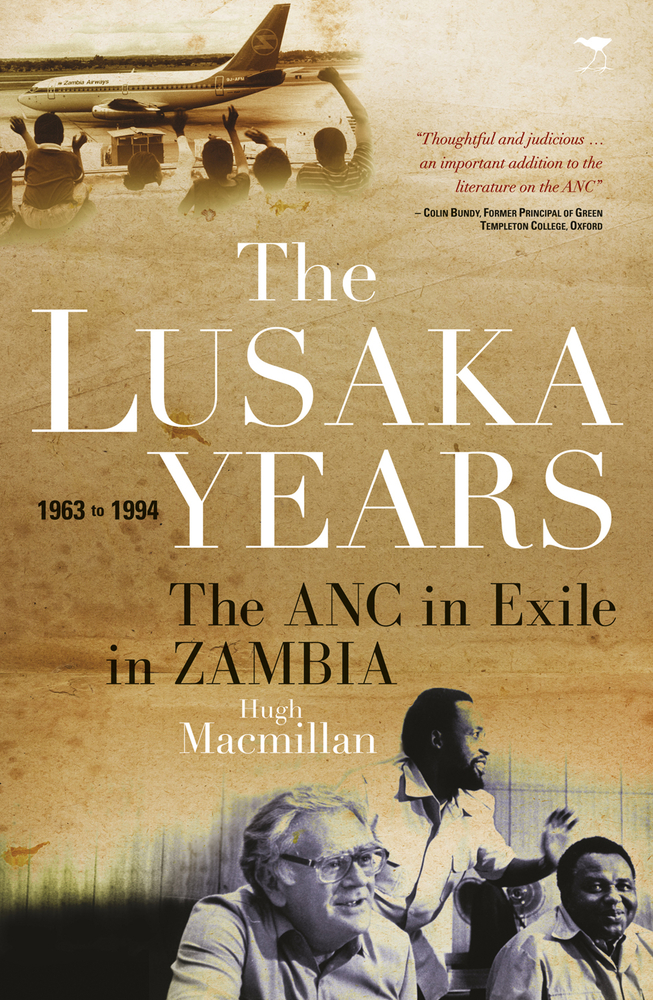
The Lusaka Years
Exile did not produce one uniform political culture for the ANC. The Lusaka Years follows the organization at its Zambian headquarters and asks how that experience shaped negotiations and the transition from apartheid. Its contrast with camp-based life in Angola gives the political history a specific social setting. This suits a deeper look at how a liberation movement's surroundings influenced its political choices. The argument turns on caution and moderation: exile's legacy, in this account, was a reluctance to pursue utopian experiments or sudden leaps.
Confronting Apartheid
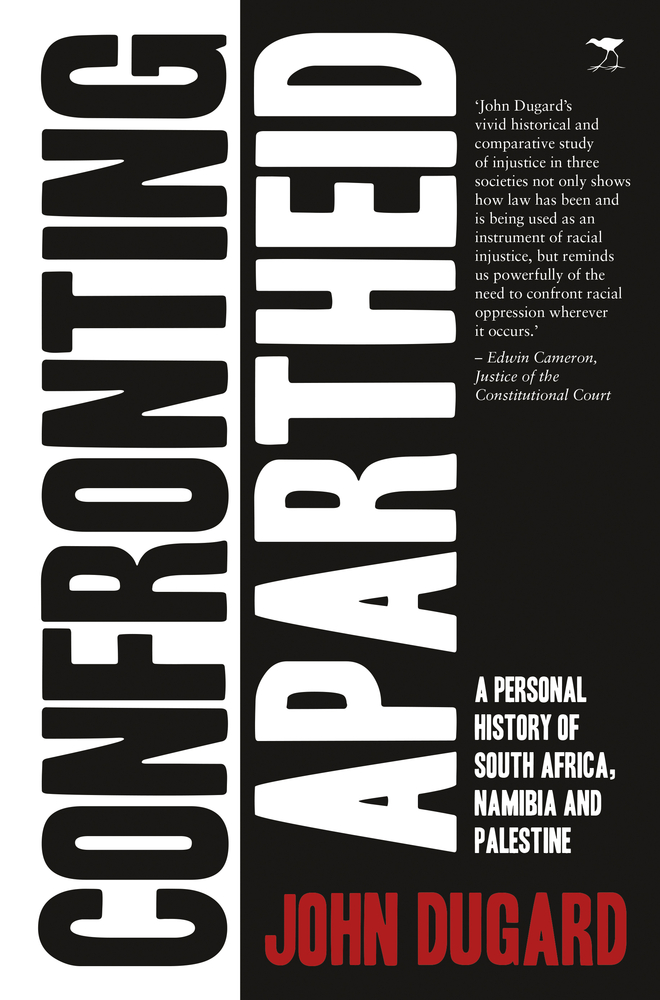
Working within the law was itself a form of opposition to apartheid. In Confronting Apartheid, John Dugard recounts that work through his experience as a human rights lawyer in South Africa and South West Africa/Namibia. Legal opposition gives the history its focus, making it especially useful when you want to understand resistance through professional practice and institutions. The account also follows his later role as a UN human rights envoy in occupied Palestine, extending its examination of apartheid across three societies.
Beer, Sociability, and Masculinity in South Africa
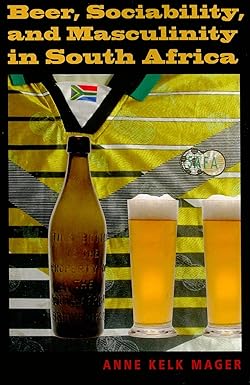
Beer is business, but it is also a way into racial policy and male social life in Beer, Sociability, and Masculinity in South Africa. Anne Kelk Mager follows an industry dominated by South African Breweries, connecting corporate culture with drinking, sports, and public life. Everyday sociability makes the machinery of apartheid visible in an unexpected setting: legislation divided customers by race, while the company promoted images of multiracial drinking in apartheid's final years. The history continues after majority rule, following expansion into international markets, including the purchase of Miller Brewing Company.
Unstable Ground
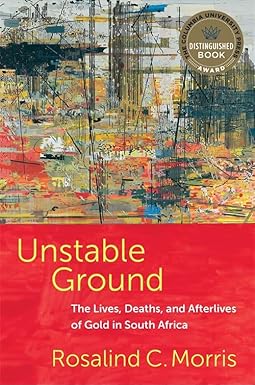
Gold's promise survives even in abandoned mines. Unstable Ground follows informal miners, known as zama zamas, into the Witwatersrand's dangerous ruins and explores the histories that made those places. More than twenty-five years of field research supports a telling that brings together ethnography, personal testimony, history, and political thought. The unfinished effort to overcome apartheid runs alongside the story of extraction and a changing global economy. Across a century and a half, gold's transformative promise sits beside the costs borne by people whose lives the industry remade or undid.