

Book
Where Is the Sahara Desert?
Sarah Fabiny
Penguin Young Readers Group · Paperback · June 6, 2023
Reading lane: Africa for Kids
Ten-story-high sand dunes, eye-tricking mirages, unlucky explorers – it’s all here and more in this newest Where Is? book.
At a Glance
Who It's For
Book Details
- Authors
- Sarah Fabiny
- Publisher
- Penguin Young Readers Group
- Published
- June 6, 2023
- Format
- Paperback
- Theme
- Africa for Kids · African History for Kids
- Reading lane
- Africa for Kids
Affinity
Publisher Categories
African History for Kids
Africa for Kids
Geography for Kids
About This Book
Ten-story-high sand dunes, eye-tricking mirages, unlucky explorers – it’s all here and more in this newest Where Is? book. From the #1 New York Times Best-Selling Who Was? series comes Where Is?, a series that tells the stories of world-famous landmarks and natural wonders and features a fold-out map! Imagine over three million square miles of sand dunes that are as tall as a ten-story building. That place is real -- it's the Sahara Desert! Vast, yes! And home to fascinating...
Read full description
Similar Books

Sahara
Marq de Villiers, Sheila Hirtle · Bloomsbury USA
Affinity signal
North African History
Desert Life
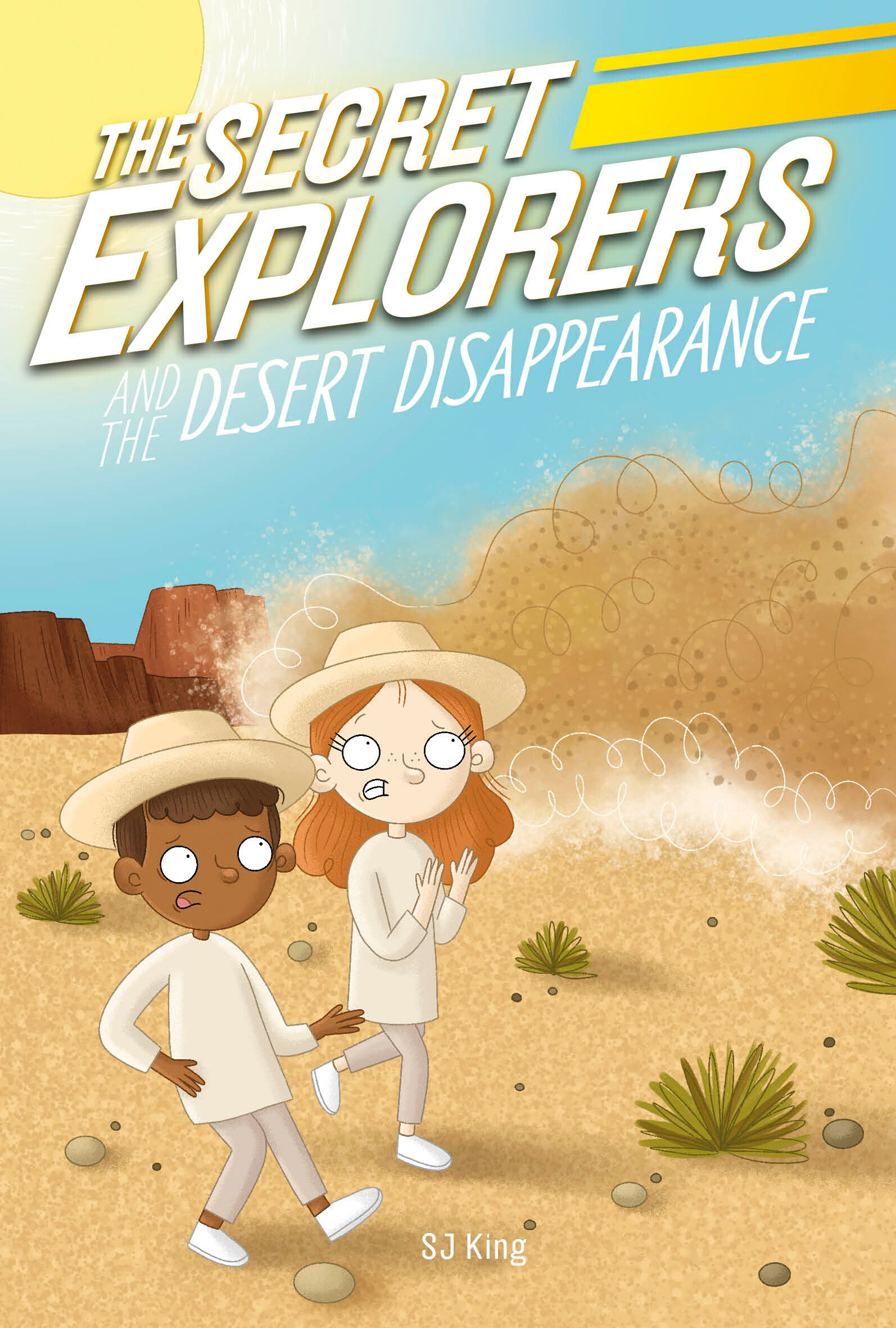
The Secret Explorers and the Desert Disappearance
SJ King · DK
Affinity signal
Exploration & Discovery
Scientific Discoveries

Africa (rookie Read-about Geography: Continents)
Rebecca Hirsch · Scholastic Inc.
Affinity signal
Africa for Kids
African History for Kids

Timbuktu School for Nomads
Nicholas Jubber · Mobius
Affinity signal
North African History
West Africa Travel