
What It Means to Be a Libertarian
A Personal Interpretation
A compact, provocative case for limited government and individual freedom, grounded in classical libertarian principles.
- Themes
- Limited government, Individual liberty, Libertarian political philosophy
Liberty, Reconsidered
Come here for
- A defense of classical libertarian principles
- A vision of federal power pared to essentials
Expect
- Founding principles applied to current political problems
- An argument linking freedom with community and cultural vitality
Where it sits
How strongly BookFrontier reads the book as belonging to each subject.
Nearest books
Matched by our semantic model. Ordered by what its readers also loved. Most of these share its genre: Libertarianism.
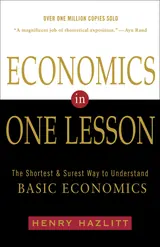 Economics in One LessonHenry Hazlitt52% subject match
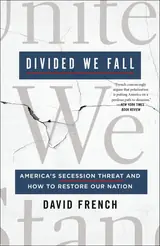 Divided We FallDavid French50% subject match
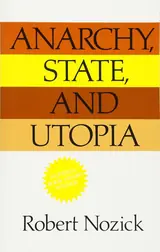 Anarchy, State, and UtopiaRobert Nozick48% subject matchAlso shares Political Philosophy
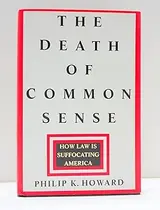 Death of Common SenseHoward, Phillip K52% subject match
 End The FedRon Paul50% subject match
 Thomas JeffersonR. B. Bernstein53% subject match
 Don't Hurt People and Don't Take Their StuffMatt Kibbe64% subject matchAlso shares Political Philosophy and Civil Liberties
 Development as FreedomAmartya Sen53% subject match
For younger readers: Fault Lines in the Constitution
Start with three books, and this one can be the first.
Members get a new edition every morning: a route out from their books to essays, research and talks, with the reason for each.
Sign upAbout this book
Charles Murray believes that America's founders had it right--strict limits on the power of the central government and strict protection of the individual are the keys to a genuinely free society.
Continue reading
In What It Means to Be a Libertarian, he proposes a government reduced to the barest essentials: an executive branch consisting only of the White House and trimmed-down departments of state, defense, justice, and environment protection; a Congress so limited in power that it meets only a few months each year; and a federal code stripped of all but a handful of regulations.
Combining the tenets of classical Libertarian philosophy with his own highly-original, always provocative thinking, Murray shows why less government advances individual happiness and promotes more vital communities and a richer culture. By applying the truths our founders held to be self-evident to today's most urgent social and political problems, he creates a clear, workable vision for the future.
Publisher details
Publisher categories
- Democracy
- Political Parties
- Libertarianism
- Authors
- Charles Murray
- Publisher
- Crown
- Published
- December 29, 1997
- Format
- Print & ebook
- Reading lane
- Democracy