
We Wish to Inform You That Tomorrow We Will Be Killed With Our Families
Stories From Rwanda
Picador · Print & ebook · September 4, 1999
We earn from qualifying purchases.
- Who it’s for
- A grave, lucid read that holds history and human cost in the same frame.
- Genres
- Genocide & War Crimes, East African History, African Politics
- Published
- Picador, September 4, 1999
Nearest books
Matched by what the books are about, then ordered by what their readers also loved.
 NightElie Wiesel, Marion Wiesel49% match
 The Return (pulitzer Prize Winner)Hisham Matar48% match
 Machete SeasonJean Hatzfeld75% matchShares Genocide & War Crimes and East African History
 King Leopold's GhostAdam Hochschild60% match
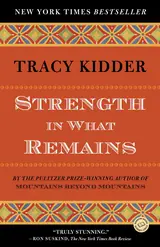 Strength in What RemainsTracy Kidder59% match
 HiroshimaJohn Hersey50% match
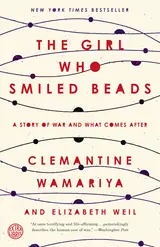 The Girl Who Smiled BeadsClemantine Wamariya, Elizabeth Weil65% matchShares East African History
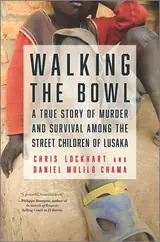 Walking the BowlChris Lockhart, Daniel Mulilo Chama55% match
For younger readers: Alive in the Killing Fields, How Dare the Sun Rise, One Day: a True Story of Survival in the Holocaust
Start with three books, and this one can be the first.
Members get a new edition every morning: a route out from their books to essays, research and talks, with the reason for each.
Join the waitlistAbout this book
We Wish to Inform You That Tomorrow We Will Be Killed with Our Families is the winner of the National Book Critics Circle Award for Nonfiction. An unforgettable firsthand account of a people's response to genocide and what it tells us about humanity.
Continue reading
This remarkable debut book from Philip Gourevitch chronicles what has happened in Rwanda and neighboring states since 1994, when the Rwandan government called on everyone in the Hutu majority to murder everyone in the Tutsi minority. Though the killing was low-tech--largely by machete--it was carried out at shocking speed: some 800,000 people were exterminated in a hundred days. A Tutsi pastor, in a letter to his church president, a Hutu, used the chilling phrase that gives Gourevitch his title. With keen dramatic intensity, Gourevitch frames the genesis and horror of Rwanda's "genocidal logic" in the anguish of its aftermath: the mass displacements, the temptations of revenge and the quest for justice, the impossibly crowded prisons and refugee camps. Through intimate portraits of Rwandans in all walks of life, he focuses on the psychological and political challenges of survival and on how the new leaders of postcolonial Africa went to war in the Congo when resurgent genocidal forces threatened to overrun central Africa. Can a country composed largely of perpetrators and victims create a cohesive national society? This moving contribution to the literature of witness tells us much about the struggle everywhere to forge sane, habitable political orders, and about the stubbornness of the human spirit in a world of extremity.
Grave Clarity
A grave, lucid read that holds history and human cost in the same frame.
Come here for
- Rwanda through close, grave reporting
- serious historical reading with moral weight
Expect
- measured prose
- sustained, unsparing attention
Where it sits
| Genocide & War Crimes | 73% |
|---|---|
| East African History | 23% |
| African Politics | 20% |
Percentages are BookFrontier’s reading of the book.
Publisher categories
- Black & African American Lives
- Central African History
- Genocide & War Crimes
- Authors
- Philip Gourevitch
- Publisher
- Picador
- Published
- September 4, 1999
- Format
- Print & ebook
- Reading lane
- Black & African American Lives