
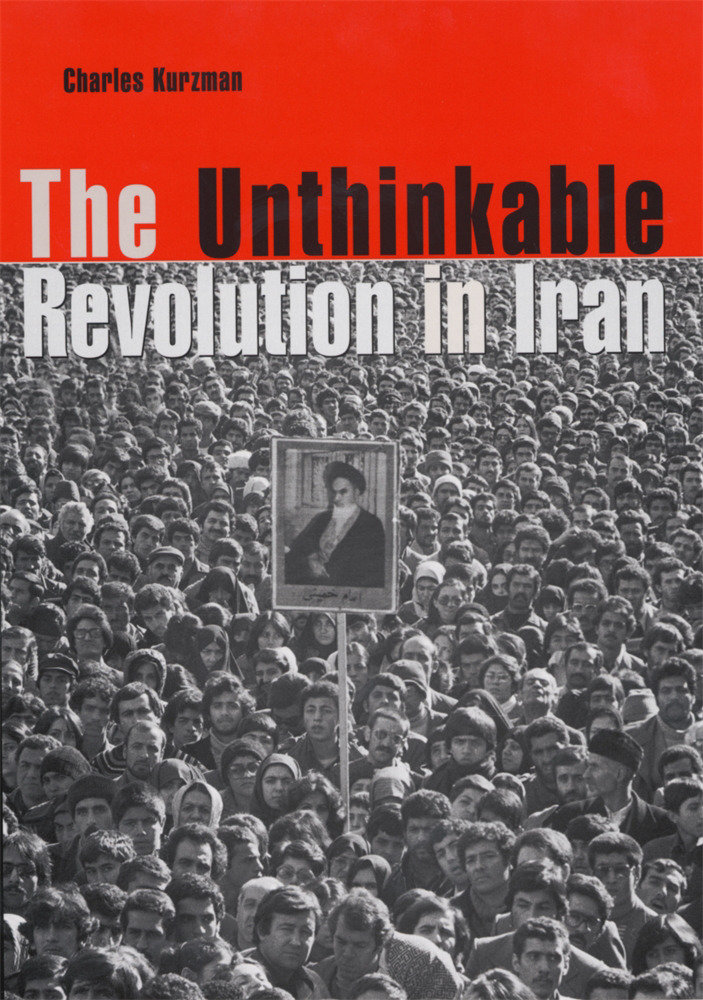
Book
Unthinkable Revolution in Iran
Charles Kurzman
WW Norton · Print & ebook · September 6, 2005
Reading lane: Middle Eastern History
A History pick for readers exploring Unthinkable Revolution in Iran.
At a Glance
Who It's For
Book Details
- Authors
- Charles Kurzman
- Publisher
- WW Norton
- Published
- September 6, 2005
- Format
- Print & ebook
- Theme
- Middle Eastern History · International Relations
- Reading lane
- Middle Eastern History
Affinity
Publisher Categories
Middle Eastern History
International Relations
About This Book
The shah of Iran, Mohammad Reza Pahlavi, would remain on the throne for the foreseeable future: This was the firm conclusion of a top-secret CIA analysis issued in October 1978. One hundred days later the shah--despite his massive military, fearsome security police, and superpower support was overthrown by a popular and largely peaceful revolution. But the CIA was not alone in its myopia, as Charles Kurzman reveals in this penetrating work; Iranians themselves, except for a...
Read full description
Similar Books

Revolutionary Iran
Michael Axworthy, Derek Perkins · Oxford University Press
Affinity signal
History

Shah of Shahs
Ryszard Kapuscinski, Ryszard Kapuściński · Knopf Doubleday Publishing Group
Affinity signal
Iranian History
20th-Century History

King of Kings
Scott Anderson · Knopf Doubleday Publishing Group
Affinity signal
Iranian History
Iraq History
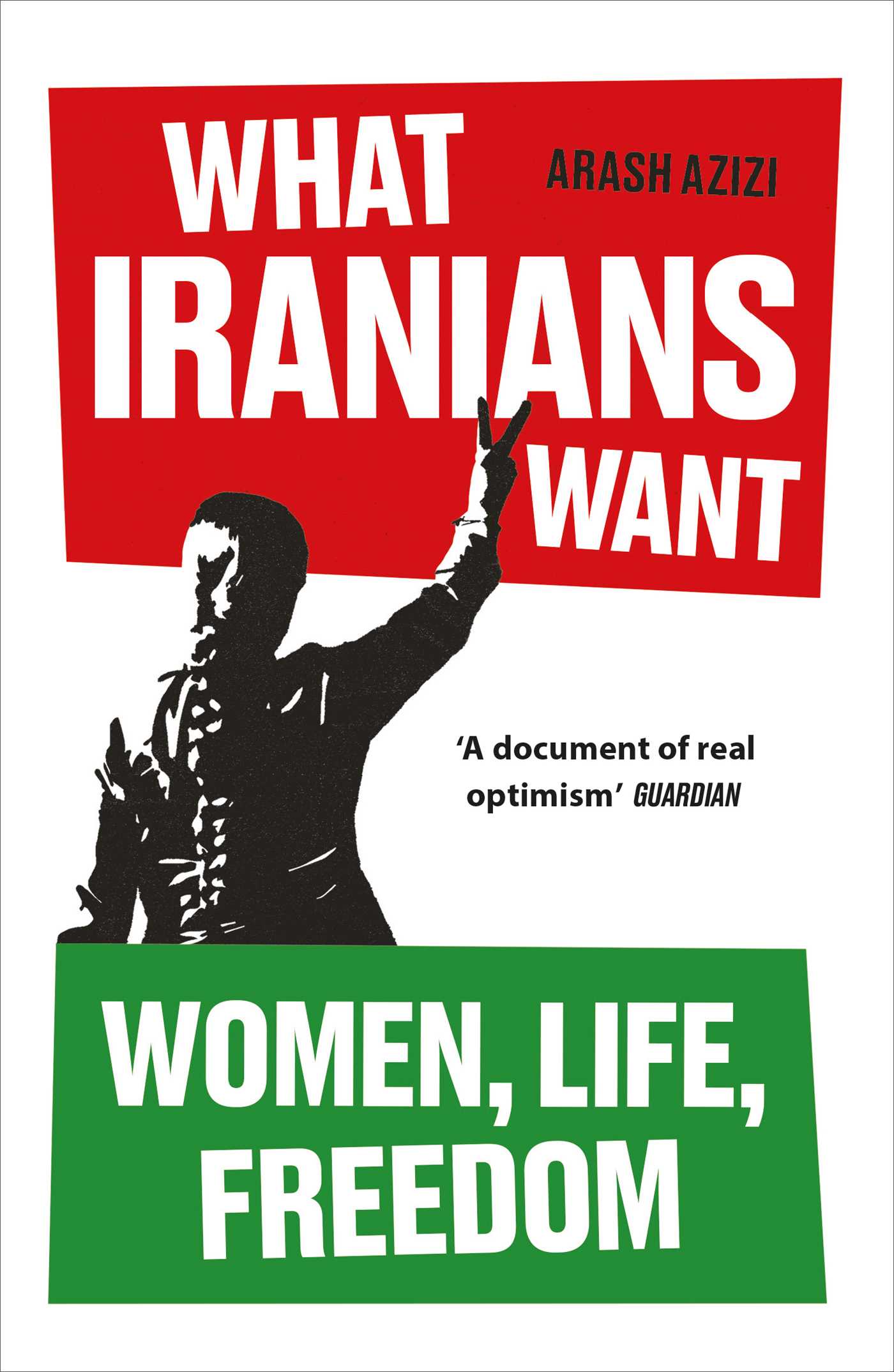
What Iranians Want
Arash Azizi · Oneworld Publications
Affinity signal
Iranian History
Human Rights

The Fall of Heaven
Andrew Scott Cooper · Picador
Affinity signal
Iranian History
Arabian Peninsula History

A History of Iran
Michael Axworthy · Basic Books
Affinity signal
Iranian History
Islamic History

America and Iran
John Ghazvinian · Knopf Doubleday Publishing Group
Affinity signal
Iranian History
Diplomacy