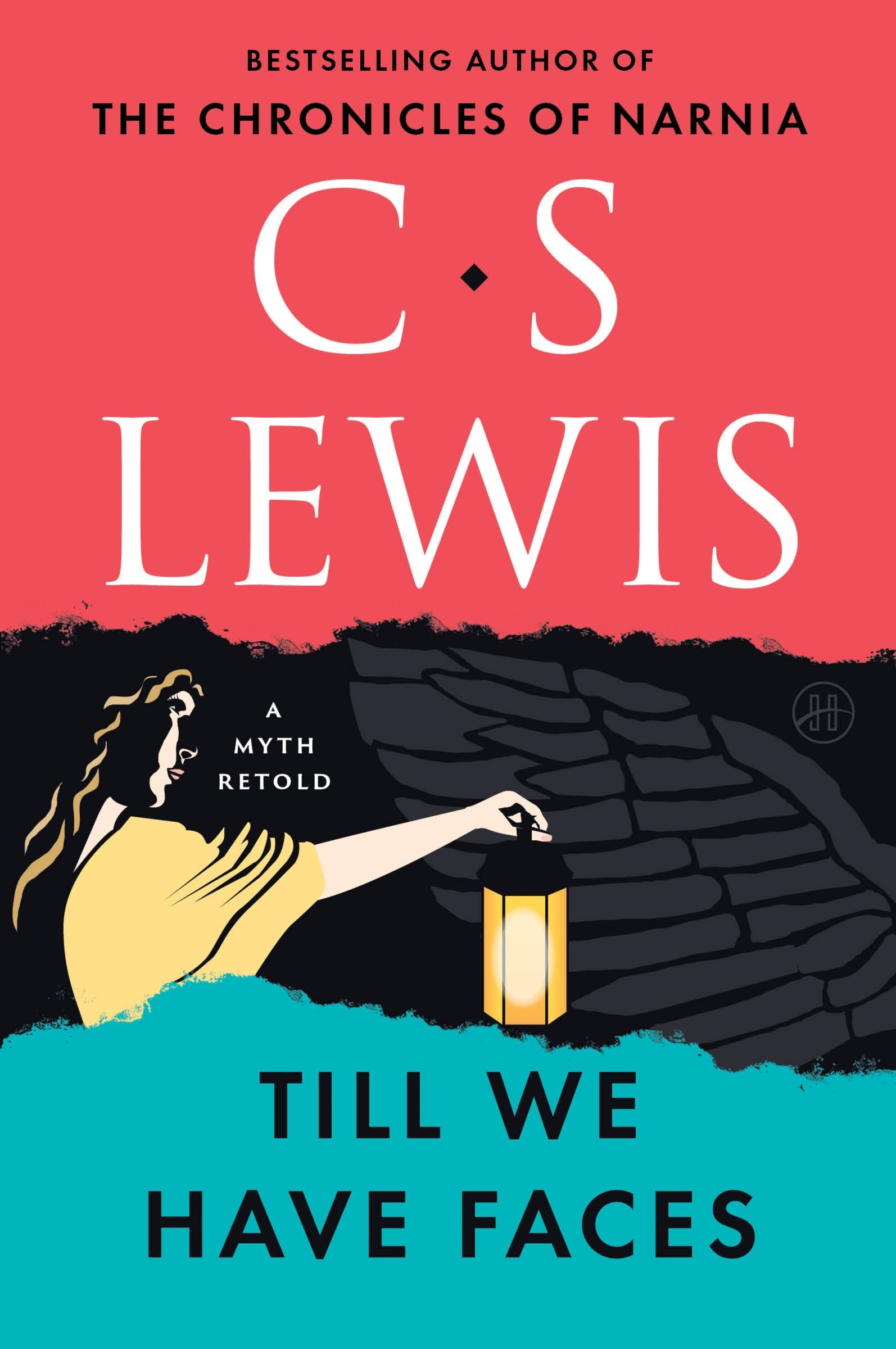
Till We Have Faces
A Myth Retold
A myth retold through a sister’s eyes turns love, grief, and faith into uneasy questions.
- Themes
- Sisterly love and envy, Grief, guilt, and betrayal, Faith and divine power
Love in Shadow
Come here for
- An old myth reframed by a sister’s complicated love
- Questions of divine silence, grief, and blame
Expect
- Intimate reflections on envy, loss, and guilt
- A searching account of what we see—and what we cannot
Where it sits
How strongly BookFrontier reads the book as belonging to each subject.
Nearest books
Matched by our semantic model. Ordered by what its readers also loved.
 The Palace of ErosCaro De Robertis70% subject matchShares Fairy Tales & Myths
 Private RitesJulia Armfield54% subject match
 One Aladdin Two LampsJeanette Winterson56% subject match
 Pandora's JarNatalie Haynes56% subject match
 Why Be Happy When You Could Be Normal?Jeanette Winterson54% subject match
 Kushiel's ScionJacqueline Carey54% subject match
 CassandraChrista Wolf53% subject matchShares Fairy Tales & Myths
For younger readers: Go the Distance, Tender Morsels, So This is Love
Start with three books, and this one can be the first.
Members get a new edition every morning: a route out from their books to essays, research and talks, with the reason for each.
Sign upAbout this book
This twist on an old story, is an exploration of love—between sisters, between friends, between teacher and pupil, between men and women. Till We Have Faces is retold through the eyes of Psyche’s oldest sister, Orual.
Orual was born ugly and even though she’s a princess, she struggles with the death of her mother and the friction between her sisters. There are two lights in Orual’s life. One is her tutor, the Fox, a Greek slave captured through war.
Continue reading
The other is her much younger sister Istra, later nicknamed Psyche, born from Orual’s father’s second marriage. Istra is beautiful and sweet and good but far from being jealous of her, Orual loves her as a daughter. When the priest of Ungit says that Psyche’s great beauty is an insult to the goddess and she must be sacrificed, Orual fights to prevent this. When Orual expects to find her sister dead, she finds her well and thriving. But, why can’t Orual see what everyone else sees? Blinded by her jealous love, Orual castes blame on the duplicity of gods. What is the truth? What is real?
Lewis’s novel is a brilliant examination of envy, loss, betrayal, blame, grief, guilt, and conversion. Why must holy places be dark places? Lewis reminds us of our own fallibility and the role of a higher power in our lives. “Holy places are dark places. It is life and strength, not knowledge and words, that we get in them. Holy wisdom is not clear and thin like water, but thick and dark like blood.”
Publisher details
Publisher categories
- The Classics
- Fantasy
- Fairy Tales & Myths
- Literary Fiction
Show all 8 publisher categories
- Faith & Fiction
- Christian Allegory
- Christian Westerns
- Christian Fantasy
- Authors
- C. S. Lewis
- Publisher
- HarperCollins
- Published
- February 14, 2017
- Format
- Print & ebook
- Reading lane
- The Classics