
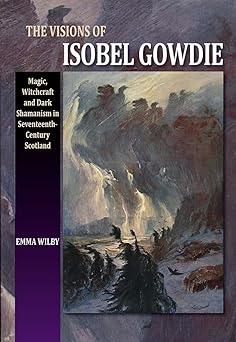
Book
The Visions of Isobel Gowdie
Magic, Witchcraft and Dark Shamanism in Seventeenth-century Scotland
Emma Wilby
Liverpool University Press · Print & ebook · June 4, 2010
Reading lane: British History
The confessions of Isobel Gowdie are widely recognised as the most extraordinary on record in Britain.
At a Glance
Who It's For
Book Details
- Authors
- Emma Wilby
- Publisher
- Liverpool University Press
- Published
- June 4, 2010
- Format
- Print & ebook
- Theme
- British History · Witchcraft
- Reading lane
- British History
Affinity
- 100%
- 100%
Publisher Categories
British History
Witchcraft
About This Book
The confessions of Isobel Gowdie are widely recognised as the most extraordinary on record in Britain. Their descriptive power and vivid imagery have attracted considerable interest on both academic and popular levels. Among historians, the confessions are celebrated for providing a unique insight into the way fairy beliefs and witch beliefs interacted in the early modern mind; more controversially, they are also cited as evidence for the existence of Shamanistic visionary t...
Read full description
Similar Books

The Discoverie of Witchcraft
Reginald Scot · Dover Publications
Affinity signal
16th-Century History
Celtic Spirituality

Witchfinders
Malcolm Gaskill · WW Norton
Affinity signal
17th-Century History
Gothic Romance

Discerning Spirits
Nancy Mandeville Caciola · Cornell University Press
Affinity signal
Angels & Demons
Medieval History
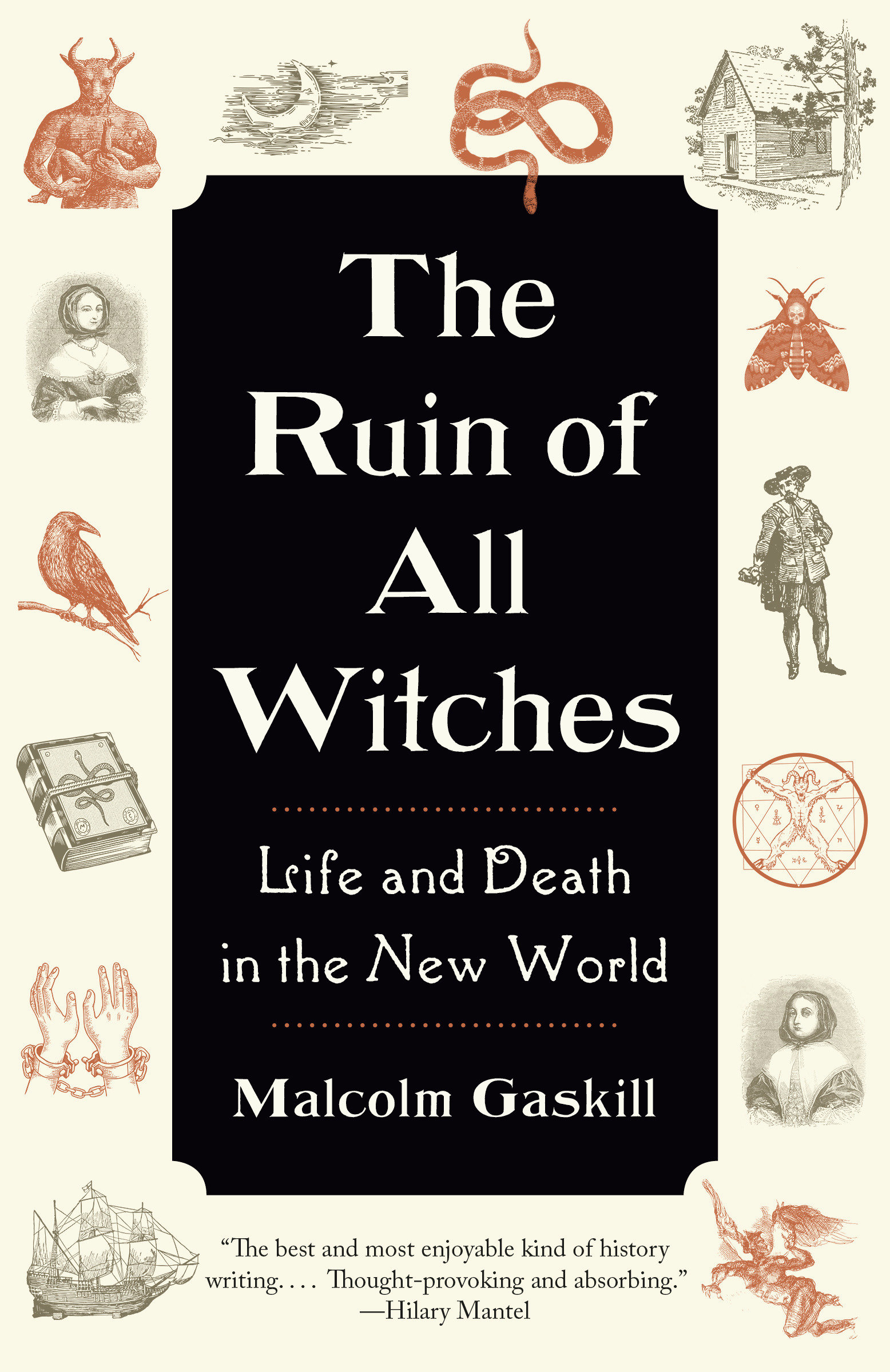
The Ruin of All Witches
Malcolm Gaskill, Kristin Atherton · Knopf Doubleday Publishing Group
Affinity signal
Gothic Romance
Witch Romance

The Witches
Stacy Schiff · Little, Brown and Company
Affinity signal
New England History
Colonial America (to 1775)

Escaping Salem
Richard Godbeer · Oxford University Press
Affinity signal
New England History
Colonial America (to 1775)

Oedipus and the Devil
Lyndal Roper · Taylor and Francis
Affinity signal
History
Pop Culture Studies