

Book
The Shallows
What the Internet Is Doing to Our Brains
Nicholas Carr
WW Norton · Print & ebook · March 3, 2020
Reading lane: Human-Computer Interaction
Finalist for the 2011 Pulitzer Prize in General Nonfiction: “Nicholas Carr has written a Silent Spring for the literary mind.”—Michael Agger, Slate Finalist for the 2011 PEN Center USA Literary Award “Is Google making us stupid?” When Nicholas Carr posed that question, in a celebrated Atlantic Monthly cover story, he tapped into a well of anxiety about how the Internet is changing us.
At a Glance
Why This Clicks
Attention Under Pressure
Intellectual history, neuroscience, and cultural criticism converge on the Internet’s effects on thought.
Come here for
- How information tools shape the way we think
- The tension between quick scanning and sustained attention
Expect
- Historical examples alongside neuroscience
- Cultural criticism grounded in everyday reading
Book Details
- Authors
- Nicholas Carr
- Publisher
- WW Norton
- Published
- March 3, 2020
- Format
- Print & ebook
- Theme
- Human-Computer Interaction · Social Media & Online Life
- Reading lane
- Human-Computer Interaction
Affinity
Publisher Categories
Internet & Web
Human-Computer Interaction
Science & Society
About This Book
Finalist for the 2011 Pulitzer Prize in General Nonfiction: “Nicholas Carr has written a Silent Spring for the literary mind.”—Michael Agger, Slate Finalist for the 2011 PEN Center USA Literary Award “Is Google making us stupid?” When Nicholas Carr posed that question, in a celebrated Atlantic Monthly cover story, he tapped into a well of anxiety about how the Internet is changing us. He also crystallized one of the most important debates of our time: As we enjoy the Net’s b...
Read full description
Similar Books

Brainscapes
Rebecca Schwarzlose · HarperCollins
Affinity signal
Behavioral Psychology
Brain & Nervous System Disorders
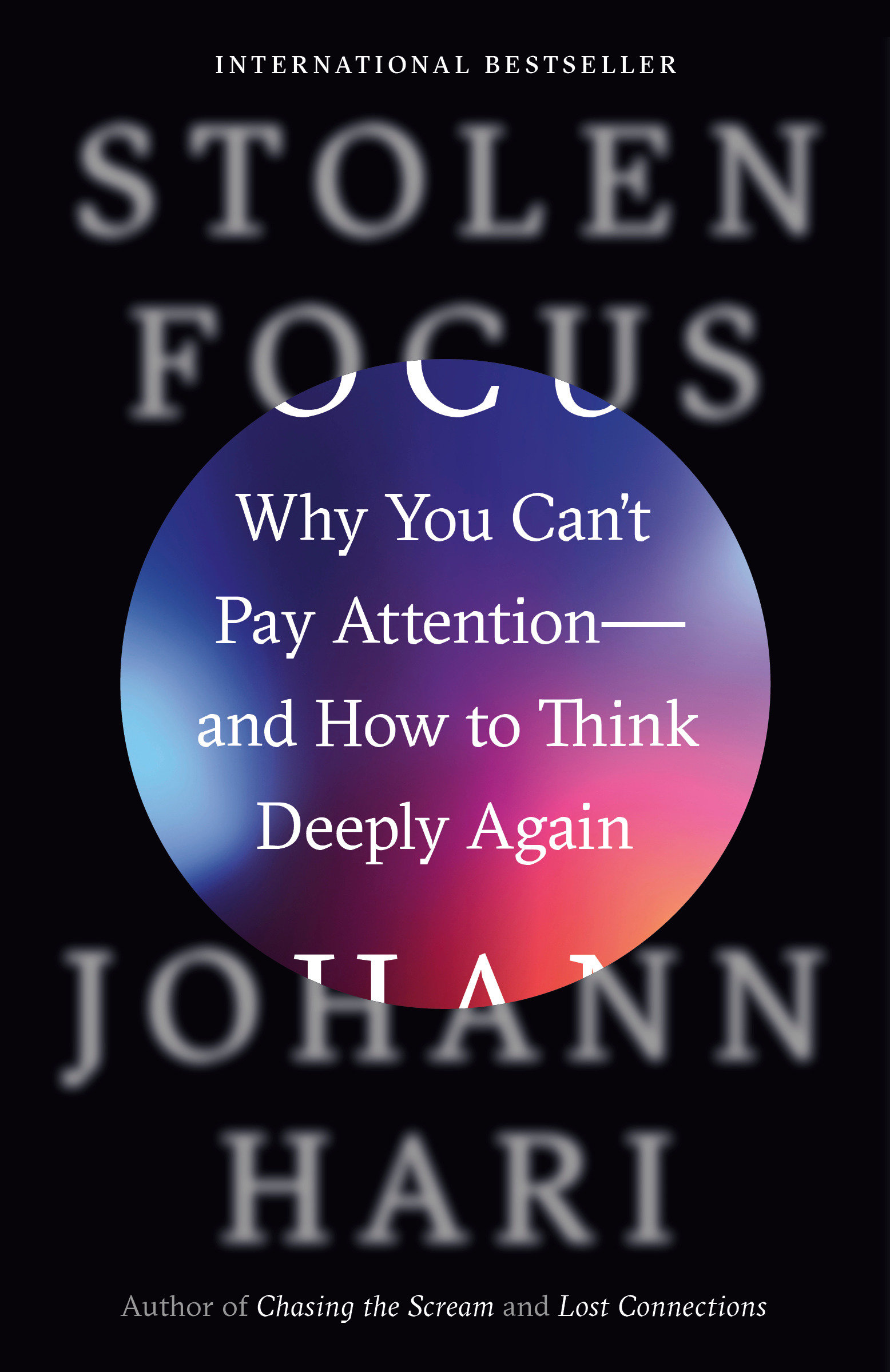
Stolen Focus
Johann Hari · Crown
Affinity signal
ADHD
Social Media & Online Life

Enshittification
Cory Doctorow · Picador
Affinity signal
Social Media & Online Life
Tech Industry

The Brain That Changes Itself
Norman Doidge, M.D. · Penguin Publishing Group
Affinity signal
Brain & Nervous System Disorders
Alzheimer's & Dementia