

Book
The Semantics of Derivational Morphology
Theory, Methods, Evidence
Sven Kotowski, Ingo Plag
Heinrich-Heine-Universität Düsseldorf · Print & ebook · November 4, 2024
Reading lane: Morphology
This volume brings together cutting-edge research on the semantic properties of derived words and the processes by which these words are derived.
At a Glance
Who It's For
Book Details
- Authors
- Sven Kotowski, Ingo Plag
- Publisher
- Heinrich-Heine-Universität Düsseldorf
- Published
- November 4, 2024
- Format
- Print & ebook
- Theme
- Morphology · Syntax
- Reading lane
- Morphology
Affinity
- 83%
- 80%
- 76%
Publisher Categories
German Language Study
Linguistics
Morphology
Syntax
Show all 5 publisher categories
Semantics
About This Book
This volume brings together cutting-edge research on the semantic properties of derived words and the processes by which these words are derived. To this day, many of these processes remain under-researched and the nature of meaning in derivational morphology remains ill-understood. All eight articles have an empirical focus and rely on carefully collected sets of data. At the same time, the contributions represent a broad variety of approaches. Several contributions deal wi...
Read full description
Similar Books

Word Knowledge and Word Usage
Vito Pirrelli, Ingo Plag · De Gruyter
Affinity signal
Morphology
Psycholinguistics

Morphology
Jeffrey P. Punske · Wiley
Affinity signal
Morphology
Syntax

Syntactical Mechanics
Bruce A. McMenomy · University of Oklahoma Press
Affinity signal
Syntax
Pragmatics

Optimality Theory
Diana Archangeli, Terence Langendoen · Wiley
Affinity signal
Syntax
Morphology
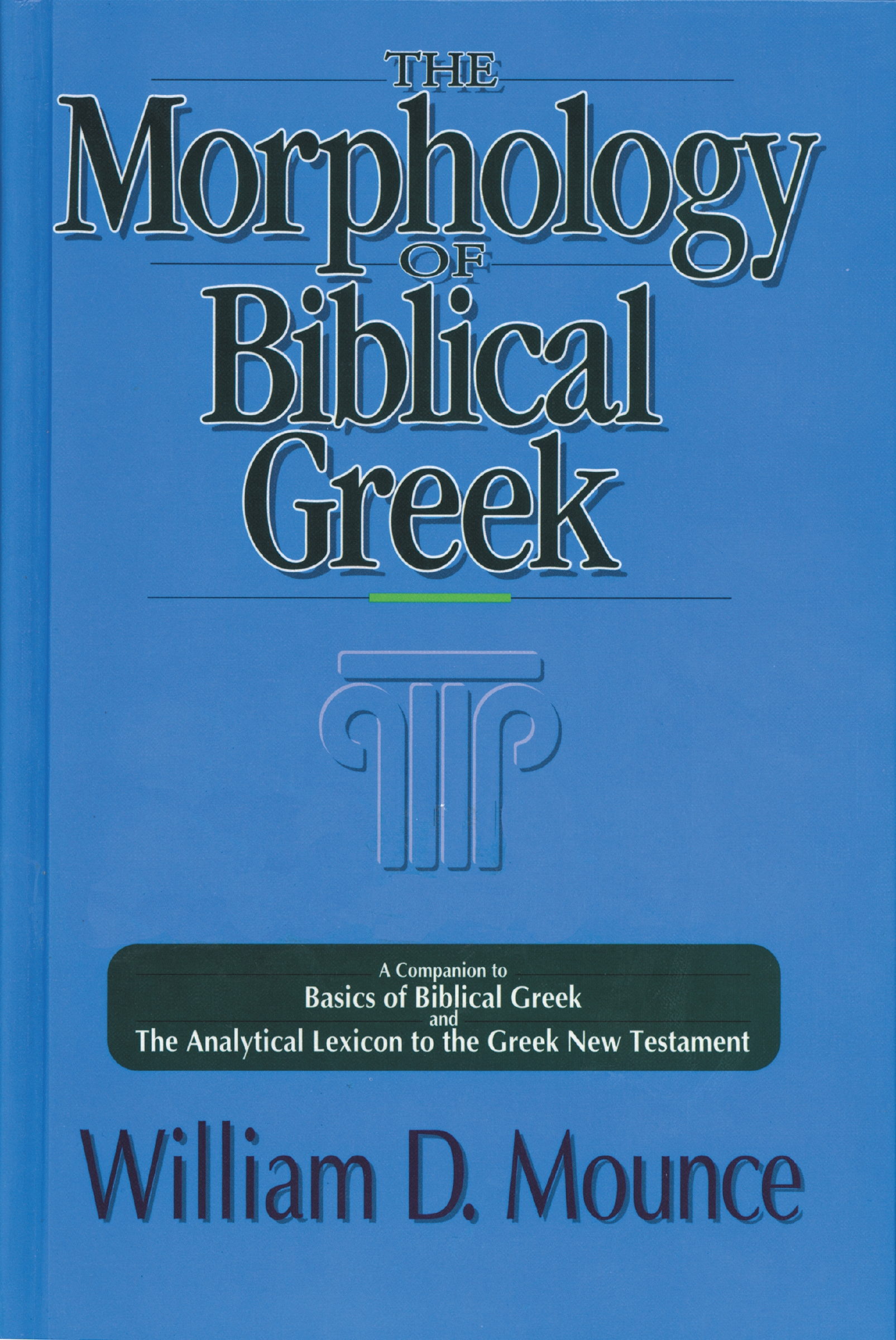
The Morphology of Biblical Greek
William D. Mounce · Zondervan Academic
Affinity signal
Morphology
Biblical Language Study

Thinking Syntactically
Liliane Haegeman · Wiley
Affinity signal
Syntax
Pragmatics

Dynamic Syntax
Ruth Kempson, Wilfried Meyer-Viol · Wiley
Affinity signal
Syntax
Pragmatics

Introduction to Pragmatics
Betty J. Birner · Wiley
Affinity signal
Pragmatics
Syntax