

Book
The Poisonous Pen of Agatha Christie
Michael C. Gerald
University of Texas Press · Paperback · June 1, 1993
Reading lane: Mystery & Detective Criticism
Poisoning occurs in over half of Agatha Christie's many novels and stories.
Disclosure: Some outbound links are affiliate links. If you buy through them, we may earn a commission. It doesn't affect which books we include. Learn more in our disclosure policy.
At a Glance
Who It's For
Book Details
- Authors
- Michael C. Gerald
- Publisher
- University of Texas Press
- Published
- June 1, 1993
- Format
- Paperback
- Theme
- Mystery & Detective Criticism · Traditional British Mystery
- Reading lane
- Mystery & Detective Criticism
Affinity
Publisher Categories
Mystery & Detective Criticism
About This Book
Poisoning occurs in over half of Agatha Christie's many novels and stories. In fact, she used a larger number and broader selection of poisons and medicines, for a wider variety of purposes, with greater frequency, ingenuity, and scientific accuracy than any other detective fiction writer. Yet very little has been written on the use of drugs, poisons, and chemicals in Christie's fiction. The Poisonous Pen of Agatha Christie entertainingly and authoritatively fills this gap....
Read full description
Similar Books
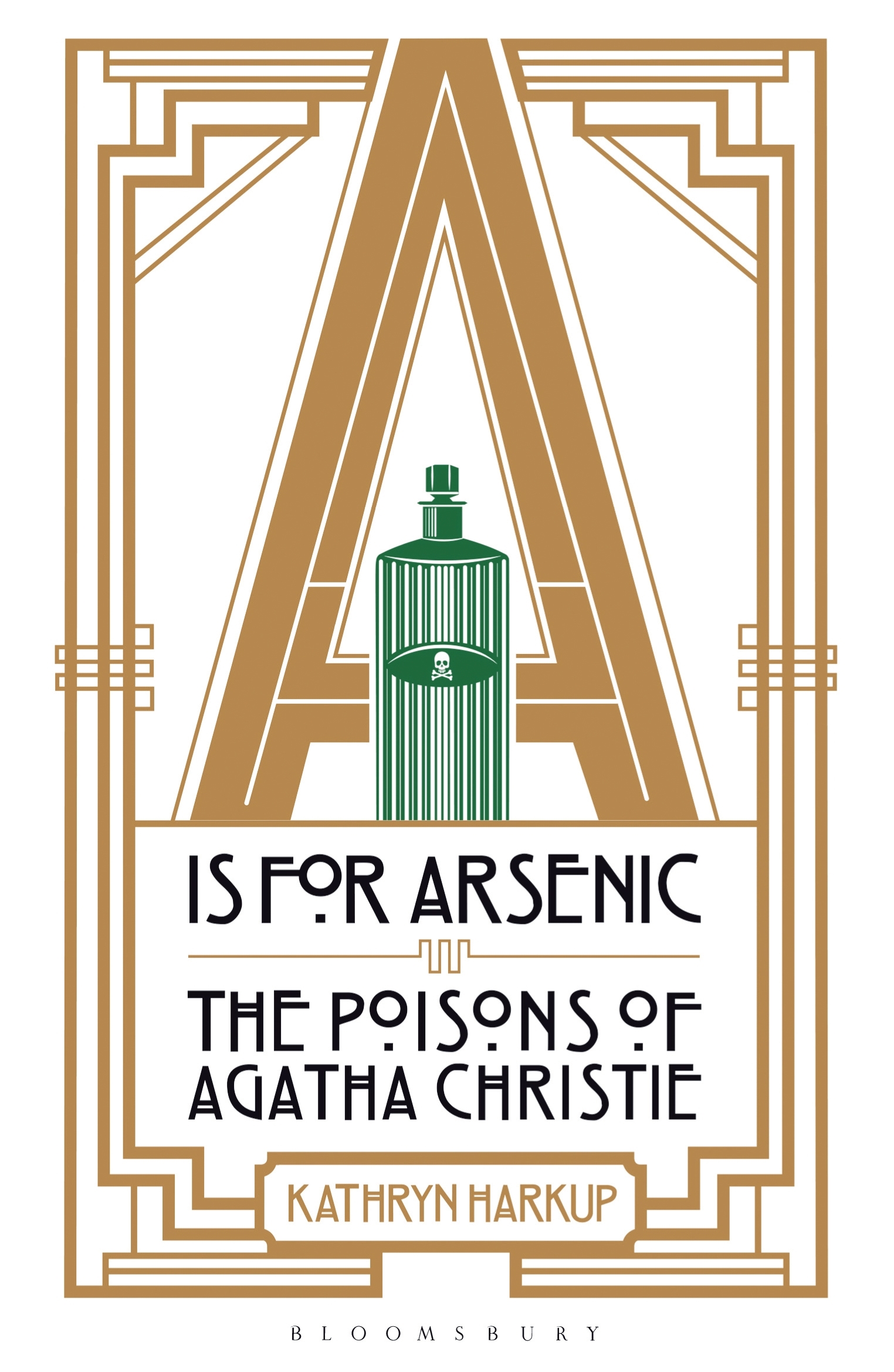
A Is for Arsenic
Kathryn Harkup · Bloomsbury
Shared affinity
Affinity match is still building for this title.

V Is for Venom
Kathryn Harkup, Nicky Diss · Bloomsbury USA
Shared affinity
Affinity match is still building for this title.
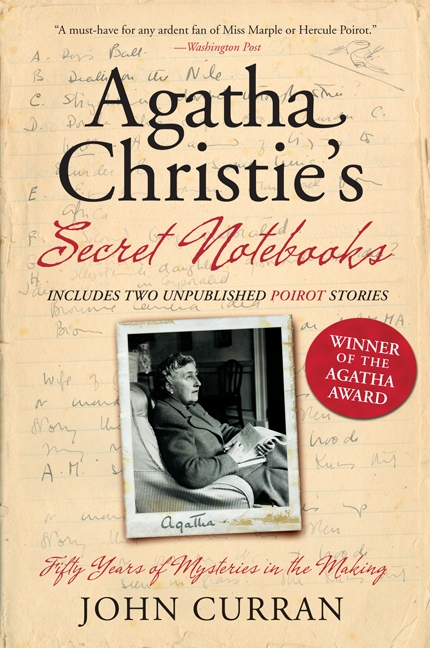
Agatha Christie's Secret Notebooks
John Curran · HarperCollins
Shared affinity
Affinity match is still building for this title.
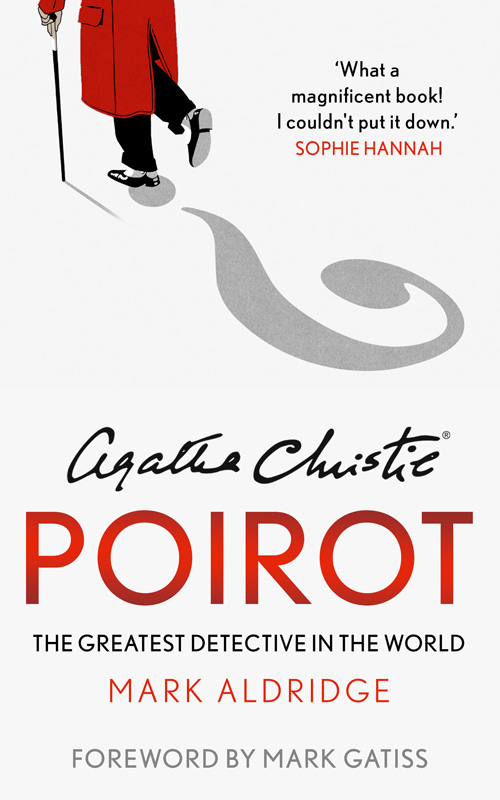
Agatha Christie’s Poirot: the Greatest Detective in the World
Mark Aldridge, Agatha Christie · HarperCollins Publishers
Shared affinity
Affinity match is still building for this title.

Agatha Christie’s Marple: Expert on Wickedness
Mark Aldridge, Agatha Christie · HarperCollins Publishers
Shared affinity
Affinity match is still building for this title.
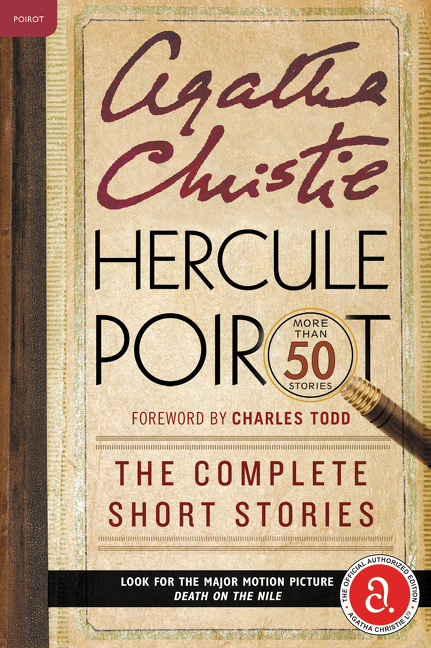
Hercule Poirot: the Complete Short Stories
Agatha Christie, David Suchet · HarperCollins
Shared affinity
Affinity match is still building for this title.
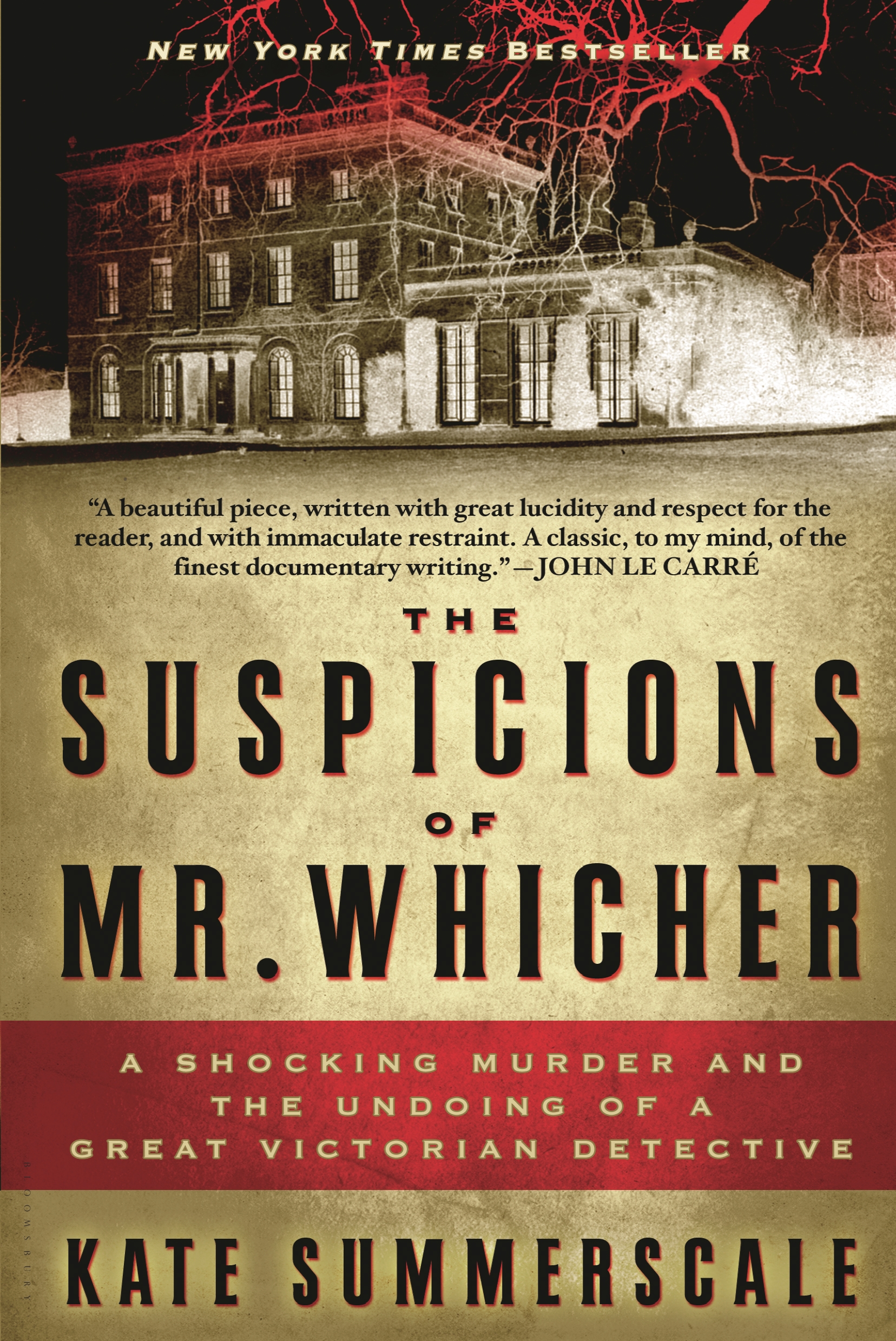
The Suspicions of Mr. Whicher
Kate Summerscale · Bloomsbury USA
Shared affinity
Affinity match is still building for this title.
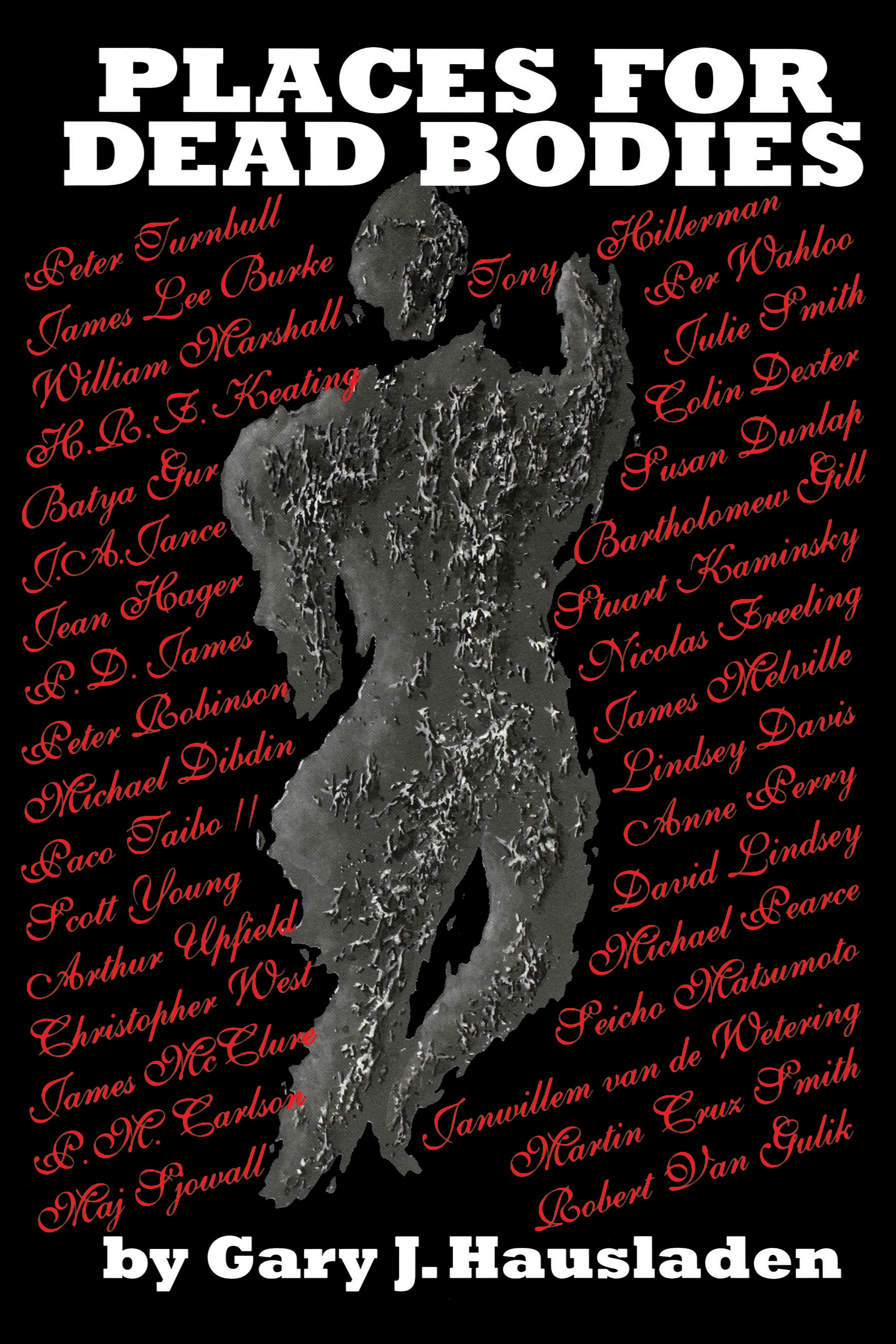
Places for Dead Bodies
Gary J. Hausladen · University of Texas Press
Shared affinity
Affinity match is still building for this title.