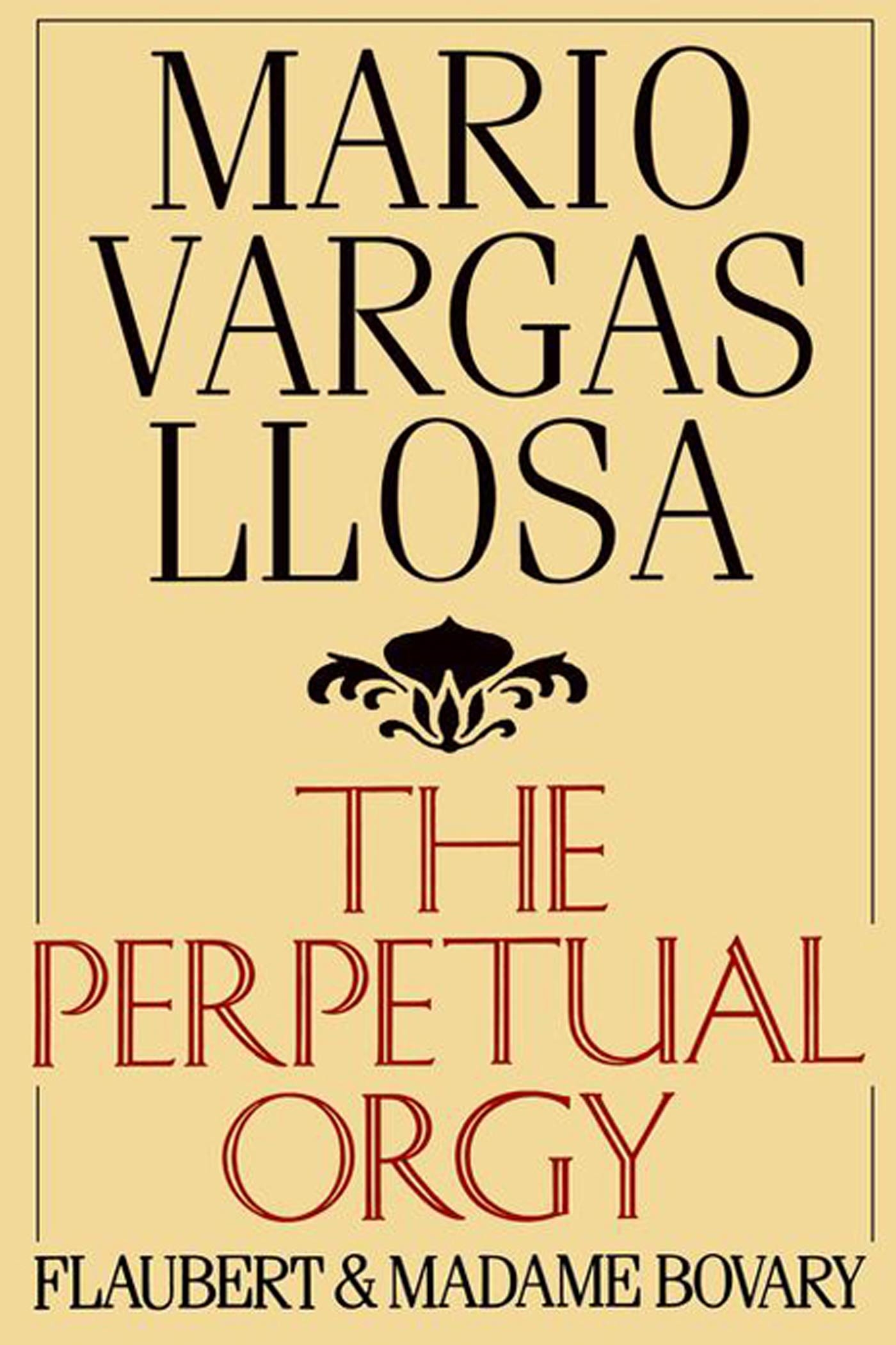
The Perpetual Orgy
Flaubert and Madame Bovary
A close, three-part reading of Emma Bovary, Flaubert’s methods, and the novel’s literary place.
- Themes
- Literary history, Novel’s creation and sources
Reading Flaubert Anew
Come here for
- A fresh encounter with Madame Bovary
- Literary context that stays close to the novel
Expect
- Three sections on Emma, Flaubert’s craft, and literary history
- Attention to documentation, method, and literary sources
Where it sits
How strongly BookFrontier reads the book as belonging to each subject.
Nearest books
Matched by our semantic model. Ordered by what its readers also loved.
 Pere GoriotHonore Balzac45% subject match
 WhateverMichel Houellebecq46% subject match
 Madame BovaryGustave Flaubert58% subject match
 Sodom and GomorrahMarcel Proust, Christopher Prendergast44% subject match
 The Annotated LolitaVladimir Nabokov44% subject match
 2666Roberto Bolaño46% subject match
 Journey to the End of the NightLouis-Ferdinand Céline47% subject match
 Bonjour TristesseFrancoise Sagan45% subject match
For younger readers: A Sitting in St. James, The Vanishing Point, Homeless Bird
Start with three books, and this one can be the first.
Members get a new edition every morning: a route out from their books to essays, research and talks, with the reason for each.
Sign upAbout this book
WINNER OF THE NOBEL PRIZE IN LITERATURE
The book's first section is a tete-a-tete with Emma Bovary; the second traces the gestation and birth of the novel, as well as Flaubert's method, his mania for documentation, and the novel's literary sources; the third situates it in literary history. Vargas Llosa's first work of non-fiction will send the reader back to Flaubert's masterpiece with renewed interest.
Publisher details
Publisher categories
- Iberian Lit Crit
- Authors
- Mario Vargas Llosa
- Publisher
- Farrar Straus & Giroux
- Published
- September 1, 1987
- Format
- Print & ebook
- Reading lane
- Iberian Lit Crit