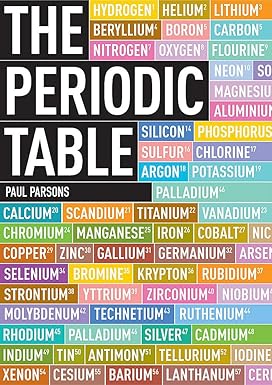
The Periodic Table
A Visual Guide to the Elements
A visual guide pairs concise element entries with surprising uses, technical details, and beautiful photography.
Elements, Up Close
Come here for
- The strange, useful, and consequential lives of familiar elements
- Science made browsable through clear data and color coding
Expect
- A quick route between atomic numbers, weights, and boiling points
- Science that ranges from gold in medicine to the hydrogen bomb
Where it sits
How strongly BookFrontier reads the book as belonging to each subject.
Nearest books
Matched by our semantic model. Ordered by what its readers also loved.
 The Periodic TableEric Scerri77% subject match
 The Periodic TableTom Jackson80% subject matchShares Chemistry, Science Resources and Inorganic Chemistry
 ElementsTheodore Gray78% subject matchShares Chemistry and Science Resources
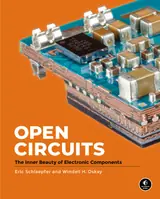 Open CircuitsWindell Oskay, Eric Schlaepfer44% subject match
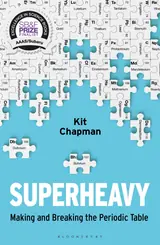 SuperheavyKit Chapman64% subject matchShares Chemistry
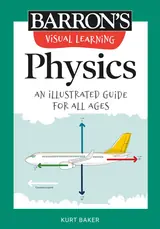 Visual Learning: PhysicsKurt Baker53% subject match
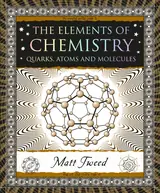 The Elements of ChemistryMatt Tweed51% subject matchShares Chemistry
 Thing ExplainerRandall Munroe50% subject match
For younger readers: The Periodic Table, Basher Science: The Complete Periodic Table, My Book of the Elements
Start with three books, and this one can be the first.
Members get a new edition every morning: a route out from their books to essays, research and talks, with the reason for each.
Sign upAbout this book
As one of the most recognizable images in science, the periodic table is ingrained in our culture. First drawn up in 1869 by Dmitri Mendeleev, its 118 elements make up not only everything on our planet but also everything in the entire universe.
The Periodic Table looks at the fascinating story and surprising uses of each of those elements, whether solid, liquid or gas.
Continue reading
From the little-known uses of gold in medicine to the development of the hydrogen bomb, each entry is accompanied by technical data (category, atomic number, weight, boiling point) presented in easy-to-read headers, and a colour coding system that helps the reader to navigate through the different groups of elements.
A remarkable display of thought-provoking science and beautiful photography, this guide will allow the reader to discover the world afresh.
Publisher details
Publisher categories
- Chemistry
- Inorganic Chemistry
- History of Science
- Authors
- Gail Dixon
- Publisher
- Mobius
- Published
- March 11, 2014
- Format
- Print & ebook
- Reading lane
- Chemistry