

Book
The Origins of the Cuban Revolution Reconsidered
Samuel Farber
The University of North Carolina Press · Paperback · March 13, 2006
Reading lane: Cuban History
Analyzing the crucial period of the Cuban Revolution from 1959 to 1961, Samuel Farber challenges dominant scholarly and popular views of the revolution’s sources, shape, and historical trajectory.
At a Glance
Who It's For
Book Details
- Authors
- Samuel Farber
- Publisher
- The University of North Carolina Press
- Published
- March 13, 2006
- Format
- Paperback
- Theme
- Cuban History · Caribbean & Latin American Studies
- Reading lane
- Cuban History
Affinity
Publisher Categories
Cuban History
Communism & Socialism
About This Book
Analyzing the crucial period of the Cuban Revolution from 1959 to 1961, Samuel Farber challenges dominant scholarly and popular views of the revolution’s sources, shape, and historical trajectory. Unlike many observers, who treat Cuba’s revolutionary leaders as having merely reacted to U.S. policies or domestic socioeconomic conditions, Farber shows that revolutionary leaders, while acting under serious constraints, were nevertheless autonomous agents pursuing their own inde...
Read full description
Similar Books
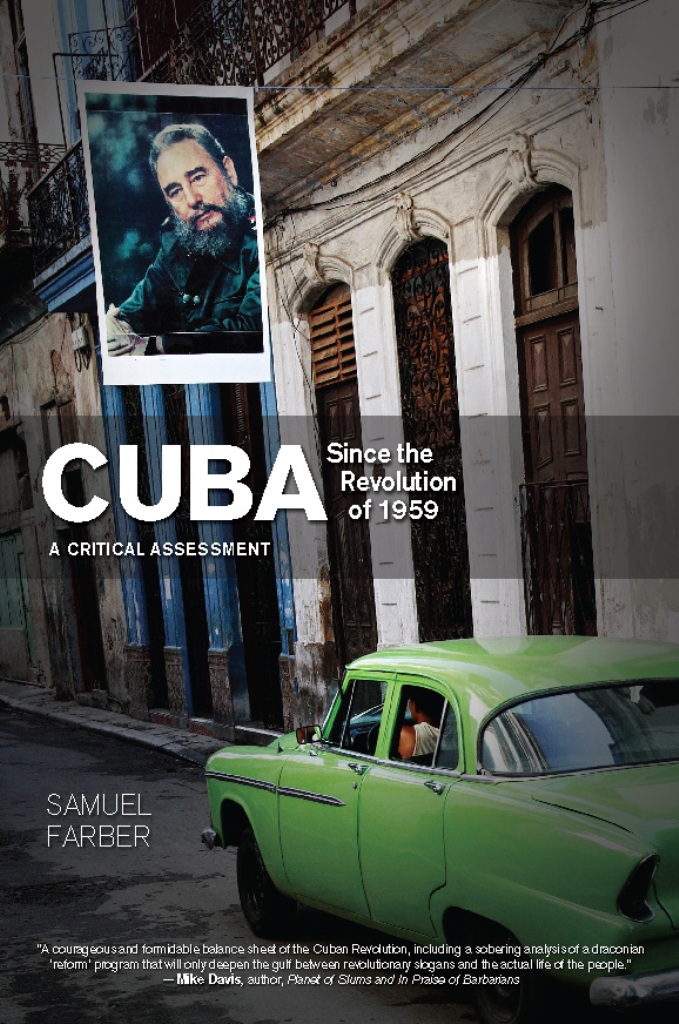
Cuba Since the Revolution of 1959
Samuel Farber · Haymarket Books
Affinity signal
Cuban History
Caribbean & Latin American Studies

Cuba's Revolutionary World
Jonathan C. Brown · WW Norton
Affinity signal
Cuban History
Caribbean & Latin American Studies

Cuba
Antoni Kapcia · Bloomsbury
Affinity signal
Cuban History
Caribbean & Latin American Studies
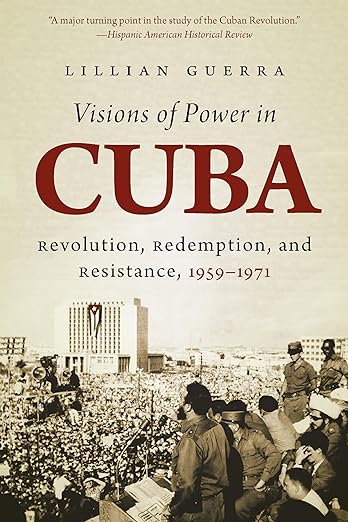
Visions of Power in Cuba
Lillian Guerra · The University of North Carolina Press
Affinity signal
Cuban History
Caribbean & Latin American Studies

Cuban Revolution Reader
Julio García Luis, Julio Garcia Luis · Ocean Press
Affinity signal
Imperialism
Latin American History

Cuban Revelations
Marc Frank · University Press of Florida
Affinity signal
Cuban History
Caribbean & Latin American Studies

The History of Cuba
Clifford L. Staten · St. Martin's Press
Affinity signal
Cuban History
Caribbean & Latin American Studies

Cuba Libre!
Tony Perrottet · Penguin Publishing Group
Affinity signal
Cuban History
Caribbean & Latin American Studies